Discussions ran significantly longer—and notably tenser—than scheduled during the final sessions of the 2026 United Nations biodiversity summit, known as COP17, held in Yerevan, Armenia. The recurring friction point was neither conservation targets nor territorial mapping, but rather the complex architecture of biodiversity finance. The deadlock mirrored the volatile closing hours of the COP15 summit four years prior in Montreal, where negotiations nearly collapsed after a last-minute threat by a delegation to withdraw over unfulfilled funding obligations.

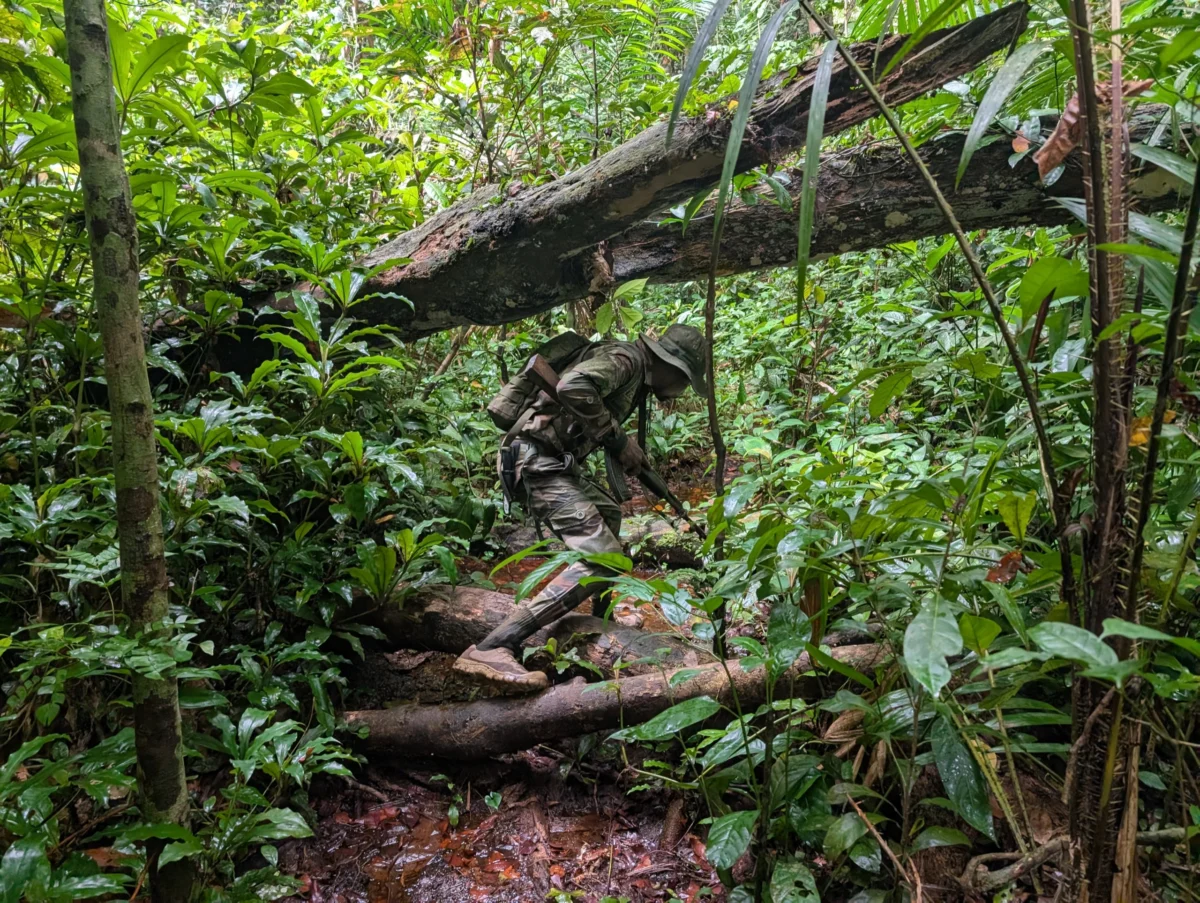
At the center of these persistent disagreements stands the Democratic Republic of the Congo (DRC). As the custodian of the largest share of the Congo Basin—the world’s second-largest rainforest—the DRC has emerged as a formidable voice on the global stage, aggressively advocating for increased and more effective financial flows to help developing nations meet international conservation mandates.

The Financial Chasm and the Burden of Conservation
The core of the dispute stems from historic economic disparities and environmental accountability. Industrially developed nations have historically placed heavier pressures on global ecosystems to feed their industrialized economies, accumulating an ecological debt that they are formally obligated to address under the Convention on Biological Diversity (CBD).

According to global environmental studies, closing the worldwide biodiversity funding gap requires an estimated $200 billion annually, once environmentally harmful subsidies—such as those favoring fossil fuel extraction and industrial agriculture—are redirected. During the 2022 COP15 summit, developing nations initially pushed wealthy countries to mobilize $100 billion per year. After intense resistance, the summit concluded with a compromise: a target of $20 billion annually by 2025, scaling up to $30 billion annually by 2030, embedded within a broader $200 billion annual conservation framework.

However, progress reports tracking international implementation indicate that these interim financial targets have likely fallen short. Daniel Mukubi, head of the climate change division at the DRC’s Ministry of the Environment and a veteran negotiator, argues that wealthy nations continue to treat these mandatory financial responsibilities as optional charity.

"The Global North countries think that we are asking for charity or favor. But it is their responsibility," Mukubi stated in an exclusive interview. "All this weight—the objectives and targets of the global biodiversity framework—requires additional efforts for developing countries, such as the Democratic Republic of the Congo, to be able to find alternatives."

For the DRC, the stakes are exceptionally high. The nation manages more than 155 million hectares of tropical forests, peatlands, and savannahs. Under the Kunming-Montreal Global Biodiversity Framework, the government has committed to conserving 30% of its total land area and restoring another 30% of degraded ecosystems by 2030. Fulfilling these ambitious targets requires substantial capital to provide sustainable livelihoods for Indigenous peoples and local communities whose survival depends directly on forest ecosystems, thereby curbing illegal logging and habitat destruction.

Institutional Roadblocks and the Debate Over the Global Environment Facility
A major point of contention during COP17 was the mechanism through which funds are distributed. Currently, international biodiversity funds are channeled primarily through the Global Environment Facility (GEF), including its specialized window, the Global Biodiversity Framework Fund (GBFF).

While the GEF has mobilized billions of dollars—such as the recent $500 million boost announced at COP17 and previous funding cycles like GEF-8 and GEF-9—developing nations argue that the institution is ill-equipped to handle the scale and urgency of the biodiversity crisis. Mukubi and other negotiators from the Global South point to cumbersome administrative procedures, exorbitant transaction costs imposed by intermediary U.N. agencies, and restrictive co-financing requirements that make accessing funds nearly impossible for cash-strapped nations.

"One of our projects was approved very, very quickly, but now to access the fund, it’s been over a year that we still don’t have it," Mukubi noted, highlighting the bureaucratic bottlenecks that plague current funding streams. Furthermore, because the GEF allocates resources across multiple environmental crises—including climate change, land degradation, and chemical pollution—biodiversity frequently takes a secondary priority.

To resolve these inefficiencies, the DRC and allied developing nations have strongly advocated for the establishment of a dedicated, independent financial mechanism under the direct control and authority of the Conference of සුසස (COP), in strict accordance with Article 21 of the CBD. While developed countries have resisted creating a new standalone fund—preferring to broaden the donor base to include emerging economies and Gulf states—developing nations argue that existing contributors must first fulfill their legal obligations before shifting the burden elsewhere.

Navigating National Sovereignty and Domestic Reforms
Beyond international diplomacy, the DRC faces intense scrutiny from international nongovernmental organizations and activists urging stricter conservation measures within the Congo Basin. However, Kinshasa maintains that external pressure must respect national sovereignty.

The government has increasingly relied on rigorous scientific and economic research to guide its domestic policies. Notably, the DRC halted planned oil extraction concessions within Virunga National Park—a UNESCO World Heritage site—after studies demonstrated that the long-term ecological and economic value of preserving the park outweighed short-term non-renewable resource extraction. Furthermore, the country recently launched the Kivu-Kinshasa Green Corridor initiative, marking one of the world’s largest commitments to community-based conservation.

Domestically, the DRC is advancing structural reforms through initiatives like the Biodiversity Finance Initiative (BIOFIN) to map national biodiversity expenditures, identify harmful subsidies, and strengthen local resource mobilization. A notable success involves partnering with grassroots organizations, such as the National Alliance for the Support and Promotion of Indigenous and Community Heritage Territories, which has secured direct access to manage a significant portion of conservation funds for community-based projects.

Broader Implications and the Path to COP19
As international climate and biodiversity governance navigates a shifting geopolitical landscape marked by economic pressures, shifting foreign aid priorities, and fluctuating public support in the Global North, the path forward remains fraught with challenges.

The roadmap established under Decision 16/34 aims to make a permanent biodiversity financing mechanism operational by COP19 in 2030. In the interim, secondary instruments such as China’s Kunming Biodiversity Fund, the NBSAP Accelerator Partnership, and innovative South-South financing models like the Tropical Forest Forever Facility (TFFF) are serving as temporary bridges to keep national strategies afloat.

Nevertheless, negotiators like Mukubi maintain that voluntary corporate contributions, philanthropic donations, and domestic revenues can only ever act as supplementary measures. Without predictable, large-scale public financing from historical emitters, global biodiversity targets risk remaining unfulfilled promises.

"The world still doesn’t seem to be much more aware of the danger posed by biodiversity loss and tends to prioritize the interests of individual countries and parties," Mukubi warned. "If the entire world cannot mobilize, we’ll have nothing left but our tears."