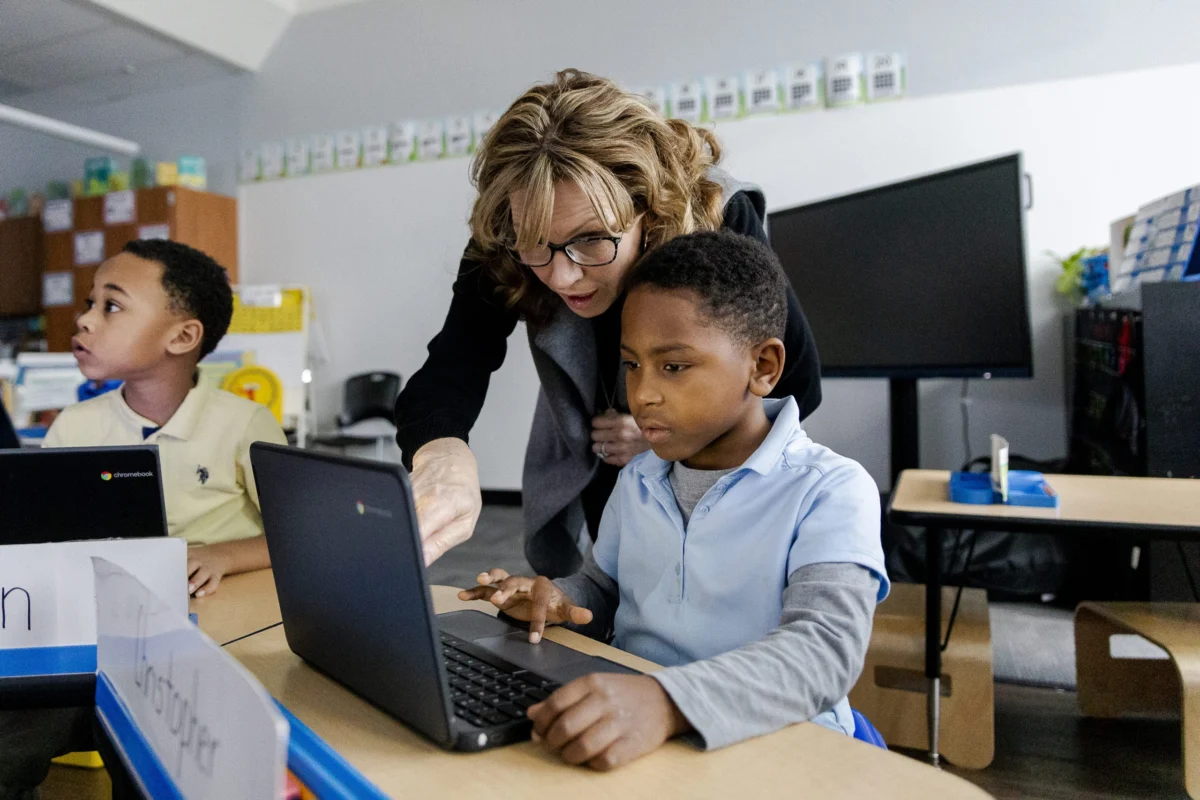
The integration of artificial intelligence into the K-12 classroom has reached a critical inflection point, forcing educators to re-evaluate the foundational philosophy of personalized learning. While software platforms and generative AI tools are increasingly capable of mapping academic gaps and providing real-time remediation, a growing contingent of practitioners argues that the true potential of these technologies is being undermined by a data-driven approach that prioritizes student deficits over student potential.
For decades, the educational sector has defined personalized learning through the lens of diagnostic testing and standardized outcomes. This framework often categorizes students—labeling them as "remedial," "unmotivated," or "low-performing"—before they have the opportunity to engage with new material. Critics within the teaching profession contend that when AI is utilized primarily to address these identified "deficits," it merely accelerates the delivery of remedial instruction, reinforcing a cycle of disengagement that fails to address the underlying disconnect between the curriculum and the learner.
The Shift Toward Interest-Based Pedagogy
At the center of this pedagogical debate is a move toward leveraging student interests as the primary entry point for complex subject matter. Educators like Al Rabanera, a mathematics teacher at La Vista High School in Fullerton, California, suggest that the efficacy of AI in the classroom depends entirely on the quality of information provided by the teacher. By inputting data related to a student’s personal passions—such as automotive mechanics, music production, or financial aspirations—teachers can use AI to generate curriculum that is both rigorous and contextually relevant.
This approach challenges the traditional "gap-filling" model. Instead of viewing algebra as a series of abstract obstacles to be overcome for credit completion, teachers are using AI to model real-world scenarios that resonate with student goals. When a student questions the necessity of learning a mathematical process that a smartphone can calculate in seconds, the teacher is no longer limited to citing standardized testing requirements. Instead, they can use generative AI to illustrate how that mathematical logic underpins the financial decisions the student hopes to make in their professional future.
Chronology of AI Integration in K-12 Education
The rapid adoption of AI in classrooms follows a distinct timeline of technological evolution:
- 2015–2018: The Early Phase. Schools began adopting adaptive learning platforms that used algorithms to adjust the difficulty of problems based on student performance. These systems were primarily designed for rote skill-building and remediation.
- 2020–2022: The Pandemic Catalyst. The shift to remote learning accelerated the use of digital tools. During this period, the focus remained on accessibility and tracking student progress in a disconnected environment.
- 2023–2025: The Generative AI Explosion. With the widespread availability of Large Language Models (LLMs), the focus shifted from simple adaptive quizzing to content creation, lesson planning, and personalized feedback.
- 2026: The Critical Re-evaluation. As observed in recent classroom deployments, educators are now questioning whether the "efficiency" provided by AI is masking a lack of genuine student engagement, leading to a push for more human-centric implementation.
Supporting Data and the Efficacy of Personalized Learning
Research from organizations such as the RAND Corporation and various educational think tanks has long suggested that personalized learning can lead to improved student outcomes, but the results remain highly variable depending on implementation. According to a 2023 study published in the journal Educational Technology Research and Development, students engaged in personalized learning environments outperformed their peers on standardized metrics by approximately 0.2 standard deviations.
However, a significant body of research also indicates that "computer-only" personalized learning often leads to high rates of attrition. Data from the National Center for Education Statistics (NCES) highlights that students who feel a lack of personal connection to their coursework are 1.5 times more likely to report feelings of academic apathy. This reinforces the argument that technology serves best as an assistant to the teacher, rather than a replacement for the interpersonal rapport required to sustain student motivation.
Institutional Responses and the Human Element
Educational administrators are currently navigating the challenge of balancing technological investment with the need for professional development. While school districts are under pressure to modernize, many professional teaching organizations—including Teach Plus and the National Education Association—have issued guidance emphasizing that AI should be used as a tool to facilitate, not dictate, learning paths.
"In the rush to adopt new AI technologies, let us not forget about the human touch," stated a recent policy brief from the Hechinger Report’s advisory board. The consensus among pedagogical experts is that data points such as test scores provide only a surface-level understanding of a student. A comprehensive view of student capability requires qualitative data: how a student reasons when they are interested, how they recover from failure, and what they value.

Implications for Future Educational Policy
The implications of this shift are profound for both curriculum developers and policy makers. If school systems continue to prioritize "efficiency-first" AI tools that sort students into narrow achievement tiers, they risk institutionalizing a system that ignores the holistic development of the child.
Conversely, a shift toward interest-based, AI-assisted learning requires a significant investment in teacher training. Teachers must not only be technically proficient in operating AI interfaces but also adept at conducting the deep, ethnographic-style interviews required to understand what makes each student "tick."
Furthermore, there is a looming concern regarding equity. If schools in affluent districts are the first to adopt "interest-based" AI strategies while lower-income districts are relegated to using AI primarily for automated remediation and test preparation, the existing achievement gap may widen significantly. The challenge for policymakers will be to ensure that the humanizing potential of these tools is accessible to all students, regardless of socioeconomic background.
Conclusion: The Future of the Classroom
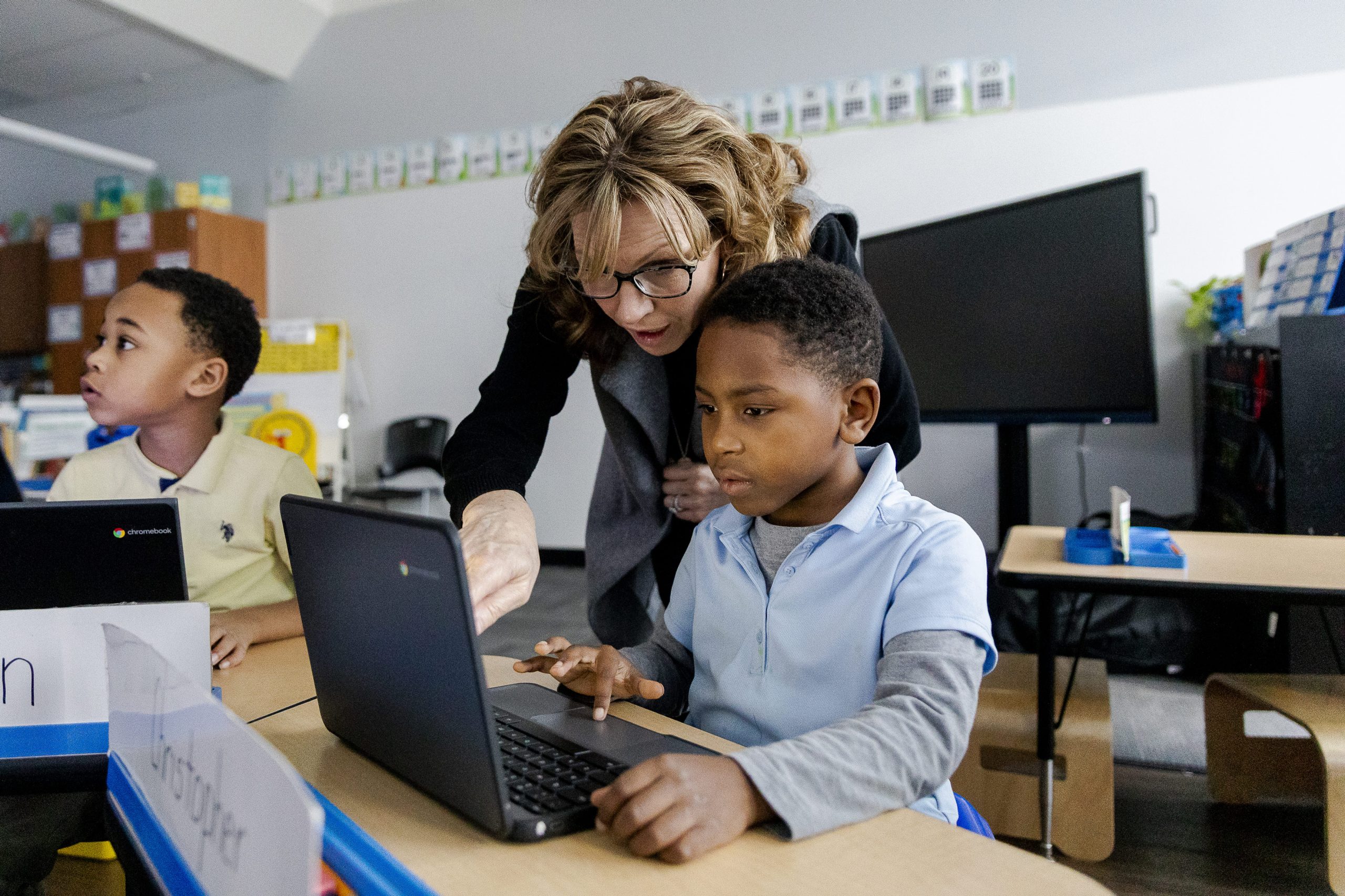
The classroom of the future is unlikely to be a fully automated landscape of screen-based learning. Instead, the most successful environments appear to be those where the teacher acts as a curator and facilitator. AI handles the heavy lifting—generating diverse materials, adjusting reading levels, and providing immediate feedback—which frees the teacher to engage in high-level mentorship.
By centering the student’s identity, aspirations, and interests, educators can transform the classroom from a place where students are "remedied" into a place where they are empowered. When the math is no longer something "done to" the student, but rather a tool for the student to achieve their personal goals, the resistance to rigorous learning often evaporates. As AI continues to evolve, the primary objective remains the same: to utilize technology in a way that deepens, rather than replaces, the essential human connection that makes education effective.