
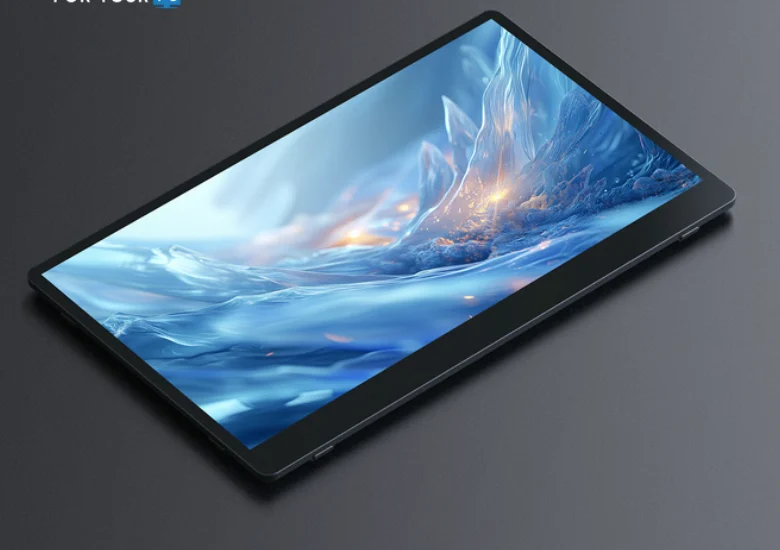
The crowdfunding landscape for mobile productivity accessories has seen a significant surge in interest following the launch of the 4URPC 15.6-inch Wireless Touchscreen Portable Monitor on Kickstarter. Positioned as a versatile solution for digital nomads, remote workers, and traveling professionals, the hardware has rapidly exceeded its initial financial targets, drawing attention from consumers looking to expand their digital workspaces while away from traditional desktop setups.
Crowdfunding campaigns for travel-centric technology have increasingly gained traction as workforce mobility normalizes globally. Innovations ranging from modular backpacks and specialized luggage straps to portable cutlery sets and compact toiletry organizers have paved the way for more sophisticated digital hardware designed specifically for transit. The introduction of a wireless, touchscreen secondary display addresses a long-standing ergonomic and functional gap for individuals who rely on multi-monitor environments but are constrained by the physical limitations of working from cafes, airport lounges, and hotel rooms.
Main Facts and Product Specifications
The 4URPC portable monitor features a 15.6-inch display panel equipped with touchscreen capabilities and wireless connectivity features designed to reduce cable clutter—a common pain point for mobile professionals. While traditional portable monitors require multiple wired connections for power and data transmission—often relying on HDMI, DisplayPort, or fully-featured USB-C cables—wireless integration allows users to mirror or extend their desktop displays seamlessly from compatible laptops, tablets, and smartphones.

Key technical highlights and design elements of the unit include:
- Display Size and Resolution: A 15.6-inch form factor, offering standard high-definition or enhanced resolution workspace suitable for spreadsheet management, document editing, and media consumption.
- Touchscreen Functionality: Multi-touch support that enables direct interaction with operating systems and applications without relying exclusively on a mouse or trackpad.
- Wireless Capabilities: Built-in wireless casting and connectivity protocols designed to interface with Windows, macOS, Android, and iOS devices.
- Portability and Form Factor: Slim-profile construction intended to slide easily into standard laptop compartments alongside primary computing devices.
- Internal Power Source: Integrated battery capabilities intended to support untethered operation, reducing dependence on external power bricks or direct wall outlets during transit.
Chronology and Campaign Performance
The Kickstarter campaign for the 4URPC portable monitor launched with a modest initial funding goal of $4,000, a threshold designed primarily to validate manufacturing interest and initiate production runs. The project caught momentum quickly within the online tech and travel gear communities, crossing the six-figure mark within weeks of its public debut.
As of late September, the campaign has raised upwards of $185,584 from thousands of individual backers worldwide. The rapid capitalization underscores a strong consumer demand for peripheral hardware that enhances remote productivity without adding significant weight or setup time to travel bags.
Prospective backers have until October 1st to pledge financial support through the Kickstarter platform at various tier levels, which include single-unit purchases as well as discounted multi-unit bundles aimed at small teams or tech enthusiasts. According to the current project timeline provided by the creators, mass production is scheduled to commence following the close of the funding period, with global shipments anticipated to reach backers by December 2026.

Market Context and Remote Work Trends
The proliferation of portable monitors mirrors broader shifts in how modern labor is conducted. With hybrid work models firmly established across numerous industries, employees and entrepreneurs frequently transition between corporate offices, home studies, and international travel destinations.
Studies on workplace ergonomics consistently demonstrate that dual-monitor setups significantly enhance productivity and reduce task-switching friction. However, traditional desktop monitors are entirely unsuited for mobile use, leading to the emergence of lightweight USB-powered secondary screens over the past half-decade. The 4URPC project represents the next evolutionary step in this product category by eliminating physical tethering cables, thereby streamlining the process of establishing an efficient workstation in cramped spaces such as airplane tray tables or small coffee shop desks.
Despite the convenience of wireless displays, industry analysts note that portable monitors face specific technological challenges. Latency, battery longevity, and compatibility across diverse operating systems remain critical metrics by which consumers evaluate such hardware. Manufacturers of wireless displays must balance high refresh rates and color accuracy with efficient power management to ensure the device remains practical for a full day of mobile work.
Financial and Backer Considerations
As with any crowdfunding initiative, potential backers face inherent risks associated with hardware development, global supply chain fluctuations, and manufacturing delays. While platforms like Kickstarter provide a direct line between creators and consumers, financial contributions are technically pledges toward product development rather than direct retail purchases.

The campaign’s organizers have structured multiple backing tiers to incentivize early adoption, alongside volume discounts for buyers interested in acquiring more than one unit. Commission-based referral links and affiliate networks have also played a role in spreading awareness of the project across travel-focused blogs and technology review sites, driving substantial traffic to the main Kickstarter page.
With the October 1st deadline approaching, consumer interest remains high. Whether the 4URPC 15.6-inch Wireless Touchscreen Portable Monitor ultimately meets its December 2026 delivery timeline and delivers on its performance promises will be closely watched by the mobile workforce community, setting a potential benchmark for future innovations in wireless display technology.










Leave a Reply