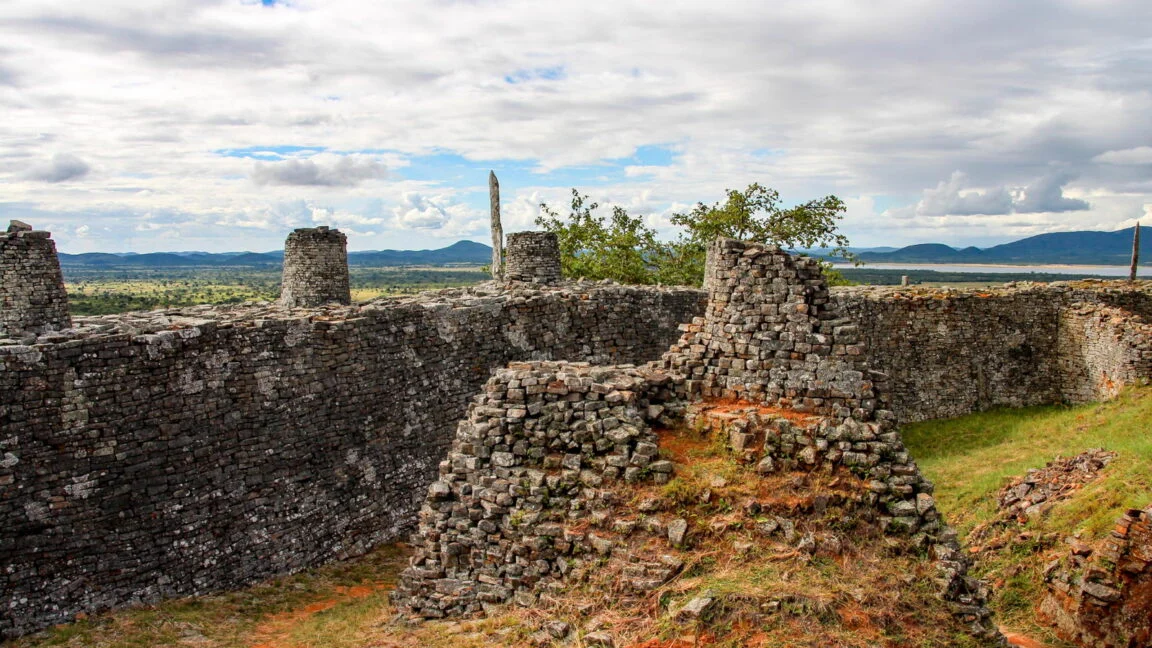
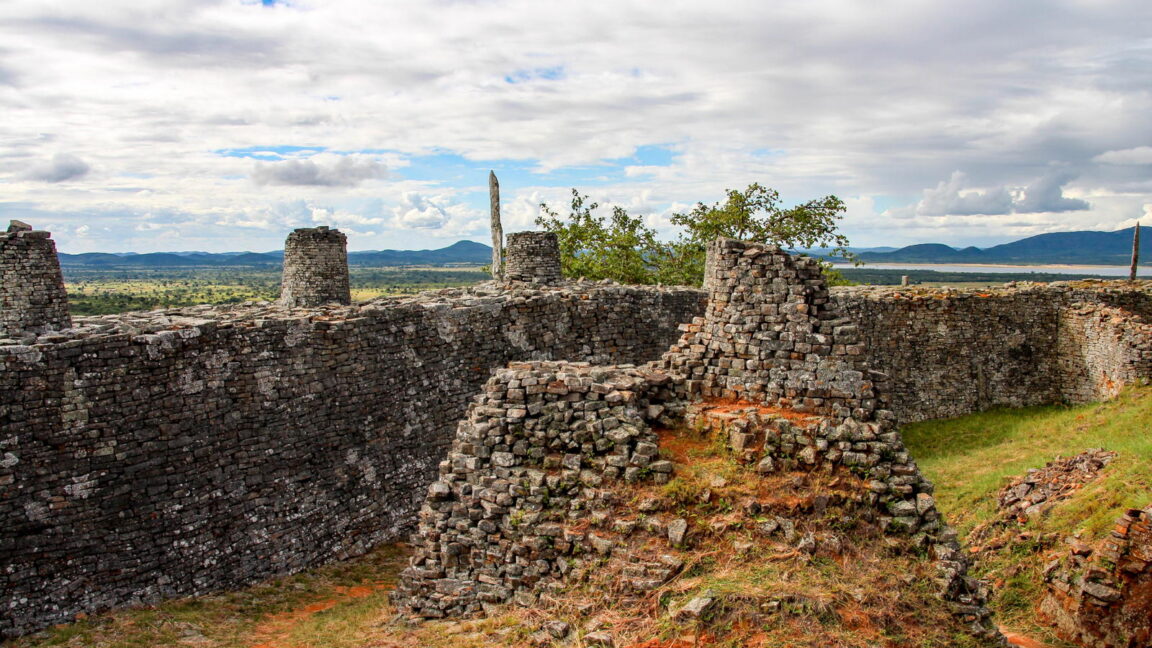
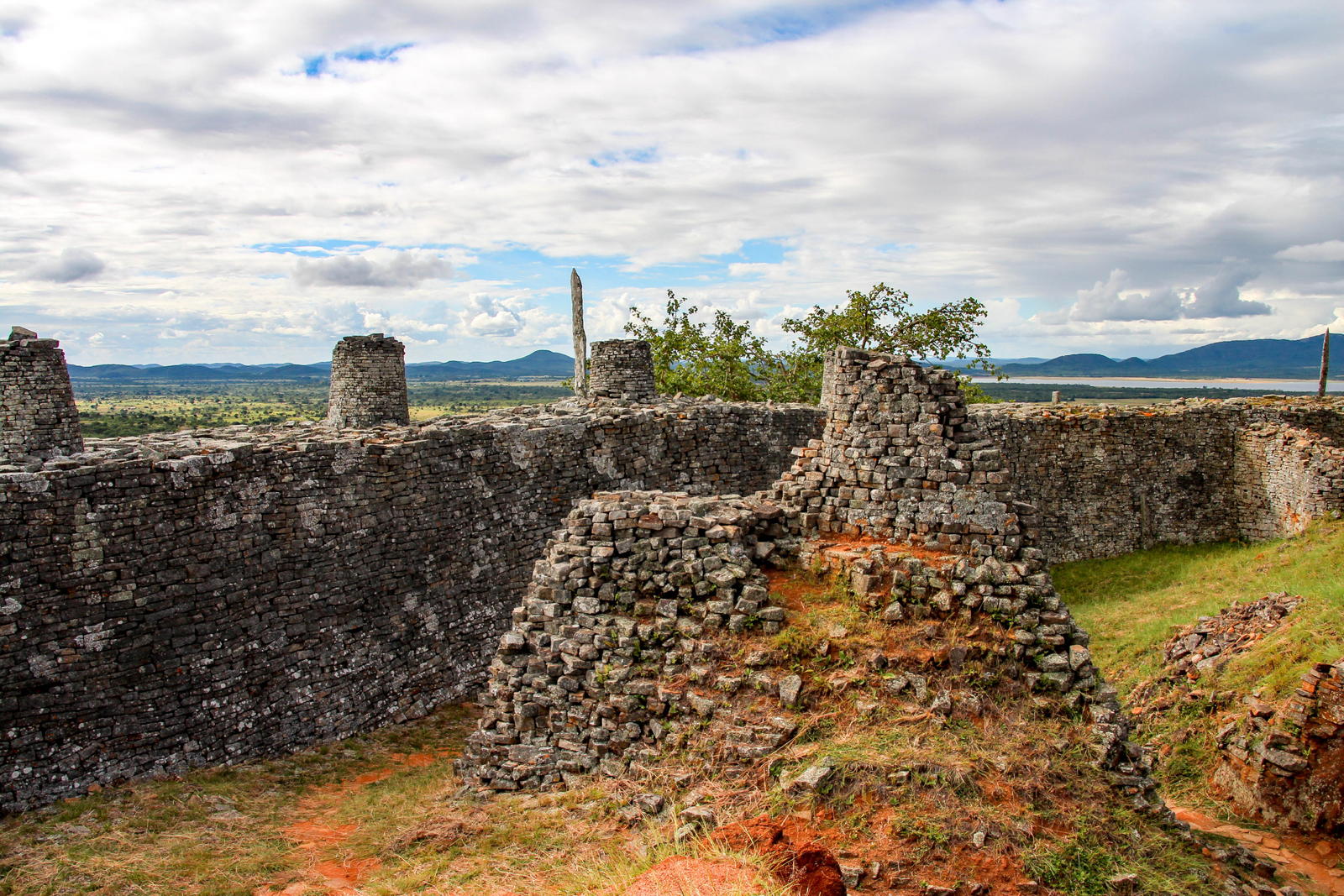
The dry-stone wall ruins of Great Zimbabwe stand as a monumental testament to a sophisticated civilization that once presided over a thriving medieval empire across southern Africa. Long before European colonial powers mapped the continent, the architects of this ancient capital had mastered complex metallurgy, including the extraction of iron from ore using advanced, natural-draft furnaces capable of reaching temperatures exceeding 2,100 degrees Fahrenheit. For decades, the origins of such advanced societies, along with the rapid expansion of languages, agricultural practices, and metalworking technologies across sub-Saharan Africa, remained a fragmented historical puzzle. Today, however, an interdisciplinary alliance of geneticists, linguists, and archaeologists is rewriting this monumental history, shedding unprecedented light on the Bantu migration—one of the largest and most transformative human dispersals in global history.
This sweeping demographic and cultural shift fundamentally remade the map of sub-Saharan Africa. Modern data reveals that approximately 350 million people today speak one of roughly 500 distinct Bantu languages, stretching from Swahili in East Africa to Zulu and Xhosa in the south. Furthermore, hundreds of millions of individuals across Africa, as well as African diasporas in the Americas, carry distinct genetic signatures of this migration. By combining cutting-edge ancient DNA sequencing with computational linguistics and meticulous archaeological excavations, researchers are finally piecing together the timeline, routes, and profound human interactions that defined this continental transformation.
Tracing the Roots: From West African Homelands to the Rainforest
The historical investigation into the Bantu expansion began centuries ago through empirical observations of language similarities. Early European explorers, most notably during Vasco da Gama’s 1497 voyage around the southern tip of Africa, recorded that crew members familiar with west-central African dialects could communicate with populations on the southeastern coast. By the 19th century, linguists classified these related idioms as the Bantu language family—derived from muntu, meaning "human being" in many of these tongues.
Linguistic diversity strongly pointed to western Africa as the cradle of these languages, as regions harboring the greatest variety of dialects typically represent the point of origin. Specifically, scholars identified the Grassfields region of Cameroon as the likely homeland. Archaeological evidence at sites such as Shum Laka, a prominent rock shelter in Cameroon, revealed pottery fragments dating back 7,000 to 6,000 years, growing abundant by 5,000 to 4,000 years ago. These early ceramic styles, featuring simple incisions and stamps, marked the preliminary footprints of an ancestral sedentary population.
Despite these linguistic and material clues, mapping the exact geographical pathways out of the Cameroon homeland has posed significant challenges. For a long time, scholars debated whether the expansion occurred through active migration or the gradual cultural diffusion of ideas—whereby hunter-gatherer communities simply adopted farming and metallurgy from neighboring groups without moving.
The Genetic Revolution and the Resolution of the Migration Debate
By the early 2000s, the advent of archaeogenetics provided definitive empirical tools to resolve the migration versus diffusion debate. Because human beings inherit distinct genetic patterns from their ancestors, population geneticists could analyze genomes to track ancient human movements.
A landmark 2009 genetic analysis of more than 2,400 Africans revealed that Bantu-speaking populations across western, central, and southern Africa shared surprisingly close genetic affinities despite vast geographic distances. This momentum culminated in a comprehensive 2024 genomic study of 1,763 individuals, which demonstrated that genetic diversity among Bantu speakers is highest in western Africa and systematically declines with geographic distance—a textbook signature of population expansion.
"This is a typical signature of a population expanding from one place to another," explains population geneticist Carina Schlebusch of Uppsala University.
Furthermore, recent genomic comparisons have clarified the route taken through Central Africa. While older hypotheses suggested that Bantu groups split into two separate streams before entering the dense Congo rainforest—with one faction traveling east and another moving south—newer linguistic and genetic models indicate otherwise. Genomic data from Angola and Mozambique, published in recent years, demonstrate that eastern African Bantu speakers share closer ancestral ties with populations south of the rainforest than with those in Cameroon. This suggests that the ancestral migration moved through the rainforest as a unified stream, branching eastward and southward only upon reaching the southern fringes of the dense canopy approximately 2,500 to 3,500 years ago.
The Bantu "Package" and Landscape Transformation
As these communities pushed outward, they brought with them a cohesive cultural and economic toolkit often referred to by archaeologists as the Bantu "package." This lifestyle integrated sedentary agriculture, livestock herding, pottery-making, and advanced iron metallurgy.
This combination of innovations allowed Bantu-speaking populations to generate reliable food surpluses, fueling population growth and territorial expansion. However, this demographic wave profoundly altered the African landscape and its preexisting inhabitants. Dense rainforests were increasingly cleared for agriculture, while indigenous hunter-gatherer groups—such as the rainforest hunter-gatherers of Central Africa and the Khoisan peoples of the south—faced displacement into more marginal environments or demographic absorption.
Intimate Interactions and Complex Social Networks
Far from a simple tale of displacement, modern genetic and archaeological research reveals a complex tapestry of intermarriage, economic cooperation, and cultural exchange between incoming Bantu farmers and indigenous populations.
Genomic studies have uncovered striking instances of historical intermixing. For instance, central African Bantu groups frequently share approximately an eighth of their DNA with rainforest hunter-gatherers, while southern Bantu speakers share similar proportions with Khoisan populations. Intriguingly, genetic mapping of mitochondrial DNA (maternal lineages) versus Y chromosomes (paternal lineages) among southern African Bantu populations has revealed an asymmetry: maternal lineages show higher-than-expected proportions of Khoisan ancestry, while paternal lines remain predominantly Bantu. Historians and geneticists suggest this pattern reflects historical power dynamics, preferential intermarriage, or social structures where Bantu men married or integrated Khoisan women.
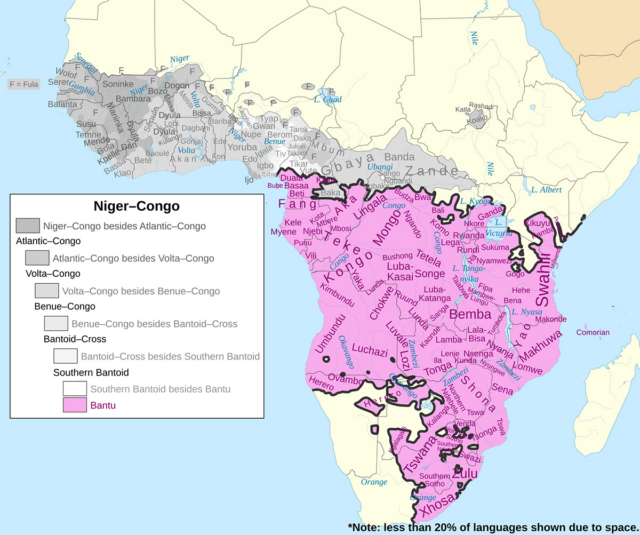
This deep social contact also left indelible marks on language and ritual. The signature click consonants characteristic of Khoisan languages were integrated into southern Bantu languages such as Zulu and Xhosa. Simultaneously, archaeological excavations—such as those led by archaeologist Décio Muianga at rock shelters in Mozambique—have uncovered sites where wild animal bones and traditional stone tools of hunter-gatherers coexist directly with Bantu-style ceramics, pointing to active trade, communication, and resource sharing. Cultural practices also flowed between groups, with historical records indicating that some agricultural Bantu communities enlisted San hunter-gatherers to perform traditional rainmaking ceremonies.
Global Trade Networks and Technological Ingenuity
Over subsequent centuries, these regional societies evolved into sophisticated state-level polities. By 1100 to 1600 AD, kingdoms like Great Zimbabwe established extensive commercial networks stretching across the Indian Ocean. Archaeological excavations have unearthed imported Chinese porcelain and glass beads, traded outward in exchange for locally mined gold, ivory, and high-grade iron.
Recent archaerometallurgical investigations have further highlighted the sophisticated empirical science behind these economies. Studies led by archaeometallurgist Ezekiel Mtetwa at Great Zimbabwe have revealed that iron smelters intentionally introduced bone fragments into their high-temperature furnaces. While likely tied to ritual or medicinal blessings, this practice introduced calcium into the smelting process—a chemical accelerant that successfully separated iron from ore, demonstrating an advanced, empirical grasp of metallurgy.
Current Scientific Challenges and Future Directions
Despite these monumental strides, researchers emphasize that the chronicle of the Bantu migration remains incomplete. Computational linguists, such as Igor Yanovich and Koen Bostoen, note that traditional language tree models often assume languages evolved in absolute isolation after splitting. Recent linguistic analyses incorporating ongoing language contact and multi-directional borrowing suggest that the diversification process was far more fluid and interconnected than previously understood.

To refine these models, geneticists are redoubling efforts to extract ancient DNA from sub-Saharan human remains, aiming to map exact chronologies of population overlap and movement. Meanwhile, archaeologists emphasize that unlocking the full scope of this history requires sustained financial investment in African research infrastructure, laboratories, and field excavations—efforts that have historically relied heavily on limited European funding grants.
Ultimately, the synthesis of genetics, archaeology, and linguistics has transformed our understanding of a migration that fundamentally reshaped sub-Saharan Africa. The diverse mosaic of modern African cultures, languages, philosophies, and traditions stands as the enduring legacy of the Bantu expansion—a testament to human adaptability, innovation, and cross-cultural synthesis.