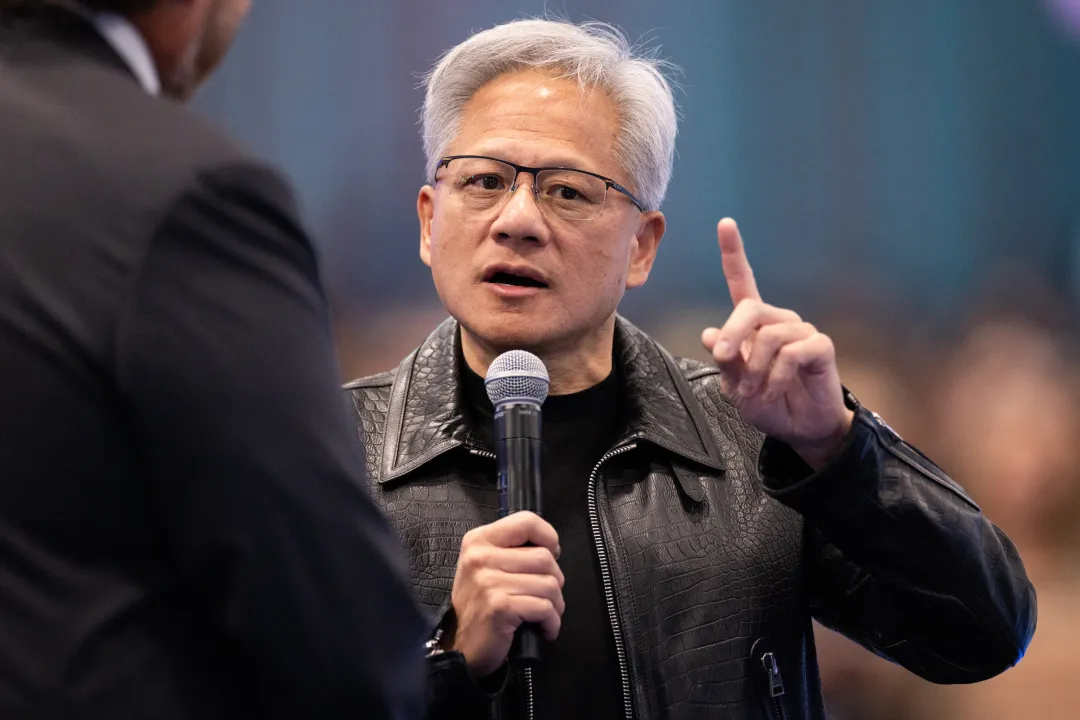
The sudden resignation of Jensen Huang as CEO of Nvidia has sent shockwaves through the global technology sector, marking the end of a transformative era for the world’s most valuable semiconductor manufacturer. Following a series of revelations regarding his personal conduct and alleged entanglements with entities linked to foreign intelligence, the board of directors has moved to replace the man who has become synonymous with the modern artificial intelligence revolution. As Nvidia transitions to interim leadership under CFO Collette Kress, the tech industry faces an unprecedented period of uncertainty, with questions looming over the company’s strategic direction, its massive investment portfolio, and its central role in the geopolitical landscape of chip manufacturing.
A Chronology of the Crisis
The collapse of Jensen Huang’s leadership did not occur in a vacuum, though the speed of his departure caught many industry analysts off guard. The sequence of events leading to his resignation traces back to long-standing concerns within national security circles that only recently reached a critical threshold.
- Late 2025 – Early 2026: Intelligence agencies reportedly begin monitoring reports regarding a personal relationship between Huang and an executive at Megaspeed, a Nvidia client with alleged ties to Chinese intelligence services.
- November 8, 2026: Public scrutiny intensifies as reports surface regarding an internal Nvidia board investigation into Huang’s conduct.
- November 9, 2026: Bloomberg reports that Nvidia’s legal department intervened in a Department of Commerce investigation into the Megaspeed entity, raising questions about corporate governance and the potential shielding of sensitive information.
- November 12, 2026: Further allegations of a secondary affair with a high-ranking Nvidia executive emerge, eroding the remaining confidence among the board and institutional shareholders.
- November 14, 2026: Jensen Huang officially resigns as CEO. Nvidia announces that CFO Collette Kress will serve as interim CEO while the board initiates a search for a permanent successor.
The National Security Dimension
The core of the controversy lies in the intersection of corporate policy and geopolitical tension. Huang has been a vocal proponent of easing U.S. export controls on high-performance AI chips destined for China. Critics argue that his personal associations, particularly with individuals connected to Chinese intelligence, created a conflict of interest that fundamentally undermined his ability to navigate the delicate balance between commercial expansion and national security compliance.
The involvement of the Department of Commerce, which has been tightening restrictions on semiconductor exports to prevent China from gaining a competitive edge in AI development, has turned the Nvidia leadership crisis into a matter of state security. By reportedly intervening in federal inquiries, the company’s internal legal team potentially compromised the integrity of its regulatory obligations. This has sparked a broader debate about whether the "special status" often afforded to high-profile tech founders should be curtailed when their personal lives intersect with the strategic interests of the state.
The Bank of Nvidia: Economic Implications
Nvidia’s influence extends far beyond the production of graphics processing units (GPUs). Over the last several years, the company has effectively acted as a venture capital powerhouse, fueling the growth of the broader AI ecosystem. The "Bank of Nvidia" strategy—wherein the company invests heavily in its own customers—has created a circular economy of innovation that is now at risk of stagnation.
Current data highlights the scale of this exposure:
- Market Dominance: Nvidia currently controls approximately 80% of the global AI GPU market, making it the primary infrastructure provider for almost every major AI initiative in the Western world.
- Direct Investment: The company maintains a portfolio of approximately $99 billion in active investments, with an additional $25 billion in committed capital.
- Cloud Commitments: Nvidia has pledged $36 billion in cloud service commitments, tying its financial performance to the success of major data center projects and AI-centric firms like OpenAI, Anthropic, CoreWeave, and Nebius.
Should the company shift toward a more conservative, "circling the wagons" approach under interim leadership, the impact on these portfolio companies could be catastrophic. Many of these startups rely on Nvidia not just for hardware, but for the capital injections required to sustain their massive computational overhead.
Interim Leadership and Strategic Uncertainty
The appointment of Collette Kress as interim CEO signals a shift toward stabilization and risk management. Kress, a long-serving board member and financial architect of the company’s recent growth, is widely viewed as a "caretaker" executive. Her tenure is expected to focus on insulating the firm from further regulatory fallout and stabilizing investor confidence rather than pursuing aggressive new expansions.
Market analysts observe that while Kress is highly capable, the vacuum left by Huang is significant. Huang was not merely a manager; he was the primary visionary and the face of the company to both Silicon Valley and Wall Street. Without him, Nvidia lacks a clear successor, and the absence of a formal, long-term transition plan suggests the board was largely unprepared for the suddenness of his departure.
Industry and Regulatory Reactions
The industry response has been polarized. While some influential tech figures, including Elon Musk and other prominent executives, have signed petitions calling for Huang’s reinstatement, citing his indispensable role in the AI sector, the official stance from regulatory bodies remains one of cautious monitoring.
Government officials have emphasized that the integrity of the U.S. semiconductor supply chain is paramount. The Department of Commerce is expected to continue its scrutiny of Nvidia’s past lobbying efforts and its interactions with foreign-linked entities. For shareholders, the immediate future is characterized by heightened volatility. Nvidia’s stock, which has been the primary engine of the S&P 500’s recent performance, now faces a period of re-rating as the market accounts for the loss of its visionary leader and the increased probability of regulatory intervention.
Looking Ahead
The ouster of Jensen Huang marks a pivotal moment for the tech industry, signaling that even the most dominant figures in the AI economy are not immune to the consequences of corporate governance failures and geopolitical entanglements. As Nvidia navigates this transition, the broader AI industry must grapple with the fragility of a system that has become so heavily dependent on a single company—and a single leader. Whether Nvidia can maintain its market dominance without the man who built it remains the defining question for the technology sector in the coming year. The era of the "founder-as-institution" is facing its most significant test, and the outcome will likely reshape the corporate structure of the global AI landscape for the next decade.