
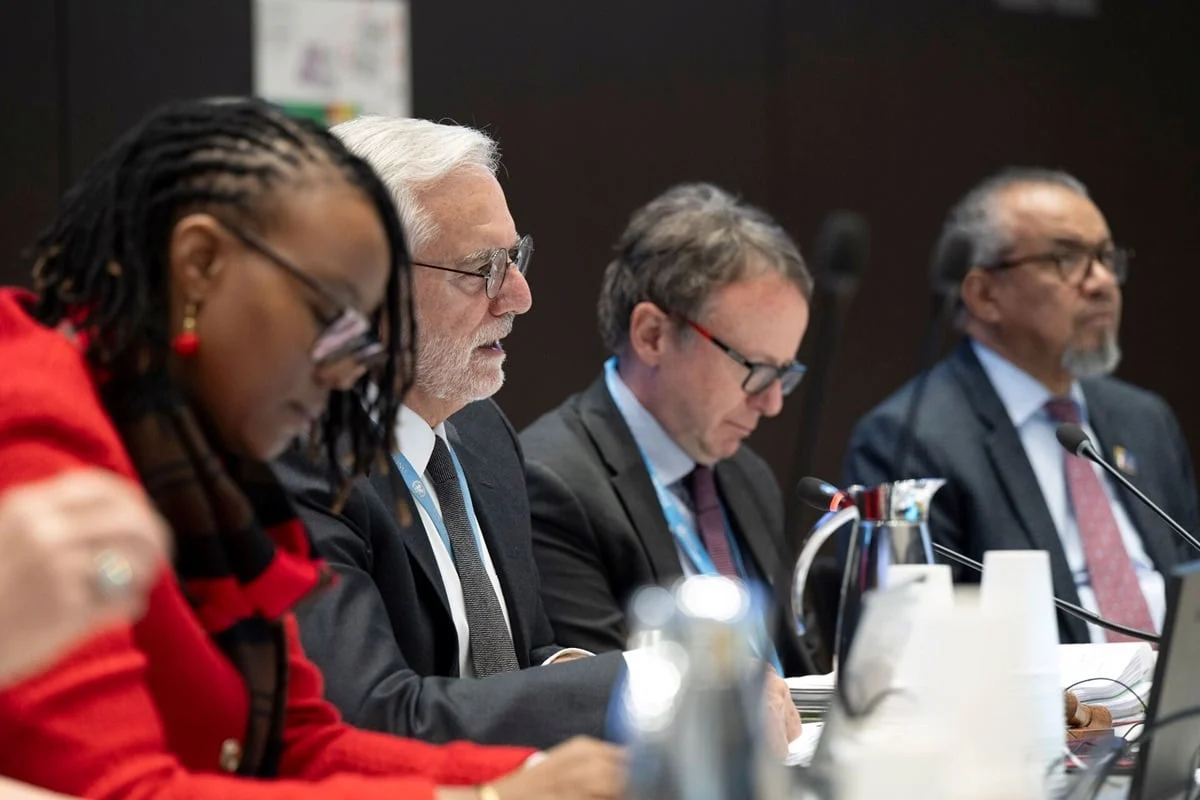
Member States of the World Health Organization (WHO) have made significant strides in advancing the crucial Pathogen Access and Benefit Sharing (PABS) annex, a cornerstone of the proposed WHO Pandemic Agreement. While considerable progress was achieved during the recently concluded resumed session of the sixth meeting of the Intergovernmental Working Group (IGWG) in Geneva, delegates recognized that additional time is essential to fully finalize this complex framework. The PABS system is designed to ensure a more equitable and effective global response to future pandemics by establishing clear protocols for the rapid sharing of pathogens with pandemic potential and the fair distribution of benefits derived from their use, such as life-saving vaccines, diagnostics, and therapeutics. The outcome of these intensified negotiations will be presented to the Seventy-ninth World Health Assembly (WHA) later this month. However, due to the need for further in-depth discussions and consensus-building, the Assembly will be requested to consider extending the mandate of the IGWG. This extension would allow for continued work, with the finalized PABS annex to be submitted to the WHA in May 2027, or potentially sooner through a special session convened in 2026.
A Critical Juncture for Global Pandemic Preparedness
The urgency surrounding the finalization of the PABS annex cannot be overstated. Dr. Tedros Adhanom Ghebreyesus, WHO Director-General, expressed optimism regarding the progress made, stating, "Real progress was made on the PABS annex and I am confident through continued negotiations differences will be overcome." He emphasized the critical nature of this work, noting, "Member States should continue approaching the outstanding issues with a sense of urgency because the next pandemic is a matter of when, not if." Dr. Tedros highlighted the PABS annex as the "last piece of the puzzle not only for the Pandemic Agreement but all initiatives that WHO and Member States have implemented as a result of lessons learned from the COVID-19 pandemic."
The COVID-19 pandemic starkly exposed the inequities and inefficiencies in global responses to health crises. Delays in accessing vital information about emerging pathogens and unequal access to life-saving medical countermeasures underscored the imperative for a robust international framework. The PABS annex aims to rectify these shortcomings by creating a predictable and transparent system that incentivizes timely sharing of biological samples and associated data, while ensuring that the benefits derived from these resources, including intellectual property, technologies, and financial gains, are equitably distributed among all nations. This equitable sharing is particularly vital for low- and middle-income countries, which often bear a disproportionate burden of disease outbreaks but have historically faced significant barriers in accessing essential medical innovations.
The Path to the Pandemic Agreement: A Chronology
The journey towards the WHO Pandemic Agreement and its integral PABS annex has been a multi-year process, driven by the profound lessons learned from the devastating COVID-19 pandemic.
- Early 2020s: Following the initial phases of the COVID-19 pandemic, global leaders and health experts recognized the urgent need for a more cohesive and equitable international framework to address future pandemic threats. Discussions began to emerge about strengthening the International Health Regulations (IHR) and exploring new instruments.
- May 2022: The World Health Assembly (WHA) adopted Resolution WHA75.2, which paved the way for the establishment of an open-ended Intergovernmental Working Group (IGWG) tasked with the "process of negotiating, drafting and reporting on a legally binding instrument, in the form of a convention, agreement or other instrument, intended to strengthen pandemic prevention, preparedness and response."
- Late 2022 – Present: The IGWG commenced its work, holding multiple sessions to deliberate on the various components of the future pandemic instrument. Discussions were broad, covering areas such as surveillance, research and development, equitable access to countermeasures, financing, and governance.
- May 2025: The World Health Assembly adopted the foundational WHO Pandemic Agreement, a significant milestone in global health diplomacy. This adoption was contingent on the successful negotiation of key implementing mechanisms, notably the PABS annex.
- June 2024 (Resumed Sixth Meeting): The IGWG convened a resumed session specifically to focus on the PABS annex. While substantial progress was reported, it became clear that further negotiations were needed to bridge remaining differences.
- July 2026: The seventh meeting of the IGWG is scheduled to take place from July 6 to July 17, 2026, providing a dedicated timeframe for continued negotiations.
Key Elements of the PABS Annex
The PABS annex is designed to address two interconnected challenges: access to pathogens and benefit sharing.
Pathogen Access: Swift and Transparent Sharing
A primary objective of the PABS annex is to establish a clear and efficient mechanism for the rapid sharing of pathogens with pandemic potential. This includes:
- Timely Notification: Countries would be obligated to promptly notify the WHO and other designated entities upon detection of a potential pandemic pathogen.
- Standardized Sharing Protocols: The annex aims to define standardized procedures for the collection, characterization, and transfer of biological samples and associated data. This will reduce ambiguity and expedite the process.
- Incentives for Sharing: The framework is expected to include provisions that incentivize countries to share pathogens, potentially through mechanisms that recognize their contribution and provide access to the benefits derived from their use.
- Data Sharing: Beyond biological samples, the PABS annex will likely encompass provisions for sharing critical epidemiological and genomic data, which are essential for understanding disease transmission and developing effective interventions.
Benefit Sharing: Equity in Innovation
The "benefit sharing" component of the PABS annex is equally critical, aiming to ensure that the global community reaps equitable rewards from the scientific advancements spurred by pathogen sharing. This encompasses:
- Equitable Access to Countermeasures: A core principle is ensuring that vaccines, therapeutics, and diagnostics developed from shared pathogens are made accessible to all countries, particularly those most affected by outbreaks and with limited capacity.
- Technology Transfer: The annex may include provisions for facilitating the transfer of technology and manufacturing know-how to enable broader production of essential medical supplies.
- Financial Benefits: Provisions for financial compensation or profit-sharing mechanisms are anticipated, ensuring that countries contributing pathogens or participating in research and development benefit financially from the commercialization of related products.
- Capacity Building: Investment in strengthening the research, development, and manufacturing capacities of developing countries is likely to be a key component of the benefit-sharing framework, fostering greater self-reliance and resilience.
Voices from the Negotiations
The commitment and dedication of Member States were acknowledged by key figures involved in the IGWG process. Ambassador Tovar da Silva Nunes of Brazil, Co-Chair of the IGWG Bureau, highlighted the meticulous nature of the work: "Finalizing a document of such technical and legal complexity requires precision and dedication, both of which the Member States have demonstrated in full." He expressed confidence in the eventual outcome, stating, "We are not there yet, but with an extension of our negotiations, we will get there."
Echoing this sentiment, IGWG Co-Chair Mr. Matthew Harpur remarked on the unwavering commitment of WHO Member States. "WHO Member States have demonstrated strong and continuing commitment to negotiations on a Pathogen Access and Benefit Sharing system annex," he said. "The IGWG Bureau is confident we are moving in the right direction to finalize the PABS annex, and in doing so provide the WHO Pandemic Agreement with the framework needed to ensure countries are better, and more equitably, prepared and protected for the next pandemic."
Broader Implications and Future Outlook
The successful negotiation and ratification of the WHO Pandemic Agreement, with a robust PABS annex, carries profound implications for global health security.
- Enhanced Surveillance and Early Warning: A more streamlined pathogen sharing system could lead to earlier detection of novel threats, allowing for more rapid containment efforts and reducing the likelihood of widespread outbreaks.
- Accelerated R&D: Predictable access to pathogens and associated data can significantly accelerate the research and development of vaccines, diagnostics, and therapeutics, shortening the time from outbreak to effective countermeasures.
- Reduced Health Inequities: The equitable benefit-sharing provisions are crucial for dismantling the historical disparities in access to medical innovations. This could mean that a new life-saving vaccine is not only developed faster but is also available to everyone who needs it, regardless of their economic status or geographical location.
- Strengthened Global Trust and Cooperation: A transparent and fair PABS system can foster greater trust and cooperation among nations, essential for mounting a united front against shared health threats. Conversely, failure to reach consensus could leave the world vulnerable and perpetuate existing inequalities.
The decision to seek an extension for the PABS annex negotiations underscores the complexity of achieving global consensus on such a critical and intricate issue. The proposed timeline, with a target of May 2027 or potentially a special session in 2026, indicates a commitment to thoroughness over expediency, ensuring that the final framework is robust, equitable, and sustainable. The upcoming seventh meeting of the IGWG in July 2026 will be a pivotal moment, where delegates will aim to finalize the PABS annex, thereby bringing the WHO Pandemic Agreement closer to full implementation and a more secure future for global health. The world watches with anticipation, recognizing that the successful conclusion of these negotiations is not merely a diplomatic achievement but a vital investment in collective survival and well-being.










Leave a Reply