A 24-hour fast may hold the key to mitigating one of the most debilitating side effects of cancer treatment, according to a groundbreaking study conducted by researchers at The University of Texas MD Anderson Cancer Center. By uncovering a symbiotic relationship between fasting-induced metabolic changes and the activity of a specific gut bacterium, scientists have mapped out a biological "emergency preparedness plan" that allows the small intestine to withstand and recover from the severe damage caused by radiation. This discovery, published in the Proceedings of the National Academy of Sciences, offers a potential paradigm shift in how clinicians might preserve healthy tissue in patients undergoing abdominal radiation, potentially allowing for more aggressive and effective cancer-killing regimens.
The Clinical Challenge: The Limits of Radiation
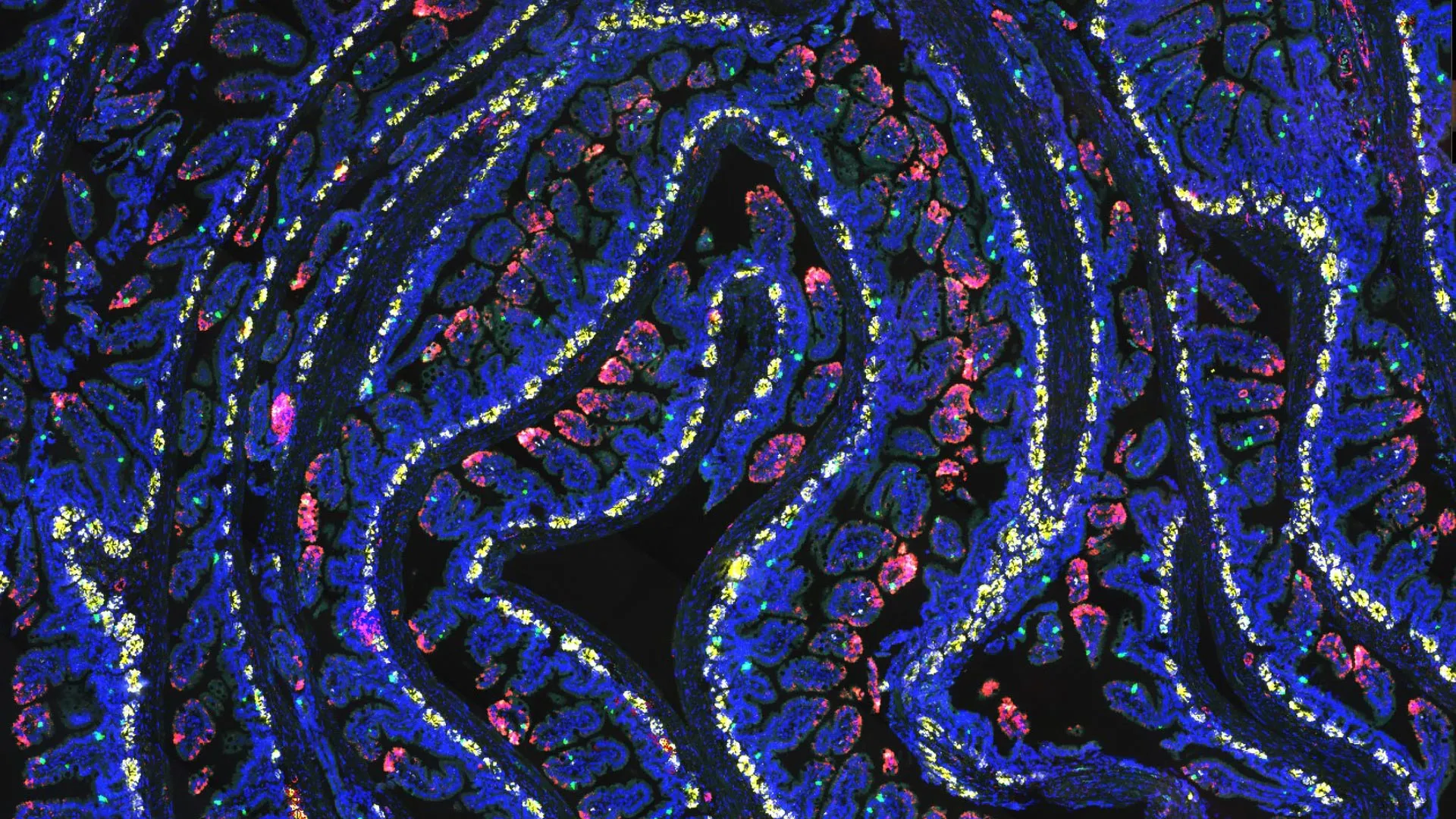
Radiation therapy remains a cornerstone of oncology, particularly for localized tumors in the abdominal cavity, such as those originating in the pancreas, rectum, or gynecological organs. While modern techniques like intensity-modulated radiation therapy (IMRT) allow for greater precision, the anatomical proximity of the small intestine to these tumor sites creates a persistent therapeutic bottleneck. The small intestine is lined with a highly sensitive, rapidly renewing layer of epithelial cells. When hit by ionizing radiation, this lining suffers significant damage, leading to a condition known as radiation enteritis.
Symptoms of this damage range from moderate nausea and debilitating diarrhea to life-threatening intestinal perforations and severe infections. Beyond the immediate patient suffering, the sensitivity of the gut often forces oncologists to curtail radiation doses, thereby reducing the therapeutic efficacy of the treatment. For decades, the medical community has sought methods to protect this "bystander" tissue without shielding the tumor itself, but effective, non-toxic pharmacological interventions have remained elusive.
Chronology of the Research
The path to this discovery began years ago within the laboratories of the MD Anderson Cancer Center, specifically under the guidance of Dr. Helen Piwnica-Worms and Dr. Kunal Rai. Earlier preclinical work in the Piwnica-Worms Laboratory established a fundamental observation: mice that were fasted for 24 hours prior to radiation exposure showed a markedly higher survival rate and faster intestinal regeneration compared to those that were fed.
However, the "why" remained a scientific black box. For years, the prevailing hypothesis centered on systemic metabolic shifts—the idea that the body, sensing a lack of incoming nutrients, diverts energy away from cellular replication and into cellular preservation. The current study, led by Piwnica-Worms and Rai, serves as the next chapter in this investigation, moving beyond general metabolism to identify the specific microbial actors that orchestrate this protective response.
The Role of Akkermansia muciniphila
The research team identified Akkermansia muciniphila, a bacterium commonly known as AKK, as the primary mediator of the fasting-induced recovery process. During a 24-hour fast, the abundance of AKK in the small intestine increases significantly. This microbe is well-regarded in the scientific community for its role in metabolic health and mucosal integrity.
The researchers discovered that AKK produces a metabolic byproduct called propionate. This short-chain fatty acid acts as a signaling molecule that crosses into the intestinal cells, triggering a cascade of epigenetic modifications. Specifically, propionate influences histones—the protein spools around which DNA is wrapped. By adding chemical markers to these histones, the cell effectively "opens up" specific sections of its genome that house tissue-regeneration instructions.
In a sense, the combination of fasting and AKK activity pre-programs the intestinal cells. When radiation damage occurs, these cells are already "primed" to access these regenerative genes, allowing them to expand and repair the damaged lining with greater speed and efficiency than would be possible under normal feeding conditions. To validate the necessity of this mechanism, the researchers used depletion studies; when AKK was removed from the microbiome, the fasting-induced regenerative benefit vanished entirely, underscoring that the bacteria is not merely a bystander but a requisite component of the survival pathway.
Implications for Oncology and Future Therapy
The implications of these findings extend far beyond the laboratory. If the mechanism is confirmed in human clinical trials, it could fundamentally change the management of abdominal cancer. However, the researchers are acutely aware of the logistical challenges associated with fasting. Cancer patients are often already battling cachexia, weight loss, and extreme fatigue; mandating a 24-hour fast prior to every radiation session could be detrimental to their overall nutritional status.
"Fasting is not always practical for cancer patients," Dr. Kunal Rai noted in the study’s conclusion. This admission highlights the next phase of the research: the quest for "fasting mimetics." By identifying the specific metabolites—such as propionate—or utilizing probiotics to boost AKK populations, doctors might be able to confer the protective benefits of a 24-hour fast without actually requiring the patient to refrain from eating.
Furthermore, the research suggests that this protective mechanism may not be limited to the small intestine. Other tissues characterized by high rates of cellular turnover, such as the bone marrow, are also susceptible to radiation damage. If the AKK-propionate pathway can be safely activated, it could potentially shield a wide array of healthy tissues from the collateral damage of chemotherapy and radiotherapy.
Scientific and Institutional Context
The research was supported by the National Cancer Institute (NCI) and the Cancer Prevention and Research Institute of Texas (CPRIT). These grants underscore the high priority that federal and state agencies are placing on supportive care research—the study of how to improve patient quality of life during treatment.
While the scientific community has praised the study for its mechanistic clarity, independent experts emphasize the need for caution. Preclinical models, while essential for mapping biological pathways, do not always translate perfectly to the complex, heterogenous environment of human cancer patients. Human gut microbiomes are vastly more diverse than those of laboratory mice, and dietary factors in humans are significantly more variable. Clinical trials will need to account for how pre-existing conditions, diet, and medication—such as antibiotics, which can deplete AKK levels—impact the efficacy of this protective mechanism.
Moving Forward
As the oncology field moves toward more personalized medicine, the integration of microbiome data into treatment planning is becoming increasingly relevant. The discovery that a specific microbe can determine the success or failure of a cellular repair mechanism highlights the importance of the gut-immune-treatment axis.
Future studies will likely focus on three distinct areas:
- Human Microbiome Mapping: Analyzing whether patients with higher baseline levels of AKK experience fewer side effects during abdominal radiation.
- Probiotic and Postbiotic Trials: Testing whether oral supplementation of AKK or the direct administration of propionate can mimic the fasting effect.
- Combination Therapies: Investigating whether microbiome-targeted interventions can allow for increased radiation dosage in patients with radioresistant tumors, potentially improving long-term survival rates.
For now, the study provides a vital piece of the puzzle in the ongoing effort to minimize the toxicity of cancer treatment. By bridging the gap between nutritional science, microbiology, and oncology, the MD Anderson team has laid the groundwork for a new generation of supportive care strategies that aim to protect the body’s natural regenerative potential, ensuring that the treatment does as little harm to the patient as possible while effectively eliminating the disease.