The 1996 release of Space Jam stands as a landmark moment in the history of live-action and animation hybridization, representing a cultural phenomenon that synthesized the peak of professional basketball stardom with the enduring appeal of Warner Bros.’ Looney Tunes franchise. Directed by Joe Pytka, the film functioned as a sophisticated marketing vehicle that transcended traditional cinema, effectively merging the worlds of athletic achievement and animation into a singular, high-concept narrative that remains relevant nearly three decades later.
The Genesis of a Multi-Media Phenomenon
In the mid-1990s, Michael Jordan was widely regarded as the most recognizable athlete on the planet. Following his initial retirement from the National Basketball Association (NBA) in 1993 to pursue a career in professional baseball, the sports world and pop culture at large were searching for a bridge between his basketball legacy and his future endeavors. Space Jam provided that bridge. The project originated from a series of high-profile Nike television commercials—specifically the 1992 "Hare Jordan" spot—which featured Jordan interacting with Bugs Bunny.
The success of these advertisements demonstrated a clear market appetite for the pairing. Warner Bros. capitalized on this by commissioning a feature-length film that placed Jordan within the Looney Tunes universe. By the time the film reached theaters on November 15, 1996, it had been supported by a massive promotional campaign that included a hit soundtrack featuring R. Kelly’s "I Believe I Can Fly," which became a cultural staple.
Narrative Framework and Creative Execution
The premise of the film—an intergalactic struggle for the freedom of the Looney Tunes settled via a basketball game—was a departure from the gritty science-fiction themes common in 1996. While films like Independence Day and Mars Attacks! explored the trope of alien invasion through the lens of military conflict and destruction, Space Jam opted for the "sports as conflict resolution" model.
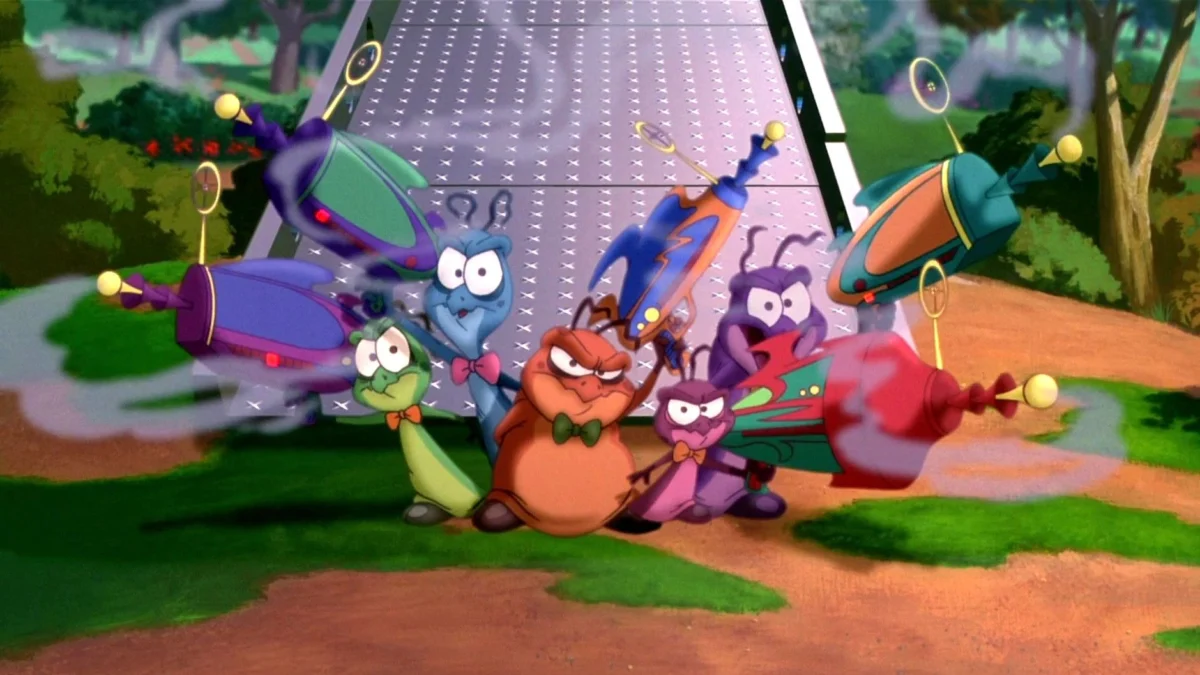
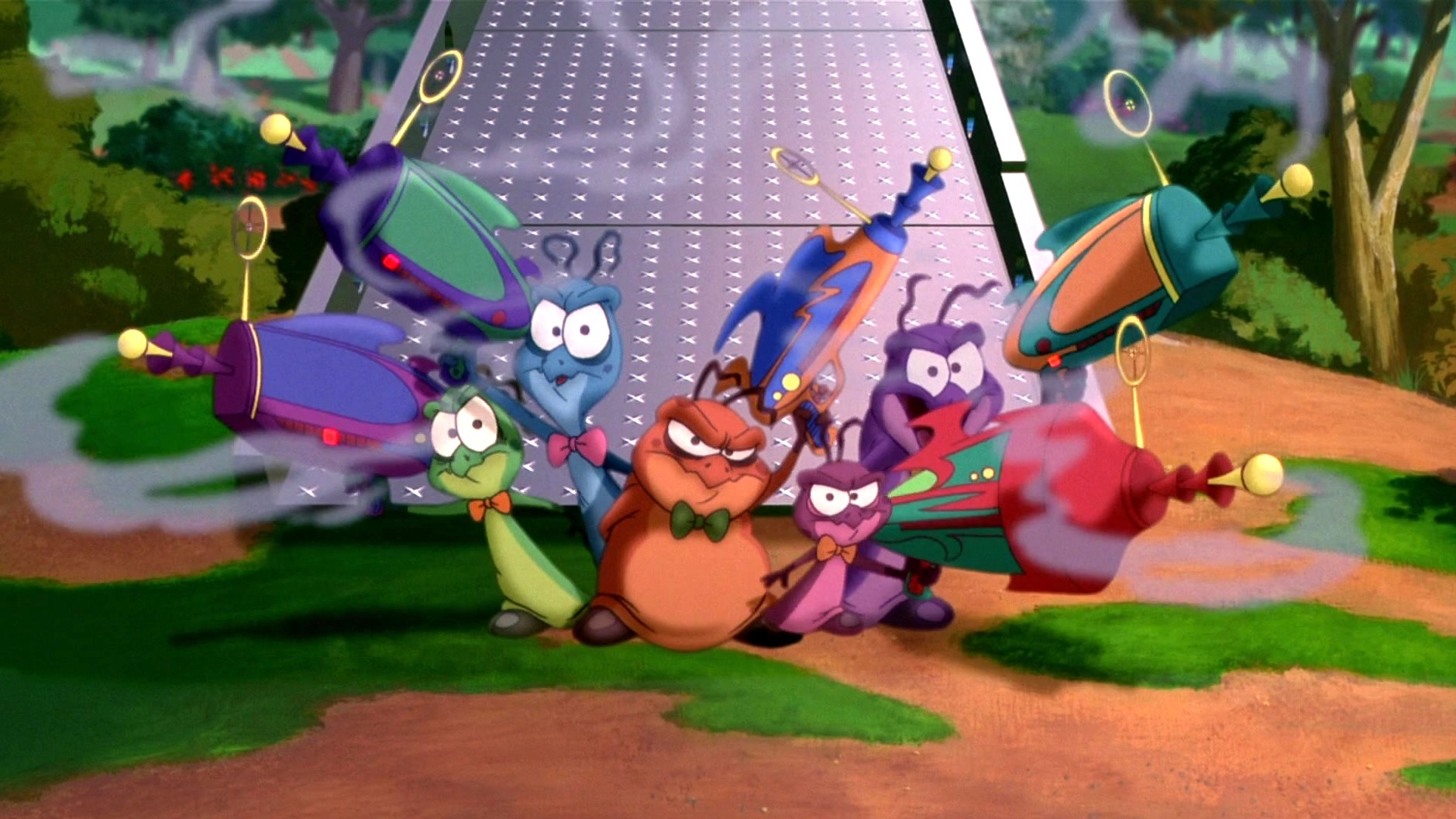
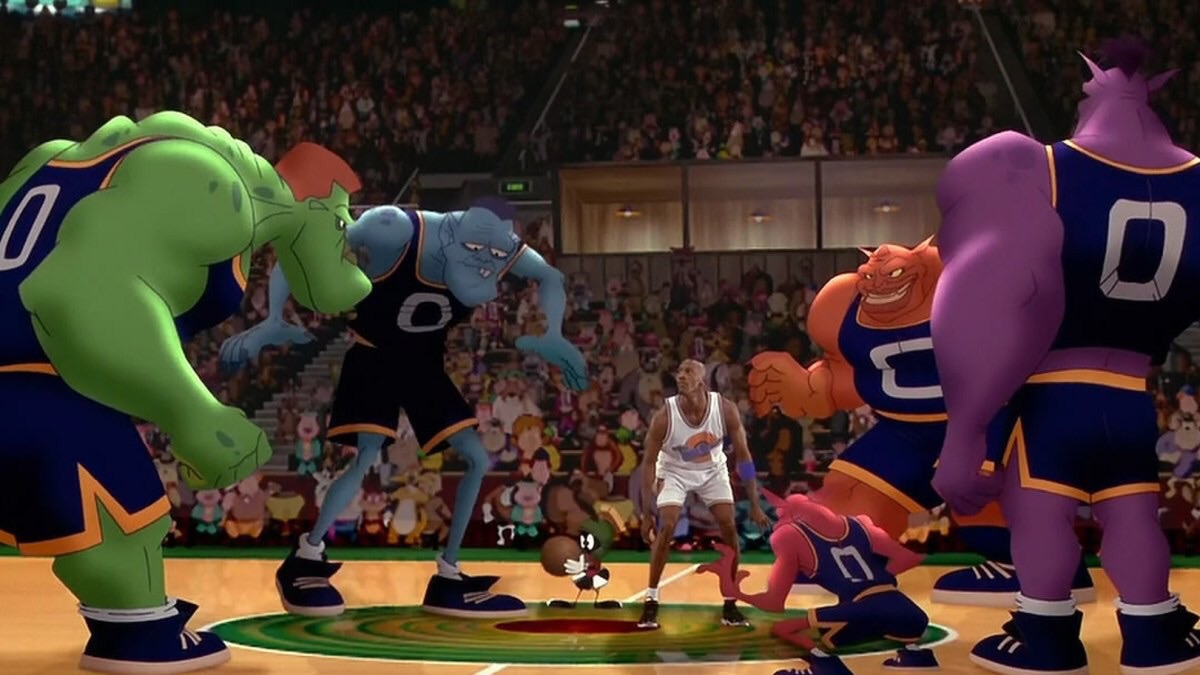
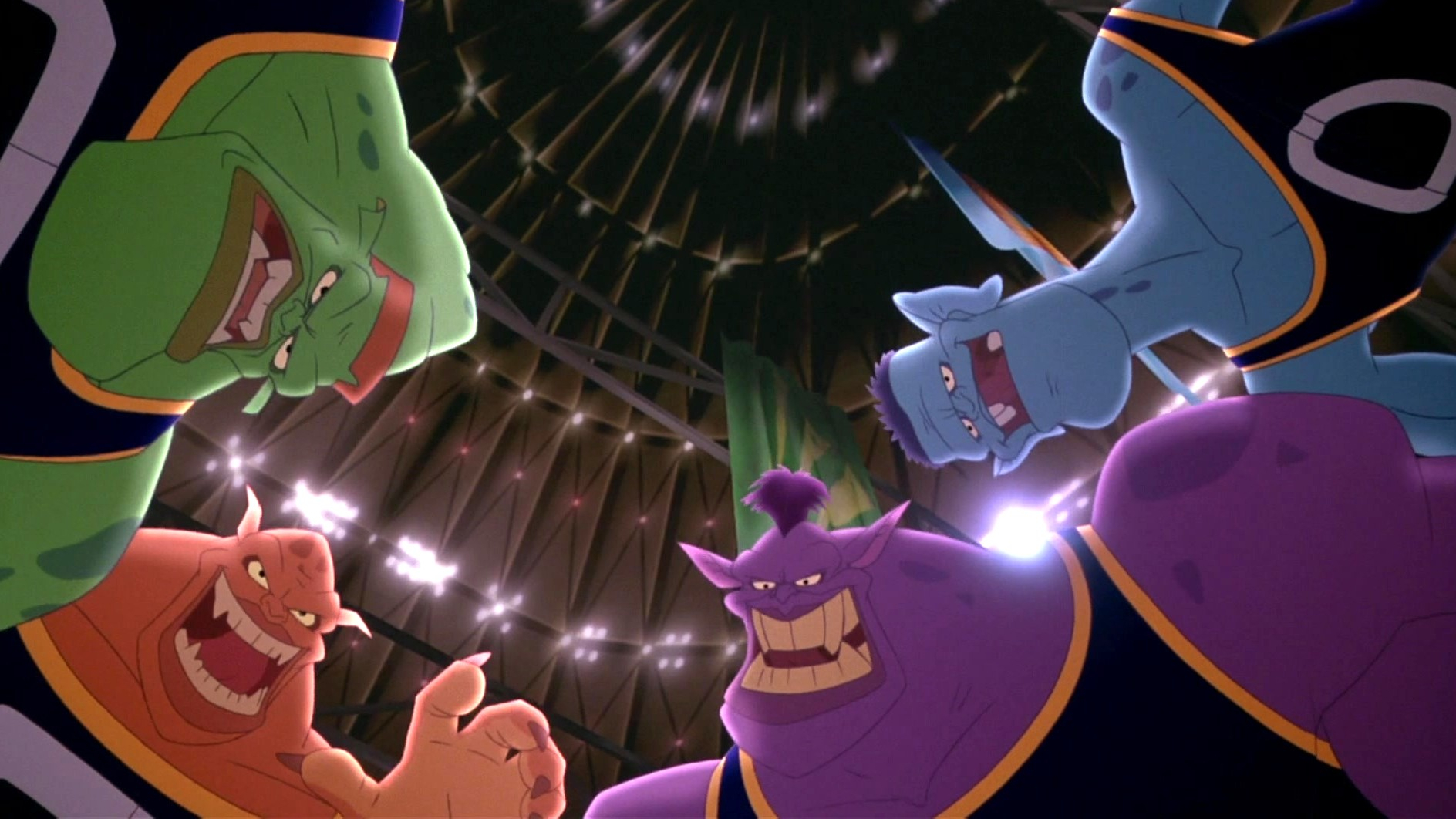
The antagonists, known as the Nerdlucks, are portrayed as corporate-minded subordinates to the amusement park owner Mr. Swackhammer. The film utilizes the "talent theft" narrative device, where the aliens absorb the abilities of NBA stars such as Charles Barkley, Patrick Ewing, Muggsy Bogues, Larry Johnson, and Shawn Bradley. This served to ground the cartoon premise in the reality of the 1990s NBA, creating a high-stakes scenario that required the intervention of a "superhero" archetype—Michael Jordan.
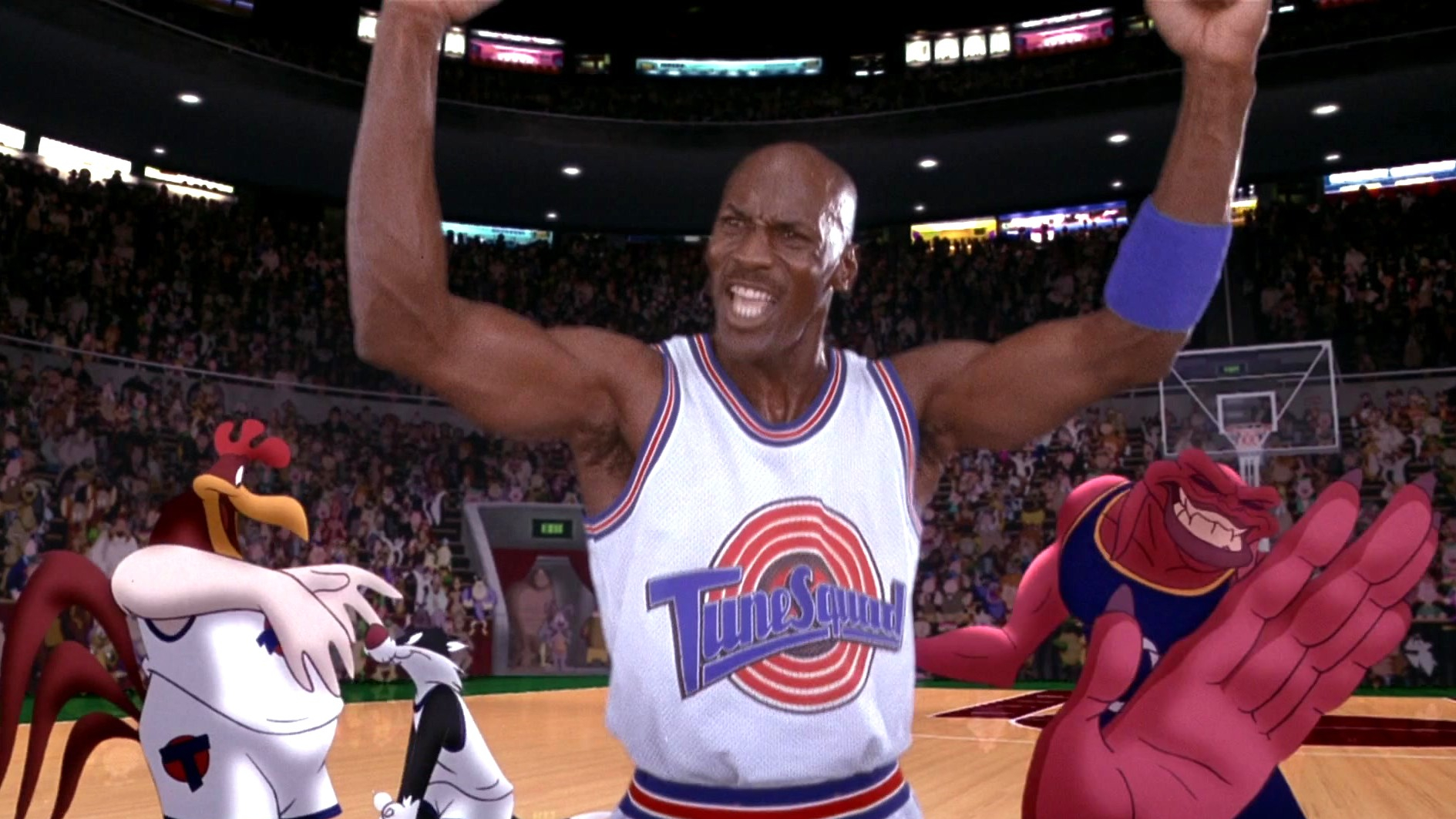
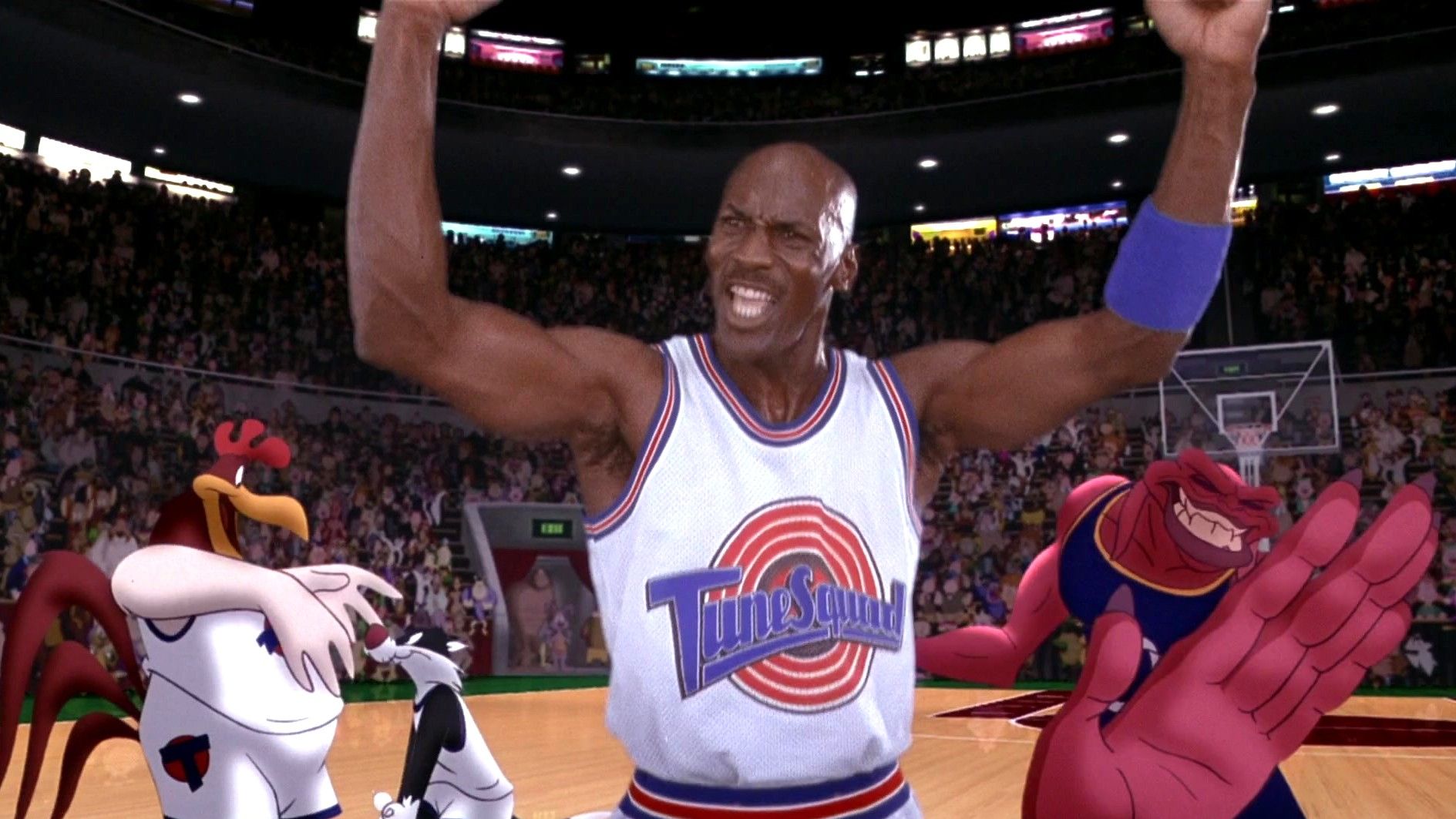
Technically, the film was a significant undertaking for the time. It required the seamless integration of traditional hand-drawn animation with live-action performances, a process that necessitated Jordan to act against green-screen placeholders and animated sketches. The production team, led by Pytka, maintained a rigorous schedule to ensure that the synchronization between the animated characters and the live-action environment remained consistent, a task that set industry standards for future hybrid films.
Economic Impact and Market Performance
Space Jam was a significant financial success, grossing approximately $230 million worldwide against a production budget of roughly $80 million. Its performance reinforced the viability of intellectual property (IP) crossovers, a strategy that would eventually become the cornerstone of modern Hollywood filmmaking.
Beyond the box office, the film generated hundreds of millions of dollars in ancillary revenue through merchandising, home video sales, and soundtrack licensing. The "Tune Squad" branding became a permanent fixture in retail, and the film is often cited by analysts as a masterclass in cross-promotional synergy. The film proved that a feature project could function simultaneously as a cinematic narrative and an effective advertisement for the NBA and the Warner Bros. animation catalog.
A Comparative Analysis of Conflict Resolution
The structural approach to the conflict in Space Jam differs significantly from other science-fiction films of the era. Where many films of the mid-90s relied on the "us versus them" binary, often culminating in the total destruction of the extraterrestrial threat, Space Jam proposed a path of competition followed by integration.
In the film’s climax, the Monstars (the evolved form of the Nerdlucks) are defeated, yet the narrative does not seek their annihilation. Instead, through the influence of the Looney Tunes and the leadership of Jordan, the antagonists are liberated from their oppressive employer, Mr. Swackhammer. This resolution reflects a departure from the traditional "conquer or be conquered" trope, favoring a message of individual agency and sportsmanship.
From a sociological perspective, this reflected a shifting sentiment in mid-90s family entertainment, which began to favor narratives of reconciliation and teamwork over the overt violence that characterized earlier sci-fi cinema like Rollerball (1975).
Historical Significance and Critical Reception
At the time of its release, critics were divided on the film’s artistic merits. While the technical achievements were praised, some reviewers felt the script was overly beholden to its marketing obligations. However, over the subsequent 30 years, the film has undergone a critical reappraisal. It is now viewed as a time capsule of 1990s aesthetics, music, and the singular cultural gravity of Michael Jordan.
The film’s legacy is further highlighted by the stark contrast observed during the release of its 2021 sequel, Space Jam: A New Legacy. The reception of the sequel underscored the specific, unreplicable conditions that made the original a success—namely the unique intersection of Jordan’s mid-career transition and the pre-digital ubiquity of the Looney Tunes. The original film benefited from a specific era where celebrity branding and animation reached a perfect equilibrium, a factor that many critics noted was missing in later attempts to revive the franchise.
Implications for Modern Entertainment
The enduring appeal of the 1996 film offers several lessons for the contemporary entertainment landscape. First, the importance of "committing to the bit." As noted by director Joe Pytka, the success of the film relied heavily on Jordan’s professionalism and the cast’s ability to treat the absurd premise with sincerity. Second, the effectiveness of using sports as a universal language in storytelling; because the rules of basketball are clearly defined, the audience never struggled to understand the stakes, regardless of the fantastical elements involved.
Furthermore, Space Jam stands as a testament to the value of branding consistency. By leveraging the existing equity of the Looney Tunes—characters that had been established for decades—the film was able to anchor its more experimental elements in familiar territory. This strategy remains a blueprint for modern studio operations, where legacy IP is frequently used to launch high-concept projects.
Conclusion
As of the current decade, Space Jam remains a primary reference point for hybrid cinema. Its presence on streaming platforms continues to garner viewership from new generations, effectively keeping the 1990s cultural zeitgeist alive. Whether analyzed as a piece of sports history, a milestone in animation technology, or a study in successful corporate branding, the film occupies a secure position in the history of American popular culture.
The story of the Tune Squad and the Monstars, settled on the hardwood of a fictional arena, serves as a permanent reminder of the power of imaginative storytelling to transcend boundaries, be they intergalactic or merely the constraints of genre. For audiences looking back at the era, the film remains a quintessential example of how the strangest ideas, when executed with complete commitment, can resonate for decades to come.