
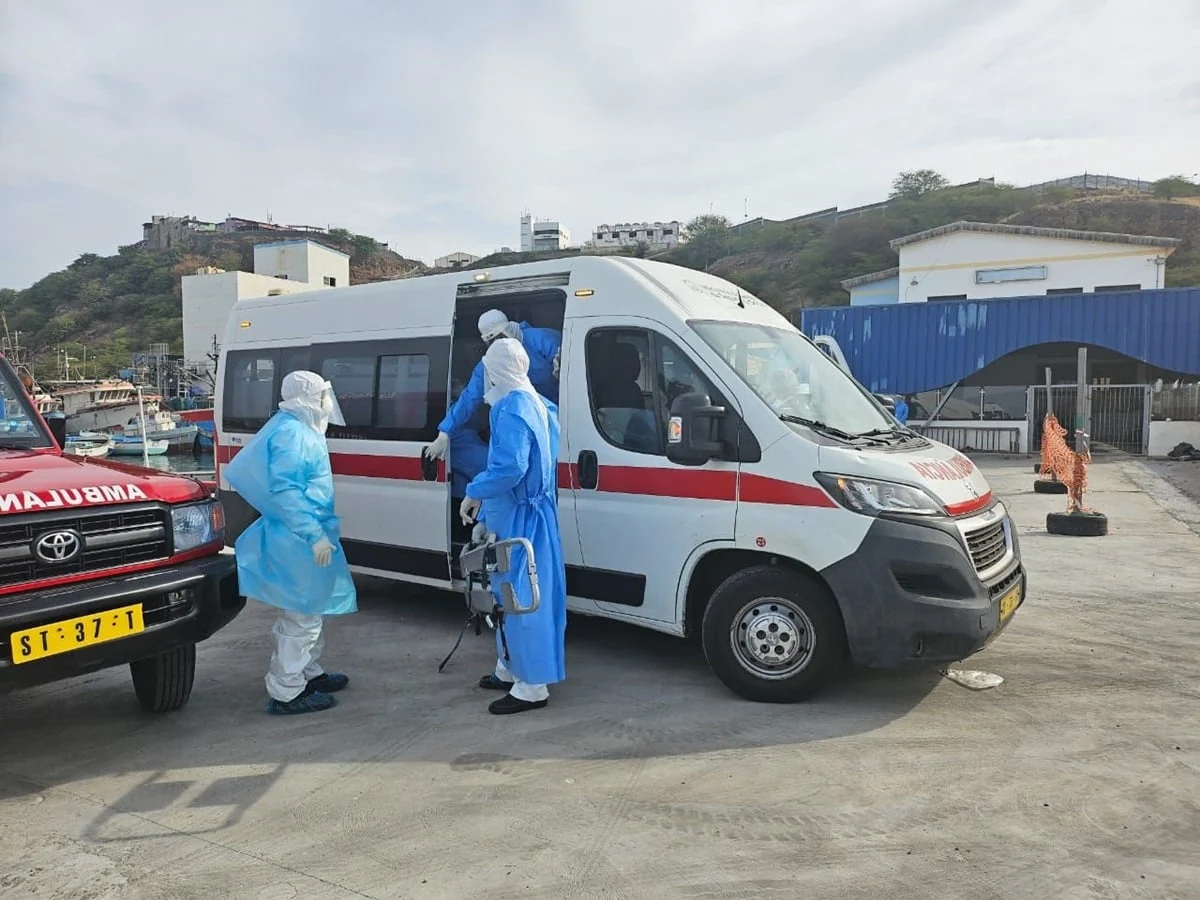
The World Health Organization (WHO) has initiated a coordinated international response to a cluster of hantavirus cases, including fatalities, detected among passengers and crew aboard the cruise ship MV Hondius. Director-General Dr. Tedros Adhanom Ghebreyesus provided an update on the unfolding situation, emphasizing the global effort to contain the outbreak and protect public health. The incident underscores the critical role of international health regulations in managing cross-border health threats.
Initial Outbreak and WHO Notification
The alarm was raised on Saturday, May 2, 2026, when the WHO was officially notified of a concerning number of hantavirus cases linked to the MV Hondius. Preliminary reports indicated a total of eight cases, with three resulting in fatalities. Of these eight, five have been definitively confirmed as hantavirus infections. The specific strain identified is the Andes virus, a particularly noteworthy variant due to its capacity for limited human-to-human transmission, typically occurring through close and prolonged contact. This characteristic elevates the concern compared to other hantaviruses that primarily spread through rodent vectors.
Dr. Tedros, in his briefing, characterized the situation as "serious" but maintained that the WHO’s assessment of the overall public health risk remains "low." However, he cautioned that the incubation period of hantavirus means that additional cases may still emerge as individuals who were exposed develop symptoms. This acknowledgment highlights the dynamic nature of infectious disease outbreaks and the need for ongoing vigilance.
Chronology of the Event and WHO’s Actions
The timeline of the WHO’s involvement began immediately upon notification on May 2, 2026. Recognizing the potential for wider implications, the organization swiftly moved to implement a multi-faceted response strategy.
- May 2, 2026: WHO receives notification of the hantavirus cluster on the MV Hondius.
- Immediate Actions: The WHO began coordinating with relevant national health authorities and initiating communication channels under the framework of the International Health Regulations (IHR).
- Expert Deployment: A critical step taken by the WHO was the deployment of a specialized expert directly onto the MV Hondius. This expert’s mandate is to conduct a comprehensive medical assessment of all passengers and crew members onboard. The goal is to gather vital epidemiological data, identify potential additional infections, and evaluate the overall risk profile of individuals on the ship. This hands-on approach is crucial for understanding the localized transmission dynamics.
- Diagnostic Support: To bolster testing capabilities across multiple nations, the WHO has facilitated the shipment of 2,500 diagnostic kits. These kits are being distributed to laboratories in five countries, significantly enhancing their capacity to accurately detect and confirm hantavirus infections. This proactive measure is essential for rapid diagnosis and appropriate patient management.
- Operational Guidance Development: Recognizing the complex logistical and ethical considerations involved in managing a health crisis on a cruise ship, the WHO is actively developing detailed, step-by-step operational guidance. This guidance will focus on ensuring the safe and respectful disembarkation and onward travel arrangements for passengers and crew once they reach their destinations. This includes protocols for health screening, isolation, and tracing, aiming to prevent further spread of the virus into communities.
Understanding Hantavirus and the Andes Virus
Hantaviruses are a family of viruses carried by rodents. While many hantaviruses are transmitted to humans through contact with rodent urine, feces, or saliva, the Andes virus presents a unique concern. It is one of the few known hantavirus species capable of limited human-to-human transmission. This zoonotic disease is endemic in various parts of the Americas, with outbreaks often linked to environmental factors that bring humans into closer contact with infected rodents.
The Andes virus, specifically, has been associated with outbreaks in South America, particularly in Argentina and Chile. Its ability to spread directly between people, though limited, necessitates a higher degree of caution and more stringent public health measures compared to rodent-borne hantaviruses. Transmission typically occurs through close, prolonged contact with an infected person, often involving respiratory secretions or direct contact with bodily fluids. This aspect of the outbreak is a key focus for the WHO’s containment strategy.
International Health Regulations: A Framework for Global Health Security
The current hantavirus outbreak on the MV Hondius serves as a potent illustration of the importance and operationalization of the International Health Regulations (IHR). The IHR, adopted by WHO Member States, provide a legally binding framework that defines the rights and responsibilities of countries and the WHO in responding to public health events that have the potential to cross international borders.
These regulations mandate that countries report certain public health events to the WHO, fostering transparency and enabling a coordinated global response. The rapid notification and subsequent actions taken by the WHO demonstrate the IHR’s efficacy in facilitating early detection, risk assessment, and the mobilization of international resources. Dr. Tedros explicitly highlighted this, stating, "This event demonstrates why the IHR exist, demonstrating the importance of global cooperation and solidarity in responding to health threats that know no borders." The MV Hondius incident underscores the interconnectedness of global health security and the necessity of robust international cooperation.
Priorities and Risk Mitigation
The WHO’s immediate priorities in addressing the hantavirus cluster are clearly defined:
- Patient Care: Ensuring that affected patients receive the highest standard of medical care is paramount. This includes access to appropriate treatment and supportive care to improve outcomes and potentially reduce mortality.
- Passenger and Crew Safety: The well-being of the remaining passengers and crew on the MV Hondius is a critical concern. Measures are being implemented to monitor their health, provide necessary support, and ensure they are treated with dignity throughout the process. This includes addressing both their physical and psychological health needs.
- Preventing Further Spread: The overarching objective is to prevent any further transmission of the Andes virus, both within the ship’s population and into the communities they will eventually disembark into. This involves rigorous contact tracing, isolation protocols, and public health messaging.
Broader Implications and Future Preparedness
The hantavirus outbreak on the MV Hondius, while currently assessed as a low public health risk by the WHO, carries broader implications for global health preparedness. Cruise ships, by their nature, are mobile and contain a concentrated population, making them potential sites for the rapid spread of infectious diseases. This incident highlights the need for:
- Enhanced Surveillance: Continuous improvement in disease surveillance systems, both at sea and on land, is crucial for early detection of emerging health threats.
- Cruise Industry Preparedness: Robust health protocols and contingency plans are essential for the cruise industry to effectively manage infectious disease outbreaks, including rapid response mechanisms, onboard medical capabilities, and clear communication channels with public health authorities.
- International Collaboration: The successful management of such events relies heavily on seamless collaboration between national governments, international organizations like the WHO, and private entities such as cruise lines.
- Public Communication: Transparent and accurate communication is vital to managing public perception, allaying fears, and ensuring compliance with public health directives.
The WHO’s commitment to providing detailed operational guidance for disembarkation and onward travel suggests a proactive approach to mitigating risks associated with passengers returning to their home countries. This may involve recommendations for post-disembarkation health monitoring and, if necessary, quarantine measures.
The organization’s commitment to transparency is further evidenced by the provision of a link to the full press conference, allowing for greater public access to the details of the WHO’s response and assessment. As the situation evolves, ongoing monitoring and adaptation of response strategies will be critical to safeguarding public health on a global scale. The lessons learned from this incident will undoubtedly inform future preparedness and response efforts for similar cross-border health challenges.










Leave a Reply