
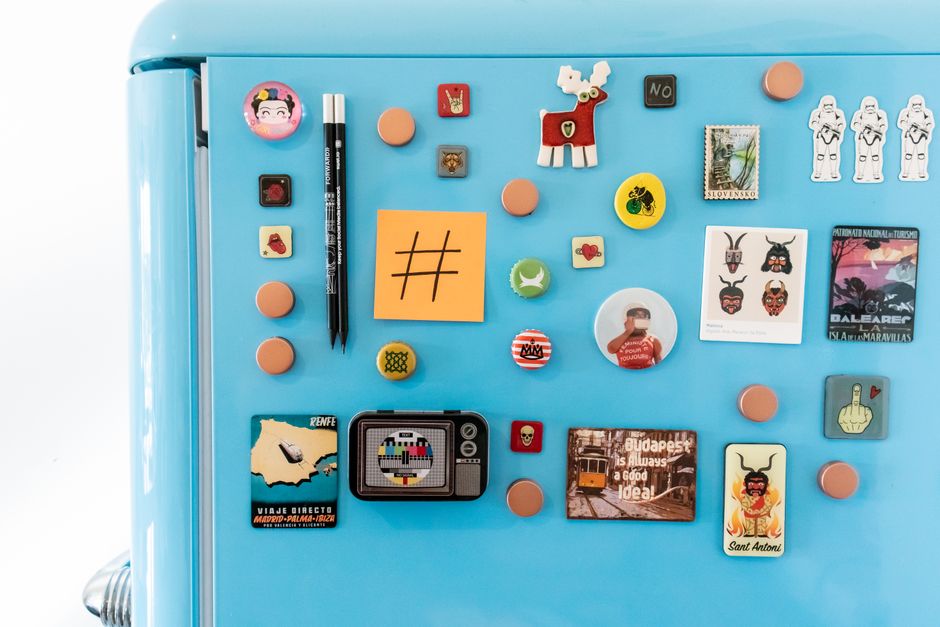
The Magnetic Fridge: An Exploration of Adhesion, Aesthetics, and the Accumulation of Refrigerator Art
The refrigerator, a utilitarian appliance at its core, serves as a central hub in many kitchens. Beyond its primary function of food preservation, it has evolved into a dynamic canvas, a perpetually updated bulletin board, and a silent testament to the lives and personalities of its occupants. At the heart of this transformation lies the humble magnet. Refrigerator magnets are far more than mere adhesive novelties; they are miniaturized collectors of memories, functional tools, and significant contributors to the visual landscape of a domestic space. This article delves into the multifaceted world of refrigerator magnets, exploring their adhesive properties, their role in personal and decorative expression, and the sheer phenomenon of their accumulation.
The adhesive principle behind refrigerator magnets is remarkably straightforward yet profoundly effective. The majority of refrigerator magnets utilize ferrous metals embedded within their decorative casings. Ferrous metals, such as iron, nickel, and cobalt, possess a strong inherent magnetism, or are readily attracted to magnetic fields. Refrigerators, by design, typically feature doors constructed from steel, a ferrous alloy. This inherent metallic property of refrigerator doors creates a perfect symbiotic relationship with magnets. The magnetic field emanating from the embedded ferrous material in the magnet interacts with the magnetic domains within the steel of the refrigerator door. This interaction generates a force of attraction, known as magnetic force, which is strong enough to overcome the weight of the magnet and any attached paper or thin object, thereby adhering it securely to the surface. The strength of this magnetic force varies depending on several factors, including the type and quantity of magnetic material used in the magnet, the thickness and composition of the refrigerator door, and the surface area of contact. Stronger magnets, often incorporating rare-earth magnets like neodymium, can hold significant weight, making them suitable for displaying heavier items like framed photographs or even small tools. Conversely, decorative magnets, often made with weaker ferrite magnets, are primarily designed for aesthetic purposes, providing enough adhesion to hold paper items like shopping lists or children’s artwork.
The refrigerator, often positioned in a high-traffic area of the home, naturally becomes a focal point for communication and personalization. Magnets serve as the primary mechanism for this transformation. They act as an accessible and easily interchangeable system for displaying a wide array of items. From practical reminders to cherished mementos, the refrigerator door becomes a curated gallery of the household’s current preoccupations and past experiences. Shopping lists, appointment reminders, school notices, and emergency contact information are routinely affixed via magnets, transforming the refrigerator into a functional family command center. This practical application is invaluable for busy households, ensuring that essential information is visible and readily accessible to all members. The ease with which magnets can be added, removed, and rearranged contributes to their enduring popularity as organizational tools. Unlike static displays, a magnetic surface allows for dynamic updates, reflecting the ever-changing flow of daily life.
Beyond their utilitarian purpose, refrigerator magnets are powerful conduits of personal expression and aesthetic curation. They offer a low-commitment, high-impact way to imbue a standard appliance with personality and style. The sheer diversity of refrigerator magnets available is astounding, catering to every conceivable taste and interest. These range from kitschy souvenir magnets collected during travels, each representing a specific city or landmark, to intricate artisanal creations showcasing unique artistic designs. Educational magnets, often featuring letters, numbers, or scientific diagrams, can transform the refrigerator into a learning tool for young children, fostering early literacy and numeracy skills. Sports team logos, band memorabilia, and characters from popular culture adorn refrigerator doors, signaling affiliations and passions. Even simple geometric patterns or vibrant colors can contribute to the overall aesthetic of the kitchen, turning a mundane appliance into a visually engaging element of the home’s décor. The arrangement of these magnets can also be a deliberate act of design, with individuals creating patterns, collages, or thematic displays.
The phenomenon of refrigerator magnet accumulation is a common occurrence in many households. What begins with a single souvenir magnet often blossoms into a densely populated surface over time. This accumulation is driven by a confluence of factors. Firstly, the ease of acquisition is a significant contributor. Magnets are readily available at gift shops, tourist attractions, craft fairs, and even online retailers, making them impulse purchases or easy add-ons to other transactions. Secondly, each magnet often carries a narrative or a memory. A magnet from a vacation evokes recollections of specific experiences, people met, and sights seen. A magnet depicting a child’s drawing represents a proud parental moment and a tangible piece of early childhood development. These objects, though small, serve as anchors to personal history and emotional connections. The act of collecting itself can also be a motivating factor for some individuals, akin to stamp collecting or coin collecting, where the pursuit of rare or unique items brings satisfaction.
Furthermore, the refrigerator door’s magnetic surface provides an ideal, readily accessible display space. Unlike walls, which may require drilling or adhesive hooks, the magnetic surface requires no permanent alterations. This low barrier to entry encourages the continuous addition of new items. As families grow and their interests evolve, so too does the collection of magnets. New experiences, new affiliations, and new artistic discoveries are all reflected on the refrigerator door. This continuous layering of magnets can create a fascinating visual history of a household, a tangible timeline of its journey. The density of magnets can sometimes become so pronounced that the original refrigerator surface is almost entirely obscured, creating a textured, multi-layered collage. This density itself can become a statement, a declaration of a life lived fully, with countless experiences and connections worth commemorating.
The choice of magnets can also reflect deliberate aesthetic choices. Some individuals prefer a minimalist approach, displaying only a few carefully selected magnets that align with a particular color scheme or design aesthetic. Others embrace a maximalist approach, covering nearly every inch of the refrigerator door with a vibrant and eclectic mix of items. This personal curation allows individuals to express their creativity and to personalize their living spaces in a highly visible and accessible way. The refrigerator, in this context, transcends its appliance status to become a dynamic work of art, a constantly evolving reflection of its inhabitants.
The adhesive properties of magnets are also subject to the laws of physics and material science. The magnetic force exerted by a magnet is not static. It can be influenced by temperature, with extreme heat potentially weakening the magnetic field of certain types of magnets. The presence of other magnetic materials or strong electromagnetic fields in close proximity can also affect a magnet’s performance. Over time, the magnetic strength of some magnets may naturally diminish, particularly with prolonged exposure to unfavorable conditions or through physical degradation of the magnetic material itself. However, for typical household use, refrigerator magnets are designed for durability and longevity, often lasting for many years without significant loss of adhesive power.
The cultural significance of refrigerator magnets should not be underestimated. They are a ubiquitous element of domestic life across many cultures, a shared experience that transcends generational and geographical boundaries. The act of gifting a refrigerator magnet is a common gesture of remembrance or a simple way to share a piece of one’s travels with loved ones. They are a tangible representation of connection, a small reminder of distant places and the people who inhabit them. In essence, the refrigerator magnet, in its unassuming simplicity, has become a potent symbol of home, memory, and personal identity. The magnetic fridge is not merely a kitchen appliance; it is a living document, a testament to the accumulated moments, practical needs, and aesthetic desires that shape the narrative of a household. The exploration of these magnetic adherents reveals a fascinating interplay of physics, art, culture, and the enduring human impulse to collect, display, and remember.





Leave a Reply