
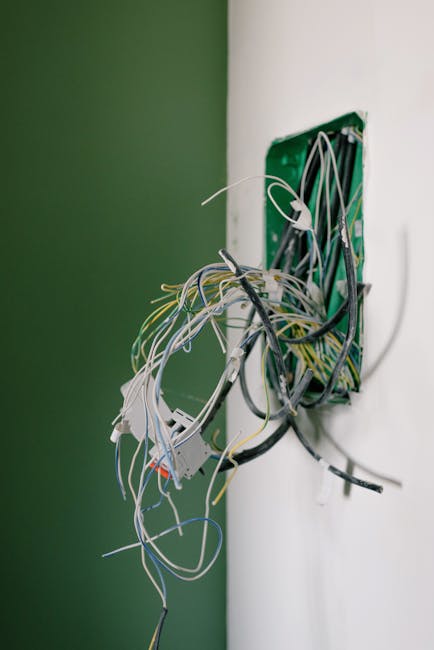
The Unseen Struggle: Navigating the Complex Landscape of Smart Home Automation
The promise of the smart home is one of seamless convenience, effortless control, and an enhanced living experience. Devices that anticipate our needs, adjust our environments, and simplify daily routines paint a compelling picture. Yet, beneath this glossy veneer of futuristic living lies a burgeoning reality: the smart home automation mess. This isn’t a collection of minor glitches or occasional annoyances; it’s a systemic issue arising from rapid technological evolution, conflicting standards, fragmented ecosystems, and a fundamental disconnect between the consumer experience and the underlying complexity. For millions of homeowners, the dream of an intelligent dwelling has devolved into a frustrating labyrinth of incompatible devices, unreliable connections, and an overwhelming learning curve. Understanding the roots and ramifications of this mess is crucial for both consumers seeking to make informed decisions and manufacturers striving to build truly usable smart homes.
At the core of the smart home automation mess is the bewildering proliferation of devices and platforms. When the smart home concept was nascent, it was relatively manageable. A few smart bulbs, a thermostat, maybe a smart speaker. Now, the market is saturated with everything from smart refrigerators and ovens to robotic lawnmowers and sophisticated security systems. Each of these devices, however, often operates within its own proprietary ecosystem. Companies, keen to lock consumers into their brand, develop closed systems that communicate primarily, if not exclusively, with their own hardware and software. This leads to a fragmented landscape where a user might have Philips Hue smart bulbs, a Nest thermostat, an Amazon Echo smart speaker, and a Ring security camera, each requiring its own app and often struggling to communicate with the others. The aspiration of a unified, intuitive control interface dissolves, replaced by a constellation of individual apps, each with its own learning curve and set of functionalities. This lack of interoperability is a primary driver of user frustration, transforming what should be simple tasks into multi-step processes that undermine the very purpose of automation.
The absence of truly universal communication standards further exacerbates this fragmentation. While initiatives like Matter aim to address this, their widespread adoption and complete resolution of interoperability issues remain a work in progress. Until recently, consumers were largely beholden to protocols like Wi-Fi, Bluetooth, and proprietary radio frequencies, each with its own limitations and compatibility challenges. Wi-Fi, while ubiquitous, can become congested with a multitude of devices, leading to dropped connections and sluggish responses. Bluetooth has a limited range. Zigbee and Z-Wave, designed specifically for smart homes, require dedicated hubs, adding another layer of complexity and potential failure points. The introduction of Matter, backed by major industry players, promises a more unified future, but the transition period is inherently messy. Existing devices may not be compatible with Matter without firmware updates, and even then, full functionality across all device types and brands isn’t guaranteed immediately. This ongoing evolution of standards means that consumers are often caught in a state of flux, investing in technologies that may become obsolete or difficult to integrate with future purchases. The promise of a future-proof smart home remains largely unfulfilled, with constant upgrade cycles and compatibility headaches becoming the norm.
Beyond hardware and software compatibility, the user experience (UX) of smart home devices is often a significant pain point, contributing to the overall automation mess. Manufacturers, often prioritizing technological innovation over intuitive design, frequently release products with complex setup processes and unintuitive interfaces. The initial pairing of a device, which should be a straightforward process, can involve multiple steps, troubleshooting of network settings, and the creation of numerous accounts. Once set up, controlling devices through their respective apps can be confusing. Settings are buried, options are not clearly labeled, and the logic behind certain features can be opaque. This is particularly problematic for less tech-savvy users, who may find themselves intimidated and overwhelmed by the complexity. The promise of voice control, a cornerstone of smart home convenience, also falls short when devices don’t respond reliably or understand commands consistently. A simple request to turn on the lights can sometimes result in a cascade of unrelated actions or a frustrating "I don’t understand" response, negating the intended ease of use. This disconnect between the advertised simplicity and the actual user experience is a major contributor to the feeling of a "mess."
The security and privacy implications of a connected home also contribute to the broader smart home automation mess. As more devices gain access to personal information and become integrated into our daily lives, the potential for breaches and misuse increases. Many smart home devices, particularly those from less reputable manufacturers, may have weak security protocols, making them vulnerable to hacking. A compromised smart lock could grant unauthorized access to a home, while a hacked smart camera could provide a window into private lives. Furthermore, the vast amounts of data collected by smart home devices raise significant privacy concerns. Usage patterns, schedules, and even conversations can be monitored and stored, often with unclear policies on how this data is used or shared. Consumers are faced with a difficult trade-off: the convenience of smart technology versus the potential erosion of their privacy and security. The lack of transparent security practices and the inherent vulnerabilities in many connected devices create a climate of distrust and add another layer of anxiety to the smart home experience, contributing to the overall "mess" by introducing significant risks alongside the promised benefits.
The sheer cost of building a truly integrated and functional smart home also presents a barrier and contributes to the sense of a messy, unachievable ideal for many. While individual smart devices have become more affordable, outfitting an entire home with a comprehensive suite of interconnected and reliable gadgets can quickly become an expensive endeavor. The need for multiple hubs, specialized sensors, and devices from different manufacturers to achieve desired functionalities can inflate the overall cost significantly. Furthermore, the rapid pace of technological advancement means that devices can become outdated or unsupported relatively quickly, necessitating frequent upgrades and replacements. This creates a cycle of ongoing investment, making the dream of a smart home a costly and potentially unsustainable one for many consumers. The perception that a fully realized smart home requires a substantial financial commitment, coupled with the ongoing expense of maintenance and upgrades, adds to the frustration and can make the entire endeavor feel like an insurmountable "mess."
The lack of standardized and effective troubleshooting mechanisms further compounds the smart home automation mess. When devices fail to connect, respond erratically, or exhibit unexpected behavior, users are often left to their own devices to diagnose and resolve the issues. Support resources can be scattered, inconsistent, and unhelpful. Online forums are filled with users sharing similar problems with no definitive solutions, and manufacturer support lines can be overwhelmed or provide generic, often ineffective, advice. The complexity of interconnected systems means that a problem with one device can often cascade and affect others, making it difficult to isolate the root cause. This lack of robust, user-friendly troubleshooting exacerbates the frustration and contributes to the perception that the smart home is an inherently unreliable and messy technology. The time and effort required to resolve even minor issues can outweigh the perceived benefits of automation.
Looking ahead, the smart home automation mess is unlikely to disappear overnight. However, there are clear pathways towards a more streamlined and user-friendly future. The continued development and widespread adoption of universal standards like Matter are paramount. When all devices speak a common language, the interoperability issues that plague current systems will significantly diminish. Manufacturers will need to shift their focus from proprietary ecosystems to open, collaborative platforms. Furthermore, a greater emphasis on user-centric design is essential. This means simplifying setup processes, creating intuitive and consistent interfaces across all devices and platforms, and providing accessible and effective troubleshooting support. Companies must prioritize the end-user experience over the mere accumulation of features. Investing in robust security and transparent privacy policies will also be crucial for building consumer trust and mitigating the risks associated with connected homes. Education and clear communication about the capabilities, limitations, and security aspects of smart home technology are also vital. Ultimately, transforming the smart home automation mess into a seamless and beneficial reality requires a concerted effort from industry stakeholders to prioritize interoperability, user experience, and security, moving beyond the current fragmented and often frustrating landscape.





Leave a Reply