
The recently concluded IFA Berlin 2026, held at the Messe Berlin exhibition grounds, served as a definitive barometer for the state of the global consumer electronics industry. While the event has historically been a venue for showcasing breakthrough gadgets and media technology, this year’s iteration underscored a significant shift in corporate strategy: sustainability has transitioned from a marketing buzzword into a foundational requirement for product development. As the event concluded earlier this week, the prevailing theme across the sprawling halls was not merely the introduction of new hardware, but the implementation of diverse, systemic approaches to resource efficiency, circular economy integration, and decarbonized manufacturing.

The history of IFA, dating back to its inception in 1924 as the Internationale Funkausstellung, reflects the evolution of modern consumer needs. Initially focused on radio and telecommunications, the trade show has adapted through the decades to reflect the digitalization of the home. In 2026, the focus on "Innovation For All" took on a distinctly environmental character, with exhibitors ranging from global conglomerates to specialized regional manufacturers prioritizing the transition to net-zero operations.
The Normalization of Sustainable Standards
A notable takeaway from the 2026 exhibition was the ubiquity of technologies that were previously considered niche or "premium" sustainability features. In the European market, heat pumps, which were once the subject of intense consumer education campaigns, have become the standard for climate control. Similarly, induction cooking technology—valued for its high energy-transfer efficiency compared to gas or resistive electric elements—now significantly outnumbers traditional alternatives on the showroom floor.

Industry analysts at the event observed that energy efficiency is no longer a differentiator used to justify higher price points; it is now an expectation set by both stringent European Union regulatory frameworks and consumer demand. As the EU continues to tighten its Ecodesign for Sustainable Products Regulation (ESPR), manufacturers are compelled to design appliances that are not only energy-efficient during operation but also reparable and recyclable at the end of their lifecycle.
Decarbonizing the Appliance Value Chain
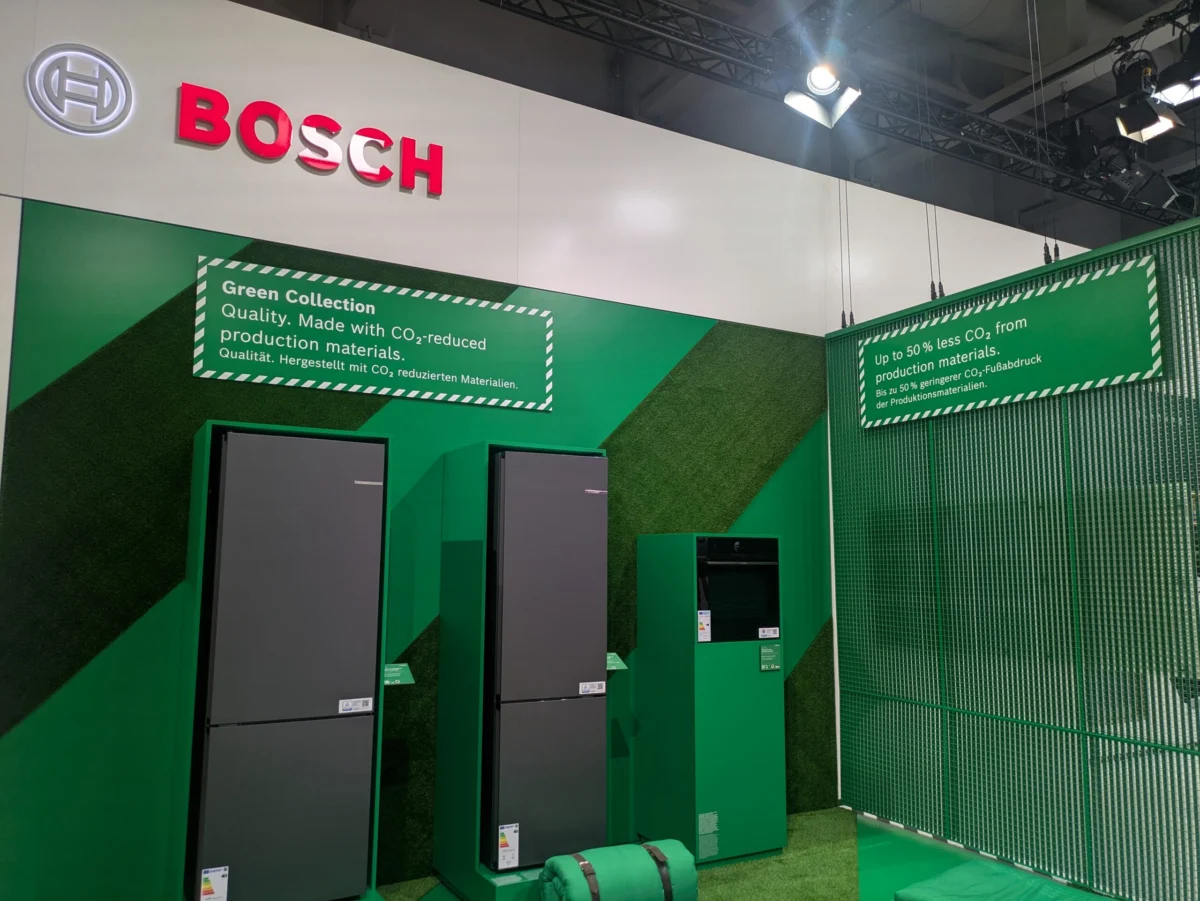
Bosch, a long-standing titan in the appliance sector, utilized the platform to emphasize its "Green Collection." A core component of this strategy involves reducing the embodied carbon in manufacturing. By focusing on the material composition of large appliances—which are traditionally resource-intensive—Bosch has managed to achieve a reduction of up to 50% in CO2 emissions related to production materials. This shift highlights a critical evolution in the industry: moving beyond "operational efficiency" (how much electricity a fridge uses) toward "embodied efficiency" (the environmental cost of the steel, plastics, and electronics used to build it).

Gorenje, the Slovenian-based manufacturer now integrated into the Hisense Group, provided a case study in large-scale sustainable manufacturing. As one of the largest appliance producers in Europe, Gorenje’s presence at IFA underscored the importance of regional supply chains. Their approach encompasses the entire product lifecycle, from the sourcing of raw materials to the efficiency of the manufacturing process in their Slovenian facilities. During discussions at the event, Gorenje representatives emphasized that the path to sustainability often relies on optimizing electrified performance—specifically focusing on high-output induction cooktops and electric-powered cooking solutions that eliminate the need for fossil fuel combustion in the kitchen.
The Refrigerant Transition and HVAC Innovation
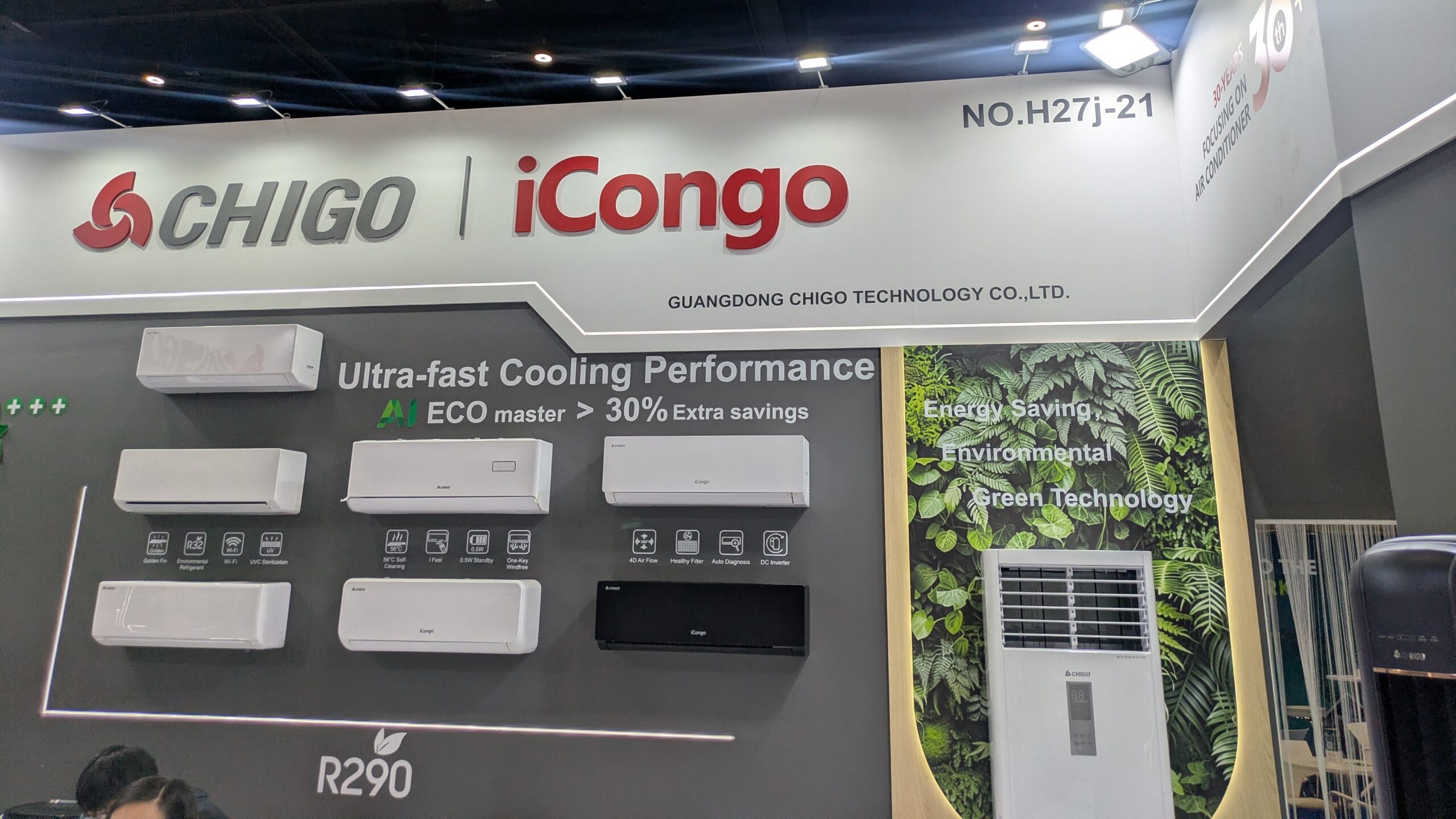
Perhaps the most striking technical shift observed at IFA 2026 was the rapid industry-wide pivot toward R290 (propane) as a refrigerant for heat pumps and air conditioning units. Traditional synthetic refrigerants, such as HFCs, possess high Global Warming Potential (GWP), making them significant contributors to climate change if leaked.

Midea and Chigo were among the primary manufacturers highlighting the transition to R290. This move is largely driven by tightening international standards and the Montreal Protocol’s Kigali Amendment, which aims to phase down the use of high-GWP refrigerants. Chigo, in particular, coupled this hardware shift with software-based efficiency claims, citing "AI-powered dynamic adjustments" capable of reducing energy consumption by up to 30%. While such claims require independent, long-term testing to verify in real-world environments, the focus on software-optimized hardware indicates a broader trend: intelligence is being used not just for convenience, but for energy conservation.
Rethinking Home Comfort: The Role of Infrared and Passive Cooling
While heat pumps dominated the climate control category, alternative solutions like infrared heating from companies such as Eurom offered a compelling, energy-efficient perspective on localized comfort. Unlike traditional convection heaters that warm the air in an entire room—often leading to energy waste in high-ceilinged or open-concept spaces—infrared heaters mimic the sun’s radiation, warming the surfaces and people directly.

This approach aligns with the "thermal comfort" philosophy: keeping the home at a lower baseline temperature while providing targeted heat where inhabitants are physically present. This strategy represents a significant potential for reducing residential energy loads, particularly in older housing stock where high-quality insulation may be difficult to retrofit.
Furthermore, Gforest showcased a practical approach to cooling that addresses the needs of European homes that lack central air conditioning. By introducing modular mister-fan prototypes that can be retrofitted to existing fans, the company provides a low-energy, low-cost alternative to massive HVAC installations. Such innovations prove that sustainability does not always require high-tech, expensive upgrades; sometimes, it requires simple, scalable modifications to existing infrastructure.
The Circular Economy: Repairability and Waste Reduction
A defining moment for the circular economy at IFA was the presence of service-oriented organizations like Repartly. As the industry grapples with "e-waste," the ability to repair electronics—rather than discarding them—is becoming a competitive advantage. Repartly’s model of providing standardized parts and repair services within Germany addresses the "right to repair" movement directly, reducing the carbon footprint associated with shipping new units and the manufacturing of new components.
This sentiment was mirrored by REEDEE, which showcased recycled TPU and PET films for screen protectors. By creating a closed-loop system for plastics that would otherwise end up in landfills or incinerators, firms like REEDEE are demonstrating that even small, consumable items can contribute to a circular industrial model.

Electromobility and the Future of Urban Transit
The integration of automotive technology into IFA continues to grow, reflecting the convergence of home energy and personal transport. Volkswagen’s exhibition of the ID.Polo and ID.Cross models underscored the manufacturer’s focus on the compact EV market. The ID.Polo, in particular, is designed for the high-density, narrow-street environments of European cities, filling a gap for smaller, more efficient electric vehicles.
Beyond the vehicles themselves, Volkswagen’s move to license its brand for e-bikes demonstrates a holistic view of urban mobility. By facilitating multiple modes of zero-emission transit, the company is positioning itself as a provider of mobility solutions rather than just a car manufacturer. This shift is critical as urban centers across Europe implement stricter low-emission zones, necessitating a move toward micro-mobility and compact electric transit.

Broader Implications and Future Outlook
The 2026 edition of IFA has made one conclusion unavoidable: the era of "greenwashing" is being replaced by an era of "green-engineering." The diverse range of approaches—from R290 refrigerants and localized infrared heating to circular repair models—demonstrates that there is no singular silver bullet for the climate crisis. Instead, the industry is moving toward a multi-pronged strategy that addresses energy production, consumption, material sourcing, and product longevity simultaneously.
For the consumer, this suggests a future where sustainable choices are increasingly baked into the design of everyday products. For manufacturers, the pressure to innovate is no longer optional; it is dictated by a combination of regulatory requirements and the global economic imperative to decouple growth from resource depletion. IFA Berlin 2026 has provided the roadmap for this transition, signaling that the technological advancements of the coming decade will be measured not just by their power or utility, but by their alignment with the urgent needs of a warming planet. As the industry looks toward 2027, the focus will likely remain on refining these technologies, scaling circular business models, and ensuring that the promise of "Innovation For All" remains synonymous with a sustainable future.









Leave a Reply