The 17th and 18th centuries in Europe were characterized by an overwhelming, pervasive terror of the supernatural. While modern audiences often associate vampires with romanticized Gothic literature and Hollywood blockbusters, historical reality reveals a darker, more gruesome panic. During this era, fear of the dead rising from their graves to torment the living reached unprecedented heights, driven by ignorance of disease, religious anxieties, and the rapid expansion of early print culture. Communities across Eastern and Central Europe went to horrifying lengths to ensure that suspected vampires remained permanently deceased, practicing macabre rituals that left physical scars on the archaeological record which modern scientists are only now fully uncovering.
Archaeological Evidence of Anti-Vampire Burials
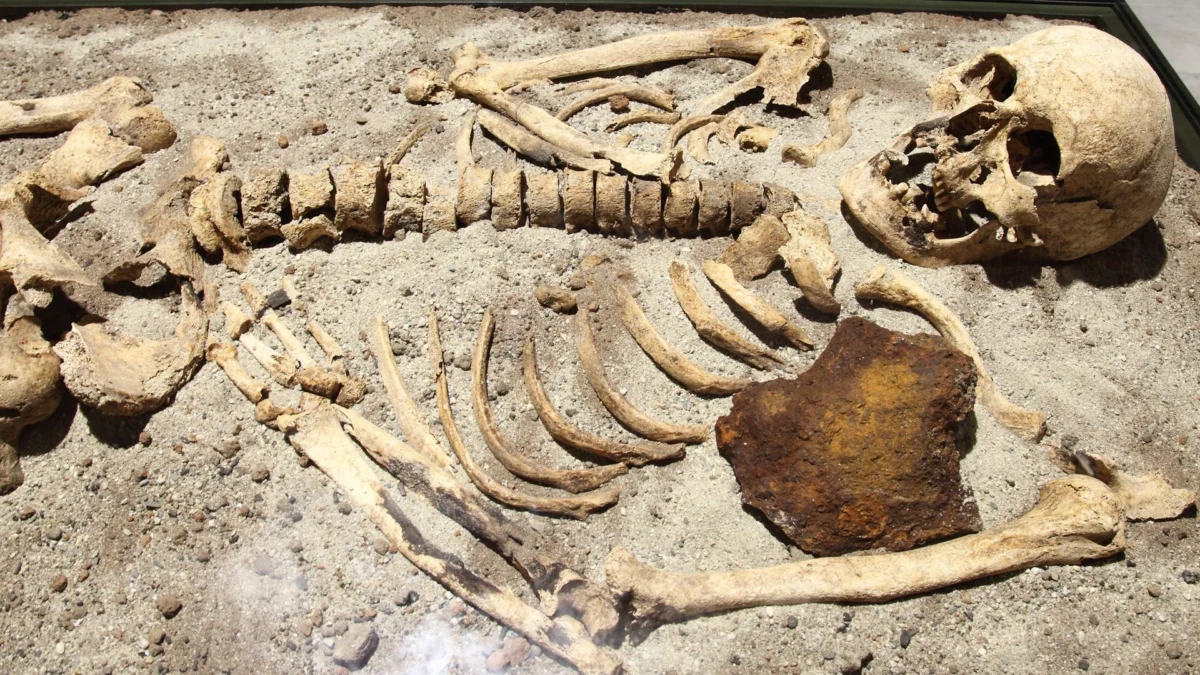
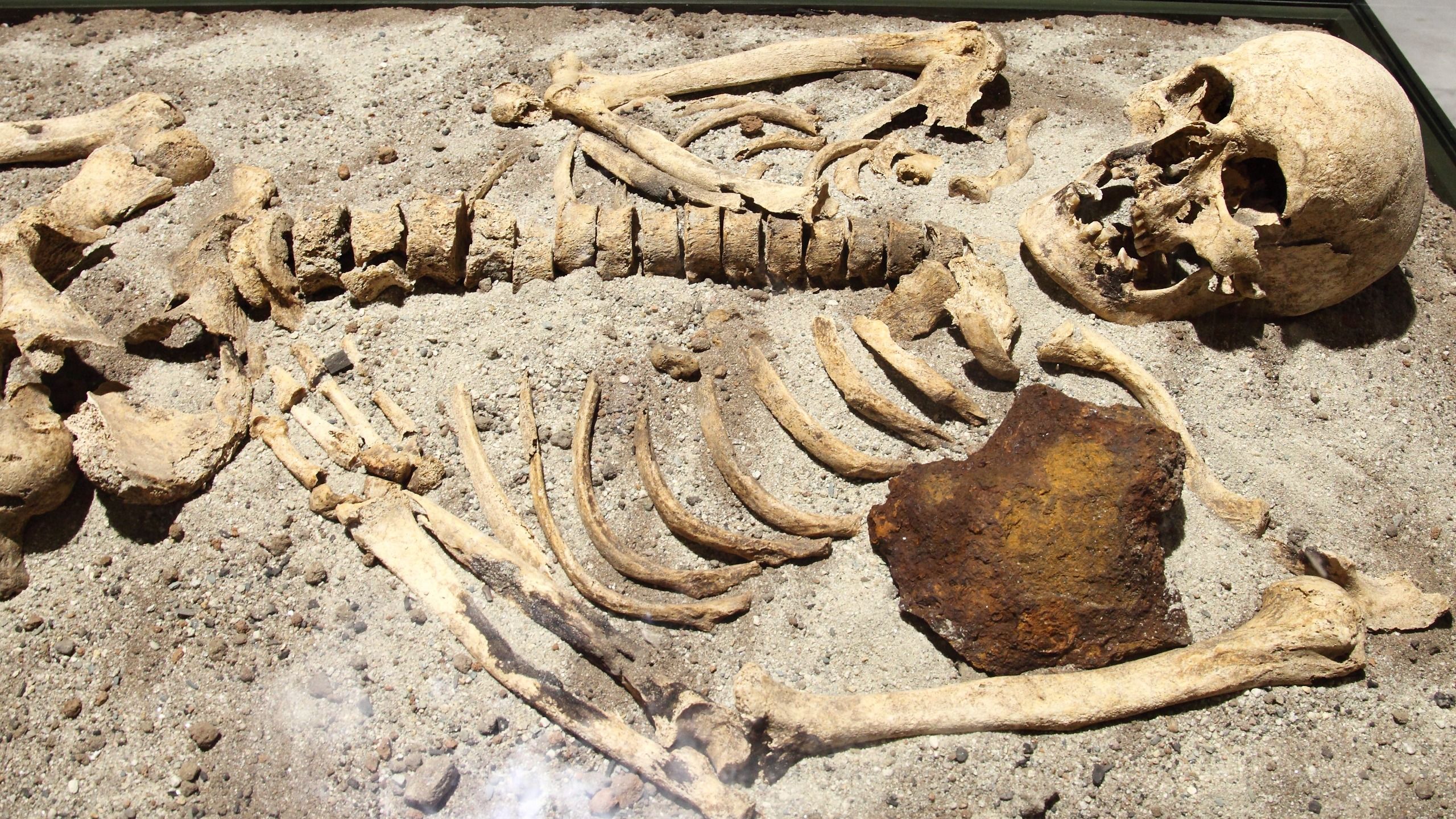
In recent decades, archaeologists working across Poland, Bulgaria, and other parts of Eastern Europe have unearthed numerous "deviant burials" that highlight the violent methods communities used to neutralize perceived threats from the grave. These graves deviate sharply from standard Christian burial practices of the period, reflecting a state of panic overriding conventional religious norms.
Notable discoveries include:
- Decapitation and Displacement: Corpses were frequently decapitated, with the severed head placed either between the legs or beside the feet to prevent the soul or body from reanimating.
- Restraining Implements: Sickles and scythes were often placed tightly across the neck or chest. The logic dictated that if the corpse attempted to rise, it would decapitate itself on the sharp blade.
- Postures of Defiance: Many bodies were buried face down, ensuring that any attempt to dig upward would only drive the corpse deeper into the earth.
- Heavy Objects and Piercing: In Poland, researchers discovered the skeleton of a child with an iron padlock securely fastened around its foot—a symbolic measure to lock the soul to the earth. In other instances, heavy iron ploughshares were driven directly through the chest cavity to pin the heart to the ground.
These extraordinary measures were not isolated incidents performed by fringe groups; they were communal responses sanctioned by local authorities, clergy, and villagers desperate to halt perceived plagues of the undead.
The Historical Context: Disease, Ignorance, and Panic
To understand why 17th- and 18th-century Europeans believed their deceased neighbors were returning as blood-drinking monsters, historians examine the state of medical knowledge at the time. Pandemics, sudden agricultural failures, and mysterious wasting diseases swept through villages with terrifying speed.
Before the advent of modern germ theory, communities struggled to explain why an entire family might succumb to tuberculosis or typhus one by one. The prevailing superstition often pointed to a supernatural culprit: a member of the community who had died first was believed to be returning from the grave to slowly drain the life force of their surviving relatives.
Biological decomposition processes further fueled these terrifying misconceptions. When bodies were exhumed weeks or months later for various reasons—often due to land disputes or subsequent deaths in the family—villagers frequently observed phenomena they could not scientifically explain. Hair and nails appeared to continue growing as the surrounding skin receded, the abdomen remained bloated with decomposition gases, and fresh blood was sometimes visible around the mouth due to internal pressure forcing fluids upward. To an uneducated populace, these natural biological markers of decay were undeniable proof of unholy vitality.
The Role of Print Media in Fueling the Epidemic
While local superstitions had existed for centuries, the scale of the 18th-century vampire panic was exponentially amplified by a new and powerful force: the early modern printing press. In his book Killing the Dead: Vampire Epidemics from Mesopotamia to the New World (Princeton University Press, 2025), renowned historian and Oxford academic John Blair explores how the rapid circulation of printed news pamphlets and gazettes transformed localized folklore into an international phenomenon.
During the 1720s and 1730s, official reports from the Austrian military administration operating in the Balkans began to trickle into Western European newspapers. Austrian officials, who had recently annexed territories in Serbia, documented bizarre local accounts of vampirism and the official exhumations conducted by military surgeons.
Printers in major European cultural hubs seized upon these sensational reports to boost circulation. Sensationalized accounts of corpses found with flowing blood and extended lifespans were published in German, French, and English gazettes. Rather than dismissing the accounts as rural superstition, the European reading public consumed them voraciously. This media saturation created a feedback loop: as newspapers reported on vampires, the fear of vampires spread deeper into mainstream consciousness, generating new panics in regions that had previously never engaged in anti-vampire rituals.
Gruesome Preventative Measures: Ingesting the Dead
The panic depicted in contemporary print media went far beyond defensive burials. According to historical documents analyzed by Blair and other researchers, communities developed proactive, grotesque rituals to protect themselves from suspected vampires.
Among the most unsettling practices documented during the 18th-century outbreaks was the consumption of a suspected vampire’s blood and organs. When an exhumed corpse exhibited signs of being an undead threat, villagers—sometimes acting under the supervision of local authorities or military doctors—would extract the heart, burn it to ashes, and mix the remains with water or wine to be consumed by potential victims as a form of prophylactic medicine. In other instances, people drank the blood of the suspected entity or baked bread using flour mixed with the ashes of the burned corpse.
These rituals reflect the sheer desperation of populations gripped by fear. In a world where medical science offered no cures for widespread epidemics, consuming the physical essence of the threat was seen as the ultimate preventative measure to inoculate the living against the curse of undeath.
Fact-Based Analysis and Modern Implications
The history of the European vampire panic serves as a vital case study in mass hysteria, the sociology of fear, and the power of media amplification. Anthropologists and historians note several key takeaways from this dark chapter:
- The Vulnerability of Human Reason: In times of acute crisis—such as disease outbreaks or societal upheaval—populations routinely revert to supernatural explanations when institutional science or religion fails to provide immediate answers.
- The Precursor to Modern Media Outrage: The 18th-century newspaper frenzy demonstrates that sensationalism and yellow journalism are not modern inventions. The desire to monetize fear and curiosity has driven media dissemination for centuries.
- The Value of Archaeological Context: Modern bioarchaeology bridges the gap between folklore and historical reality. By analyzing the skeletal remains of "vampire burials," scientists gain invaluable insight into the psychological landscapes, public health crises, and social structures of early modern Europe.
As research continues into texts like Killing the Dead and new archaeological sites are uncovered, scholars continue to piece together how a combination of medical ignorance, biological misunderstandings, and early mass media transformed local superstitions into an enduring global mythos that still captivates the human imagination today.