
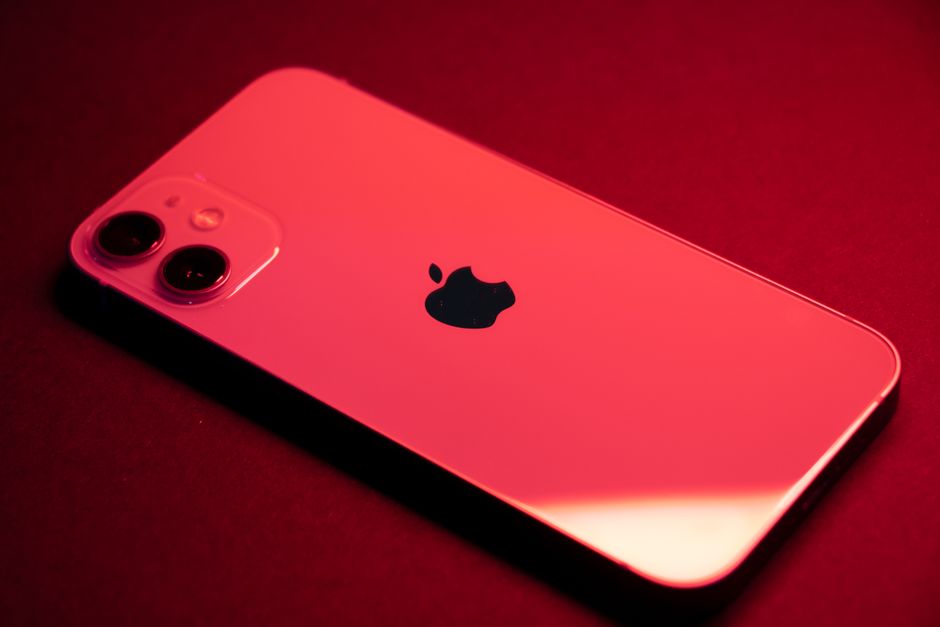
iPhone RAM 2: The Imminent Leap Forward for iOS Performance
The perennial question surrounding Apple’s iPhone releases is not if it will get more RAM, but when and how much. While Apple historically maintains a tight-lipped approach to its hardware specifications until launch, a confluence of industry trends, competitive pressures, and increasingly demanding software applications suggests that the next generation of iPhones, or at least a significant segment of them, may finally be poised to embrace RAM 2, or more precisely, a substantial leap in Random Access Memory capacity. This isn’t just about incremental upgrades; it’s about unlocking new levels of performance, multitasking capabilities, and future-proofing for an ecosystem that continues to push the boundaries of mobile computing. The move to a more robust RAM configuration, potentially doubling current capacities in some models, signals a strategic shift by Apple to address growing user expectations and the escalating complexity of the iOS operating system and its applications.
Historically, Apple has been a proponent of optimizing software to work efficiently with the hardware it provides, often eschewing the raw RAM numbers that Android competitors flaunt. This philosophy has generally served them well, allowing iPhones to deliver a smooth and responsive user experience even with what might have appeared to be less RAM on paper. However, the landscape has evolved dramatically. Modern iOS applications, particularly those involving augmented reality, advanced computational photography, sophisticated video editing, and demanding mobile games, are increasingly memory-intensive. Furthermore, the ever-increasing sophistication of iOS features, such as Live Activities, more complex multitasking within apps, and the ever-present background processes that keep our digital lives running, all place a greater strain on available RAM. The tipping point, where optimization alone can no longer fully compensate for the growing demands, appears to be on the horizon, making a significant RAM increase not just desirable, but arguably necessary.
The current baseline for iPhone RAM, which has hovered around 4GB and 6GB for several years depending on the model, is starting to feel restrictive in certain scenarios. While the A-series chips have consistently been class-leading in terms of processing power and efficiency, their full potential can be hampered by insufficient RAM. When an iPhone runs out of available RAM, it must resort to swapping data between RAM and slower flash storage, a process known as "swapping" or "paging." This can lead to noticeable performance degradation, app slowdowns, and even outright crashes, especially when juggling multiple demanding applications. For power users, developers, and those who simply want the most seamless and future-proof device, this limitation has become increasingly apparent. The anticipation for RAM 2, signifying a significant increase beyond the current configurations, is therefore not unfounded; it represents a demand for a more robust and capable foundation for the iOS experience.
The term "RAM 2" itself is a bit of an informal placeholder, as Apple doesn’t use such nomenclature. However, it broadly refers to a doubling of the current RAM capacity. For the Pro models, which typically receive higher RAM allocations, this could mean a jump from 6GB to 12GB. For the standard models, a move from 4GB to 8GB would represent a substantial upgrade. Such an increase would have profound implications across the entire iOS ecosystem. Multitasking would become significantly smoother, allowing users to switch between a greater number of applications without them needing to reload from scratch. This is particularly beneficial for users who frequently switch between work-related apps, social media, and entertainment. The ability to keep more apps in memory simultaneously without performance penalties would fundamentally alter the user experience, making the iPhone feel even more like a pocket-sized computer.
Beyond general multitasking, a significant RAM upgrade would directly benefit specific areas of iPhone functionality. Augmented Reality (AR) applications, for instance, are notoriously memory-hungry. They require a substantial amount of RAM to store and process the complex 3D models, textures, and real-time environmental data necessary for a convincing AR experience. With more RAM, developers could create more sophisticated and immersive AR applications, pushing the boundaries of what’s possible in areas like gaming, education, and even professional tools. Similarly, advanced computational photography features, such as enhanced low-light processing, complex image stacking for greater detail, and real-time noise reduction, all benefit from increased memory bandwidth and capacity. The ability to hold more image data in RAM for processing would allow for even more impressive photographic results, further solidifying the iPhone’s reputation as a premier mobile camera.
Video editing on the iPhone, a capability that has grown exponentially in recent years, would also see a substantial boost. The ability to handle higher resolution video formats, more complex timelines with multiple layers of effects, and faster rendering times would be greatly enhanced with more RAM. This would make the iPhone an even more viable tool for content creators and casual users alike who want to edit and share professional-looking videos on the go. The long-term implications of increased RAM also extend to the future of iOS itself. As Apple continues to develop and introduce new features, operating system updates, and more powerful AI capabilities, a larger RAM buffer will be crucial to ensure that these advancements can be implemented without compromising the overall performance and responsiveness of the device. This proactive approach to hardware allocation ensures that the iPhone remains at the cutting edge for longer periods.
The competitive landscape also plays a significant role in pushing Apple towards a RAM upgrade. Android smartphones, particularly those in the flagship segment, have been offering higher RAM configurations for some time, with many devices featuring 8GB, 12GB, and even 16GB of RAM. While Apple’s optimization has historically allowed them to punch above their weight in terms of perceived performance, a significant gap in raw RAM capacity can, in certain demanding scenarios, become a tangible disadvantage. By increasing RAM, Apple not only addresses internal performance needs but also ensures that its devices remain competitive from a specifications perspective, appealing to a broader range of consumers who may be influenced by benchmark scores and advertised hardware capabilities.
Furthermore, the increasing integration of Apple’s hardware and software ecosystems necessitates robust performance. Features like Continuity, Handoff, and the seamless sharing of data and tasks between iPhone, iPad, Mac, and Apple Watch all rely on efficient communication and data management between devices. A more powerful iPhone, with ample RAM, can better handle these cross-device interactions, contributing to a more fluid and integrated user experience across Apple’s entire product line. This unified approach to user experience is a hallmark of Apple’s strategy, and ensuring each component device is adequately resourced is paramount.
The adoption of LPDDR5 or LPDDR5X RAM technology would be a logical step alongside an increase in capacity. These newer RAM standards offer not only higher capacities but also improved power efficiency and increased bandwidth compared to older LPDDR4X memory. This means that not only will the iPhone have more memory, but it will also be able to access that memory faster and with less power consumption, leading to a potential improvement in both performance and battery life. The efficiency gains from newer RAM standards are crucial for mobile devices where battery longevity is a constant consideration for users. Balancing increased performance with sustained battery life is a delicate act, and advancements in RAM technology are key to achieving this.
The potential for RAM 2 in the iPhone is a strong indicator of Apple’s commitment to pushing the boundaries of mobile computing. It reflects an understanding that the demands placed on our smartphones are constantly evolving, and that hardware must evolve in tandem with software and user expectations. While Apple may continue to be more guarded about specific RAM figures than some competitors, the evidence points towards a significant and impactful upgrade on the horizon, one that will undoubtedly enhance the performance, capabilities, and longevity of the iPhone for years to come. This isn’t just about chasing benchmarks; it’s about enabling a richer, more powerful, and more seamless mobile experience for every user.





Leave a Reply