
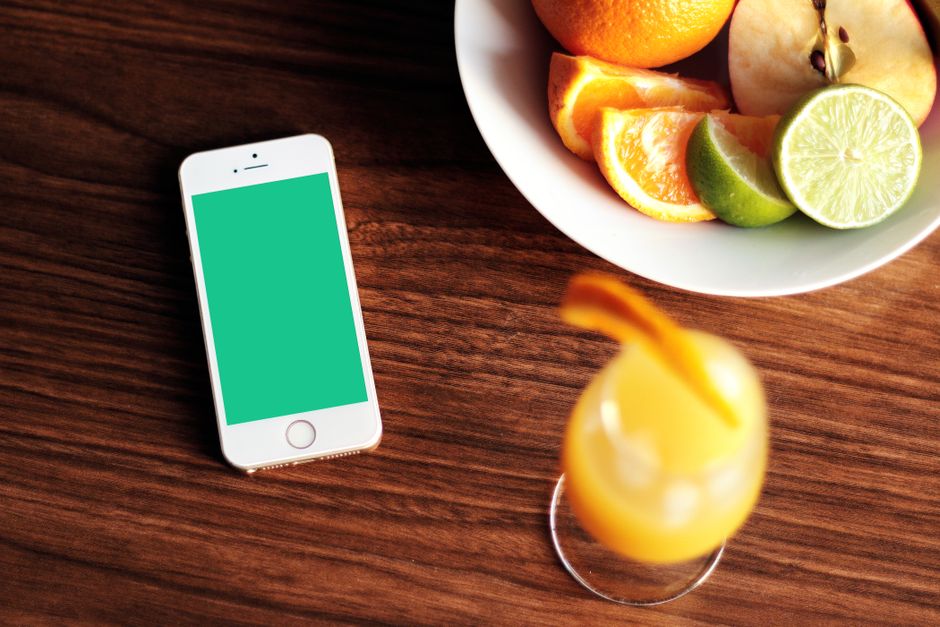
iPhone Owners Say Apple Juice: Unveiling the Connection Between Fruit and Technology
The phrase "iPhone owners say apple juice" might initially evoke images of a quirky marketing campaign or a humorous misunderstanding. However, delving deeper into the vernacular of iPhone users reveals a nuanced and surprisingly common association between their beloved devices and the beverage derived from apples. This article will explore the various facets of this connection, examining the literal and figurative interpretations, the psychological underpinnings, and the potential marketing implications of this intriguing user sentiment. We will analyze how the inherent qualities of the iPhone, coupled with the universally understood characteristics of apple juice, contribute to this seemingly unusual, yet prevalent, anecdotal phenomenon.
One of the most straightforward interpretations of "iPhone owners say apple juice" points to the direct, and often unintentional, influence of the beverage on the device itself. Spills are an unfortunate reality for many electronic devices, and iPhones, being handheld and frequently used during meals or while multitasking, are particularly susceptible. Anecdotes abound of iPhone owners lamenting sticky screens, malfunctioning buttons, or even complete device failure due to accidental encounters with apple juice. Search engine queries related to "iPhone sticky from juice" or "apple juice damage iPhone" are not uncommon, highlighting the practical, albeit negative, association. This literal connection, rooted in the physical interaction between the drink and the technology, forms the bedrock of many user-generated comments and discussions. The sweet, viscous nature of apple juice can leave a residue that is difficult to clean, affecting touch sensitivity and overall usability. Furthermore, the acidic content, even in its natural form, can potentially corrode internal components if not addressed promptly and thoroughly. The prevalence of this issue, while not exclusive to apple juice, has likely contributed to its specific mention within the context of iPhone damage.
Beyond the literal damage, there exists a more figurative interpretation of "iPhone owners say apple juice," often stemming from a perception of the iPhone as a product that embodies a certain wholesome, clean, and perhaps even "natural" aesthetic, mirroring some of the perceived qualities of apple juice. Apple juice, in its purest form, is often seen as a simple, healthy, and unadulterated beverage. Similarly, early Apple marketing for the iPhone often emphasized its sleek design, intuitive user interface, and a sense of effortless functionality. This inherent "simplicity" and "elegance" in the iPhone’s design philosophy can resonate with users on a subconscious level, leading them to draw parallels with the perceived qualities of natural products like apple juice. The smooth, polished surface of the iPhone, the clean lines of its interface, and the curated ecosystem of apps can all contribute to an overall impression of a refined and sophisticated product, much like a glass of clear, crisp apple juice. This connection is not necessarily about the beverage itself but rather about the shared symbolic value of "cleanliness," "purity," and "natural goodness" that both the iPhone and apple juice can evoke. This psychological association can be a powerful, though often unarticulated, driver of user sentiment.
The concept of "premium" and "quality" also plays a significant role in understanding why iPhone owners might associate their devices with apple juice. While generic apple juice exists, there’s a distinct perception of higher quality, artisanally produced apple juices that command a premium price. These juices are often marketed with an emphasis on the origin of the apples, the careful pressing process, and the absence of artificial additives. In a similar vein, the iPhone is positioned as a premium smartphone, often distinguished by its higher price point, advanced features, and perceived superior build quality compared to many of its competitors. Users who invest in an iPhone often do so with the expectation of a high-quality, durable, and consistently performing device. This shared characteristic of being perceived as a "premium" option, where quality and a certain level of exclusivity are implied, can lead to an unconscious linking of the two. The "best" apple juice, much like the "best" smartphone for many, is seen as an investment in quality and a desirable lifestyle. This association can be particularly strong for users who appreciate the finer details and are willing to pay a premium for a superior experience.
Furthermore, the generational aspect cannot be overlooked when considering the "iPhone owners say apple juice" sentiment. For many older iPhone users, apple juice might have been a staple beverage during their childhoods, evoking feelings of nostalgia and comfort. The iPhone, as a revolutionary piece of technology, has become an integral part of their lives, often facilitating connections with loved ones and providing access to information and entertainment. The juxtaposition of a familiar, comforting childhood beverage with a cutting-edge technological device can create a unique emotional resonance. This nostalgic connection, where the scent or taste of apple juice might trigger memories of simpler times, can then be subconsciously – or even consciously – projected onto the iPhone, representing a different kind of reliable and consistent presence in their adult lives. The iPhone, for this demographic, might represent a sense of stability and familiarity in an ever-changing technological landscape, much like the comforting predictability of a glass of apple juice. This sentiment is less about the technical specifications of the iPhone and more about the emotional baggage and personal history associated with both elements.
The recurring mention of "apple juice" within the iPhone user community also presents an intriguing area for marketing and branding exploration. While Apple itself might not directly leverage this specific association, understanding the underlying reasons for its prevalence could inform future marketing strategies. If the connection stems from a perception of wholesomeness and natural simplicity, Apple could further emphasize these aspects in its messaging. If it’s about premium quality, marketing could continue to highlight the craftsmanship and superior materials used in iPhone manufacturing. The consistent presence of this user-generated phrase suggests a potential for resonance that goes beyond traditional advertising. Brands often seek to tap into genuine consumer sentiment and emotional connections. The "iPhone owners say apple juice" phenomenon, while informal, represents such a connection, albeit an unconventional one. It speaks to a user experience that is both tangible (spills) and intangible (perceived qualities).
Psychologically, the phenomenon can also be analyzed through the lens of associative learning and priming. Repeated exposure to certain stimuli can lead to the formation of new associations. If an iPhone owner has experienced a spill or heard others discuss spills, the word "apple juice" might become automatically linked with their iPhone in their minds. Furthermore, the inherent naming of the company "Apple" itself creates a foundational link, making any discussion of "apple" products, including beverages, more readily associated with the brand. This priming effect can be subtle but powerful. Even a casual mention of apple juice in proximity to a discussion about iPhones can strengthen this associative link. It highlights how our brains create mental shortcuts and connections between seemingly unrelated concepts, especially when a strong brand identity is involved. The inherent alliteration and the shared "apple" root word in both "Apple" (the company) and "apple juice" create an almost irresistible linguistic and conceptual bridge for some users.
The digital landscape plays a crucial role in amplifying and solidifying this user sentiment. Online forums, social media platforms, and review sites are breeding grounds for anecdotal evidence and personal experiences. When an iPhone owner encounters an issue related to apple juice or simply makes a humorous observation about it, their comment can be seen, shared, and replicated by others. This digital echo chamber can lead to the perception that "everyone" is saying this, even if the actual number of individuals making the connection is smaller. Search engine algorithms also contribute to this by surfacing relevant content, further reinforcing the perceived prevalence of the phrase. The ease with which users can now share their thoughts and experiences online means that even niche associations can gain visibility and traction. This organic dissemination of user sentiment is a powerful force in shaping perceptions and can be a valuable, albeit sometimes challenging, source of insight for brands.
Ultimately, the phrase "iPhone owners say apple juice" is a multi-layered phenomenon that speaks to the complex relationship between consumers, their technology, and their everyday experiences. It encompasses literal mishaps, symbolic associations with quality and simplicity, nostalgic connections, and the amplifying power of the digital age. While Apple may not be intentionally weaving apple juice into its marketing tapestry, the consistent emergence of this user-generated sentiment offers a fascinating glimpse into how consumers perceive and interact with their devices on a deeper, often unspoken, level. Understanding these nuances can provide valuable insights for product design, marketing, and brand communication, demonstrating that even the most unexpected connections can hold significant meaning for a product’s user base. The enduring presence of this seemingly whimsical phrase underscores the rich tapestry of human experience that intertwines with the increasingly pervasive world of personal technology.





Leave a Reply