The landscape of American rock history is undergoing a period of profound transition as the touring viability of The Beach Boys—an institution that has defined the sound of California for over six decades—faces its most significant disruption in years. As frontman Mike Love grapples with persistent health challenges, longtime collaborator John Stamos has stepped into the spotlight with a new project, California Sound. This development, marked by the announcement of two high-profile performances at EPCOT’s International Food & Wine Festival on November 11th and 12th, signals a potential pivot point for how the legacy of the band’s catalog may be preserved in a post-Love touring environment.
The Shift at EPCOT
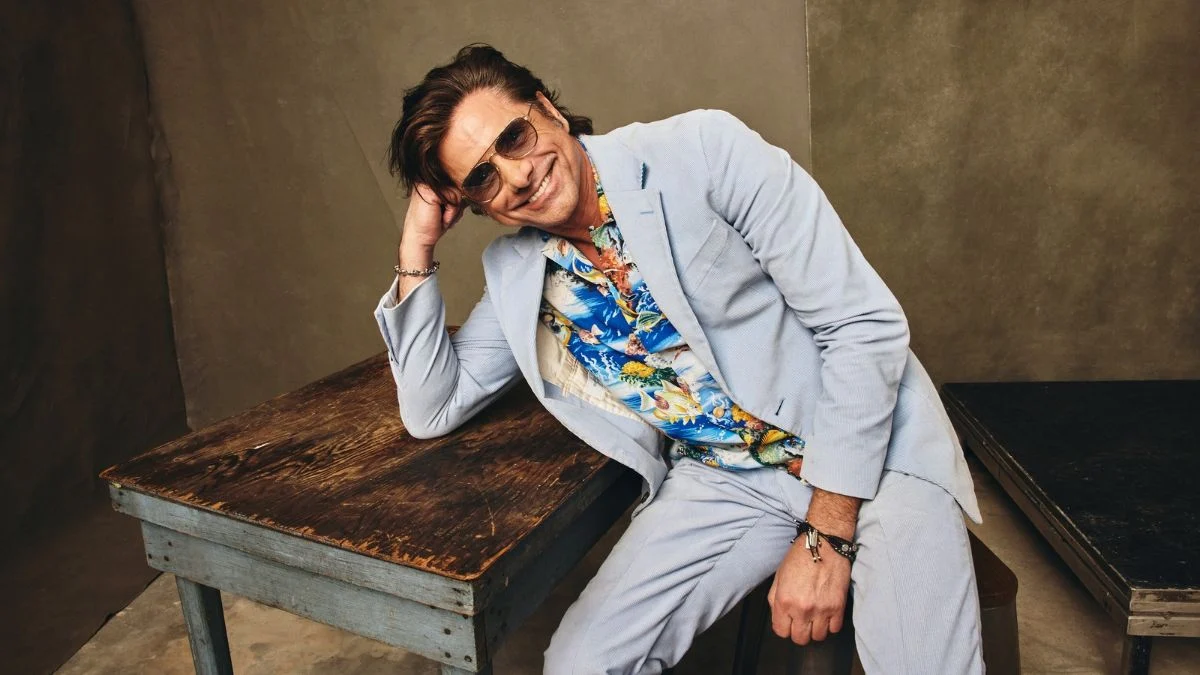
The scheduled appearances at EPCOT’s America Gardens Theatre were originally promoted under the moniker "The Beach Boys featuring John Stamos." However, with the recent withdrawal of the core touring unit, Disney has rebranded the performances to feature John Stamos and the California Sound. For fans, this change is more than a mere administrative update; it represents the first public attempt to decouple the music of The Beach Boys from the specific branding currently controlled by Mike Love.
John Stamos has maintained a symbiotic relationship with The Beach Boys for over 40 years, serving as an honorary member, drummer, and guitarist. His deep-seated familiarity with the group’s repertoire makes him a logical successor to lead a tribute or continuation of the sound, yet the formation of "California Sound" raises questions regarding the legal and creative boundaries of the band’s legacy.
A Timeline of Uncertainty
The current instability began earlier this year as Mike Love, at age 85, was forced to cancel or postpone a series of dates due to mounting health concerns. The chronology of the last few months reflects the difficulty of maintaining a grueling, multi-city tour at such an advanced age:
- Mid-2026: Reports begin to surface regarding the inconsistency of the band’s touring schedule, with several mid-western and coastal dates being pulled from the itinerary.
- September 2026: John Stamos provides a public update during a press circuit, noting that Love is managing "serious health challenges" and expressing uncertainty regarding the long-term feasibility of the current tour.
- October 2026: Mike Love releases a formal statement confirming that he is prioritizing his health and focusing on a rehabilitation regimen, expressing a desire to return to the stage.
- November 2026: Disney officially updates its EPCOT programming, replacing the billed Beach Boys appearances with John Stamos and the California Sound.
The urgency of this transition is underscored by the unique legal architecture of the band. Since 1998, Mike Love has held the exclusive license to tour under the name "The Beach Boys." This ironclad arrangement has meant that even other surviving members or long-term sidemen are legally prohibited from utilizing the name to perform the music that defined their careers. Consequently, the birth of California Sound is a strategic necessity rather than a stylistic choice.
The Legal and Financial Stakes
The Beach Boys’ brand is a multi-million dollar enterprise, bolstered by decades of licensing, merchandising, and a high-demand touring schedule that frequently plays to packed amphitheaters and festivals. The inability of the existing touring band to perform without Love creates a significant revenue vacuum.
Legal analysts point out that if the "Beach Boys" trademark remains locked to Love’s personal involvement, the remaining musicians are essentially sidelined. This creates an existential threat to the legacy of the band’s live experience. By introducing a new brand—California Sound—Stamos is creating a "shell" that can legally perform the classic hits without infringing on the proprietary trademark held by Love. If successful, this could establish a precedent for other legacy acts where the primary trademark holder is no longer able to tour, but the demand for the live performance of their classic material remains high.
Supporting Data and Industry Context
The music industry has seen a rise in the "legacy touring" model, where iconic bands are increasingly comprised of rotating casts of musicians who did not necessarily record the original tracks. For The Beach Boys, the touring band has long been a polished, professional unit capable of replicating the complex vocal harmonies that the original studio sessions required.
According to concert industry data, The Beach Boys have remained a top-grossing touring act in the "classic rock" sector for the past decade, consistently ranking in the top 50 global tours by ticket volume for artists of their era. The sudden absence of this operation leaves a significant void in the festival and event circuit, particularly for venues like EPCOT that rely on established, multi-generational acts to drive attendance during their food and wine events.
Official Responses and Internal Outlook
While there has been no official statement from the Beach Boys’ management office regarding the long-term future of the band, sources close to the production suggest that the priority remains the recovery of Mike Love. However, the move by Stamos—a figure respected by the band’s inner circle—suggests a level of internal coordination.
"We hope he’ll be doing what he loves for years to come, but we don’t know what the future holds," Stamos said in his October interview. This statement reflects a nuanced reality: the band members and associates are preparing for a post-Love era, even while publicly supporting his recovery. The shift to California Sound is being viewed by industry observers as a "soft launch" of a contingency plan. By testing the brand in a controlled, high-visibility environment like Disney, Stamos and his associates can gauge audience reception to the music under a new banner before committing to a broader tour.
Broader Implications for Legacy Acts
The situation surrounding The Beach Boys serves as a case study for the wider music industry regarding how legacy acts manage the transition of ownership and identity. As many foundational rock groups enter their eighth and ninth decades, the legal constraints of names and likenesses are becoming increasingly problematic.
If the California Sound project gains traction, it could provide a blueprint for other bands currently hampered by rigid trademark licensing. By establishing a neutral "sound" or "tribute" entity that is clearly distinct from the original trademarked name, the music can continue to be performed in a live setting without triggering legal disputes or alienating the fan base that associates the original name with the original lead singer.
Conclusion: A New Chapter
The upcoming performances on November 11th and 12th represent more than just a substitute act; they are a litmus test for the endurance of the "California Sound." Whether this moniker becomes a permanent fixture or remains a temporary solution will depend heavily on the feedback from the audience and the eventual prognosis of Mike Love.
For now, the focus is on the music. As the industry watches, the transition serves as a reminder of the fragility of the touring model. The Beach Boys, whose songs have been a staple of American culture for generations, are finding that the only way to keep the music playing is to adapt to the realities of time, health, and the evolving legal landscape of the music business. The transition to California Sound is a pragmatic evolution, ensuring that even if the name changes, the harmonies—the hallmark of the group’s success—remain alive for a new generation of listeners.