The introduction of the 737 MAX 7 follows its official FAA certification on August 3, 2026. This milestone was the culmination of years of rigorous testing and design adjustments, including significant revisions to the engine anti-ice system and critical updates to flight control software and pilot alert interfaces. For Southwest, the arrival of these aircraft is not merely a fleet update but a strategic necessity. As of September 30, 2026, the carrier reported a remaining fleet of 271 Boeing 737-700 aircraft with an average age of two decades, highlighting the urgency for a more efficient, technologically advanced replacement.
A Structured Timeline for Integration
The roadmap toward the March 2027 debut begins with deliveries scheduled for mid-to-late December 2026. According to the internal rollout plan, Southwest will not immediately deploy the jets for passenger transport. Instead, the company has scheduled a series of operational readiness phases. This includes a robust program of over 90 validation flights across the fleet, designed to ensure that the aircraft’s systems are fully integrated with existing infrastructure and that flight crews are thoroughly acclimated to the nuances of the new MAX variant.
These validation efforts go beyond standard test flights; they encompass a comprehensive internal audit of training manuals, maintenance documentation, and FAA-mandated inspection protocols. By ensuring that these aircraft are operationally "ready" well before the first revenue flight, Southwest aims to avoid the service disruptions that often plague the introduction of new fleet types. Chief Operating Officer Andrew Watterson has emphasized that this phased approach is critical to maintaining the airline’s reliability, particularly as the company transitions toward its spring 2027 launch window.

Cabin Innovation and Operational Efficiency
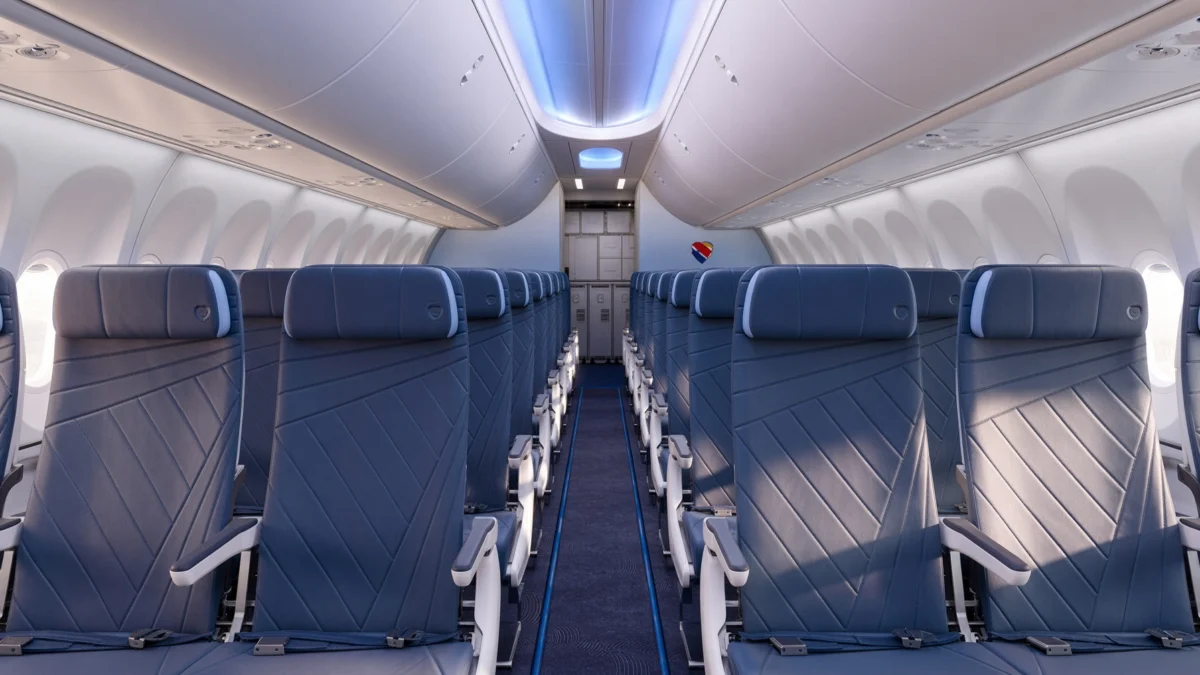
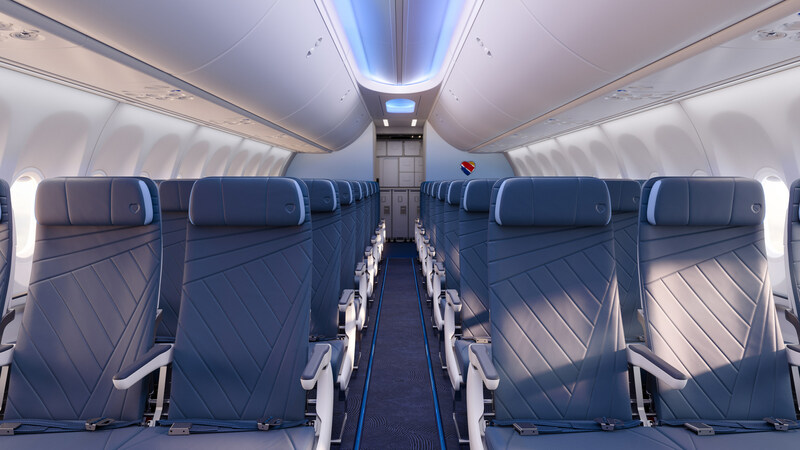
The MAX 7 cabin configuration represents a departure from the legacy Southwest aesthetic. Each aircraft will be equipped with 150 Recaro seats, a design choice that balances passenger comfort with operational headcount requirements. Under current federal aviation regulations, airlines must employ one flight attendant for every 50 passenger seats. By capping the capacity at 150, Southwest avoids the additional labor costs associated with a fifth flight attendant, maintaining an efficient staffing ratio while still offering an upgrade over the 737-700.
Beyond the seating capacity, the cabin will feature modern amenities intended to compete with major U.S. carriers. This includes the integration of high-speed Starlink internet, which has become a focal point of the airline’s strategy to address passenger complaints regarding connectivity. Furthermore, the inclusion of seat-mounted power outlets and enlarged overhead storage bins addresses common pain points for modern travelers, particularly those carrying more luggage due to the rising trend of bag-fee-averse travelers opting for carry-ons.
The decision to limit the aircraft to 150 seats is a calculated move. While the 737-800 and MAX 8 variants offer higher density, the MAX 7 serves a specific niche in the Southwest network. By replacing a 137-seat 737-700 with a 150-seat MAX 7, the airline achieves a roughly 9.5% increase in capacity without the operational burden of a larger fuselage. This is particularly beneficial for thinner routes where demand is consistent but does not justify the operating costs of the larger MAX 8.
Strategic Deployment and Network Role
Southwest has identified specific operational roles for the first 27 MAX 7 deliveries. As outlined in recent briefings, these aircraft are expected to take over extended overwater operations, particularly for routes such as Burbank to Honolulu. The increased range and performance capabilities of the MAX 7 allow for more efficient takeoffs in high-temperature environments, such as those frequently encountered in Phoenix and Las Vegas.

By shifting the MAX 7 to these demanding routes, Southwest can transition its older 737-800s to less taxing flight profiles. This strategic reallocation extends the service life of the older fleet while ensuring that the airline’s most modern, capable equipment is utilized where it provides the greatest competitive advantage. This approach aligns with the broader financial strategy of the company, which seeks to balance the retirement of roughly 60 older aircraft this year with the delivery of 67 new units.
Competitive Positioning and the First Class Question
The industry is closely watching how Southwest’s move toward a more premium-focused cabin will affect its market share. With the introduction of Starlink, improved seating, and modern interiors, Southwest is moving closer to the product offerings of its legacy rivals. However, the airline remains a notable outlier in the domestic market: it has no plans to introduce a "first class" or "business class" cabin.
As competitors like Frontier Airlines prepare to launch premium seating options in March 2027, the gap between Southwest’s single-class model and the rest of the industry is widening. Critics argue that by eschewing a premium cabin, Southwest risks alienating high-value business travelers who expect a tiered product. Conversely, supporters of the current model point to the simplicity and efficiency of the "all-coach" configuration as the bedrock of the Southwest brand identity.
The airline’s leadership remains committed to this strategy, betting that improved amenities for all passengers—rather than an exclusive front-of-cabin experience—will continue to foster loyalty among its core customer base. The success of this bet will likely be determined by whether the operational gains from the MAX 7, combined with the new cabin aesthetics, can satisfy the evolving expectations of the modern traveler.
Financial and Fleet Implications
The scale of the investment is substantial. Southwest’s current order book includes 240 undelivered MAX 7s and 201 undelivered MAX 8s, with options for 130 additional units extending through 2031. This massive capital commitment underscores the airline’s long-term reliance on the Boeing 737 platform. The ongoing integration of these aircraft is essential for managing fuel costs and maintenance expenditures, as the MAX series offers significantly better fuel efficiency than the legacy 737-700 fleet.
As the company looks toward 2031, the transition from the legacy fleet to a modern, standardized MAX fleet will be the primary lever for controlling operating costs. The 737-700s, which have served as the backbone of the Southwest operation for decades, are increasingly costly to maintain and less fuel-efficient. The systematic replacement of these aircraft with the MAX 7 is not merely a cosmetic update; it is a fundamental shift in the airline’s cost structure.
Looking Ahead: The Path to March
As the December delivery window approaches, all eyes will be on the interaction between Southwest and the FAA regarding final operating approvals. The "90+ flight" validation program will serve as a bellwether for the airline’s readiness. If these flights proceed without incident, the transition to commercial service in March 2027 should be seamless.
For the traveling public, the debut of the MAX 7 will signal the beginning of a new era for Southwest. While the exterior of the plane may look familiar, the interior experience will represent a significant leap forward. Whether this update will be sufficient to stave off the pressure from competitors who have embraced premium cabins remains to be seen. However, by prioritizing connectivity, increased capacity, and modern passenger comforts, Southwest is clearly positioning itself to remain a dominant force in the domestic aviation market for the foreseeable future. The integration of the MAX 7 is not just about replacing old planes; it is about defining the next chapter of the Southwest Airlines story in an increasingly competitive and demanding aviation landscape.