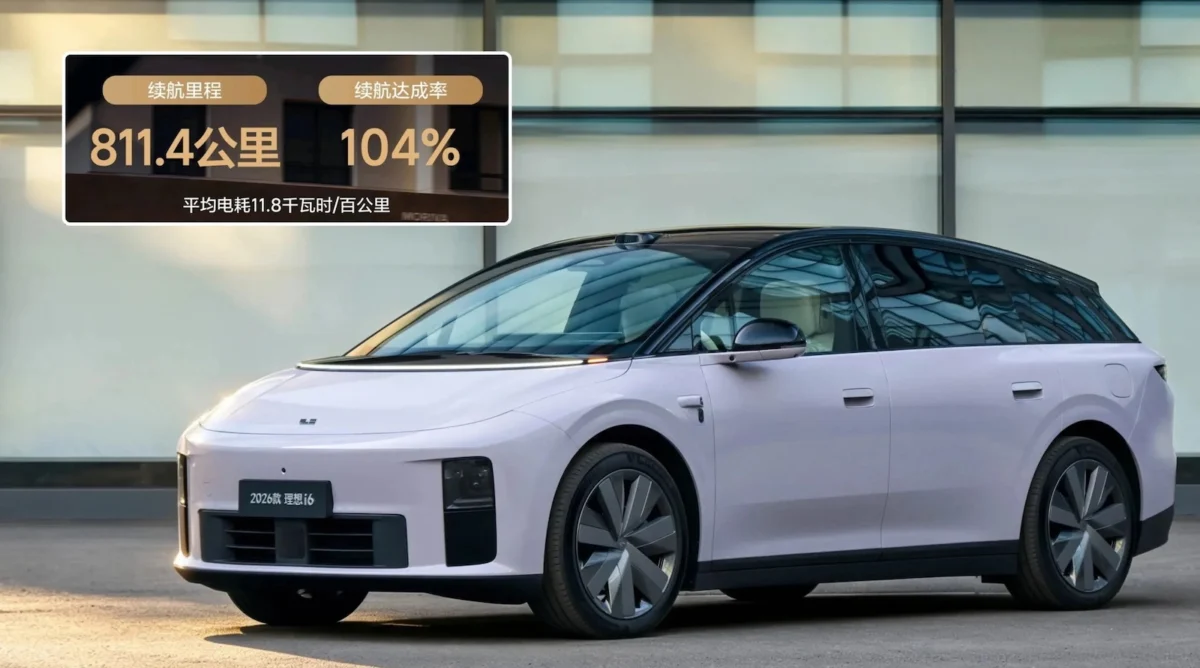
The automotive landscape in China is undergoing a significant transformation, characterized by a rapid shift toward sophisticated electric vehicle (EV) architectures that prioritize both interior volume and extreme energy efficiency. At the forefront of this movement is the Li Auto i6, a vehicle that has recently garnered substantial attention for its distinctive, avant-garde design and its impressive performance metrics. Moving beyond theoretical laboratory projections, the i6 has demonstrated its operational viability in a series of rigorous, real-world endurance tests that underscore the evolving capabilities of modern Chinese battery technology and power management systems.
Technical Evolution and Battery Architecture
The Li Auto i6 is built upon a 96 kWh battery pack, a capacity that positions it competitively within the premium MPV and crossover segment. A notable shift in the company’s manufacturing strategy is the departure from long-term reliance on CATL battery cells. Instead, Li Auto has collaborated with manufacturers CALB and Sunwoda to produce proprietary, in-house battery designs. This strategic pivot appears to be driven by a desire for greater vertical integration and design flexibility.
According to technical analysis from Chinese automotive outlet Dian Dong Che Zhu Ren, this in-house approach has allowed for an optimization of space within the chassis, enabling the integration of an additional 3 kWh of energy storage compared to previous configurations. Furthermore, the implementation of updated silicon carbide (SiC) power modules represents a critical advancement. These modules utilize revised current paths that effectively mitigate operational energy losses, contributing to an estimated 30 km increase in driving range during colder climate conditions.
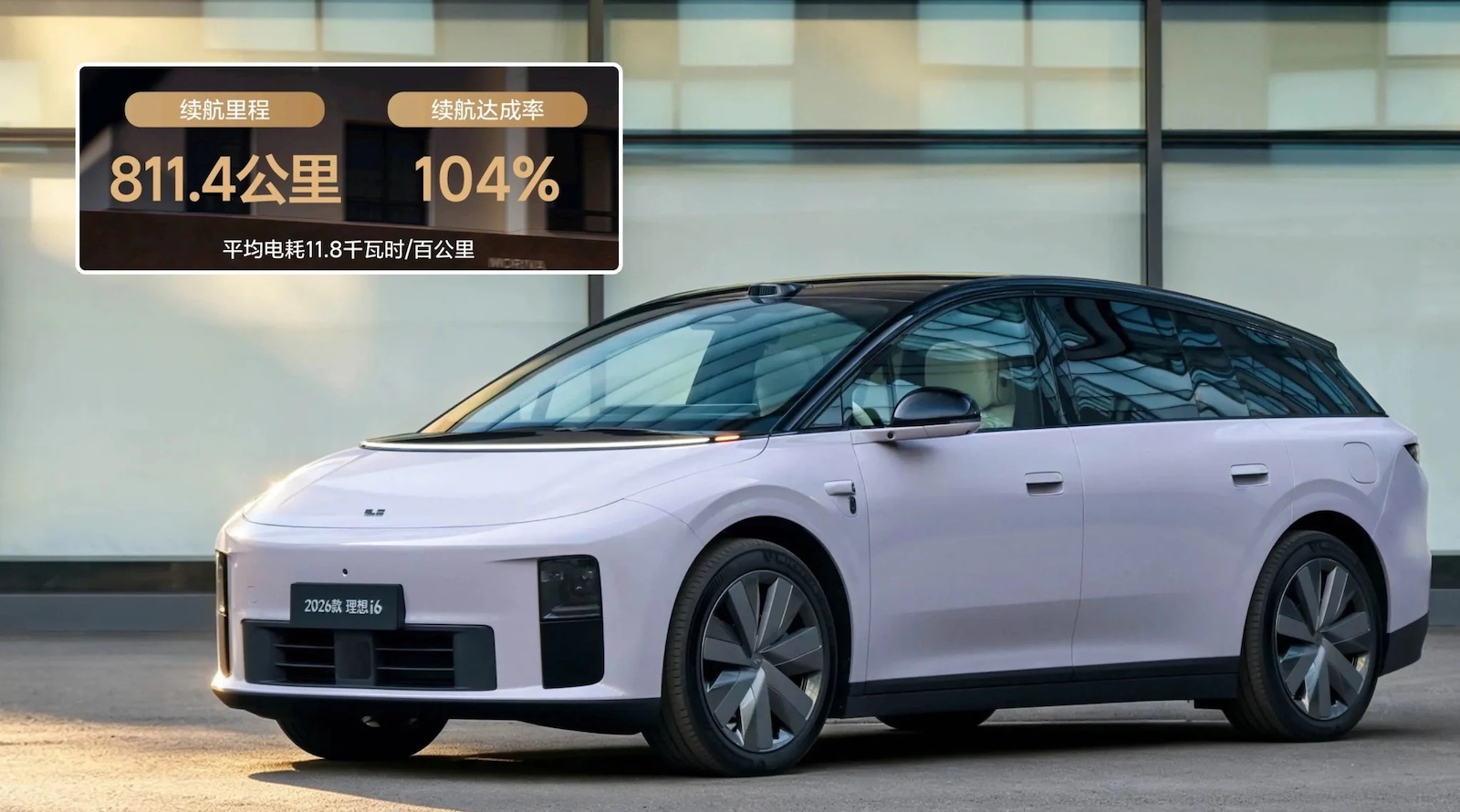
The integration of the "Lian Shan" battery architecture is the latest iteration in Li Auto’s safety-first philosophy. Much like industry peers such as Xiaomi, who have introduced the "Dragonscale" battery technology, Li Auto is placing a high premium on safety. The company has publicly pledged that its new battery packs will not self-ignite or combust in the event of a collision, backing this claim with a consumer guarantee that includes a replacement vehicle should such a failure occur. This move is designed to alleviate consumer anxiety regarding thermal runaway, a critical barrier to mass EV adoption.
The Real-World Endurance Validation
To validate the efficiency of the i6, Li Auto conducted a comprehensive road test in the vicinity of Lake Tai (Taihu) within the Yangtze Delta region. Unlike closed-circuit "hypermiling" exercises that involve stripped-down vehicles and unrealistic driving parameters, this test was designed to mirror typical consumer usage.
The testing parameters included the following:
- Occupancy: The vehicle carried four occupants, representing a standard family load.
- Payload: In addition to passengers, the vehicle was loaded with luggage and an additional 50 kg of gear, simulating a real-world trip.
- Environmental Conditions: The test took place in temperatures ranging from 13°C to 20°C (55°F to 68°F), requiring the use of climate control systems.
- Duration and Terrain: The vehicle operated for 18 consecutive hours, navigating city driving conditions with speed limits ranging from 40 km/h to 80 km/h.
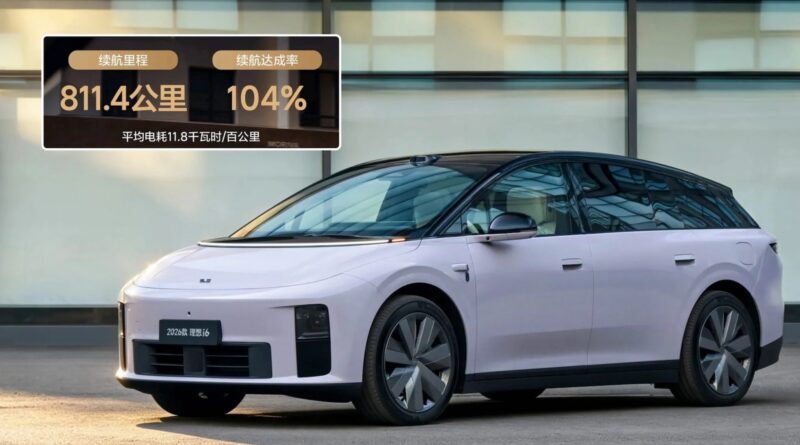
The vehicle achieved a total distance of 811 kilometers (504 miles) before reaching a 0% state-of-charge indicator. It is important to note that the vehicle remained operational at the conclusion of the 811-kilometer mark, as the test was halted by researchers rather than by the vehicle’s exhaustion. This result outperformed the official CLTC-rated range of 780 kilometers (485 miles). The energy efficiency recorded during this exercise was approximately 11.8 kWh/100 km, a figure that highlights the sophisticated aerodynamic and thermal management profiles of the i6.
The MPV Design Philosophy
The aesthetic design of the Li Auto i6, often described as "futuristic" or reminiscent of space-age conceptual art, serves a dual purpose. While its silhouette draws inevitable comparisons to science fiction tropes or classic animated series like The Jetsons, the design is primarily functional. The MPV category in China has evolved into a luxury segment, where space, comfort, and interior modularity are as important as powertrain performance.
The i6’s form factor is indicative of a broader trend in the Chinese market where the "Multipurpose Vehicle" is increasingly favored over traditional sedans or smaller SUVs for family travel. By maximizing the wheelbase and roofline, Li Auto has created an interior environment that caters to the demands of a mobile, technology-integrated lifestyle. While this design language has yet to see widespread adoption in North American or European markets, the success of the i6 suggests that global manufacturers may soon need to re-evaluate their own design portfolios to remain competitive with these specialized, high-capacity vehicles.
Implications for the EV Market
The introduction of the i6 and its associated technologies has several implications for the global electric vehicle sector. First, it demonstrates that battery density and energy efficiency are continuing to improve at an accelerated rate. The transition to 5C charging—which refers to the ability to charge a battery at five times its rated capacity—is becoming a benchmark for premium EVs. If Li Auto successfully rolls out the Lian Shan battery across its entire lineup, it will likely put immense pressure on legacy automakers to match these safety and charging standards.
Second, the shift toward vertical integration is a trend that analysts have been monitoring closely. By controlling the design and manufacturing of its battery cells, Li Auto is insulating itself from supply chain volatility and proprietary technology limitations. This independence allows the company to iterate faster, as evidenced by the 3 kWh capacity increase achieved through a simple redesign of the internal battery housing.

Finally, the focus on "realistic" testing reflects a maturing market. As consumers become more knowledgeable about electric vehicles, they are looking beyond EPA or CLTC range estimates and demanding transparency regarding performance under load, in variable weather, and with active climate control. Li Auto’s willingness to livestream and document these tests, rather than relying solely on press releases, serves as a masterclass in transparency that builds brand trust in a crowded marketplace.
Future Outlook
As the global automotive industry navigates the transition away from internal combustion engines, the competition will be defined by three pillars: software, energy efficiency, and safety. The Li Auto i6 appears to be a calculated response to these requirements. While the international availability of the i6 remains speculative, its performance metrics establish a high bar for the industry.
The company’s strategy—combining high-capacity batteries, advanced SiC power electronics, and a bold, consumer-centric safety guarantee—positions Li Auto as a formidable player in the global EV hierarchy. Looking ahead, the focus will likely shift toward the scalability of these technologies. Can the 5C charging capability and the safety guarantees of the Lian Shan packs be maintained as production volume scales to meet international demand?
Furthermore, the integration of smart-car features with long-range performance suggests that the next generation of EVs will serve as more than just transportation; they will function as sophisticated, mobile energy hubs. The Li Auto i6, with its ability to maintain high energy efficiency under heavy loads and extended usage periods, is a testament to the rapid maturation of this sector. Whether this specific design finds an audience in Western markets remains to be seen, but the underlying engineering advancements are undeniably influencing the future trajectory of global automotive design.

In conclusion, the Li Auto i6 is more than a styling experiment; it is a serious piece of engineering that demonstrates the current peak of Chinese battery technology. Through rigorous real-world testing and a commitment to vertical integration, Li Auto is signaling a shift toward higher standards of efficiency and safety that will define the next decade of the electric vehicle industry. As data from these vehicles continues to be analyzed, the global automotive community will be watching to see if these performance milestones can be replicated consistently across the manufacturer’s growing product range.