
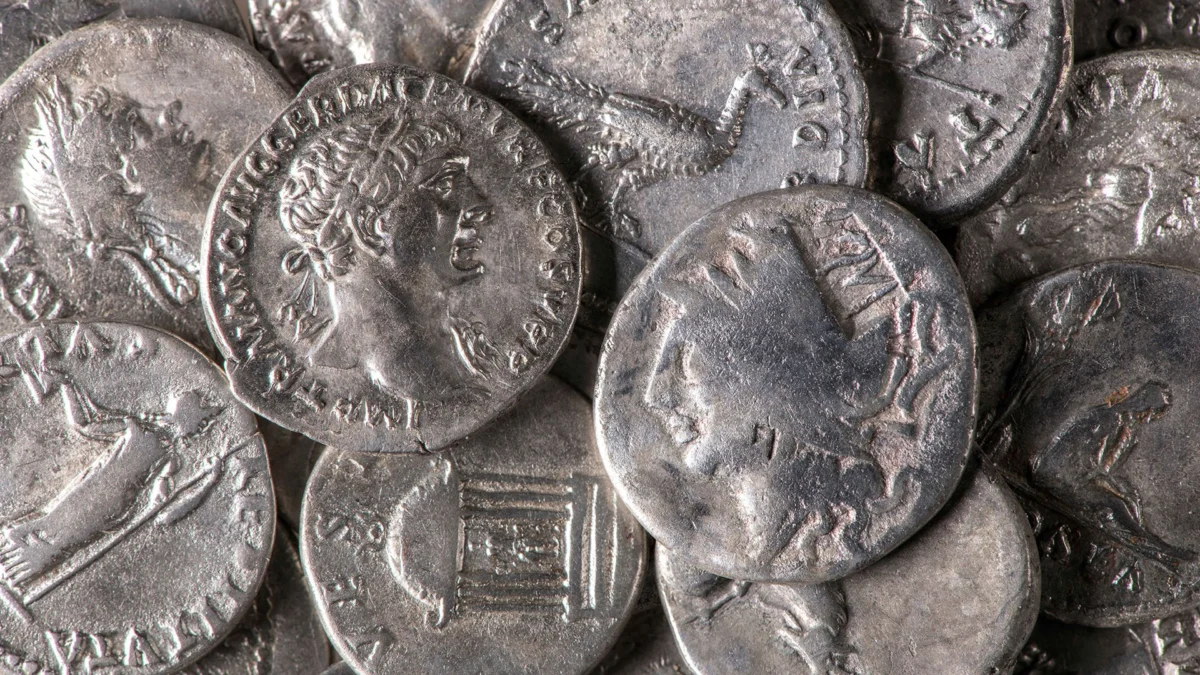
The recent unearthing of a magnificent archaeological treasure has sent ripples through the international academic community, offering a fascinating window into the economic and political realities of the ancient world. Archaeologists have announced the recovery of an extraordinary coin hoard consisting of more than 900 silver denarii, a discovery that marks the largest collection of Roman silver coins from the reign of the Emperor Hadrian ever found in the region. Weighing nearly 7 pounds (3.1 kilograms), this substantial accumulation of currency provides profound insights into trade, military payments, and wealth accumulation during the height of the Pax Romana.
The find has generated intense interest among numismatists and historians alike. As researchers begin the meticulous process of cleaning, cataloging, and analyzing the individual pieces, the hoard stands as a testament to the far-reaching influence of the Roman Empire and the intricate economic networks that bound distant provinces to the capital in Rome.
Anatomy of the Hoard: The Silver Denarii of the Early Empire
At the heart of the discovery is a collection exceeding 900 silver denarii. During the early Roman Empire, the denarius served as the backbone of the monetary system. It was the standard silver coin used to pay legionaries, purchase goods, and collect taxes across vast territories stretching from Britannia to Mesopotamia.
Each coin in the hoard is a miniature canvas of imperial propaganda and artistic expression. Struck in high-purity silver, the denarii bear the distinct profile of Emperor Hadrian on the obverse, accompanied by Latin inscriptions detailing his titles and accomplishments. The reverse sides feature a diverse array of imagery, ranging from personifications of Roman virtues such as piety, justice, and strength, to depictions of military triumphs, gods, and architectural achievements commissioned during Hadrian’s reign.
Weighing in at a cumulative 3.1 kilograms (nearly 7 pounds), the sheer volume of precious metal represented in the find indicates that this was not a casual collection of pocket change. In antiquity, such a sum represented a small fortune, potentially equivalent to several years of wages for a Roman soldier or skilled laborer. The weight and purity of the silver suggest that the owner possessed significant socioeconomic standing, though the precise circumstances of how and why the treasure was concealed remain a subject of active investigation.
The Reign of Hadrian: Contextualizing the Imperial Era
To fully appreciate the significance of the hoard, historians must look to the historical backdrop of Emperor Hadrian’s rule. Ruling from A.7. 117 to 138, Hadrian is widely remembered as one of Rome’s "Five Good Emperors." Unlike many of his predecessors who focused on aggressive territorial expansion, Hadrian prioritized the consolidation, fortification, and administrative stabilization of the existing empire. He is perhaps most famous for commissioning Hadrian’s Wall in northern Britain and for extensive travels throughout the provinces, inspecting garrisons and civic projects firsthand.
The monetary policy during Hadrian’s administration was generally stable, though emperors frequently adjusted the silver purity and weight of the denarius to manage inflation and state expenditures. The presence of such a concentrated volume of Hadrianic coinage in a single cache offers researchers a rare opportunity to study currency circulation patterns. Numismatists can analyze wear and tear, mint marks, and subtle variations in metal composition to determine how quickly money traveled from the imperial mints to the edges of the empire and how long individual coins remained in active circulation.
Chronology of the Discovery and Initial Recovery
While the formal announcement has captured public imagination, the path from unearthing to academic presentation involves a rigorous scientific protocol. Although the exact location and specific date of the initial discovery are managed closely by preservation authorities to protect the site from illicit looting, the chronology of post-recovery analysis follows established archaeological standards.
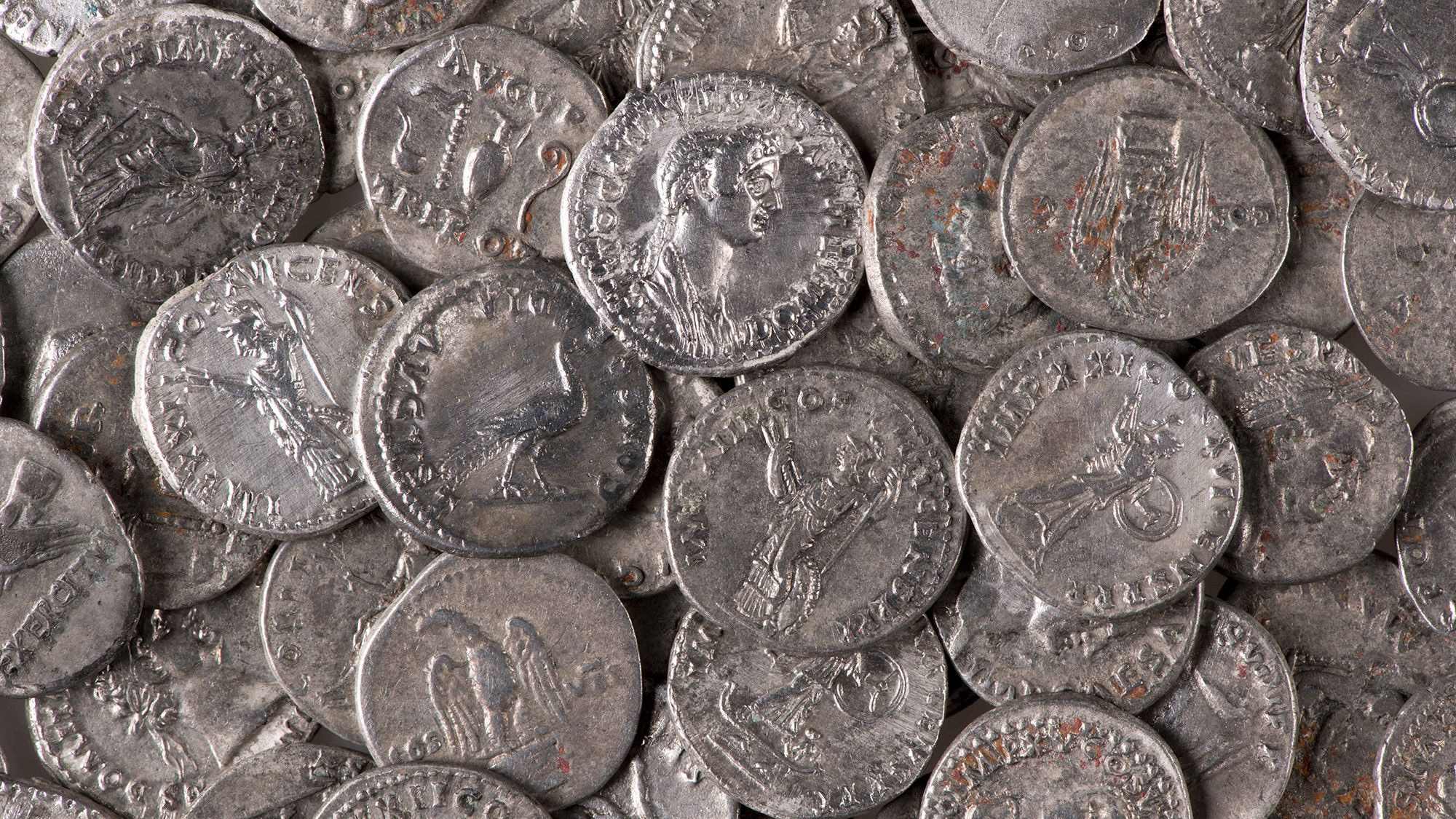
Following the initial detection—often facilitated by authorized metal detectorists working in collaboration with regional heritage agencies—trained archaeologists secure the site to ensure that no associated artifacts, such as pottery fragments, textiles, or structural remains, are overlooked. The coins themselves are typically recovered in a compacted mass, bound together by centuries of soil matrix and the natural oxidation products of silver.
Upon arrival at conservation laboratories, conservators employ specialized chemical and mechanical techniques to stabilize the silver. Removing the encrustations without damaging the delicate stamped surfaces requires extreme precision. Once cleaned, epigraphers and numismatists examine each coin individually, cross-referencing catalog numbers with standard numismatic corpora, such as the Roman Imperial Coinage (RIC) volumes, to establish a precise chronological sequence for the hoard. This process helps determine whether the coins were deposited all at once during a single historical event or accumulated gradually over a span of years.
Implications and Broader Archaeological Impact
The discovery of this monumental silver cache carries implications that extend far beyond numismatics, offering valuable data points for economic historians and classical archaeologists.
First, the hoard sheds light on the mechanisms of monetization in frontier or borderland provinces. While Italy and the urban centers of the Mediterranean were heavily monetized, the degree to which coin-based economies penetrated peripheral regions has long been a subject of scholarly debate. A cache of this magnitude demonstrates that substantial quantities of high-value imperial coinage circulated outside the Mediterranean core, indicating deep integration into the Roman economic sphere.
Second, the burial or concealment of such a valuable asset often points to a period of local instability, conflict, or economic crisis. In antiquity, burying treasure was a common method of safeguarding wealth during times of emergency, such as civil unrest, barbarian incursions, or sudden personal misfortune. If researchers can link the deposition of the coins to a specific historical event recorded in the region, the hoard could provide a critical archaeological anchor date, helping to refine the chronology of local settlement phases and destruction layers.
Moreover, the find underscores the vital partnership between professional archaeologists, governmental preservation offices, and the public. Many significant archaeological discoveries in modern times originate from responsible reporting by citizen scientists and metal detecting enthusiasts who immediately notify authorities upon encountering anomalous subsurface finds. This collaborative approach ensures that context is preserved and artifacts receive the museum-grade conservation they require.
Next Steps in Research and Public Exhibition
As the initial phase of cleaning and cataloging nears completion, the research team is expanding its scope to include archaeometric analyses. Non-destructive testing methods, such as X-ray fluorescence (XRF) spectroscopy, are being utilized to determine the exact alloy composition of the denarii. By analyzing trace elements within the silver, scientists hope to trace the origin of the ore used to strike the coins, potentially linking them to specific mining regions exploited by the Roman state, such as those in the Iberian Peninsula or the Balkans.
Plans are also underway to secure permanent or long-term housing for the collection within a prominent regional museum. Curators are designing dedicated exhibition spaces that will not only showcase the glittering array of silver denarii but also contextualize them within the broader narrative of daily life, governance, and economics during the Roman Empire. Interactive displays and educational programs are expected to accompany the exhibition, allowing visitors to explore the journey of the coins from imperial mints to their eventual resting place beneath the earth.
Ultimately, the recovery of these 900-plus silver denarii from the age of Hadrian serves as a powerful reminder of the tangible links that connect the modern world to antiquity. Through careful scientific inquiry and dedicated preservation efforts, this remarkable hoard will continue to yield secrets, enriching our understanding of the ancient Roman world for generations to come.










Leave a Reply