
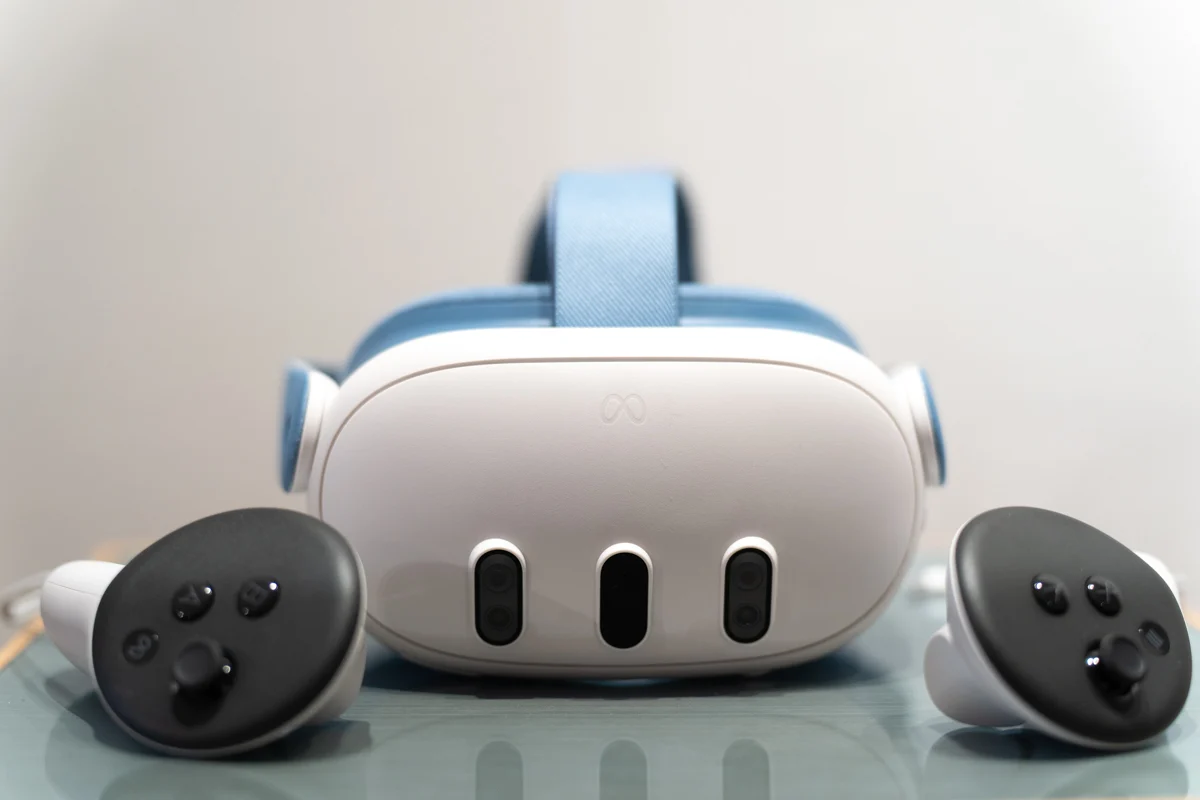
Meta Platforms Inc. has announced significant price increases across its popular Meta Quest virtual reality headset lineup, attributing the adjustments to the escalating global costs of critical memory chips. Effective April 19, 2026, the Meta Quest 3S (128GB) will see its price rise by $50, moving from its current retail price to $349.99. Similarly, the 256GB version of the Meta Quest 3S will also increase by $50, reaching $449.99. The flagship Meta Quest 3 is set to experience the most substantial hike, with its price escalating by $100 to $599.99. This decision, communicated via a company blog post on Thursday, April 16, 2026, marks a pivotal moment for Meta’s VR strategy, reflecting broader economic pressures impacting the consumer electronics sector.
The company explicitly stated its rationale in the announcement: “We’re making this change because the cost of building high-performance VR hardware has risen significantly. The global surge in the price of critical components – specifically memory chips – is impacting almost every category of consumer electronics, including VR. To keep delivering the quality of hardware, software, and support you expect from the Quest platform, we need to adjust our pricing.” This direct acknowledgment underscores the pervasive influence of semiconductor market volatility on product pricing, forcing even market leaders like Meta to recalibrate their commercial strategies. The updated pricing schema will also extend to refurbished Meta Quest units, ensuring consistency across the product spectrum, while accessories for the Meta Quest line are slated to retain their current pricing, providing some relief for consumers seeking add-ons.
The Global Semiconductor Crunch: A Deep Dive into Memory Chip Dynamics
Meta’s explanation for the price hikes points directly to the global surge in memory chip costs, a phenomenon that has been a significant concern across the technology industry for several years. Memory chips, primarily Dynamic Random-Access Memory (DRAM) and NAND flash memory, are fundamental components in virtually all modern electronic devices, from smartphones and personal computers to servers, automotive systems, and, crucially, high-performance VR headsets. These chips are responsible for temporary data storage (DRAM) and persistent data storage (NAND), enabling the rapid processing and retrieval of information essential for the immersive and complex virtual environments that Meta Quest headsets are designed to deliver.
The current escalation in memory chip prices is not an isolated event but rather the culmination of several macroeconomic and industry-specific factors. Supply chain disruptions, initially triggered by the global pandemic, have persisted in various forms, including manufacturing bottlenecks, logistics challenges, and geopolitical tensions affecting raw material sourcing. Simultaneously, demand for memory chips has seen unprecedented growth. The proliferation of artificial intelligence (AI) technologies, requiring massive amounts of data processing and storage, has led to a significant increase in orders from data centers and AI development firms. Furthermore, the ongoing expansion of 5G infrastructure, the burgeoning Internet of Things (IoT) market, and a sustained demand for high-performance computing have all contributed to a strained supply-demand balance.
Industry analysts from firms like TrendForce and Gartner have consistently reported on the upward trajectory of memory chip prices, particularly for DRAM, since late 2023, projecting continued increases through 2024 and potentially into 2025. This trend is driven by factors such as major memory manufacturers scaling back production earlier in anticipation of a market downturn, only to be met with a sudden resurgence in demand, leaving them playing catch-up. Additionally, the transition to more advanced manufacturing processes for these chips is capital-intensive and time-consuming, further limiting the rapid expansion of supply to meet burgeoning demand. For a device like the Meta Quest 3, which relies on cutting-edge processors and high-speed memory to render complex mixed-reality experiences, the cost of these components represents a substantial portion of the overall bill of materials, making it highly susceptible to market fluctuations.
A Chronology of Price Adjustments and Market Context
While the immediate impact of Meta’s announcement is on the price adjustments taking effect on April 19, 2026, it’s essential to place this decision within a broader timeline of Meta’s VR hardware strategy and pricing. The Meta Quest line, particularly since the introduction of the Quest 2 in 2020, has been pivotal to Meta’s ambitious push into the metaverse. The Quest 2 was initially launched at an aggressive price point of $299, a strategy that helped it dominate the standalone VR market by making VR accessible to a much wider audience. This initial pricing was crucial for establishing a significant user base, which in turn attracted developers and content creators.
However, Meta has previously demonstrated a willingness to adjust pricing based on market conditions and strategic imperatives. In July 2022, Meta raised the price of the Quest 2 by $100, citing increased manufacturing and shipping costs. This move, while controversial among some users, preceded the launch of the higher-end Meta Quest Pro in October 2022, priced at $1,499.99, and the subsequent launch of the Meta Quest 3 in October 2023, which debuted at $499.99 for the 128GB model. The current price increases for the Quest 3S and Quest 3 models, occurring just over six months after the Quest 3’s initial release, indicate a more immediate and significant response to component cost pressures than previous adjustments. This swift action underscores the severity of the memory chip market’s impact and Meta’s commitment to maintaining profitability or minimizing losses in its Reality Labs division, which has historically reported substantial operating losses as Meta invests heavily in the metaverse.
Broader Industry Trend: Meta Joins a Growing List
Meta is far from alone in facing these pricing pressures. Its decision to raise hardware prices due to component costs mirrors similar actions taken by other major consumer electronics manufacturers in recent months and years. The blog post itself explicitly mentions Samsung, Microsoft, and Sony as peers who have also adjusted prices in response to the memory chip shortage and other inflationary pressures.
- Samsung: A global leader in smartphones and other electronics, Samsung has reportedly adjusted prices for various devices, including certain Galaxy phone and tablet models, acknowledging the rising costs of components, particularly RAM. As a major memory chip manufacturer itself, Samsung has unique insights into the market dynamics, yet even it cannot fully insulate its consumer products from global pricing trends.
- Microsoft: The Redmond-based tech giant has also revealed significant price increases for its Surface Pro and Laptop PCs. The Surface line, known for its premium design and performance, relies heavily on high-end processors and memory, making it vulnerable to semiconductor market fluctuations. These adjustments reflect the broader impact on the PC market, where component costs directly influence retail prices.
- Sony: In the gaming console market, Sony increased the price of its PlayStation 5 console in various markets globally, including Europe, Japan, China, Australia, Mexico, and Canada, citing high global inflation rates and adverse currency trends, alongside rising component costs. This decision, affecting one of the most sought-after consumer electronics products, highlights the widespread nature of these economic headwinds.
These examples illustrate that the phenomenon Meta is experiencing is systemic. The interconnectedness of global supply chains means that a surge in the price of a fundamental component like memory chips inevitably ripples across multiple industries. From gaming consoles requiring vast amounts of high-speed RAM for rendering complex graphics to professional workstations needing abundant, reliable memory for intensive tasks, virtually no segment of consumer electronics remains untouched. This collective trend suggests that consumers should anticipate continued volatility in hardware pricing as long as the underlying component market remains constrained.
Impact on Consumers and VR Adoption
The price increases for Meta Quest headsets carry significant implications for consumers and the broader adoption of virtual and mixed reality technologies. For many potential buyers, especially those considering their first foray into VR, price is often the most critical barrier to entry. The Quest 2’s initial sub-$300 price point was a key factor in its success, making advanced VR accessible to a mass market. While the Quest 3S and Quest 3 still offer competitive value compared to some high-end alternatives, these price hikes make them less affordable than before.

For consumers on the fence, an additional $50 or $100 could be a decisive factor, potentially deferring purchases or driving them towards older, cheaper models if available. This could slow the rate of new user acquisition, which is crucial for expanding Meta’s metaverse vision and fostering a robust VR ecosystem. Existing Quest users contemplating an upgrade might also find the increased cost a deterrent, extending the lifecycle of their current devices rather than moving to the latest generation.
On the other hand, Meta’s pricing strategy is a delicate balancing act. By increasing prices, Meta aims to offset rising production costs, potentially reducing the financial losses incurred by its Reality Labs division. This could be viewed as a necessary step to ensure the long-term viability and continued investment in the Quest platform and its underlying technology. If Meta were to absorb all these increased costs, it could strain its financial resources, potentially impacting future R&D, software development, or even the quality of future hardware iterations. The question remains whether the market will accept these higher prices without a significant slowdown in sales volume.
Competitive Landscape and Market Dynamics
The adjusted pricing for the Meta Quest line also reconfigures its position within the competitive VR and MR landscape. Meta currently holds a dominant market share in the standalone VR headset segment, largely due to its accessible pricing and extensive content library. However, the market is becoming increasingly competitive.
- Apple Vision Pro: While operating in a significantly higher-end, premium segment (starting at $3,499), Apple’s entry with the Vision Pro has raised the profile of spatial computing and mixed reality. Although not a direct competitor to the Quest 3 in terms of price, its presence sets a new benchmark for what advanced MR can achieve, potentially influencing consumer expectations and perception of value across the entire market.
- Pico (ByteDance): Pico, backed by ByteDance (the parent company of TikTok), has been Meta’s primary competitor in the standalone VR space, particularly in certain international markets. Should Pico choose to absorb more of its component costs or leverage its parent company’s resources, it could potentially gain a competitive edge by maintaining lower prices, appealing to budget-conscious consumers.
- Other PC VR Headsets and Budget Options: The price increases for Quest headsets might also make PC VR options (which often require a powerful gaming PC) or even older, cheaper standalone headsets more attractive to a segment of the market. This could fragment the user base and dilute Meta’s ecosystem dominance.
Meta’s move could be seen as a calculated risk. It prioritizes financial stability and continued investment in high-quality hardware over aggressive market share expansion at any cost. The success of this strategy will depend on the perceived value of the Quest platform and the inelasticity of demand for VR experiences among its target audience.
Implications for the Developer Ecosystem and Content Creation
A thriving developer ecosystem is critical for the long-term success of any platform, and VR is no exception. A large and growing user base incentivizes developers to invest time and resources into creating compelling games, applications, and experiences. If the Meta Quest price increases lead to a slowdown in hardware sales and new user acquisition, it could have ripple effects on the developer community.
Developers might perceive a reduced market opportunity, potentially leading to less investment in new VR content or a shift in focus to other platforms with larger or more rapidly growing user bases. This could, in turn, slow down the expansion of the Quest content library, making the platform less attractive to new users and creating a negative feedback loop. Meta has consistently emphasized the importance of its content library and developer support as key differentiators. Maintaining this momentum becomes more challenging if hardware adoption decelerates. However, if Meta’s price adjustment allows for sustained investment in the platform’s underlying technology and developer tools, it could ultimately benefit the ecosystem in the long run by ensuring a more robust and innovative platform.
Meta’s Financial Outlook and Strategic Imperatives
Meta’s Reality Labs division, which encompasses its VR and AR hardware and software initiatives, has been a significant drain on the company’s profitability. In recent financial reports, Reality Labs has consistently reported billions of dollars in operating losses as Meta pours vast resources into realizing its metaverse vision. These price increases, while potentially impacting sales volume, are a clear attempt to mitigate some of these losses by passing on increased production costs to consumers.
From a strategic perspective, Meta remains deeply committed to the metaverse, viewing it as the next major computing platform. Investing in high-performance VR hardware is fundamental to this vision. By adjusting prices, Meta aims to ensure that it can continue to invest in cutting-edge research and development, manufacturing, and marketing for its Quest line and future AR/VR devices without excessively compromising its overall financial health. This move could signal a shift towards a more sustainable business model for its hardware division, even if it means sacrificing some growth in user numbers in the short term. It underscores the long-term nature of Meta’s metaverse bet and its willingness to make tough decisions to fund that ambitious future.
The Future of VR Hardware Pricing
The current situation highlights the inherent challenges in bringing advanced technology to a mass market, particularly when global supply chains and component costs are volatile. As long as the demand for memory chips from sectors like AI and data centers remains robust, and manufacturing capabilities struggle to keep pace, consumers should anticipate continued pressure on the pricing of high-tech devices like VR headsets.
The long-term trajectory for VR hardware pricing will likely be a balance between economies of scale achieved through increased adoption, technological advancements that reduce component costs, and the ongoing volatility of the global semiconductor market. While initial high prices for cutting-edge technology are common, the goal for mass-market adoption is typically a downward trend. Meta’s current adjustments represent a temporary, but significant, deviation from that ideal, driven by external economic forces rather than internal strategic choice to increase profit margins alone. The industry will be watching closely to see how these price changes impact Meta’s market position and the broader VR ecosystem in the coming months and years.










Leave a Reply