Marie Noon’s daily regimen is a testament to the complex medical needs of individuals managing chronic conditions. Eight medications are essential to her well-being: one to prevent dangerous heart rate spikes and the risk of stroke, another to ward off debilitating headaches, and a third to manage fluid retention. These are just a few of the pharmaceuticals that have become indispensable since her diagnosis more than a decade ago with adult-onset Still’s disease, a rare and aggressive form of inflammatory arthritis that can manifest with a host of severe symptoms, including painful rashes, chronic pain, and persistent fevers.
Before her diagnosis, Noon led a life that many would recognize as the quintessential suburban existence in Michigan. Her days were filled with the logistics of raising two children, coordinating their participation in activities like cheerleading, choir, and track, while also remaining an active member of the Parent Teacher Association and managing her professional responsibilities as a bank manager. This vibrant, active life was abruptly and dramatically altered by her illness. She recounts a harrowing transition from managing schedules and professional duties to the agonizing reality of crawling to the bathroom due to overwhelming pain, a period she describes with poignant honesty as "just crying all day long" from the sheer misery of being so sick.
The severity of her condition rendered Noon unable to work for eight years, a period punctuated by extended hospitalizations that often lasted for weeks. "I honestly thought I was going to die," she confessed, reflecting on the profound despair she experienced during this time. It was therefore a profound shock, and a source of immense distress, when her application for Medicaid benefits was denied by the state of Michigan last year, shortly after she lost her private insurance. The situation was further compounded by the revelation that this critical denial was reportedly the result of an information technology error, according to the attorney who ultimately assisted Noon in overturning the decision. "I can’t afford my medical care. I have to have insurance," Noon emphasized, highlighting the precariousness of her situation as she has since returned to work.
The Role of Deloitte in State Medicaid Systems
The challenges faced by Marie Noon are not isolated incidents but appear to be part of a larger systemic issue involving the complex technological infrastructure that underpins state Medicaid eligibility systems. A significant portion of this critical infrastructure nationwide is managed by Deloitte, a global consulting firm. Since 2006, Deloitte has secured contracts totaling approximately $768 million for its work on Michigan’s Medicaid eligibility system. This extensive involvement positions Deloitte as a dominant player in managing access to essential government safety net benefits, with contracts in at least 25 states for building or operating similar computer systems.
KFF Health News investigations have revealed a pattern of problems within Michigan’s system, specifically the "Bridges" platform, which has been implicated in erroneously directing individuals with disabilities into less comprehensive benefit plans or outright denying them coverage. These systemic flaws echo concerns raised in other states. Similar issues were at the heart of a class-action lawsuit in Tennessee, and have also been reported in Texas, according to interviews and state records. These investigations draw upon a range of sources, including statements from state officials, court documents, public records requests, information provided to Medicaid enrollees, and interviews with legal professionals and affected individuals.
In response to these findings, Deloitte spokesperson Karen Walsh stated in an emailed message that the company found "no system anomalies causing routine denials of Medicaid for people with disabilities." Walsh further elaborated, "There are many reasons why someone may no longer be eligible for a benefit they once received or believe they deserve. All of the eligibility systems we support are owned by the states and built to their unique specifications. We will continue to work at the direction of our state clients."

Lynn Sutfin, a spokesperson for Michigan’s Department of Health and Human Services, echoed a similar sentiment, stating that the department is "not aware of any widespread or systemic issues" within the Bridges system concerning disability-based eligibility pathways. However, state records indicate that Deloitte has been responsible for the development, implementation, maintenance, operations, and enhancements of the Michigan system since 2006, underscoring the company’s deep integration into the state’s benefit administration.
A Looming Crisis: Systemic Strain and Federal Mandates
The reported issues with Deloitte-managed systems are particularly concerning as states grapple with significant and complex changes to their Medicaid programs, mandated by federal legislation. These upcoming changes, driven by new federal requirements, are placing immense pressure on states to update their eligibility computer systems within tight deadlines. This technological overhaul comes at a time when millions of Americans rely on Medicaid, with approximately 15.5 million individuals on the program having a disability, according to KFF data.
Pamela Herd, a professor at the University of Michigan specializing in bureaucratic obstacles to accessing government benefits, warned of the potential for widespread disruption. "When these administrative systems get overloaded, everyone gets impacted," she stated. "The systems are going to be really, really strained." The complexity of correctly classifying individuals for Medicaid eligibility is crucial, as it dictates the specific rules and restrictions that apply to their coverage. The new federal law introduces significant changes to both SNAP (Supplemental Nutrition Assistance Program) and Medicaid, with SNAP restrictions beginning in 2025 and major Medicaid provisions rolling out later this year, often timed around key political events.
Marie Noon’s Case: A Systemic Failure
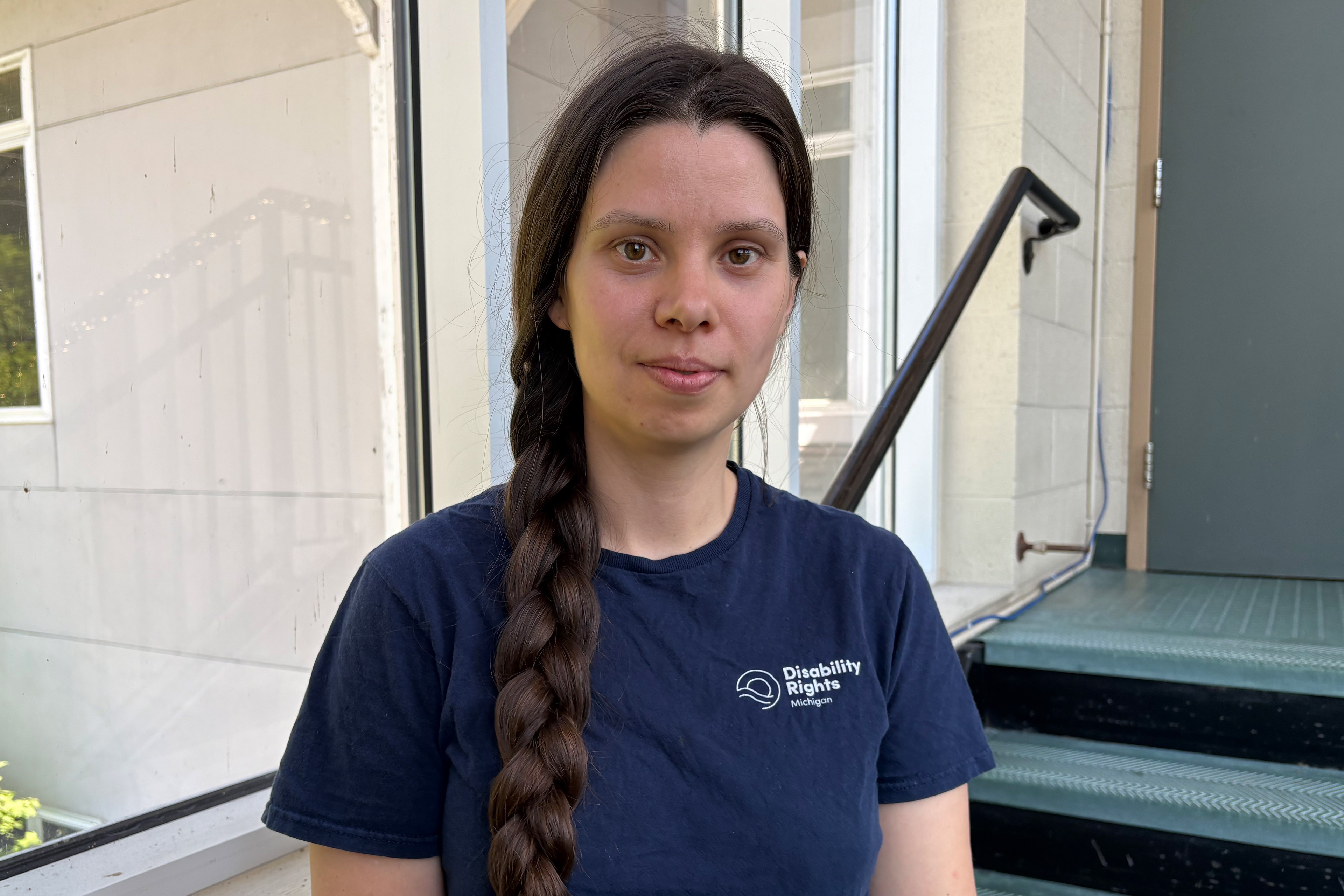
Marie Noon’s eligibility for Medicaid was based on a program designed to provide coverage for disabled adults who are employed. However, Michigan’s computer system failed to recognize her disability status, incorrectly classifying her income as too high to qualify. This misclassification, detailed in documents reviewed by KFF Health News and corroborated by Noon and her attorney, Anastassia Kolosova, a disability rights attorney with Disability Rights Michigan, led to the denial of her benefits.
Without Medicaid, Noon faced the daunting prospect of paying hundreds of dollars out-of-pocket for her essential medications, resorting to discount coupons and financial strain. The uncertainty surrounding her monthly prescription costs, which could fluctuate dramatically, added immense stress to an already challenging situation. "I’m toast," she said, underscoring her dependence on these medications. Even her doctor was compelled to reduce the frequency of her visits to mitigate the escalating medical bills. "It was kind of a nightmare," Noon recounted.
Kolosova, who has been working to advocate for Noon and others facing similar challenges, has found it difficult to secure meetings with Michigan officials to understand the root causes of these eligibility system failures. She has observed a growing number of calls from individuals experiencing denials for the "Freedom to Work" benefit, noting an increase of "two or three a month." "There’s something wrong with the system if they’re relying on individual caseworkers to catch this," Kolosova stated. "The system needs to work."
A Pattern of Errors: Tennessee, Texas, and Michigan
The issues plaguing Michigan’s Medicaid eligibility system are not unique. KFF Health News investigations have previously highlighted a history of errors in Deloitte-run systems across the country that have resulted in eligible individuals being deprived of crucial benefits. In Tennessee, a class-action lawsuit filed in 2020 alleged that the Deloitte-built system "does not reliably test for eligibility" for various categories of individuals with disabilities. The state’s contract with Deloitte for this system is valued at $1.12 billion over a decade. In 2024, a federal judge ruled in favor of the Medicaid beneficiaries, finding that Tennessee had violated federal law and the U.S. Constitution. While Deloitte was not named as a defendant in this suit, the ruling underscored the systemic problems within the state’s eligibility determination processes.
In Texas, a similar situation unfolded in 2023 when Lilly Livingston, a 22-year-old woman with Down syndrome who requires extensive medical care including speech and occupational therapy, was abruptly removed from Medicaid. Her mother, Marie Livingston, reported that her daughter was erroneously enrolled in "Healthy Texas Women," a program offering limited services such as breast and cervical cancer screenings and family planning. Terry Anstee, an attorney with Disability Rights Texas, intervened, sending urgent emails to state Medicaid officials describing the error and its detrimental impact on Livingston’s post-surgical recovery. While Texas Health and Human Services spokesperson Jennifer Ruffcorn confirmed an error in Livingston’s enrollment, she disputed claims of a lapse in coverage. Anstee, however, maintains that Livingston did experience gaps in her essential medical coverage during that period.
Michigan has also seen instances of individuals with disabilities being improperly enrolled in "Plan First," a limited Medicaid program focused on sexual health and family planning services, which fails to provide the comprehensive care many with disabilities require. Advocates expressed concerns in emails obtained by KFF Health News, highlighting that individuals who had long received Medicaid due to their disability were being automatically enrolled in Plan First, thus losing access to "services essential to their recovery and quality of life." State records indicated a notable decline in Medicaid enrollment for individuals with disabilities in Michigan, a trend that was considered unusual given the typical reasons for disenrollment.
Systemic Deficiencies and Contractual History
A 2010 report from Michigan’s Office of the Auditor General identified deficiencies in how government agencies managed the Bridges system, citing a failure to ensure the state could independently maintain and operate the system due to the contractor’s insufficient knowledge transfer. This resulted in significant cost overruns, with the initial contract’s value ballooning by over 71%. Despite these historical concerns, Deloitte’s latest contract with Michigan, valued at $197.4 million, is set to run until 2030.
In Marie Noon’s case, her application for Medicaid in August was met with a denial notice in September, citing incorrect income information and a lack of disability status, despite the state possessing all necessary documentation. Noon’s struggle to navigate the appeals process, which involved paying for her medications out-of-pocket for months, only concluded in January when her coverage was finally reinstated. "I literally cried," Noon said, emphasizing the profound relief and emotional weight of this resolution. "It was a really big deal."
The Michigan Department of Health and Human Services, in response to inquiries from KFF Health News, acknowledged implementing changes to the system in January 2025 to prevent the automatic approval of Plan First benefits before all other coverage options are evaluated. While the state maintains these changes were not to correct "system errors," they were implemented following advocacy concerns. Deloitte declined to comment on specific details of Noon’s or Livingston’s cases.
The ongoing reliance on complex IT systems for the administration of vital safety net programs like Medicaid highlights a critical vulnerability. As states face the daunting task of updating these systems to comply with new federal mandates, the potential for similar errors and the ensuing hardship for vulnerable populations remains a significant concern. The experience of individuals like Marie Noon serves as a stark reminder of the human cost when technological failures intersect with the essential provision of healthcare. The robust oversight and reliable functioning of these systems are paramount to ensuring that those who depend on them for their health and well-being can access the care they need without undue burden or distress.