
Evaluating the long-term value of premium credit cards has become an essential part of personal financial management for millions of consumers. While travel rewards, cash-back incentives, and lifestyle perks often justify the upfront costs of holding credit cards with annual fees, consumers frequently reach a point where a card no longer aligns with their spending habits or travel patterns. When an annual fee posts to an account unexpectedly or after careful consideration of a card’s utility, cardholders are often left wondering about their options for securing a full or partial refund.
Understanding the mechanics of credit card annual fee refund policies requires a careful examination of how major financial institutions handle account closures and product downgrades. Because these regulations and internal guidelines are not standardized across the banking industry, cardholders face a fragmented landscape where grace periods, prorated refund availability, and customer service discretion vary significantly from one issuer to the next.
The Mechanics of Annual Fee Billing and Grace Periods
When a credit card issuer assesses an annual fee, the charge appears directly on the monthly billing statement. For consumers who decide to part ways with the card, the timing of their notification to the bank is critical. Most major credit card companies maintain a designated grace period—often referred to informally as a cancellation window—during which a cardholder can close the account or downgrade to a no-fee alternative and receive a 100% refund of the charged fee.
However, these windows are strictly enforced and differ substantially depending on the financial institution. Furthermore, distinctions frequently exist between completely closing an account and simply shifting the credit line to a lower-tier product offered by the same bank. While some issuers treat both actions equally regarding fee refunds, others impose complex restrictions that can impact a consumer’s future eligibility for welcome bonuses or promotional credit card offers.
State-Level Regulations and Legislative Exceptions
While federal guidelines provide a broad framework for credit card disclosures under the Truth in Lending Act, specific consumer protections regarding annual fee refunds are rarely codified at the national level. An exception exists in the Commonwealth of Massachusetts, where state legislation dictates that residents who cancel a credit card at any point during the billing year are legally entitled to a prorated refund amounting to two-thirds of the annual fee.
Despite this clear legal mandate, consumer advocates and financial analysts note that practical enforcement remains challenging. Cardholders frequently report encountering resistance from customer service representatives who are either unfamiliar with state-specific statutes or bound by internal bank software that automates billing systems without accounting for regional exceptions. Additionally, consumers must weigh the immediate financial recovery of a prorated fee against potential administrative friction with the issuing bank.

Comparative Analysis of Major Card Issuer Policies
To assist consumers in managing their credit portfolios effectively, financial experts track the distinct policies maintained by the most prominent credit card issuers in the travel rewards and points ecosystem. Each institution approaches the refund window through its own operational lens.
American Express Annual Fee Refund Policy
American Express maintains a widely recognized policy allowing cardholders to cancel or downgrade an eligible credit card within 30 days of the annual fee appearing on the billing statement to receive a full refund. If a cardholder decides to close the account after this 30-day window has elapsed, American Express does not issue prorated refunds for the remainder of the year.
However, downgrading a card after the initial 30-day period can sometimes yield a prorated refund of the fee, depending on the specific product category. Financial planners advise caution when considering Amex product changes due to the company’s well-documented "once in a lifetime" rule regarding welcome bonuses. Executing a product downgrade or closure incorrectly can permanently disqualify a consumer from earning introductory rewards on that specific card family in the future.
Bank of America Annual Fee Refund Policy
Bank of America stands apart from most of its competitors by lacking a strict, publicly codified timeline for annual fee refunds. While anecdotal evidence from cardholders indicates that requests made within 30 days of the fee posting are frequently granted, this outcome is not guaranteed by a formal corporate policy. Instead, Bank of America customer service representatives often evaluate refund requests on a case-by-case basis, taking into account the customer’s overall banking relationship, total deposit balances, and historical account activity.
Barclays Annual Fee Refund Policy
Barclays provides a relatively generous window for consumers seeking to reverse an annual fee charge. Cardholders typically have up to 60 days from the date the fee is billed to either cancel the account or downgrade the product and secure a complete refund. Beyond this 60-day threshold, Barclays does not offer prorated refunds, making timely decision-making essential for anyone holding a Barclays-issued co-branded travel card.
Capital One Annual Fee Refund Policy
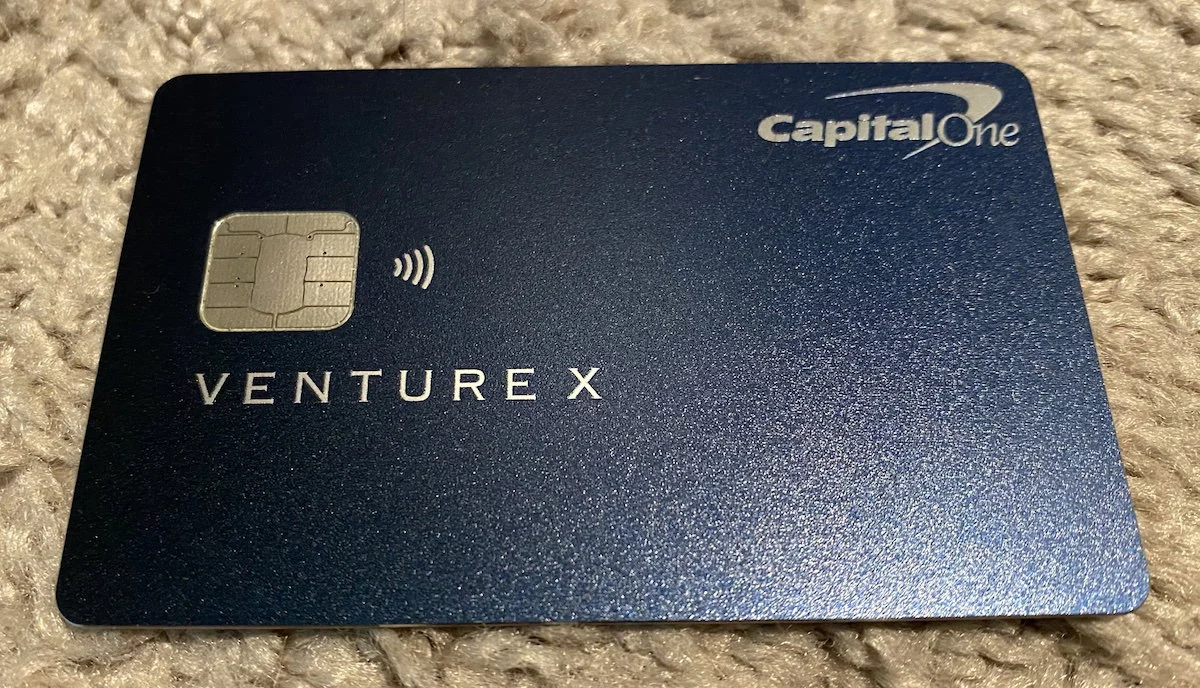
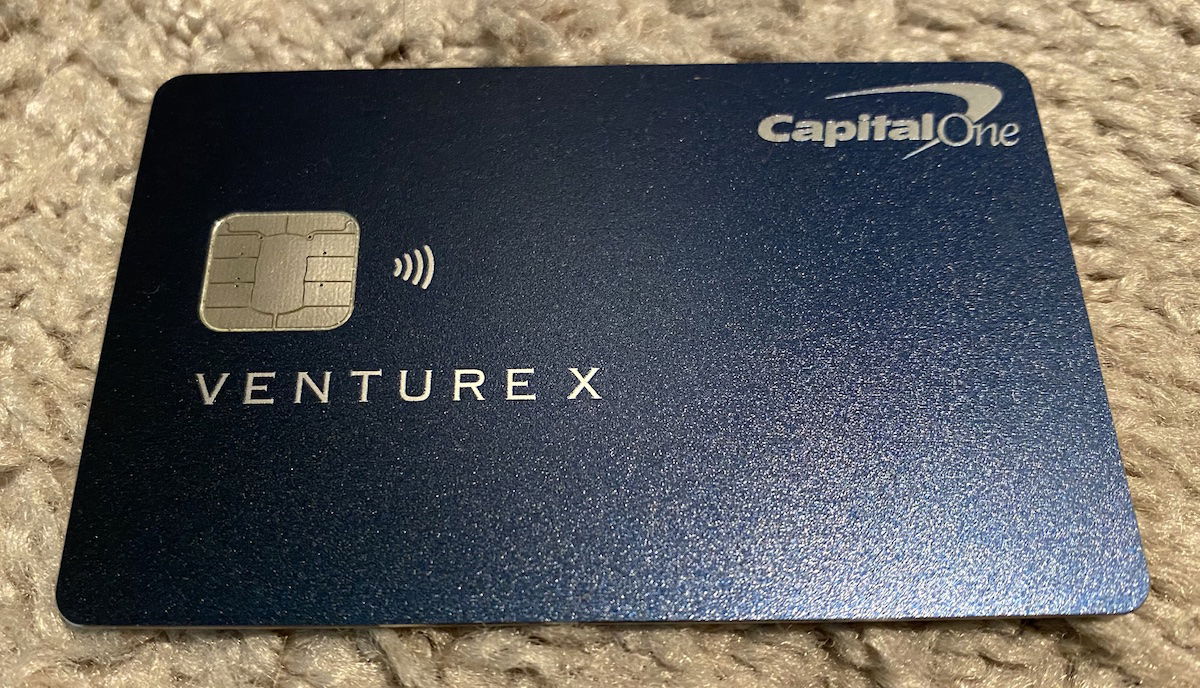
Capital One operates with a moderate degree of inconsistency regarding fee reversals, according to customer data and industry tracking. The general consensus among financial advisors is that cardholders have a 39-day window from the billing date to cancel an account and receive a full refund of the annual fee. However, executing a product downgrade within this same timeframe does not always trigger an automatic refund, and consumers may find themselves locked into paying the full fee despite moving to a different product tier.
Cardless Annual Fee Refund Policy
As co-branded credit cards continue to gain traction through partnerships with innovative financial technology platforms like Bilt, newer issuers are establishing their own operational standards. Cardless, which manages various partner cards, exhibits mixed policy execution. For certain niche products, reports suggest that once an annual fee is billed, it is entirely non-refundable—representing one of the strictest stances in the modern credit industry. Conversely, for specific high-profile portfolios such as the Bilt-affiliated products, issuers generally align with industry norms by providing a 30-day grace period for cancellations and full fee reversals.
Chase Annual Fee Refund Policy
Chase maintains a straightforward and transparent approach to annual fee management. Cardholders can typically cancel or downgrade any personal or business credit card within 30 days of the annual fee posting to the account to secure a complete refund. Chase does not issue prorated refunds once this 30-day window closes, ensuring that account management remains predictable for both the consumer and the institution.
Citi Annual Fee Refund Policy
Citibank offers a slightly extended grace period compared to some of its peers, allowing cardholders to cancel or downgrade eligible credit cards within 37 days of the annual fee appearing on their statement. Much like Chase and American Express, Citi does not accommodate requests for prorated refunds once the designated 37-day window has expired.
Why Credit Card Annual Fee Refund Policies Matter
Understanding the specific nuances of credit card refund timelines carries significant financial implications for conscientious consumers. As annual fees on premium travel and lifestyle cards continue to rise—frequently crossing the $400, $500, or even $600 thresholds—the financial impact of holding an unutilized card is substantial.
For consumers actively auditing their wallet composition, missing a cancellation window by even a few days can result in hundreds of dollars in sunk costs for benefits they no longer intend to use. Furthermore, awareness of these policies enables cardholders to strategically evaluate whether a card’s newly renewed slate of perks offsets the cost before the non-refundable deadline passes. Proper timing also helps consumers avoid negative impacts on their credit scores, as strategic downgrades executed within the grace period preserve average account age and total available credit without incurring unnecessary expenses.
Broader Industry Trends and Consumer Implications
The divergence in annual fee refund policies across major financial institutions highlights a broader trend within the consumer banking sector: the shift toward automated, digitized account management with rigid internal parameters. As banks invest heavily in algorithmic customer service and streamlined digital portals, human discretion in waiving or refunding fees has become increasingly rare outside of premier banking tiers.
Industry analysts note that credit card issuers view annual fees as a primary revenue driver, particularly as competition in the rewards space intensifies. Consequently, grace periods are designed to protect consumer trust by offering a reasonable window to rectify an accidental renewal or a late cancellation decision, without opening the door to extended use followed by partial refunds.
For cardholders, navigating this environment requires proactive calendar management and a clear understanding of billing cycles. By tracking account anniversary dates and familiarizing themselves with the specific rules enforced by individual issuers, consumers can protect their personal finances, optimize their rewards strategies, and avoid paying for financial products that no longer serve their needs.









Leave a Reply