
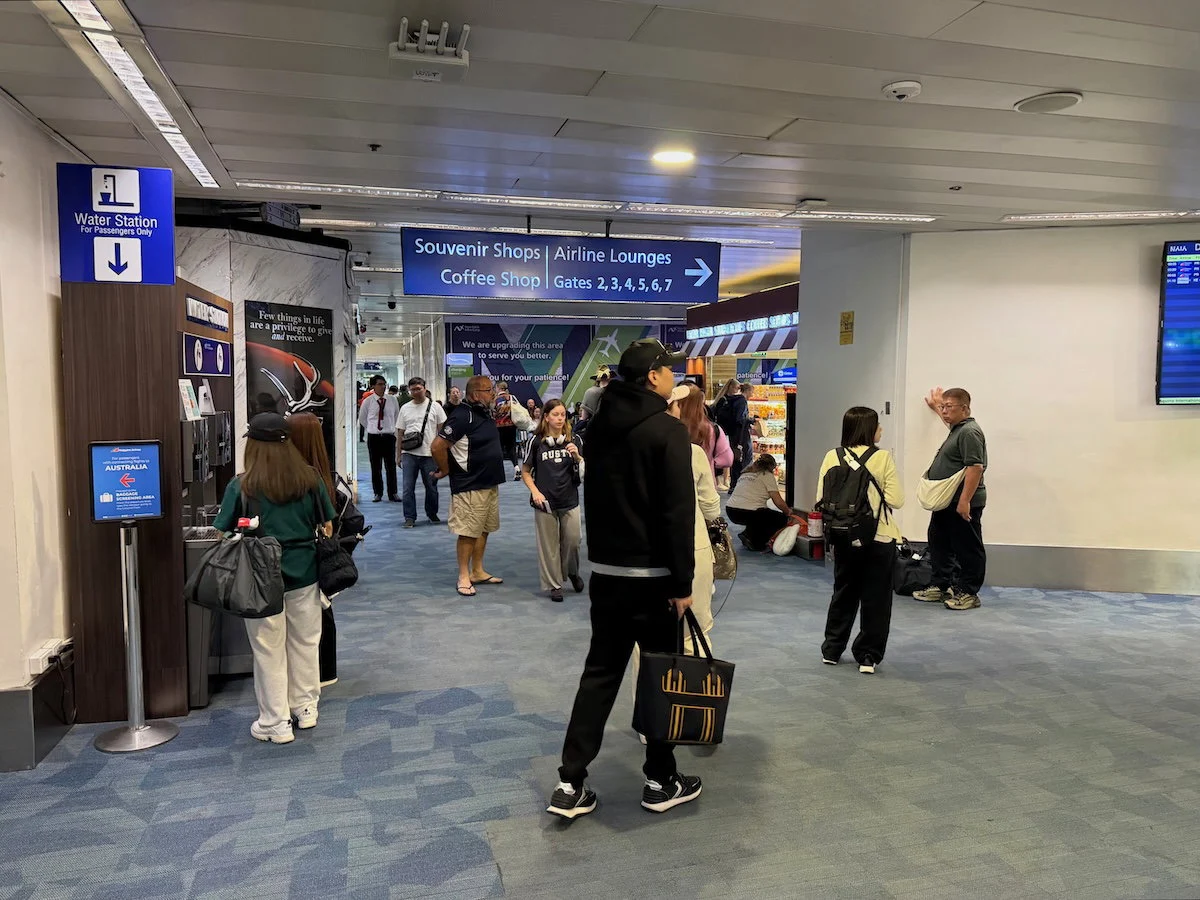
The modern aviation landscape places an extraordinary emphasis on the seamless connectivity of international hubs, viewing transit infrastructure not merely as a utility, but as a critical competitive differentiator. For carriers seeking to expand their global footprint, the ground experience offered to connecting passengers can dictate brand loyalty just as effectively as the hard product onboard the aircraft. Recent evaluations of Philippine Airlines (PAL) and its primary hub at Ninoy Aquino International Airport (NAIA) Terminal 1 in Manila, however, highlight systemic challenges that continue to plague international transit and lounge hospitality in the region.
Main Facts and Operational Overview
Philippine Airlines has steadily pursued a growth strategy heavily reliant on international transit passengers, channeling travelers from North America, the Middle East, and various points across Asia through its primary hub in Manila. Ideally, an airline’s hub operations should provide an intuitive, streamlined environment that minimizes friction and expedites connections.

However, arriving at NAIA Terminal 1 for an extended international-to-international transit reveals a starkly different reality. Despite remaining within the same terminal—thereby avoiding the notoriously complex terminal transfers that have historically burdened NAIA—passengers encounter significant operational bottlenecks immediately upon deplaning.
Chronology of a Typical Transit Experience
The passenger journey through the Manila transit system unfolds through a series of distinct infrastructural hurdles, beginning almost immediately after disembarking the aircraft.
-
Deplaning and Security (T+0 to T+40 Minutes): Upon entering the terminal concourse, passengers frequently encounter unexpected queues. In recent observations, what initially appeared to be an immigration line was revealed to be the centralized transit security checkpoint for international travelers. The checkpoint relies on a remarkably constrained configuration, utilizing a single metal detector and scanner to process connecting passengers. This setup generates extended delays, with wait times stretching up to 40 minutes simply to clear secondary security screening.

-
Terminal Navigation and Vertical Mobility (T+40 to T+50 Minutes): Following security clearance, passengers are required to manually transport carry-on luggage up a flight of stairs, as elevator access in this specific transit corridor is severely restricted. While able-bodied travelers manage the physical exertion, the lack of universal accessibility features presents a substantial barrier for elderly passengers and those with limited mobility, who must rely on dedicated assistance teams.
-
Lounge Location and Wayfinding (T+50 to T+60 Minutes): Locating the flagship airline lounge presents its own set of challenges. Signage along the primary concourses of Terminal 1 is sparse and easily overlooked. Directional boards feature disproportionately large branding elements while rendering critical functional terms—such as "lounge"—in minimal typography. Consequently, travelers must navigate circuitous routes, occasionally relying on verbal directions from airport personnel to locate the facility. Upon arrival at the designated elevator bank, guests are greeted by aging infrastructure that appears to require modernization.
Infrastructure and Passenger Experience Within the Mabuhay Lounge
Once inside the Philippine Airlines Mabuhay Lounge, visitors encounter a complex operational environment defined by capacity constraints, technological limitations, and ambient noise management issues.

Capacity and Seating Constraints
Like many legacy lounges operating during peak international departure banks, the Manila facility experiences high density utilization. Securing an open seat during peak hours requires patience, frequently resulting in crowded seating arrangements that diminish the premium travel experience expected by business class passengers and high-tier frequent flyers.
Technological Inefficiencies
A notable operational friction point involves internet connectivity. Multiple international travelers have reported that while local mobile devices and terminal-wide public Wi-Fi networks function adequately, foreign-issued laptops frequently fail to connect to the lounge’s dedicated wireless network. When queried, lounge staff have officially attributed this to compatibility issues affecting laptops originating from foreign jurisdictions—an explanation that underscores underlying IT maintenance and infrastructure challenges within the facility.
Acoustic Environment and Terminal Announcements
The acoustic design and announcement policies of the lounge further impact passenger comfort. Rather than employing visual display systems or targeted, low-volume paging, the facility utilizes frequent, repeated audio announcements for departing flights. Passengers have documented instances where individual flights, such as outbound services to Melbourne, were broadcasted across the PA system on four separate occasions, complete with redundant procedural instructions. This high frequency of announcements transforms the lounge environment into a bustling concourse atmosphere, prompting many guests to seek quieter, albeit crowded, conditions at the open boarding gates.
Supporting Data and Industry Context

The operational hurdles observed at NAIA Terminal 1 reflect broader, systemic infrastructure pressures within the Philippine aviation sector. Ninoy Aquino International Airport has historically struggled with capacity constraints, traffic congestion, and aging terminal facilities. Although the Philippine government and newly appointed airport operators have initiated comprehensive privatization and modernization efforts aimed at expanding terminal capacity and upgrading baggage handling systems, the pace of structural reform remains gradual.
For Philippine Airlines, these ground-level friction points directly intersect with its corporate ambitions. As the flag carrier attempts to elevate its service standards to compete more effectively with regional Skytrax five-star carriers, the disparity between its modernizing long-haul fleet aspirations—such as the planned introduction of Airbus A350-1000 aircraft—and the stagnant ground infrastructure at its home hub becomes increasingly pronounced.
Official Responses and Service Recovery
While Philippine Airlines maintains minimal direct control over airport-wide security checkpoints and terminal architecture, the carrier exercises direct operational oversight over the Mabuhay Lounge, its staffing policies, and its IT infrastructure.

In an apparent effort to quantify and address these persistent passenger pain points, lounge management has deployed digital feedback mechanisms, utilizing QR codes placed strategically throughout the seating areas. These surveys invite guests to rate specific operational metrics, including ambiance, seating availability, and Wi-Fi reliability. Whether these digital feedback loops translate into tangible infrastructural upgrades remains a central question for frequent flyers investing in the airline’s premium cabins.
Broader Impact and Strategic Implications
The juxtaposition of ambitious fleet expansion and legacy ground infrastructure highlights a critical challenge for emerging network carriers in Southeast Asia. As airlines invest heavily in premium hard products—including upgraded business class seating and modern widebody aircraft—the overall passenger experience remains inextricably linked to the weakest link in the journey.
For Manila Airport, executing the promised multi-phased modernization master plan is essential to relieving the chronic congestion and security bottlenecks that affect transit passengers. For Philippine Airlines, bridging the gap between onboard service improvements and hub-level operational excellence will determine whether the carrier can successfully solidify its position as a preferred international transit conduit in the Asia-Pacific region. Until comprehensive terminal and lounge overhauls are fully realized, international travelers transiting through Manila will continue to encounter an operational environment that requires both patience and resilience.









Leave a Reply