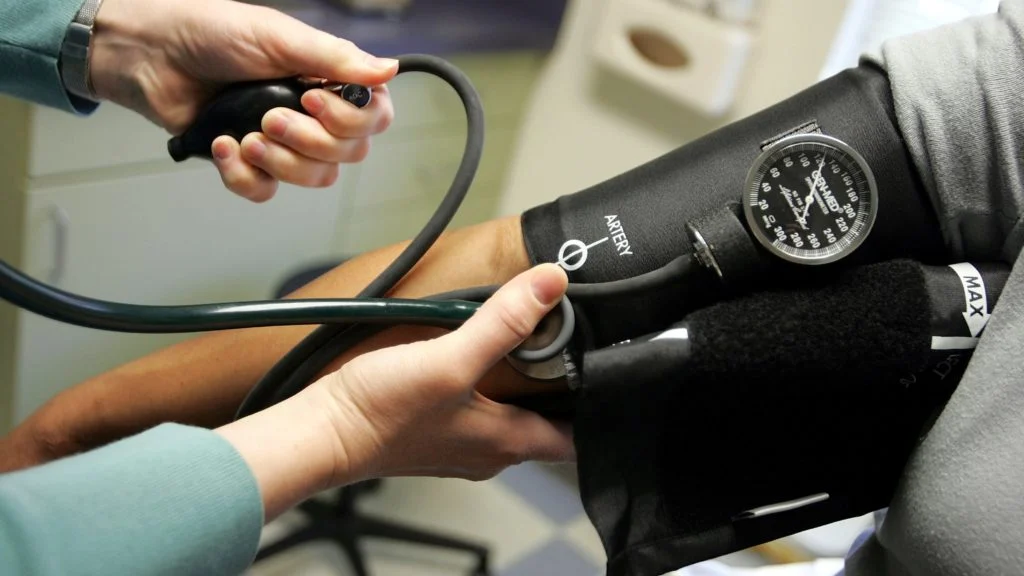
High blood pressure, frequently referred to in clinical circles as the "silent killer," remains the most significant modifiable risk factor for cardiovascular disease globally. For patients already living with comorbidities such as type 2 diabetes or a history of stroke, the stakes of blood pressure management are amplified, as these populations face a significantly elevated risk of recurrent, often fatal, cardiovascular events. At the recent American Heart Association (AHA) Scientific Sessions in Chicago, researchers presented a series of high-impact trials that re-examine the thresholds and pharmacological strategies required to protect these vulnerable patients, revealing that the path to optimal health is often nuanced and dependent on specific clinical history.
The Landscape of Cardiovascular Risk
Hypertension affects approximately 1.28 billion adults aged 30–79 years worldwide, according to the World Health Organization. While clinical guidelines have long established that lowering blood pressure is essential for preventing stroke and heart attack, the specific targets for high-risk groups have remained a subject of intense debate. The medical community has historically grappled with the "how low to go" question: at what point do the benefits of aggressive blood pressure lowering—intended to prevent cardiovascular events—begin to be offset by potential side effects or the complexity of medication management?
The studies presented at the AHA meeting focused on three distinct approaches: the early introduction of inexpensive diuretics post-stroke, the efficacy of aggressive systolic targets in stroke survivors, and the utility of intensive blood pressure lowering in patients with type 2 diabetes.
REDUCE Trial: Repurposing Common Diuretics
One of the most promising developments discussed at the conference was the REDUCE trial, led by Dr. Jordana Cohen of the Perelman School of Medicine at the University of Pennsylvania. The trial explored the use of spironolactone, an inexpensive and widely available diuretic, in the immediate aftermath of a stroke.
In standard clinical practice, diuretics like spironolactone are often relegated to a "fourth-line" treatment, utilized only when other first-line antihypertensive medications have failed to reach blood pressure targets. However, the REDUCE trial suggests that early intervention could yield significant benefits. The study demonstrated that stroke patients treated with spironolactone shortly after their initial event were more likely to reach a blood pressure target of less than 130/80 mm Hg within three months compared to those receiving traditional care.
The implications of this finding are substantial. As Dr. Cohen noted, a reduction of as little as 7 mm Hg in systolic blood pressure is associated with a 38% lower risk of recurrent stroke. Because stroke survivors often struggle with medication adherence—with data indicating that nearly one in five survivors discontinue their blood pressure medication within a year—the use of a familiar, low-cost, and effective drug could revolutionize post-stroke management. While the trial is currently presented as an abstract and awaiting peer-reviewed publication, experts like Dr. Bruce Ovbiagele of the UCSF Weill Institute for Neurosciences have lauded the approach for its accessibility and potential to bridge the gap in suboptimal post-stroke care.
The OPTIMAL-STROKE and OPTIMAL-DIABETES Trials
While the REDUCE trial focused on pharmacological strategy, the OPTIMAL-STROKE and OPTIMAL-DIABETES trials, both published in the New England Journal of Medicine, sought to answer fundamental questions about blood pressure targets.
The OPTIMAL-STROKE trial, conducted in Brazil and led by Dr. Gisele Sampaio of the Federal University of Sao Paulo, represents a milestone in stroke research. By comparing a standard systolic target of 140 mm Hg against a more intensive target of 120 mm Hg, the researchers provided clear evidence that lower is indeed better for this specific cohort. Participants who aimed for the 120 mm Hg target experienced a statistically significant reduction in cardiovascular events, including heart attacks, subsequent strokes, and hospitalizations for heart failure or chest pain over a four-year period.
Crucially, the study addressed concerns regarding kidney health. While some markers of renal function fluctuated—largely due to the physiological impact of diuretics and fluid intake—there was no significant increase in end-stage renal disease or the requirement for dialysis. This finding is vital for clinicians who have historically been hesitant to drive blood pressure too low for fear of compromising kidney function.
Conversely, the OPTIMAL-DIABETES trial provided a more cautious conclusion. Dr. Karla Santo, also of the Einstein Hospital Israelita in Sao Paulo, reported that for patients with type 2 diabetes, pushing for a systolic target of less than 120 mm Hg did not result in a significant decrease in major cardiovascular events or deaths compared to the 140 mm Hg target. The findings were neutral, suggesting that the "one-size-fits-all" aggressive approach may not be as effective in diabetes patients as it is in stroke survivors.
Analyzing the Disparity in Outcomes
The contrast between the positive outcomes in the stroke trial and the neutral results in the diabetes trial has sparked a necessary conversation regarding patient stratification. Dr. Shawna Nesbitt of UT Southwestern Medical Center highlighted that these studies suggest a need for a more personalized approach to hypertension.
"We might begin to think about blood pressure treatment in a more nuanced way," Dr. Nesbitt stated. "Perhaps we’ve been lumping patients together in a way that may not necessarily always be advantageous."
The disparity may stem from the physiological differences in how these conditions affect the vascular system. Stroke-related hypertension is often tied to immediate, acute vascular damage, whereas type 2 diabetes involves chronic, systemic metabolic changes that affect blood vessels differently. Future research will likely need to focus on longer follow-up periods and a deeper analysis of age and gender-based variances to better define which diabetic patients might benefit from lower targets versus those who may be over-treated.
The Challenge of Fragmented Care
Perhaps the greatest hurdle identified by the experts at the AHA conference is not the clinical science, but the delivery of care. In many healthcare systems, particularly in the United States, the management of a patient post-stroke or post-diagnosis of a chronic condition is highly fragmented.
"Post-stroke care is very fragmented," Dr. Ovbiagele explained. "Neurologists take care of patients in the hospital, but then patients move into the sphere of primary care." This transition often results in a "responsibility vacuum," where the monitoring of blood pressure targets falls through the cracks of inter-departmental communication.
Dr. Cheryl Bushnell of Wake Forest University echoed this sentiment, emphasizing that the barrier is "not the what, but the how." The medical community is currently faced with a logistical dilemma: if neurologists, nephrologists, and primary care physicians all share the responsibility of managing a patient’s blood pressure, the lack of a unified, longitudinal care plan often leads to the suboptimal results currently observed in clinical practice.
Future Implications and Clinical Outlook
The findings presented at the AHA Scientific Sessions suggest that the medical community is moving toward a more sophisticated era of hypertension management. The potential for early, inexpensive intervention via drugs like spironolactone, combined with the evidence-based push for lower blood pressure in stroke survivors, offers a clear path toward reducing the burden of disease.
However, the neutral results for diabetes patients serve as a sobering reminder that aggressive treatment is not always the optimal path. As healthcare providers look to integrate these findings into practice, the focus will likely shift toward multi-disciplinary teams that can maintain consistent monitoring across the transition from acute to primary care.
For the millions of patients living with hypertension, these studies represent more than just data; they represent a potential shift in the standard of care. By refining targets based on specific clinical histories and improving the coordination of care across specialties, the medical field moves closer to silencing the "silent killer" and providing a more robust shield against the devastating consequences of cardiovascular disease. The next phase for the medical community will be to translate these clinical trial results into standardized, actionable, and sustainable protocols that can be implemented in clinics worldwide.