
Nothing Phone (2a) Hands-On: A Deeper Dive into Nothing’s Mid-Range Contender
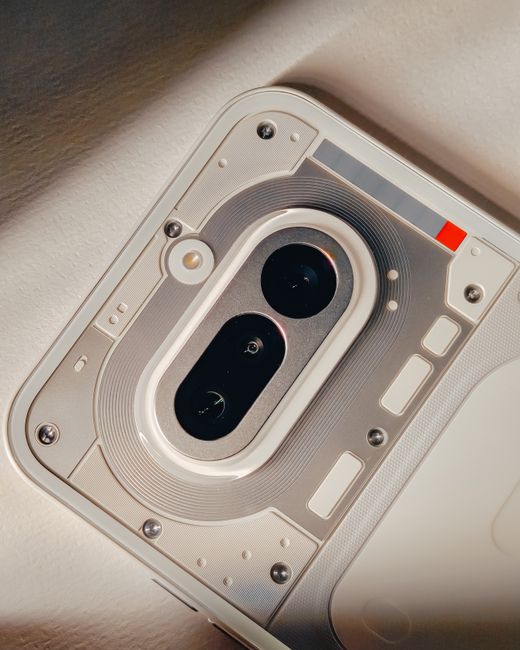
The Nothing Phone (2a) arrives with a distinct mission: to democratize the brand’s signature design language and software experience, bringing it to a more accessible price point. After spending considerable time with the device, the initial impression is one of thoughtful execution, aiming to carve out a unique space in a fiercely competitive mid-range segment. The transparent design, a hallmark of Nothing, is present but reinterpreted. Gone is the full glass back; instead, we find a combination of plastic and glass, cleverly integrated to maintain visual intrigue without significantly compromising durability or cost. The Glyph Interface, the array of LED lights on the rear, remains a central feature. On the (2a), it’s simplified, fewer individual LEDs compared to its more premium siblings, but it still serves its purpose effectively for notifications, calls, and as a fill light. The pulsating patterns are customizable, offering a subtle yet distinct way to identify incoming alerts. It’s a feature that’s both functional and fashionable, a delicate balance Nothing has managed to strike. The materials feel robust, and despite the plastic construction, the phone doesn’t feel cheap. The matte finish on the back resists fingerprints admirably, a practical consideration often overlooked in budget-friendly devices. The overall ergonomics are excellent. The phone feels well-balanced in the hand, and the slightly curved edges contribute to a comfortable grip, even during extended use. The weight distribution is also noteworthy; it doesn’t feel top-heavy or unwieldy. Button placement is intuitive, with the power and volume rocker easily accessible on opposite sides. The USB-C port is centrally located on the bottom, alongside the speaker grille and microphone.
Under the hood, the Nothing Phone (2a) is powered by the MediaTek Dimensity 7200 Pro, a chip specifically optimized for this device through a partnership with MediaTek. This is a significant departure from Qualcomm chips used in previous Nothing phones. Early benchmarks and real-world usage suggest this chip punches above its weight, delivering smooth performance for everyday tasks and even moderate gaming. App loading times are swift, multitasking is handled with ease, and navigating the user interface is fluid. The 120Hz AMOLED display is a standout feature for its price category. Colors are vibrant, blacks are deep, and the overall viewing experience is immersive. Whether scrolling through social media, watching videos, or playing games, the display is a joy to behold. The peak brightness is sufficient for outdoor visibility, though prolonged direct sunlight might still present a challenge. The touch sampling rate is also impressive, contributing to the phone’s responsiveness. Nothing has always placed a strong emphasis on its software experience, and the (2a) is no exception. Running Nothing OS 2.5, based on Android 14, it offers a clean, minimalist interface with a focus on utility and unique aesthetic elements. The dot-matrix font, custom widgets, and monochrome icons are all present, creating a cohesive and distinct visual identity. The absence of bloatware is a welcome relief, allowing users to experience a near-stock Android feel with added Nothing flair. The Glyph Composer, a fun tool that allows users to create their own Glyph light patterns, is also included, adding another layer of personalization. While the core software is excellent, the deeper customization options for the Glyph interface itself on the (2a) are slightly more limited than on higher-end models, but the core functionality remains. The integration of AI features is also a growing trend, and Nothing OS hints at future enhancements in this area, though currently, they are subtle.
The camera system on the Nothing Phone (2a) is a notable upgrade from its predecessor. It features a dual-camera setup on the rear, comprising a 50MP main sensor with OIS (Optical Image Stabilization) and a 50MP ultrawide lens. In good lighting conditions, the main sensor captures detailed and vibrant photos with good dynamic range. Colors are rendered naturally, and edge detection in portrait mode is generally accurate. The OIS helps in producing sharper images, especially in low-light scenarios. The ultrawide lens offers a wider field of view, useful for landscapes and group shots, and maintains a decent level of detail. Low-light performance is respectable for its class, with the Glyph interface acting as a fill light for surprisingly usable shots. However, noise reduction can sometimes be a bit aggressive, leading to a slight loss of fine detail. The 32MP front-facing camera is capable of capturing sharp and well-exposed selfies, with good skin tone reproduction. Video recording capabilities are also solid, with support for up to 4K at 30fps. The stabilization, aided by OIS, makes for smooth footage. The camera app itself is straightforward and easy to navigate, with readily accessible modes and settings. Nothing’s image processing tends towards natural colors rather than oversaturated tones, which will appeal to users who prefer a more realistic representation of their shots. The AI scene detection is present but not overly intrusive, subtly adjusting settings for optimal results. The software updates will likely bring further refinements to the camera performance over time.
Battery life on the Nothing Phone (2a) is a significant strength. It’s equipped with a substantial 5000mAh battery, which, combined with the power-efficient Dimensity 7200 Pro and Nothing OS, delivers impressive endurance. In everyday usage, which includes social media browsing, streaming videos, some gaming, and taking photos, the phone easily lasts a full day and often extends into the second day. This is a crucial factor for many users, and the (2a) delivers admirably in this regard. When it’s time to recharge, the phone supports 45W wired charging. While not the fastest on the market, it’s more than adequate for topping up the battery quickly. A full charge can be achieved in a little over an hour. Wireless charging is absent, which is a common cost-saving measure in this price segment. The inclusion of a charger in the box is a welcome bonus, as many manufacturers have moved away from this practice. The charging animations on the Glyph interface are a nice touch, adding to the overall user experience. Software optimizations play a key role in battery management, and Nothing OS appears to be well-tuned for efficiency. Aggressive background app management is implemented, but it’s not so restrictive that it impacts essential notifications. The overall battery experience is a clear win for the Nothing Phone (2a), making it a reliable companion for users on the go.
The build quality of the Nothing Phone (2a) balances premium aesthetics with practical affordability. The chassis is constructed from a blend of polycarbonate and glass, a deliberate choice to manage costs without sacrificing too much in terms of tactile feel. The back panel, while not entirely glass, has a smooth, matte finish that effectively repels fingerprints and smudges, a common nuisance on glossy surfaces. The transparent elements, a signature of Nothing’s design philosophy, are subtly incorporated, revealing the internal components in a stylized manner. This visual intrigue distinguishes the (2a) from its more conventionally designed competitors. The frame is also made of polycarbonate, but it’s rigid and provides a secure housing for the internal components. The device feels solid and well-assembled, with no creaking or flexing, even when subjected to moderate pressure. The display is protected by Corning Gorilla Glass 5, offering a good level of scratch and impact resistance for everyday use. The IP54 rating provides basic protection against dust and water splashes, which is a practical inclusion for a mid-range device, offering peace of mind in everyday scenarios. The haptics are surprisingly refined, providing satisfying feedback for typing and UI interactions. The vibration motor is precise and not overly buzzy, contributing to a more premium feel. The button feedback is also tactile and responsive, with a satisfying click. The overall impression is that Nothing has prioritized durability and a premium feel within the constraints of its price point, and they have largely succeeded. The integration of the Glyph interface, with its visible LED array, is a unique design element that sets the (2a) apart. While the number of LEDs is reduced compared to the Phone (2), it still offers a functional and visually appealing way to receive notifications without needing to look at the screen. The subtle glow and animated patterns are distinctive and well-executed.
Software-wise, Nothing OS 2.5 on the Phone (2a) continues the brand’s commitment to a clean, intuitive, and visually distinctive user experience. Built on Android 14, it eschews the clutter of bloatware and pre-installed apps commonly found on many other mid-range smartphones. The interface is characterized by its minimalist aesthetic, featuring the signature dot-matrix font, monochrome icon packs, and custom widgets that can be tailored to your preferences. This focus on a streamlined user experience enhances performance and makes the phone a pleasure to use. The Glyph Interface integration within Nothing OS is seamless. Users can assign specific light patterns and sounds to contacts, apps, and notification types, allowing for glanceable information without unlocking the device. The Glyph Composer, a fun and engaging tool, lets users create their own custom light sequences, adding a personal touch to the device’s unique feature. Nothing OS also prioritizes user privacy and control, with clear permission management and minimal data collection. The developer promises three years of major Android OS updates and four years of security patches, a commitment that extends the lifespan and value of the device. While the core software is excellent, some advanced customization options available on higher-end Nothing phones might be slightly more limited on the (2a). However, for the vast majority of users, Nothing OS 2.5 on this device offers a polished, efficient, and visually appealing software experience that sets it apart in the crowded mid-range market. The focus on utility, combined with the distinctive visual elements, creates a truly unique software ecosystem. The occasional AI-driven enhancements are subtle but hint at future possibilities for smarter interactions and personalized experiences, aligning with the broader trend of integrating AI into mobile devices.
The camera performance of the Nothing Phone (2a) is a compelling proposition for its price segment. The dual 50MP rear camera system, featuring a primary sensor with OIS and a 50MP ultrawide lens, delivers impressive results in a variety of lighting conditions. In well-lit environments, the main camera captures photos with excellent detail, vibrant yet natural colors, and good dynamic range. The OIS (Optical Image Stabilization) plays a crucial role in ensuring sharp images, especially when shooting in less-than-ideal lighting or when capturing moving subjects. Portrait mode benefits from accurate subject segmentation and a pleasing bokeh effect, making for professional-looking portraits. The ultrawide lens provides a broad field of view, ideal for capturing expansive landscapes or fitting more people into a group shot. While there might be a slight drop in detail compared to the main sensor, it remains a highly usable and versatile addition. Low-light photography is where the (2a) truly shines for its class. The main sensor, coupled with software optimizations and the ability to use the Glyph Interface as a fill light, produces surprisingly good results. Noise is generally well-managed, though aggressive noise reduction can sometimes smooth out finer textures. Video recording is also robust, with support for up to 4K resolution at 30 frames per second. The OIS contributes significantly to stable and smooth video footage, making it suitable for casual vlogging and capturing everyday moments. The 32MP front-facing camera is more than capable of producing high-quality selfies with accurate skin tones and good detail. Nothing’s approach to image processing leans towards realism rather than artificial enhancement, which is a refreshing approach for users who prefer true-to-life photographs. The camera app is intuitive and user-friendly, providing easy access to various shooting modes and settings. The inclusion of AI scene detection is subtle, intelligently adjusting parameters without being intrusive, aiming to optimize the captured image for the scene. Future software updates are expected to further refine the camera’s capabilities, potentially unlocking even more potential from the hardware.
In conclusion, the Nothing Phone (2a) successfully navigates the challenging mid-range smartphone market by offering a compelling blend of distinctive design, clean software, capable performance, and impressive battery life. The reinterpreted transparent design, coupled with the functional Glyph Interface, provides a unique visual identity that stands out from the crowd. The MediaTek Dimensity 7200 Pro chipset delivers smooth and responsive performance for everyday tasks and moderate gaming, while the 120Hz AMOLED display offers a vibrant and immersive viewing experience. The dual 50MP camera system, enhanced by OIS, captures good quality photos in various lighting conditions, and the 5000mAh battery ensures all-day endurance, making it a reliable companion. Nothing OS 2.5, based on Android 14, provides a clean, bloatware-free, and highly customizable software experience, further enhanced by the seamless integration of the Glyph Interface. While it may not boast the absolute fastest charging speeds or the most advanced camera hardware available, its overall package represents excellent value for money. The Phone (2a) is a testament to Nothing’s ability to bring its core brand ethos to a more accessible price point, making its unique approach to smartphone design and user experience available to a wider audience. For consumers seeking a smartphone that is both functional and fashionable, with a focus on a refined user experience and long-lasting battery, the Nothing Phone (2a) is a strong contender that warrants serious consideration. It’s a device that prioritizes thoughtful design and user-centric features, setting itself apart in a segment often characterized by incremental upgrades and similar offerings. The commitment to future software updates also adds to its long-term appeal.





Leave a Reply