
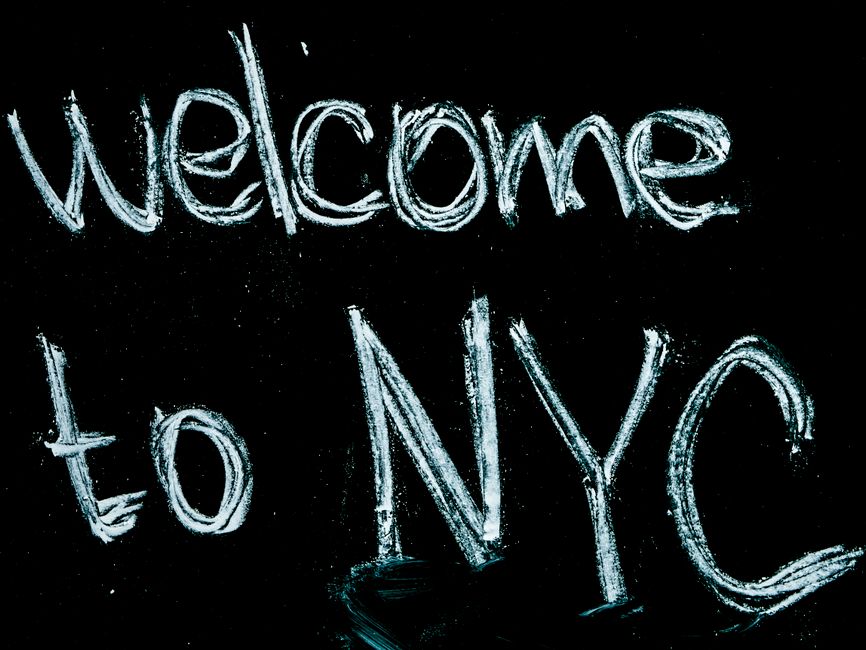
Beyond the Big Apple: A Lexicon of New York City’s Many Names
New York City, a global titan of culture, finance, and relentless energy, rarely needs an introduction. Yet, this sprawling metropolis, so deeply embedded in the global consciousness, is known by a rich tapestry of appellations that extend far beyond its most ubiquitous moniker, "New York." These alternative names, ranging from historical echoes to affectionate shorthand, offer a fascinating linguistic lens through which to understand the city’s multifaceted identity, its evolution, and the diverse perspectives of those who call it home or admire it from afar. Exploring these synonyms and sobriquets reveals not just linguistic variation, but a deeper appreciation for the city’s enduring allure and its capacity to inspire a constant stream of descriptive language. From the grand and aspirational to the intimate and informal, these names paint a vivid picture of a place that is simultaneously iconic and endlessly reinvented.
One of the most historically significant and still frequently invoked alternative names for New York City is "The Big Apple." While its exact origin is debated, the most widely accepted theory credits jazz musicians in the 1920s with popularizing the term. In the jazz scene, "apple" was slang for a prize, and New York, with its vibrant music venues and opportunities, was the ultimate prize – the biggest and best apple to be had. Sports writers and journalists in the same era also adopted the term to refer to New York’s premier status, particularly in the world of racing. John J. Fitz Gerald, a sports writer for the New York Morning Telegraph, is often credited with cementing its usage. He overheard African-American stable hands in New Orleans referring to New York as "the big apple," meaning the ultimate destination and reward. Fitz Gerald began using it in his columns, and the name steadily gained traction. By the 1970s, during a period of urban decline and negative press, the New York Convention and Visitors Bureau launched a promotional campaign to rebrand the city, embracing "The Big Apple" to highlight its vibrancy and excitement, effectively rescuing it from obscurity and solidifying its status as an enduring symbol of the city. This nickname evokes a sense of abundance, opportunity, and the ultimate reward, resonating with the city’s reputation as a place where dreams are pursued and often realized. It’s a name that conjures images of a gleaming, enticing fruit, ripe for the picking, embodying the city’s magnetic pull for ambitious individuals.
Closely related to its economic and cultural prominence is the moniker "Gotham." This name, popularized by the comic book series Batman, imbues New York City with a sense of dark grandeur, mystery, and inherent drama. The name "Gotham" itself has roots in English folklore, often associated with a village known for its fools. However, in the context of New York, it transcends simple folly. It speaks to the city’s towering architecture, its shadowy alleyways, its perpetual night life, and the constant interplay of light and darkness, heroism and villainy, that characterizes its urban landscape and the narratives woven within it. Gotham suggests a city of immense scale, a place where larger-than-life figures operate, and where the line between good and evil is often blurred. It captures the cinematic quality of New York, its ability to serve as the backdrop for epic tales and its almost mythical presence in popular culture. The association with Batman, a dark knight protecting his city from corruption and crime, further amplifies this sense of a city wrestling with its own shadows while striving for justice. This name highlights the city’s theatricality and its capacity to inspire stories of both triumph and struggle.
Another descriptive, albeit less common, name that captures a specific aspect of New York’s essence is "The City That Never Sleeps." This phrase, famously popularized by Frank Sinatra in his song "New York, New York," emphasizes the city’s relentless energy and round-the-clock activity. It speaks to the endless hum of traffic, the illuminated skyscrapers that pierce the night sky, the restaurants and bars that remain open until the early hours, and the sheer dynamism of its inhabitants who are always on the move, always working, always playing. This moniker highlights the city’s unyielding spirit and its ability to defy the conventional rhythms of rest and repose. It suggests a place of perpetual motion, where opportunities and experiences are available at any hour, contributing to its reputation as a city that pulses with an almost biological life force. The constant illumination and activity serve as a visual metaphor for its vibrant, untiring existence, a testament to the ambition and drive of its millions of residents.
Historically, New York City has also been referred to by names that reflect its origins and its early significance. Before it was New York, it was "New Amsterdam." This name dates back to the Dutch colonial period when the settlement was established in the early 17th century by the Dutch West India Company. The name "New Amsterdam" evokes a period of nascent development, of a frontier outpost growing into a significant trading hub. It speaks to the city’s multicultural beginnings and its foundational role in the early colonial history of North America. While the English later took control of the settlement in 1664 and renamed it New York in honor of the Duke of York, "New Amsterdam" remains a poignant reminder of its Dutch heritage and its deep historical roots. This historical appellation offers a glimpse into the city’s earliest chapters, a time of exploration, trade, and the laying of the groundwork for its future eminence.
In a more formal or geographical context, the term "Manhattan" is often used interchangeably with New York City, though technically it refers specifically to the island borough. However, because Manhattan is the geographic and symbolic heart of the city, and home to its most iconic landmarks and financial institutions, "Manhattan" has become a shorthand for the entirety of New York City in many conversations, especially among locals and those intimately familiar with its geography. This usage highlights the island’s central importance and its disproportionate influence on the city’s identity. When people refer to "Manhattan" in a broad sense, they are often evoking the quintessential New York experience, encompassing its towering skyline, its bustling streets, and its cultural dynamism. This name is deeply tied to the physical form of the city and the concentrated energy that emanates from its most famous landmass.
The sheer density and scale of New York City have also led to the informal and often affectionate nickname "The Concrete Jungle." This appellation captures the urban environment’s overwhelming presence of towering buildings, dense infrastructure, and the natural world being largely supplanted by man-made structures. It speaks to the city’s immense scale, its sometimes overwhelming intensity, and the unique blend of grit and grandeur that defines its landscape. While it can sometimes carry negative connotations of impersonality or harshness, it more often evokes a sense of awe at the sheer human achievement of creating such a colossal urban environment. It highlights the visual dominance of concrete, steel, and glass, and the constant presence of human activity that shapes this environment into a living, breathing organism. This name underscores the urban experience in its most potent form, a testament to human engineering and societal concentration.
Furthermore, New York’s status as a global hub for finance, fashion, and the arts has led to less formal, but still recognizable, nicknames that reflect these specific aspects. While not distinct names for the city as a whole, terms like "Wall Street" are often used metonymically to refer to the financial district and, by extension, the economic power of the entire city. Similarly, "Broadway" is synonymous with the city’s renowned theater district and its global influence on performing arts. These specific landmarks become symbolic of the larger entity, representing key pillars of New York’s identity and its global impact. They function as shorthand, allowing for a quick evocation of the city’s multifaceted contributions to the world stage.
The sheer diversity of New York City’s population also contributes to its linguistic richness. While not a formal name, the concept of New York as a "melting pot" or, more recently, a "salad bowl" or "mosaic," reflects the confluence of cultures and ethnicities that define the city. These terms, though descriptive of the population rather than the place itself, are so intrinsically linked to the city’s identity that they function as descriptors of the New York experience. They highlight the vibrant tapestry of humanity that inhabits its streets, contributing to its unique energy and dynamism. This conceptual naming emphasizes the human element that gives the city its character, its distinctiveness, and its enduring appeal.
In summary, the lexicon of names for New York City is as varied and dynamic as the city itself. From the widely recognized "Big Apple" and "Gotham" to the historically resonant "New Amsterdam," and the evocative "City That Never Sleeps," each appellation offers a unique perspective. The geographical shorthand of "Manhattan," the descriptive "Concrete Jungle," and the metonymic references like "Wall Street" and "Broadway," all contribute to a comprehensive understanding of this iconic metropolis. These various names are not merely linguistic quirks; they are windows into the city’s history, its cultural significance, its economic power, and the enduring imagination it inspires. They demonstrate how a single entity can be perceived and described in countless ways, reflecting its immense complexity and its profound impact on the world. The continued evolution of these names underscores New York’s perpetual reinvention, ensuring its place in the global narrative for generations to come. Each name, whether formal or informal, historical or contemporary, adds another layer to the rich and intricate portrait of this unparalleled urban landscape.




Leave a Reply