
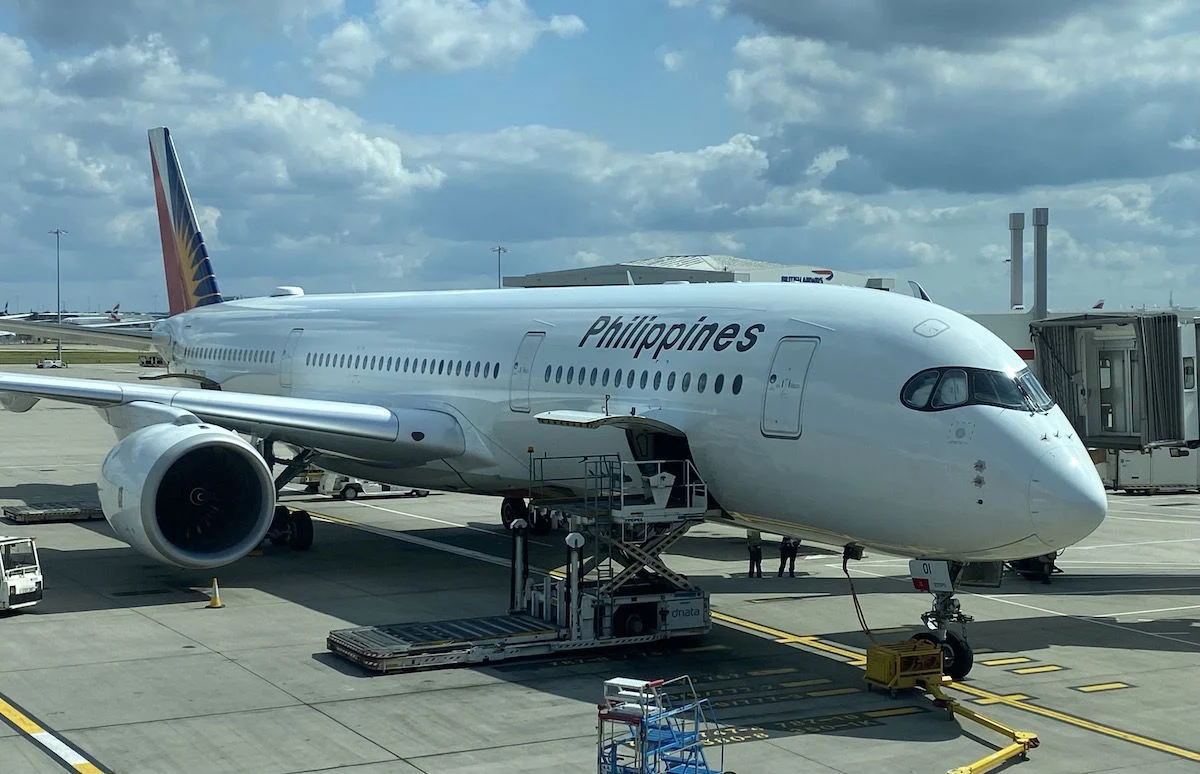
Philippine Airlines (PAL), the flag carrier of the Philippines, has officially announced the commencement of ticket sales for its latest transpacific expansion, a nonstop service connecting Manila’s Ninoy Aquino International Airport (MNL) to Chicago’s O’Hare International Airport (ORD). Scheduled to debut on November 9, 2026, the new route marks a significant milestone in the airline’s post-pandemic recovery and its strategic push to capture a larger share of the North American market. The service will operate three times per week, providing the only direct link between the Philippines and the American Midwest, a region home to one of the largest Filipino-American populations in the United States.
The introduction of the Manila-Chicago route is a testament to the airline’s aggressive fleet modernization and network expansion strategy. Covering a distance of approximately 8,132 miles, the flight will rank among the top 25 longest commercial flights in the world. This ultra-long-haul operation requires advanced aircraft technology and precise scheduling to navigate the complex winds of the Pacific corridor. According to the filed schedules, the outbound flight, PR132, will depart Manila at 4:40 PM and arrive in Chicago at 4:45 PM on the same day, benefiting from the international date line. The return journey, PR133, is scheduled to depart Chicago at 10:45 PM, arriving in Manila two days later at 5:25 AM.
Operational Logistics and Fleet Deployment
To facilitate this grueling ultra-long-haul route, Philippine Airlines will deploy its state-of-the-art Airbus A350-900. The aircraft is specifically designed for such distances, offering fuel efficiency and a cabin environment optimized for passenger comfort during extended flight times. The A350-900 used for this route is configured with a three-class layout totaling 295 seats. This includes 30 business class seats in a 1-2-1 configuration, providing all passengers with direct aisle access and lie-flat capabilities. Additionally, the cabin features 24 premium economy seats and 241 economy class seats.
The block time for the flight reflects the logistical challenges of transpacific travel. The eastbound leg from Manila to Chicago is estimated at 14 hours and 15 minutes, while the westbound return leg to Manila is significantly longer at 16 hours and 40 minutes due to prevailing headwinds. Such durations necessitate a highly specialized crew rotation and significant fuel management, highlighting the A350’s capabilities as a cornerstone of PAL’s long-haul fleet.
Strategic Context and Market Rationale
The decision to launch Chicago service follows a period of intense regulatory preparation and market analysis. In early 2026, Philippine Airlines filed for regulatory approval with the United States Department of Transportation (DOT), signaling its intent to bridge the gap in its U.S. network. Chicago has long been identified as a "missing link" in PAL’s service map. Currently, the airline serves Los Angeles (LAX), San Francisco (SFO), New York (JFK), Seattle (SEA), Honolulu (HNL), Guam (GUM), and Saipan (SPN).
Chicago O’Hare serves as a primary hub for global commerce and a critical gateway for the Midwest. By establishing a presence in Chicago, PAL is not only targeting point-to-point travelers but also positioning Manila as a transit hub for passengers traveling from the U.S. interior to Southeast Asia. Richard Nuttall, President and Chief Operating Officer of Philippine Airlines, emphasized the strategic importance of this gateway, noting that Chicago provides vital connectivity to the Midwest while simultaneously linking the region to PAL’s extensive domestic and regional Asian network.
Demographic data further supports the move. The Chicago metropolitan area boasts one of the highest concentrations of Filipino-Americans in the U.S., trailing only major hubs like Los Angeles and New York. For decades, travelers from this region were forced to connect through West Coast gateways or East Asian hubs such as Tokyo, Seoul, or Hong Kong. The new nonstop service eliminates the need for layovers, significantly reducing total travel time and enhancing the appeal for both leisure and business travelers.
A Chronology of Recovery and Growth
The announcement of the Chicago route is the latest chapter in a remarkable turnaround for the flag carrier. In 2021, facing the devastating impact of the global pandemic on international travel, Philippine Airlines filed for Chapter 11 bankruptcy protection in the United States. The restructuring process involved a significant reduction in debt and a streamlining of the fleet, which saw the airline return several aircraft to lessors.
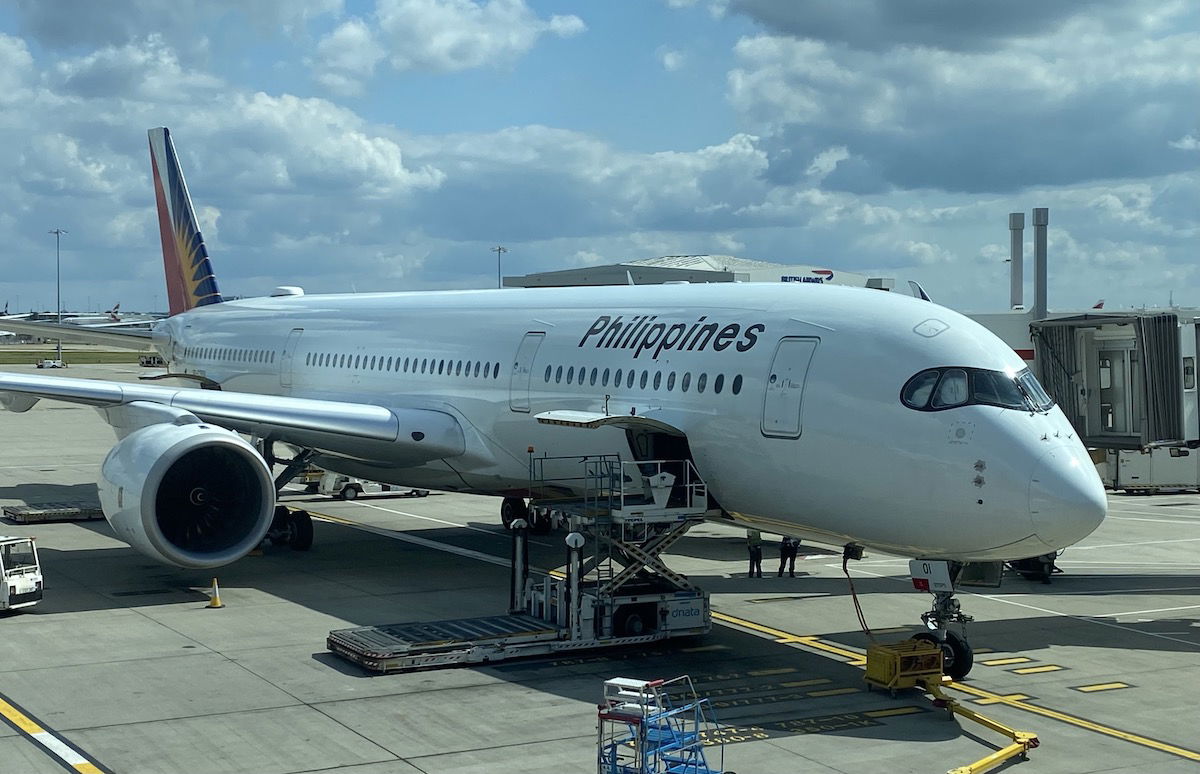
However, the airline emerged from bankruptcy in late 2021 with a leaner operation and a renewed focus on profitability. By 2023, PAL demonstrated its long-term confidence by placing a firm order for nine Airbus A350-1000s, the larger sibling of the A350-900. These aircraft are expected to be the future flagship of the airline, capable of flying even longer distances with higher payloads. The delivery of these new widebody jets has allowed PAL to reallocate its existing A350-900s to new routes like Chicago, while the A350-1000s are expected to take over high-demand routes to London or New York in the future.
The expansion into Chicago also follows the successful launch of nonstop flights to Seattle in late 2024. The Seattle route served as a litmus test for PAL’s ability to sustain growth in the competitive transpacific market. With the Seattle service performing well, the airline felt emboldened to tackle the more operationally demanding Chicago route.
Competitive Landscape and Industry Impact
Philippine Airlines operates in an increasingly competitive environment. While PAL remains the only carrier offering nonstop service between the Philippines and most of its U.S. destinations, it faces stiff competition from major U.S. and Asian carriers. United Airlines, for instance, recently launched its own nonstop service between San Francisco and Manila, marking the first time a U.S. carrier has flown nonstop to the Philippines from the mainland in decades.
Unlike many of its competitors, Philippine Airlines does not belong to any of the three major global airline alliances (Star Alliance, SkyTeam, or Oneworld). This independence allows the airline to maintain flexibility in its pricing and partnerships but also means it must rely heavily on its own brand loyalty and the strength of the Filipino diaspora. To compensate, PAL has cultivated various interline and codeshare agreements to help feed traffic into its hubs.
The launch of the Chicago route is also expected to have a ripple effect on cargo operations. Chicago O’Hare is a major global cargo hub, and the belly-hold capacity of the A350-900 will allow for the transport of high-value goods, electronics, and agricultural products between the Midwest and Southeast Asia. This dual-revenue stream from both passengers and freight is crucial for the financial viability of ultra-long-haul routes.
Future Implications for Philippine Aviation
The move to Chicago signals a broader trend of Southeast Asian carriers seeking more direct access to the North American interior. As aircraft technology continues to improve, the "hub-and-spoke" model is being challenged by "point-to-point" ultra-long-haul routes. For the Philippines, this means increased tourism potential and stronger economic ties with the United States, its long-standing traditional ally and one of its largest trading partners.
Industry analysts suggest that if the Chicago route proves successful, PAL may look toward other major U.S. cities with significant Filipino populations, such as San Diego or Las Vegas, both of which have been served by the airline in various capacities in the past. Furthermore, the arrival of the A350-1000s in the coming years will likely trigger a complete overhaul of PAL’s long-haul passenger experience, as the airline seeks to compete with the world-class cabin products offered by carriers like Singapore Airlines and Qatar Airways.
As the November 2026 launch date approaches, Philippine Airlines is expected to launch a comprehensive marketing campaign targeting the Midwest. For the Filipino community in Illinois and surrounding states, the announcement represents more than just a new flight; it is a direct link to home that has been decades in the making. For the airline, it is a bold statement of its intent to remain a dominant player in the transpacific corridor and a symbol of its resilience following the most challenging period in aviation history.
The aviation industry will be watching closely to see how PAL manages the operational demands of the Chicago route. With a flight time nearing 17 hours on the return leg, the service will be a true test of the airline’s operational excellence and the A350’s endurance. If successful, it will solidify Manila’s position as a major transit point in Asia and reinforce Philippine Airlines’ status as a premier international carrier.










Leave a Reply