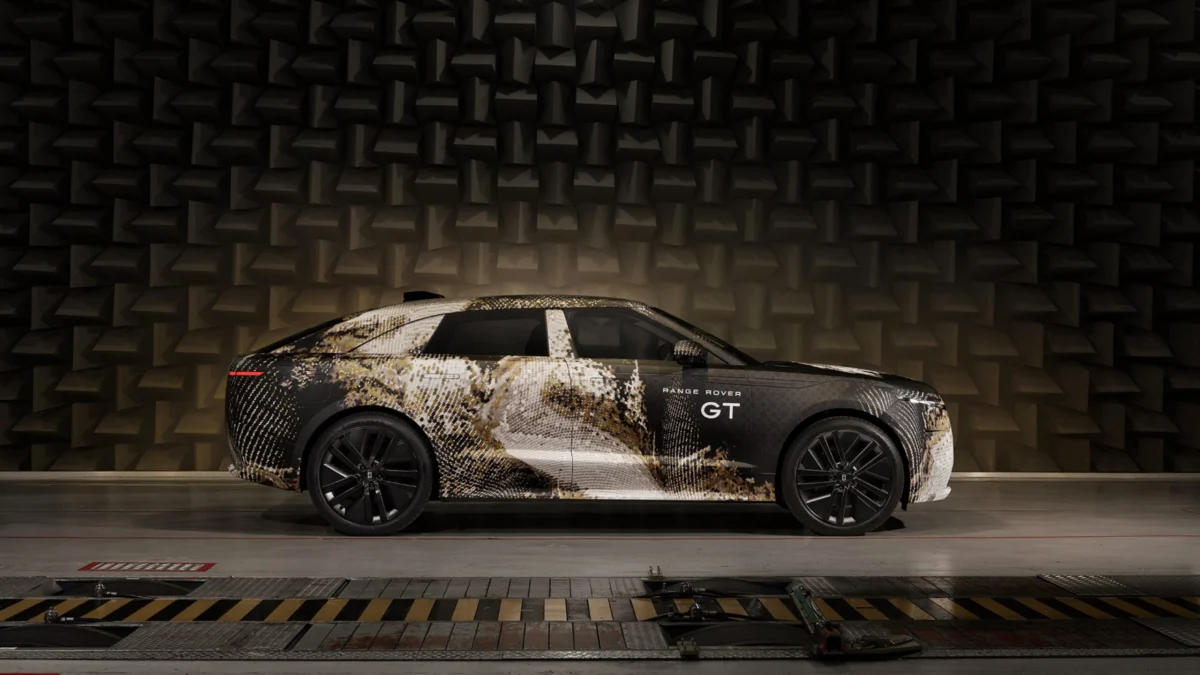
Range Rover has officially announced a radical new direction with the forthcoming Range Rover GT, a vehicle poised to redefine the brand’s iconic luxury and capability within the grand tourer segment. Martin Limpert, managing director of Range Rover, revealed that the company has spent years "obsessively working on the fundamentals of the GT formula, reinterpreted in a sophisticated, uniquely Range Rover way." This ambitious project culminates in what Limpert describes as "the most car-like, yet unmistakably capable, Range Rover ever created," enabled by the brand’s advanced electrified EMA architecture. This new offering is set to complement Range Rover’s existing powertrain portfolio, providing a comprehensive suite of options tailored to diverse customer needs. The GT’s unique blend of effortless electric vehicle (EV) performance, first-class long-haul refinement, and signature all-terrain capability promises to be pure Range Rover, while its calming interior previews the company’s vision for a modern grand tourer.
The Vision: A Grand Tourer Reimagined for the Electric Age
The introduction of the Range Rover GT represents a significant strategic pivot for a brand synonymous with luxury SUVs. By venturing into the grand tourer segment, Range Rover aims to broaden its appeal and demonstrate the versatility of its engineering prowess. Martin Limpert’s emphasis on the GT being "the most car-like" Range Rover suggests a focus on dynamic driving characteristics, lower center of gravity, and a more aerodynamic profile than its SUV siblings, all while retaining the commanding presence and luxury associated with the marque. This delicate balance is critical for a brand whose identity is so deeply rooted in elevated driving positions and robust off-road capability.
The "sophisticated, uniquely Range Rover way" of reinterpreting the GT formula implies a meticulous attention to detail in design, materials, and technological integration. This approach is expected to manifest in a vehicle that offers an unparalleled level of comfort and performance for extended journeys, a hallmark of the grand tourer genre. The promise of "effortless EV performance" suggests instant torque delivery, smooth acceleration, and a silent, serene driving experience, all enabled by the underlying electric powertrain. This aligns with the growing consumer demand for sustainable luxury that does not compromise on power or prestige.
Furthermore, "first-class long-haul refinement" indicates an interior designed for ultimate passenger comfort and tranquility, featuring advanced noise cancellation, superior ride quality, and ergonomic excellence. The commitment to retaining "all-terrain capability" is perhaps the most distinctive aspect for a Range Rover GT. This implies that while optimized for on-road dynamics, the vehicle will still possess a degree of the brand’s legendary off-road aptitude, setting it apart from conventional grand tourers. This could involve adaptive air suspension systems, intelligent traction control, and perhaps even specific off-road driving modes, albeit tailored for a lower-slung vehicle. The "calming interior" mentioned by Limpert further underscores a holistic design philosophy centered on well-being and a serene environment, aligning with broader trends in luxury automotive design that prioritize occupant comfort and digital detox.
The EMA Architecture: Foundation for an Electric Future
The Range Rover GT’s existence is predicated on the company’s new Electrified Modular Architecture (EMA), marking a pivotal step in Jaguar Land Rover’s (JLR) overarching "Reimagine" strategy. EMA is JLR’s third dedicated electrifiable platform, joining the established Modular Longitudinal Architecture (MLA) and the nascent Jaguar Electrified Architecture (JEA). This multi-platform approach underscores JLR’s commitment to a diverse and comprehensive electrification roadmap across its distinct brands.
The MLA platform, currently underpinning the latest generation Range Rover and Range Rover Sport, is designed to accommodate internal combustion engines (ICE), plug-in hybrids (PHEV), and battery electric vehicles (BEV), offering flexibility for larger, more traditional SUV applications. This architecture has been crucial in introducing electric capability to Range Rover’s core SUV lineup, with fully electric variants expected to debut on MLA in the near future.
The JEA platform, on the other hand, is being developed specifically for Jaguar’s transformation into an all-electric modern luxury brand. The forthcoming Jaguar Type 01, a four-door grand tourer also set to debut later this year, will be the first vehicle to utilize JEA. This platform is expected to be optimized for performance-oriented EVs, with a focus on sleek designs, dynamic handling, and cutting-edge technology, reflecting Jaguar’s renewed emphasis on luxury and sportiness.
The introduction of EMA as the third pillar highlights a strategic decision to cater to a broader range of vehicle types and market segments with bespoke electric platforms. Modular architectures like EMA offer significant advantages in terms of manufacturing efficiency, component commonality, and scalability. They allow manufacturers to develop multiple vehicle models from a shared set of underlying components, reducing development costs and accelerating time to market. For the Range Rover GT, EMA is likely optimized for a lower ride height and a more car-like stance compared to MLA, while still allowing for the integration of robust suspension systems necessary for Range Rover’s promised all-terrain capability. This strategic diversification ensures that JLR can deliver tailor-made electric solutions that align perfectly with the distinct brand identities and customer expectations of both Range Rover and Jaguar.
Interior Design: A Blend of Minimalism and Regulatory Compliance
Range Rover offered a preview of the GT’s interior, revealing a clear departure from the traditional cabins of its SUVs. The design philosophy leans heavily towards an "ultraminimalist" aesthetic, at least at first glance. This trend, prevalent in modern luxury vehicles, aims to create a serene and uncluttered environment, often achieved through integrating controls into touchscreens and reducing physical buttons. However, this minimalist approach in the GT is carefully balanced with critical safety and usability considerations.
A significant challenge for automotive designers embracing minimalism has been the increasing scrutiny from safety regulators. In Europe, organizations like Euro NCAP have begun incorporating metrics for driver distraction into their safety ratings, emphasizing the importance of physical controls for frequently used functions. Similar requirements are emerging elsewhere, including Australia, where crash testers are also advocating for the return of tactile interfaces. These regulations stem from concerns that over-reliance on touchscreens for essential functions can divert a driver’s attention from the road, potentially increasing the risk of accidents.
Range Rover’s designers have evidently navigated this challenge adeptly. While the interior appears ultraminimalist, it still satisfies these regulatory requirements by incorporating physical controls for certain essential functions. This might involve cleverly integrated buttons, haptic feedback surfaces, or multi-function rotary controllers that blend seamlessly into the design when not in use. This approach allows the brand to maintain a clean aesthetic without compromising on safety or intuitive usability, a testament to thoughtful engineering and design.
In terms of digital interfaces, the GT features OLED screens for both the main instrument display and the infotainment touchscreen. OLED (Organic Light-Emitting Diode) technology offers superior image quality compared to traditional LCDs, characterized by perfect blacks, vibrant colors, and wide viewing angles. This enhances the visual appeal of the digital displays and improves readability. Furthermore, Range Rover has made the head-up display (HUD) standard for the GT. A HUD projects vital driving information directly onto the windshield within the driver’s line of sight, reducing the need for drivers to look down at the instrument cluster, thereby minimizing distraction and enhancing safety.
Notably, Range Rover’s designers "eschewed the idea of a third screen for the front passenger." While some luxury competitors have adopted this feature to provide additional entertainment or control options for the passenger, Range Rover’s decision aligns with its stated goal of a "calming interior." Omitting this screen likely contributes to the minimalist aesthetic, reduces potential distractions, and reinforces the driver-centric nature of a grand tourer, focusing on a shared, serene journey rather than individual digital consumption. This choice subtly reinforces Range Rover’s brand identity, prioritizing elegance and functional simplicity over an abundance of screens.
Market Positioning and Competitive Landscape
The Range Rover GT is poised to enter a highly competitive, yet evolving, luxury grand tourer segment. Traditionally, grand tourers are defined by their ability to cover long distances quickly and comfortably, blending high performance with opulent interiors. The segment has been dominated by established players such as Aston Martin, Bentley, and Porsche, with recent entries from electrified luxury brands.
Range Rover’s entry is unique due to its inherent brand DNA: luxury combined with unparalleled all-terrain capability. While traditional GTs are optimized for asphalt, the Range Rover GT promises to maintain a degree of off-road prowess, setting it apart. This could appeal to customers who desire the driving dynamics and refinement of a grand tourer but also value the versatility and robust image associated with Range Rover.
In the electric luxury GT space, the Range Rover GT will likely contend with formidable rivals. The Porsche Taycan, for example, has set a high bar for electric performance and driving dynamics. Other potential competitors include the Mercedes-AMG EQE Sedan, which offers a blend of luxury and electric performance, and the Lucid Air, known for its exceptional range and futuristic design. Forthcoming models like the Jaguar Type 01, while sharing a parent company, will likely target a slightly different customer profile, with Jaguar emphasizing a more overtly sporty and design-forward approach.
The Range Rover GT’s success will hinge on its ability to carve out a distinct niche. Its unique blend of "car-like" driving, EV performance, long-haul refinement, and all-terrain capability presents a compelling proposition. It targets a discerning clientele that seeks not just luxury and speed, but also versatility and a connection to Range Rover’s heritage of adventure, albeit in a more refined, road-biased package. This expansion beyond traditional SUVs signifies Range Rover’s ambition to capture a broader share of the premium automotive market and to demonstrate its adaptability in the era of electrification.
Timeline and Future Expectations
The announcement provides a tantalizing glimpse into Range Rover’s future, with more comprehensive details about the GT expected to emerge later this year. The automotive industry typically follows a structured development and launch cycle, beginning with concept showcases, followed by camouflaged prototype testing, and eventually full production vehicle reveals. The current stage, where a camouflaged vehicle is alluded to and interior details are selectively shared, indicates that the GT is well into its advanced development phase.
Anticipation is high for the full design reveal, which will finally showcase what the Range Rover GT "actually looks like underneath that camo." This unveiling could occur at a major international auto show, such as the Paris Motor Show, Los Angeles Auto Show, or a dedicated online event, a common practice in the post-pandemic era. Such an event would typically include detailed specifications regarding its electric powertrain – including horsepower, torque, battery capacity, estimated range, and charging capabilities – as well as its full suite of technological features, advanced driver-assistance systems, and pricing strategy.
Following the full reveal, Range Rover will likely announce market availability and begin accepting pre-orders. The successful launch of the GT is critical for JLR’s "Reimagine" strategy, which aims to elevate both Range Rover and Jaguar into all-electric modern luxury brands by the end of the decade. The GT’s performance in the market will serve as a bellwether for Range Rover’s ability to innovate beyond its core SUV offerings and successfully navigate the transition to an electrified future.
Broader Impact and Implications
The Range Rover GT embodies several broader implications for the automotive industry and the luxury segment in particular. Firstly, it underscores the relentless march towards electrification across all vehicle categories, including those traditionally associated with large displacement internal combustion engines. For a brand like Range Rover, deeply rooted in adventure and rugged capability, an electric grand tourer demonstrates that electrification can enhance, rather than diminish, core brand values like performance, refinement, and even off-road prowess.
Secondly, the GT’s interior design philosophy highlights the ongoing debate between digital integration and tactile controls. Range Rover’s approach of achieving an "ultraminimalist" look while still adhering to safety regulations for physical buttons could become a blueprint for other manufacturers struggling to balance aesthetics with functionality and safety. This indicates a maturing understanding of user experience within the digital cockpit era, where pure digital interfaces are being reconsidered in favor of a more intuitive, hybrid approach.
Thirdly, the expansion of Range Rover’s portfolio beyond traditional SUVs into a lower-slung grand tourer signifies a strategic move to capture new demographics and adapt to evolving consumer preferences. As urban populations grow and environmental concerns intensify, a luxurious, capable, and sustainably powered vehicle that is less overtly SUV-like might appeal to a broader audience seeking sophisticated mobility solutions without sacrificing brand prestige.
Finally, the multi-platform strategy employed by JLR, with EMA, MLA, and JEA, illustrates the complexity and scale of investment required for legacy automakers to transition to an electric future. It shows a commitment to developing bespoke solutions for distinct brand identities, rather than a one-size-fits-all approach. The Range Rover GT is not merely a new model; it is a declaration of intent, signaling a bold, electrified, and diversified future for one of the world’s most revered luxury automotive brands.