
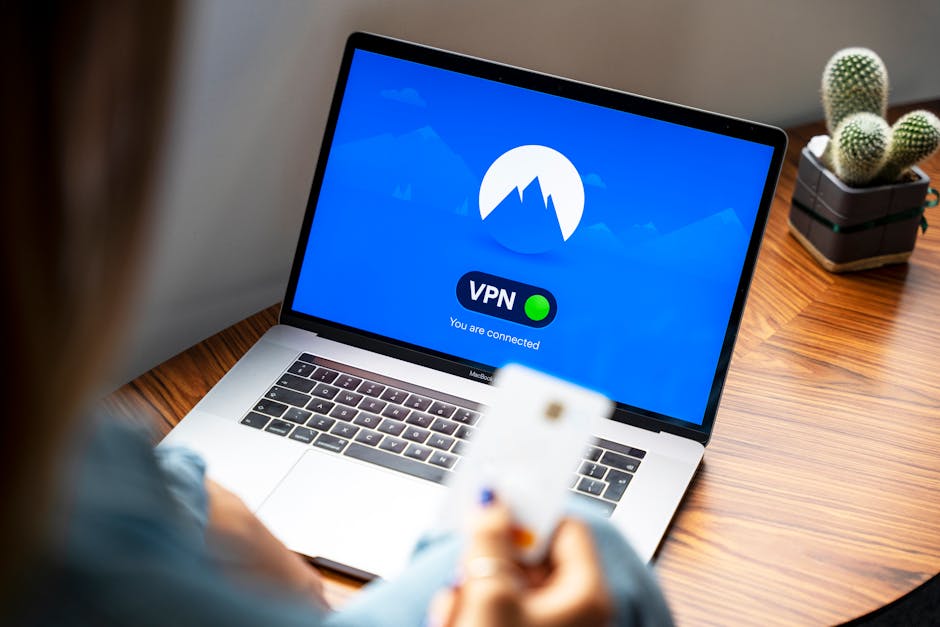
Always On VPN: Unlocking the Indispensable Benefits of Continuous Online Protection
In today’s increasingly interconnected world, where digital threats lurk around every corner and privacy concerns are paramount, the concept of an "always-on" Virtual Private Network (VPN) has transitioned from a niche tech consideration to an essential cybersecurity strategy. The rationale for maintaining a VPN connection continuously is multi-faceted, encompassing robust security, enhanced privacy, unrestricted access, and a proactive approach to digital safety. Leaving your VPN on at all times isn’t merely a recommendation; it’s a fundamental practice that safeguards your digital identity, your sensitive data, and your freedom to explore the online world without compromise. This article will delve deeply into the compelling reasons why a VPN should be a permanent fixture in your online presence, exploring the intricate layers of protection and the tangible advantages it offers.
The most immediate and perhaps the most critical reason for an always-on VPN is unwavering security against cyber threats. When you connect to the internet without a VPN, your data is transmitted in plain text over your local network and potentially across multiple public servers before reaching its destination. This vulnerability is particularly acute when using public Wi-Fi networks, such as those found in cafes, airports, or hotels. These networks are notorious breeding grounds for malicious actors who can easily intercept your traffic, employing techniques like "man-in-the-middle" attacks to steal sensitive information like login credentials, financial details, and personal communications. An always-on VPN encrypts your internet traffic, creating a secure tunnel between your device and the VPN server. This encryption renders your data unreadable to anyone attempting to snoop on your connection, effectively transforming your vulnerable data into an indecipherable jumble for eavesdroppers. This continuous shield is crucial, as even a brief window of unprotected connection can be enough for a determined attacker to compromise your digital footprint. Beyond public Wi-Fi, even your Internet Service Provider (ISP) can potentially monitor your online activity. While many ISPs claim to be trustworthy, privacy concerns are valid. An always-on VPN effectively masks your online activities from your ISP, preventing them from collecting and potentially selling your browsing history or even throttling your connection based on your usage patterns. This pervasive level of security acts as a digital guardian, constantly vigilant against a wide spectrum of threats, from basic packet sniffing to more sophisticated intrusion attempts.
Closely intertwined with security is the imperative of absolute privacy in an era of pervasive surveillance. In the digital age, your online activities generate a vast amount of data, which is collected, analyzed, and often monetized by a multitude of entities, including advertisers, data brokers, and even government agencies. Without a VPN, your IP address, a unique identifier that can reveal your geographical location and link your online actions back to you, is openly exposed. This exposure allows websites to track your browsing habits, build detailed profiles of your interests, and target you with personalized advertisements. Moreover, this data can be used to infer even more sensitive information about your lifestyle, health, and political affiliations. An always-on VPN effectively replaces your real IP address with the IP address of the VPN server you’re connected to. This IP masking makes it significantly harder for websites, advertisers, and other third parties to track your online movements and link them back to your identity. It creates a veil of anonymity, allowing you to browse the internet with a greater sense of freedom and control over your personal information. This is not just about preventing targeted advertising; it’s about reclaiming your right to privacy in a world where digital footprints are increasingly scrutinized. The continuous use of a VPN ensures that this privacy shield is never lowered, providing a consistent and reliable barrier against unwanted data collection and surveillance.
Furthermore, an always-on VPN is instrumental in bypassing geographical restrictions and censorship. Many online services, streaming platforms, and websites implement geo-blocking, restricting access to their content based on the user’s geographical location. This can be frustrating for individuals who wish to access content that is legally available in other countries but blocked in their own. By connecting to a VPN server in a different country, you can effectively "virtually relocate" yourself, tricking websites and services into believing you are browsing from that location. This unlocks a world of content that would otherwise be inaccessible, from international streaming libraries to region-specific news sources and online gaming servers. Beyond entertainment, VPNs are also crucial in regions where internet censorship is prevalent. Governments or organizations may block access to certain websites, social media platforms, or news outlets to control the flow of information. An always-on VPN can circumvent these restrictions, allowing individuals to access uncensored information and communicate freely. This is particularly vital for journalists, activists, and citizens in oppressive regimes who rely on secure and open access to the internet for their work and safety. The persistent use of a VPN ensures that these geographical and censorship barriers are consistently overcome, providing unfettered access to the global internet.
The benefits of an always-on VPN extend to enhancing online gaming experiences and security. For gamers, lag, latency, and Distributed Denial of Service (DDoS) attacks can be significant impediments to an enjoyable and competitive experience. Connecting to a VPN server geographically closer to the game server can often reduce latency and improve ping times, leading to smoother gameplay. Moreover, gamers can be targets of DDoS attacks, where malicious individuals flood their network with traffic, causing them to disconnect from the game. By masking your real IP address, a VPN makes it much harder for attackers to target you directly with such attacks. While a VPN might introduce a slight overhead in terms of speed, the security and potential performance benefits often outweigh this minor drawback for serious gamers. The continuous protection offered by an always-on VPN ensures that your gaming sessions are less susceptible to disruption from both technical issues and malicious interference.
In the realm of remote work and business, an always-on VPN is not just a recommendation; it’s a critical security requirement. As businesses increasingly adopt remote work models, sensitive company data is accessed and transmitted from a variety of locations, often on less secure home networks or public Wi-Fi. An always-on VPN ensures that all communication between the remote employee and the company network is encrypted and protected, preventing unauthorized access to proprietary information. This is crucial for maintaining data integrity, complying with industry regulations, and protecting against corporate espionage. For organizations, implementing an always-on VPN for all remote employees is a proactive measure that significantly reduces the risk of data breaches and the associated financial and reputational damage. The continuous connection guarantees that sensitive business data is always protected, regardless of the employee’s location or network.
Furthermore, the proliferation of Internet of Things (IoT) devices presents new security challenges. Smart home devices, wearables, and other connected gadgets, while convenient, often have weak security protocols, making them vulnerable to hacking. These compromised devices can be used as entry points into your home network, allowing attackers to access other connected devices or even your personal data. An always-on VPN can provide a layer of protection for your entire network, including your IoT devices, by encrypting all traffic leaving your home. While direct VPN integration might not be possible for all IoT devices, routing your internet traffic through a VPN on your router can offer a comprehensive safeguard for your entire smart ecosystem. This broad protection is essential as our lives become more interconnected with these often-insecure devices.
The concept of proactive threat mitigation is another compelling reason to maintain an always-on VPN. Instead of reacting to security incidents after they occur, an always-on VPN operates on a principle of continuous prevention. It acts as a constant deterrent against a wide range of cyber threats, from malware infections that can be spread through unsecured connections to phishing attacks that aim to steal credentials. By minimizing your digital exposure and encrypting your traffic, you significantly reduce the attack surface available to malicious actors. This proactive stance is far more effective and less costly than dealing with the aftermath of a data breach, identity theft, or malware infection. The perpetual vigilance of an always-on VPN ensures that you are always defended, even when you are not actively thinking about your security.
Finally, in an era where digital footprints are increasingly permanent and influential, an always-on VPN contributes to a more controlled and private online identity. Every online interaction leaves a trace, and this data can be aggregated and used in ways that may not always align with your intentions. By consistently masking your IP address and encrypting your traffic, you gain greater agency over the data that is collected about you. This allows for a more authentic and less curated online experience, where your actions are driven by your interests rather than by the personalized algorithms of advertisers and data brokers. The continuous use of a VPN fosters a sense of digital autonomy, empowering you to engage with the internet on your own terms, with a greater degree of privacy and security. It is a commitment to safeguarding your digital self in an increasingly transparent and data-driven world. The decision to leave your VPN always on is, therefore, a strategic choice for comprehensive digital well-being and freedom.





Leave a Reply