
In the traditional landscape of international conservation and philanthropic giving, success is frequently measured by rigorous metrics, rigid timelines, and thick stacks of compliance reports. However, a growing movement within the nonprofit sector argues that this deeply bureaucratic model often fails the very communities it aims to support. At the forefront of this paradigm shift is the Home Planet Fund, an independent, Indigenous-led public charity that is completely dismantling conventional grant-making frameworks. Founded five years ago, the organization is pioneering an approach rooted in trust-based philanthropy, unrestricted funding, and the deep integration of local knowledge to protect some of the planet’s most critical ecosystems.
A Personal History Forged in Crisis
The ethos of the Home Planet Fund is intrinsically tied to the lived experiences of its founder and executive director, Dilafruz Khonikboyeva. A native of the Pamir Mountains in Tajikistan, Khonikboyeva grew up under the final decades of Soviet occupation and experienced firsthand the profound societal collapse that followed the dissolution of the USSR. From 1991 to 1997, Tajikistan was gripped by a devastating civil war, forcing local populations to navigate extreme poverty, geopolitical isolation, and the constant threat of violence.
Despite these harrowing circumstances, Khonikboyeva observed a phenomenon that challenged conventional economic theories: in the absence of financial incentives and functioning state infrastructure, communities banded together through mutual aid, cultural preservation, and shared resilience. Her father, an engineer, continued to maintain a local hydroelectric power station through freezing winters without receiving a salary, driven entirely by a sense of civic duty and survival. Her mother, a prominent broadcast journalist, crowdsources resources to air cultural programming that sustained community morale during the darkest days of the conflict.
This formative upbringing instilled in Khonikboyeva a worldview starkly different from the extractive mentalities prevalent in Western financial systems. While mainstream philanthropy often operates from a posture of fear, risk aversion, and top-down control, Khonikboyeva’s leadership champions the belief that human communities, when properly trusted and resourced, possess the inherent capacity to care for themselves and their ancestral lands.
Moving Beyond Traditional Grantmaking
The Home Planet Fund was established to bridge a glaring gap in international aid: the systemic inefficiency of traditional Western-headquartered charities. In conventional fundraising models, donations raised in North America or Europe often pass through multiple administrative layers—headquarters, regional offices, and intermediary NGOs—before reaching the field. By the time resources trickle down to local communities, administrative overhead has consumed a massive percentage of the capital, and the funding comes attached with prescriptive mandates that ignore local realities.
To counter this, the Home Planet Fund operates on three distinct pillars: targeting ecologically critical hotspots, funding existing local and Indigenous governance structures directly, and practicing unrestricted, trust-based philanthropy. Crucially, the organization does not accept open grant proposals. While open calls for proposals are often heralded as democratic, Khonikboyeva points out that they inadvertently favor a privileged few who possess fluency in English, internet access, and a deep understanding of Western bureaucratic terminology. Instead, the Home Planet Fund relies on trusted networks to identify, build relationships with, and co-build long-term strategies alongside communities that are already actively engaged in conservation.
Targeting Four Critical Global Ecologies
Scientific consensus, including data from the United Nations Framework Convention on Climate Change (UNFCCC), has repeatedly emphasized the importance of preserving specific geographical hotspots to combat biodiversity loss and mitigate climate change. Rather than spreading resources thin or focusing solely on accessible regions, the Home Planet Fund concentrates its efforts on four distinct, highly critical ecologies around the world:
- The Tongass Rainforest (Alaska): Spanning the southeast coast of Alaska, this is the largest temperate rainforest in the United States. It plays a vital role in global carbon sequestration and supports rich marine and terrestrial biodiversity.
- The Third Pole (Central Asia): Encompassing the high mountain ranges of the Himalayas, Hindu Kush, and the Pamirs across Kyrgyzstan, Tajikistan, Afghanistan, Pakistan, and India, this region holds the largest concentration of glacial ice outside the polar caps. These glaciers regulate weather patterns that sustain billions of people across South and Southeast Asia.
- The Grasslands of East Africa: Spanning countries like Kenya, Tanzania, and Uganda, these expansive savannas are essential for massive wildlife migrations and carbon storage.
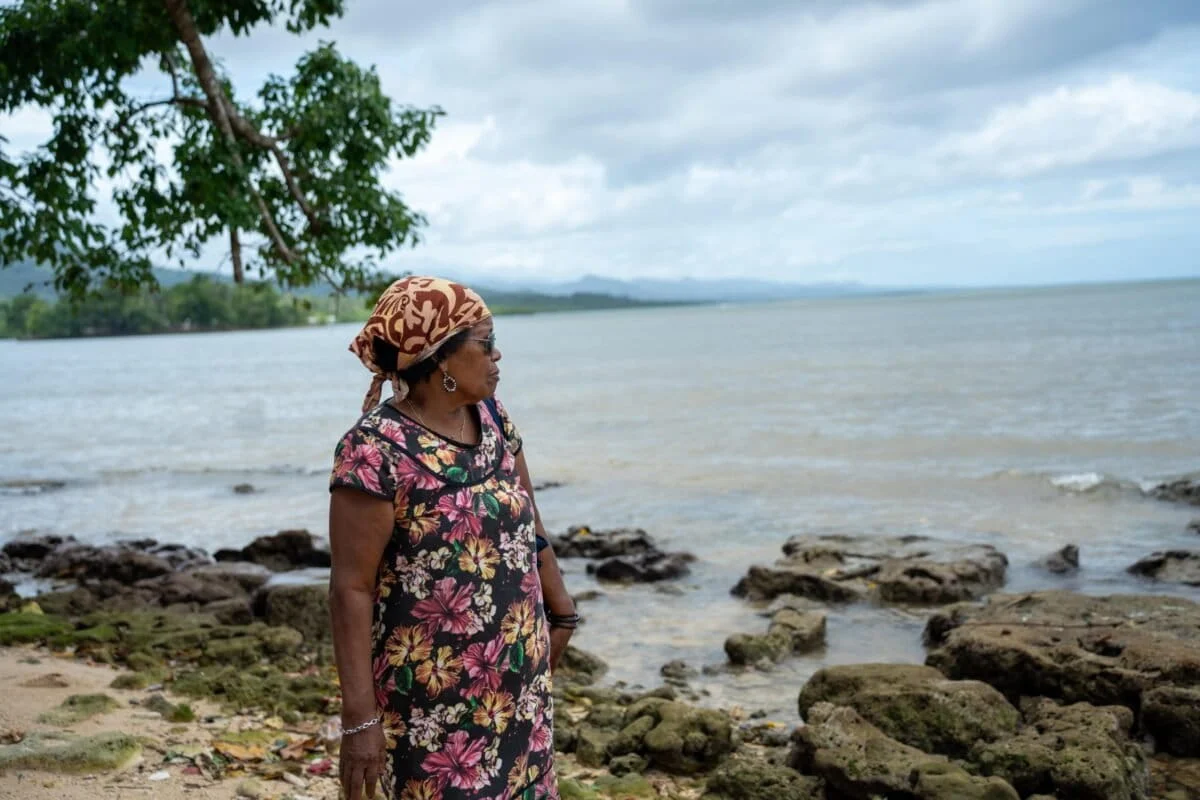
- The South Pacific: Comprising island nations such as Vanuatu and Papua New Guinea, this region is a frontline battleground against rising ocean temperatures, severe weather events, and habitat degradation, while also housing vital old-growth tropical forests.
In the South Pacific, where Polynesian societies are predominantly matrilineal, the fund deliberately channels its resources into women’s collectives. These groups serve as primary holders of cultural knowledge, resource management strategies, and community planning. Recent initiatives have empowered hundreds of young women across the Pacific to spearhead nature-based solutions, ranging from establishing food gardens to enhance local food sovereignty to executing coral reef restoration projects.
The Necessity of Trust-Based and Unrestricted Funding
A cornerstone of the Home Planet Fund’s philosophy is the complete demystification of unrestricted funding. In traditional philanthropy, donors frequently demand strict budgetary lines and frequent, rigid reporting metrics to ensure compliance. However, Khonikboyeva argues that this approach fails to account for the unpredictable nature of the real world—such as earthquakes, floods, political shifts, or economic instability.
An earthquake or a sudden drought does not wait for a grant administrator to approve a budget revision. By committing to trust-based philanthropy, the Home Planet Fund establishes a shared vision and baseline impact metrics with local partners while granting them the full autonomy to shift resources in times of crisis. For instance, when an earthquake struck Vanuatu, local partners were able to immediately activate early warning systems and emergency structures without pausing to navigate bureaucratic approval processes.
This model redefines the relationship between donor and recipient. Rather than viewing each other with suspicion, both parties operate as collaborative partners committed to long-term resilience. As Khonikboyeva frequently notes, demanding absolute, satisfying guarantees in an era of cascading global polycrises is fundamentally unrealistic. True accountability requires embracing nuance, acknowledging complications, and maintaining transparent communication when plans inevitably face disruption.
Healing the Land and Healing Humanity
Beyond environmental metrics, carbon yields, and biodiversity preservation, the Home Planet Fund introduces a deeply humanistic dimension to conservation: the necessity of healing collective trauma. Decades of marginalization, conflict, and ecological destruction have left deep scars on many Indigenous and local communities worldwide.
Khonikboyeva argues that conservation movements have historically erred by treating humans either as the sole perpetrators of environmental degradation or by attempting to manage ecosystems by displacing local populations entirely. Modern scientific research increasingly validates what Indigenous communities have known for generations: human stewardship, traditional ecological knowledge, and active community presence are vital to the flourishing of healthy landscapes.
By investing in local leadership and self-determination, the fund aims to transcend the fear-based narratives that frequently dominate climate activism. Saving the planet cannot merely be a defensive reaction driven by the fear of civilizational collapse; it must be an affirmative pursuit of a better, more dignified way of living. In healing the land, Khonikboyeva suggests, there is an accompanying opportunity to heal the people who inhabit it, proving that durable ecological sustainability and human dignity are inextricably linked.






Leave a Reply