
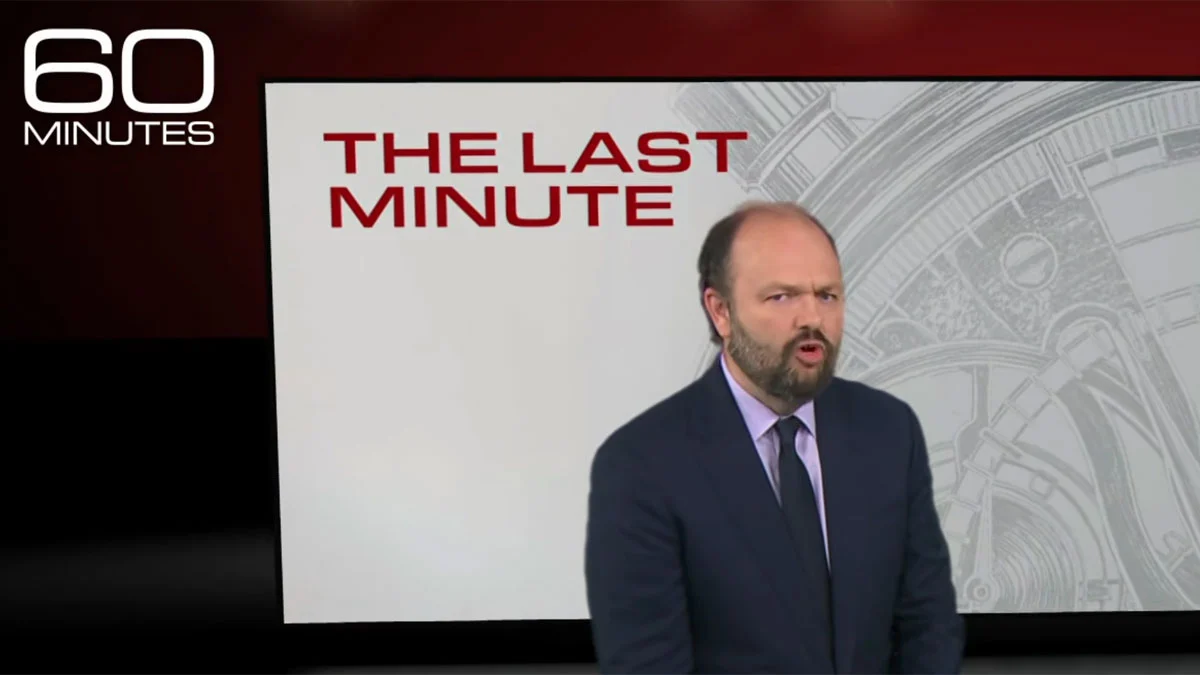
The television landscape faced a significant shift this past Sunday as the legendary news magazine program 60 Minutes returned for its 59th season, only to be met with a stark contraction in its audience metrics. According to Nielsen data, the program, which has served as a cornerstone of American investigative journalism since its inception in 1968, pulled in 7.94 million viewers for its season debut. This figure represents a 21% decline from the 10.02 million viewers who tuned in for the premiere of the previous season. The drop was particularly acute among the coveted 25-to-54-year-old demographic, which saw a 33% decline, falling to approximately 1.58 million viewers.
This performance marks a challenging start for the program under its current leadership, as CBS News attempts to navigate a complex transition period characterized by structural reorganization, editorial shifts, and external pressures.
A Legacy in Transition
For nearly six decades, 60 Minutes has maintained a reputation as the gold standard of broadcast journalism. Since its premiere on September 24, 1968, the show has survived numerous shifts in media consumption, political climates, and network leadership. However, the current iteration of the program represents perhaps the most aggressive overhaul in its history.
The changes were initiated following the appointment of Bari Weiss as CBS News editor-in-chief and Nick Bilton as the new executive producer. Their mandate, as understood by industry analysts, was to modernize the show’s approach to investigative reporting and broaden its appeal to a changing audience. However, the path to this new vision has been fraught with internal friction. The most high-profile casualty of this reorganization was veteran correspondent Scott Pelley, whose departure followed a highly publicized disagreement with Weiss regarding the editorial trajectory of the program.
The exodus of personnel was not limited to Pelley. Throughout the previous year, several seasoned reporters and behind-the-scenes producers left the network, either through layoffs or voluntary departures, as the new editorial team moved to consolidate its control over the show’s creative direction.
Chronology of Recent Challenges
The current ratings struggle is the latest in a series of turbulent events that have tested the institutional stability of CBS News. The following timeline highlights the key moments that have led to the current environment:
- September 1968: 60 Minutes debuts on CBS, pioneering the "ticking clock" format of investigative news.
- 2025: CBS News reaches a $16 million settlement with Donald Trump regarding a dispute over a 2025 interview segment. The settlement generated intense public scrutiny and criticism from press freedom advocates, many of whom argued that the network’s legal maneuvering suggested a lack of resolve in defending its editorial content.
- Late 2025 – Early 2026: A series of internal management changes are announced at CBS News. Bari Weiss and Nick Bilton assume their roles, signaling a strategic pivot for the network’s flagship programs.
- Spring 2026: The firing of Scott Pelley is confirmed, sparking widespread debate within the media industry regarding the preservation of traditional journalistic standards versus the adoption of newer, more experimental formats.
- September 13, 2026: The 59th season of 60 Minutes premieres, featuring a mix of traditional investigative segments and a modernized aesthetic, ultimately resulting in the reported decline in viewership.
Analyzing the Audience Shift
The 21% drop in total viewers is a significant indicator of the volatility facing legacy media outlets in the digital age. While some analysts point to the rise of streaming platforms and on-demand news as contributing factors to the general decline in linear television, the specific nature of the 60 Minutes drop suggests factors unique to the brand.
The demographic data—specifically the 33% decline in the 25-to-54 age range—is particularly concerning for advertisers who rely on the program to reach a middle-aged, affluent audience. This demographic is increasingly moving toward digital-first news sources, and the struggle of 60 Minutes to maintain its grip on these viewers suggests that the program’s "retooled" presentation may not have successfully bridged the gap between its legacy audience and a younger, more fragmented viewer base.
The Editorial Strategy: A Mixed Bag
Despite the controversy, Nick Bilton’s production team has maintained that the show remains committed to rigorous journalism. The premiere episode featured a diverse range of stories, including a high-stakes look at a US airman shot down in Iran and a hidden-camera investigation into brokers purportedly facilitating presidential pardons.
Furthermore, the producers have signaled a strategic focus on the integration of Artificial Intelligence into their reporting cycle. By promising to devote future segments to the implications of AI, the show is clearly attempting to stay relevant to modern technological developments. However, critics have noted that despite these thematic updates, the premiere episode still relied on many of the traditional stylistic markers that have defined the show for decades. This has led to a perception among some viewers that the program is trapped between its storied past and an uncertain, experimental future.
Institutional Responses and Public Perception
The network has largely remained quiet regarding the specific ratings figures, sticking to the standard practice of focusing on the quality of the content produced. However, the atmosphere surrounding the show remains charged. Allegations of political bias—a critique that has shadowed Bari Weiss throughout her career—have been frequently leveled against the new leadership.
Both Weiss and the network have consistently denied these allegations, maintaining that the editorial changes are intended to foster a more robust and objective investigative environment. Nevertheless, the memory of the 2025 settlement with Donald Trump persists in the public consciousness. For many commentators, that event set a precedent that made it difficult for the network to reclaim the narrative of being an unyielding, neutral observer of power.
Broader Implications for Network News
The performance of 60 Minutes serves as a case study for the wider television industry. As major networks struggle to maintain their relevance, the strategy of "retooling" a legacy brand is high-risk. When a program as ingrained in American culture as 60 Minutes undergoes a radical change, it risks alienating the core audience that has sustained it for decades.
The current viewership numbers suggest that while the show’s brand remains powerful, the transition has created a period of uncertainty for its audience. Whether this decline is a temporary adjustment phase or a long-term trend remains to be seen. Industry observers are now watching closely to see if the network will adjust its strategy for the upcoming weeks or continue with its current path, betting that the new editorial voice will eventually resonate with viewers.
Conclusion
As the 59th season progresses, the pressure on the 60 Minutes production team will undoubtedly increase. The challenge is twofold: they must continue to produce the high-caliber investigative work that the show is famous for while simultaneously finding a way to reach an audience that is increasingly disengaged from traditional broadcast television.
The decline in ratings is not merely a statistical anomaly; it is a signal of the shifting expectations of the American public. In an era where information is abundant and political polarization is high, the role of a "trusted" news program is more difficult to define than ever. CBS News now finds itself at a critical juncture, needing to balance the preservation of its institutional legacy with the necessity of evolving to meet the demands of a new generation of news consumers. The coming weeks of the 59th season will likely determine whether this retooling marks the beginning of a successful reinvention or the gradual fading of a television icon.








Leave a Reply