
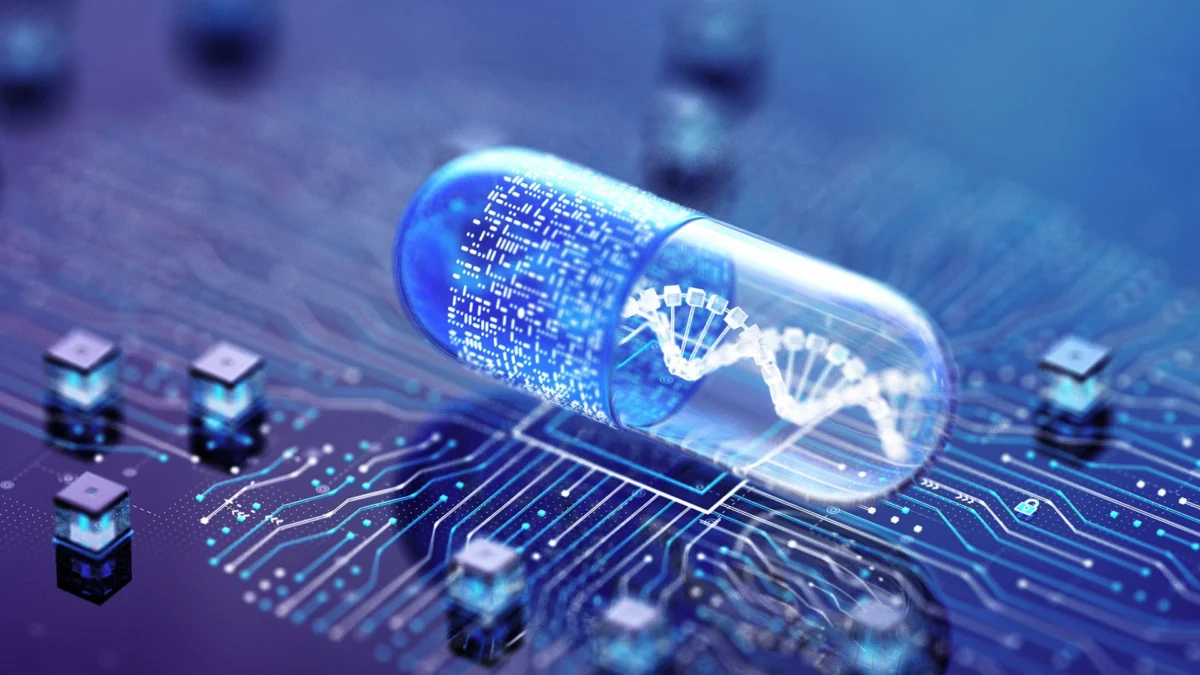
In a breakthrough that bridges the gap between molecular biology and advanced computation, scientists have successfully developed a novel DNA-powered computing system capable of executing complex calculations using billions of molecules suspended within a microscopic droplet of water. This innovative architecture harnesses the fundamental laws of physics and the natural properties of genetic material to construct a processing framework that researchers say is significantly more energy-efficient than the traditional silicon-based computers that dominate the modern digital landscape.
The pursuit of biological computing is not a novel concept, but this latest milestone represents a dramatic leap forward in scale, efficiency, and computational capacity. While previous iterations of DNA computers struggled with limitations in processing volume and error rates, this new system demonstrates an unprecedented ability to handle massive parallel processing tasks at the molecular level.
The Mechanics of Molecular Computation
At the core of this technology is the utilization of deoxyribonucleic acid (DNA)—the biological molecule responsible for building and maintaining living organisms—as a medium for data storage and processing. Unlike conventional computers that rely on binary code (bits represented by ones and zeros operating via electrical transistors), DNA computing leverages the natural chemical bonding properties of nucleotide bases (adenine, cytosine, guanine, and thymine).
In this newly developed system, billions of engineered DNA strands are placed into an aqueous environment—a simple drop of water. As these molecules interact, they undergo specific biochemical reactions dictated by thermodynamic and physical laws. These interactions function analogously to logic gates in a traditional computer processor, allowing the system to process information simultaneously rather than sequentially.
Because a single drop of water can house an astronomical number of molecules, the potential parallelism of DNA computers vastly eclipses that of even the most advanced supercomputers. Where a silicon chip must cycle through calculations one after another (or across multiple cores), a molecular computer can evaluate millions or billions of possibilities concurrently within the same microscopic volume.
A Brief History of DNA Computing
The foundational concept of DNA computing was first introduced in 1994 by Leonard Adleman at the University of Southern California. Adleman famously used a test tube filled with DNA strands to solve a complex version of the "Hamiltonian path problem" (commonly known as the traveling salesperson problem). His pioneering work proved that biological molecules could be utilized to perform mathematical operations.
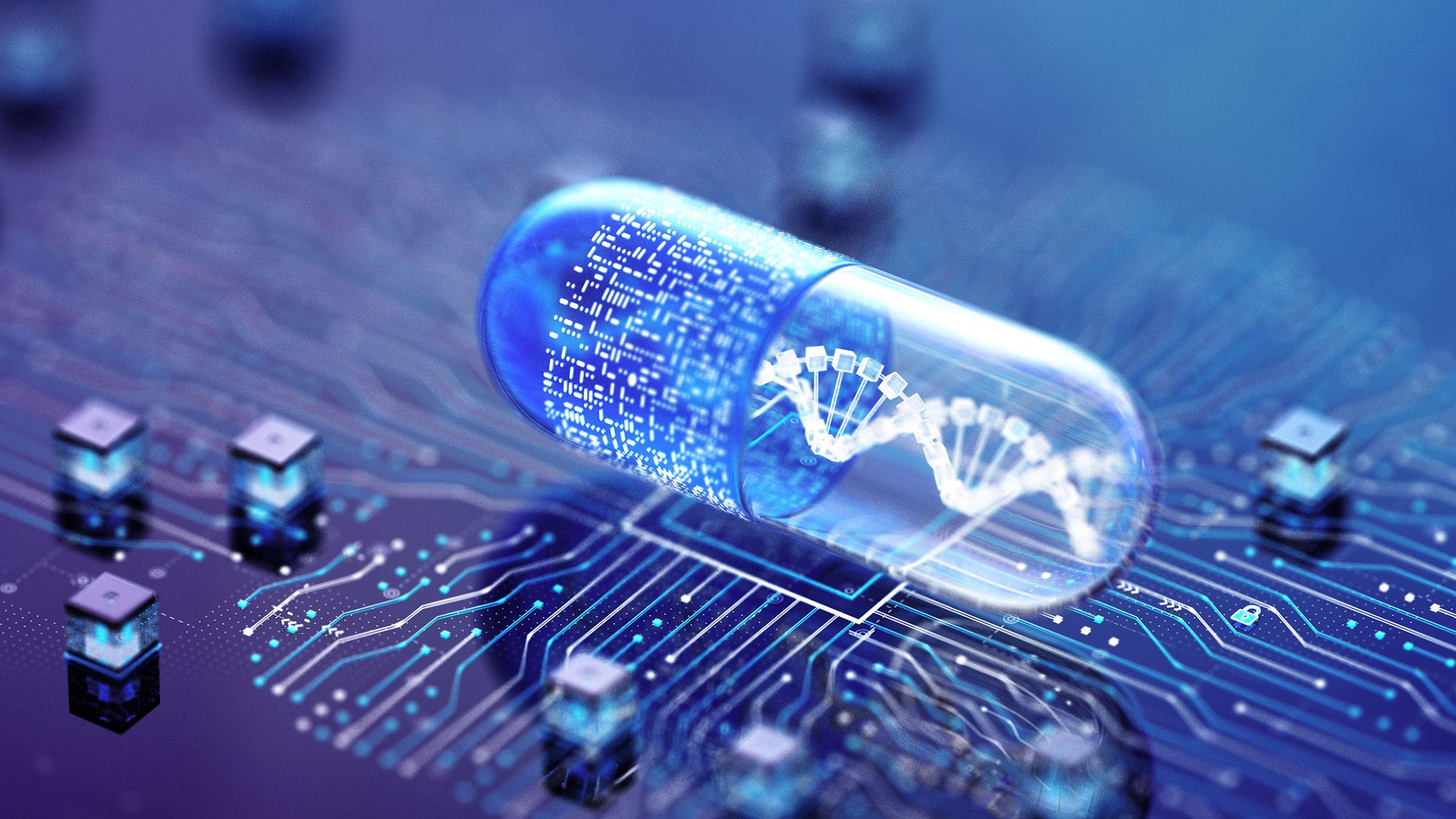
In the decades following Adleman’s breakthrough, researchers around the globe sought to scale the technology. Throughout the 2000s and 2010s, academic institutions and private laboratories developed logic circuits made of DNA, enzyme-powered computers, and molecular machines capable of diagnosing diseases within living cells. However, these systems were largely plagued by two major bottlenecks: they were slow to execute multiple operational steps, and their chemical reactions were prone to cumulative errors as complexity increased.
The latest development addresses several of these historical hurdles by optimizing the thermodynamic stability of the DNA strands and refining the fluidic environment in which the reactions take place. By improving the precision with which the molecules bind and release, the research team has significantly reduced error rates while exponentially increasing the volume of calculations the water droplet can sustain.
Unprecedented Energy Efficiency
One of the most compelling aspects of DNA-based computing is its near-zero energy footprint compared to conventional electronic hardware. Modern data centers—which power everything from everyday internet browsing to cutting-edge artificial intelligence models—consume staggering amounts of electricity and require massive cooling infrastructures to prevent overheating.
In contrast, biological systems operate at room temperature using biochemical energy that is intrinsic to the molecules themselves. The thermodynamic processes driving the DNA strands require minimal external energy input. Experts in the field note that if molecular computing can eventually be scaled to handle practical industrial workloads, it could offer a sustainable alternative to power-hungry silicon data centers, drastically reducing the carbon footprint of the technology sector.
Furthermore, biological data storage is extraordinarily dense. A single gram of DNA can theoretically store hundreds of petabytes of data, far outstripping the storage capacity of traditional hard drives and solid-state media while occupying a fraction of the physical space.
Expert Perspectives and Scientific Implications
While the academic community has greeted the announcement with enthusiasm, computer scientists and biophysicists emphasize that DNA computing is still in its foundational stages and faces significant hurdles before commercial adoption becomes viable.
Dr. Elena Vance, a biophysicist specializing in molecular information systems who was not directly involved in the research, noted the significance of the scale achieved in this latest study. "Performing billions of calculations in a drop of water is a monumental proof-of-concept," Vance said. "It demonstrates that the throughput limitations that held back DNA computing for twenty years are not insurmountable. However, translating this from a controlled laboratory experiment in a test tube to a programmable, reliable device that can interface with traditional electronic systems remains a monumental engineering challenge."
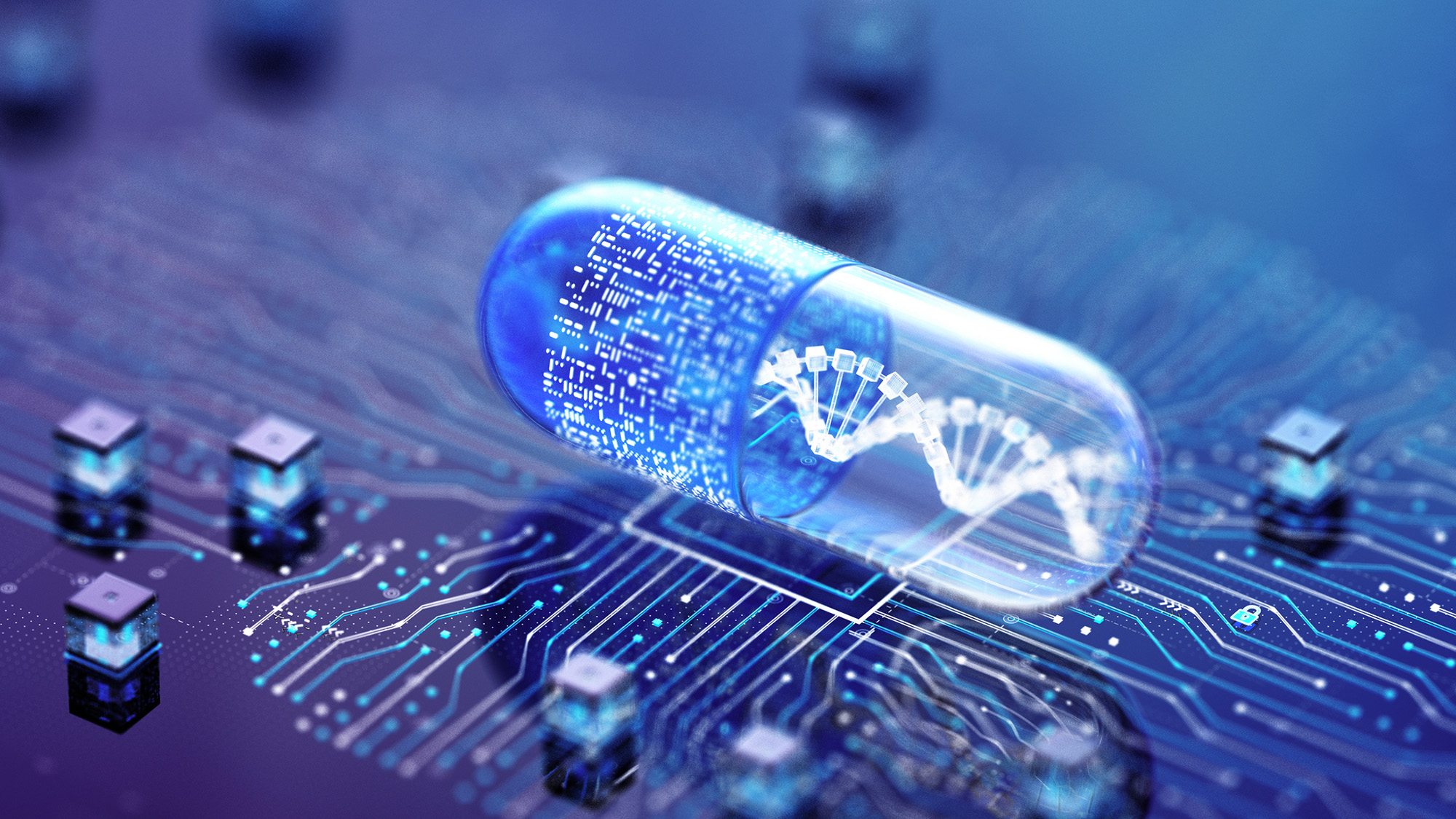
Unlike silicon processors, which execute instructions with deterministic precision, biological reactions are probabilistic. Ensuring that a DNA computer yields the correct result consistently requires sophisticated error-correction protocols, many of which are still under development.
Broader Impacts and Future Horizons
Despite the technical challenges ahead, the implications of a functional, high-capacity DNA computer extend across multiple disciplines.
In the biomedical sector, molecular computers could eventually be deployed directly within biological tissues. Because DNA is inherently biocompatible, a microscopic biological computer could operate inside the human body, continuously monitoring chemical markers, diagnosing diseases in real time, and releasing targeted therapeutics precisely when and where they are needed.
In the realm of cryptography and complex optimization, the massive parallelism offered by molecular systems could eventually rival or complement quantum computing. While quantum computers require extreme cryogenic temperatures and delicate isolation from electromagnetic interference, DNA computers operate under ambient conditions, potentially making them more accessible and robust for specific types of parallel data processing.
As researchers continue to refine the precision, speed, and programmability of these water-suspended molecular systems, the boundary between biology and computer science continues to blur. What began three decades ago as a theoretical experiment in a single test tube has now evolved into a sophisticated computing paradigm—one that suggests the future of data processing may look less like a microchip and more like the building blocks of life itself.









Leave a Reply