The Evolution of the Frontier Cabin
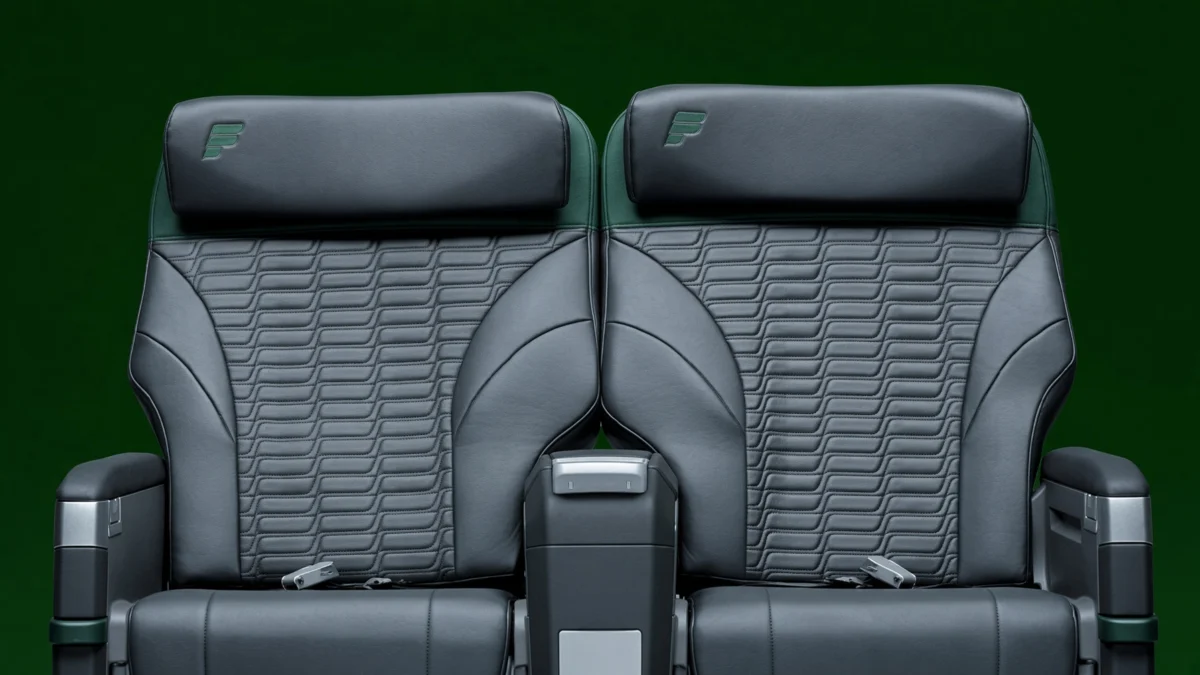
For years, Frontier Airlines maintained a strict identity as an ultra-low-cost carrier (ULCC), focusing on bare-bones fares and aggressive unbundling of services. This approach allowed the airline to compete primarily on price. However, the introduction of the first-class product represents a significant pivot. Unlike the "Big Front Seat" model popularized by competitors like Spirit Airlines—which primarily offers extra legroom without elevated service—Frontier appears to be moving toward a more comprehensive premium offering.
The transformation, which was originally announced in December 2024, has been a multi-year project involving significant aircraft interior retrofitting. Throughout 2025 and 2026, the airline transitioned its fleet to accommodate larger seating configurations. During this transitional period, these premium seats were sold under the "UpFront Plus" branding, which offered extra space but maintained standard service levels. As of March 5, 2027, this transition will be formalized into a branded First Class experience, backed by dedicated service protocols for cabin crew.
Chronology of the First-Class Rollout
The road to this launch has been marked by several key milestones that demonstrate Frontier’s intent to reshape its brand perception:

- December 2024: Frontier Airlines makes the initial announcement regarding the development of a first-class product, targeting a late 2025 rollout.
- Late 2025 – 2026: The airline begins the complex process of aircraft interior modifications. During this time, the "UpFront Plus" seats are introduced as an interim product.
- November 10, 2026: Frontier officially opens reservations for its new first-class cabin, confirming the March 5, 2027, launch date for the finalized service.
- January 1, 2027: The airline updates its elite frequent flyer program policies, shifting the structure for complimentary upgrades to require specific bundle purchases.
- March 5, 2027: The official launch date for the new first-class service standards, coinciding with the completion of the cabin conversion across the relevant fleet.
Technical Upgrades: Connectivity and Power
Beyond the physical seating, the 2027 cabin overhaul includes critical infrastructure upgrades designed to meet modern passenger expectations. One of the most significant pain points for frequent travelers has been the absence of reliable inflight connectivity and seat-side power.
Frontier has confirmed that it will begin rolling out Starlink Wi-Fi across its fleet throughout 2027. This is a major technological leap for the carrier, which previously relied on a model that discouraged extended time on the aircraft. Furthermore, the new cabin configuration will feature USB-C charging ports specifically in the first eight rows. This targeted implementation suggests that the airline is prioritizing premium passengers for these amenities, though the strategic focus on connectivity implies a broader recognition that the modern traveler views Wi-Fi as a utility rather than a luxury.
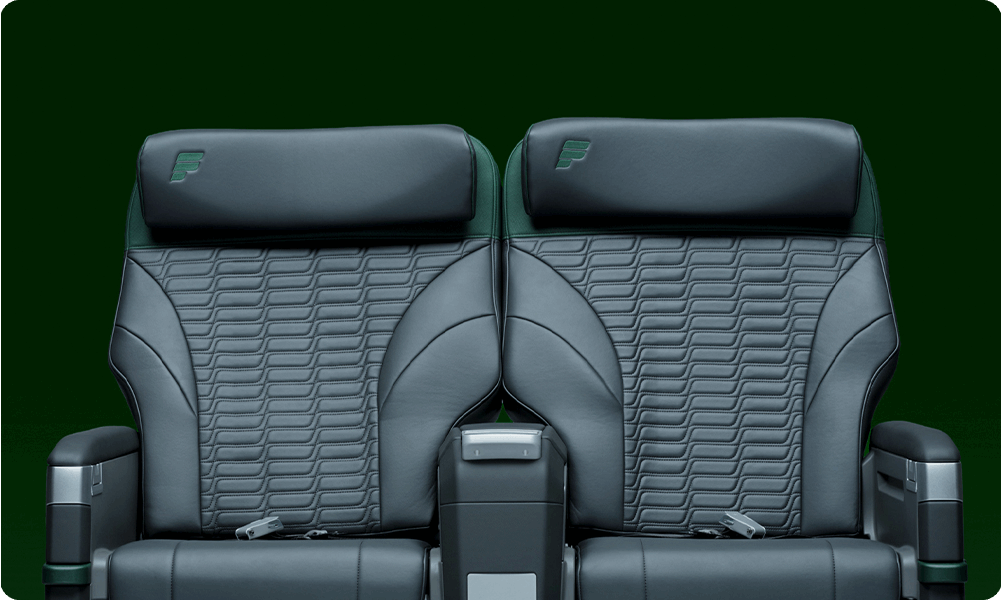
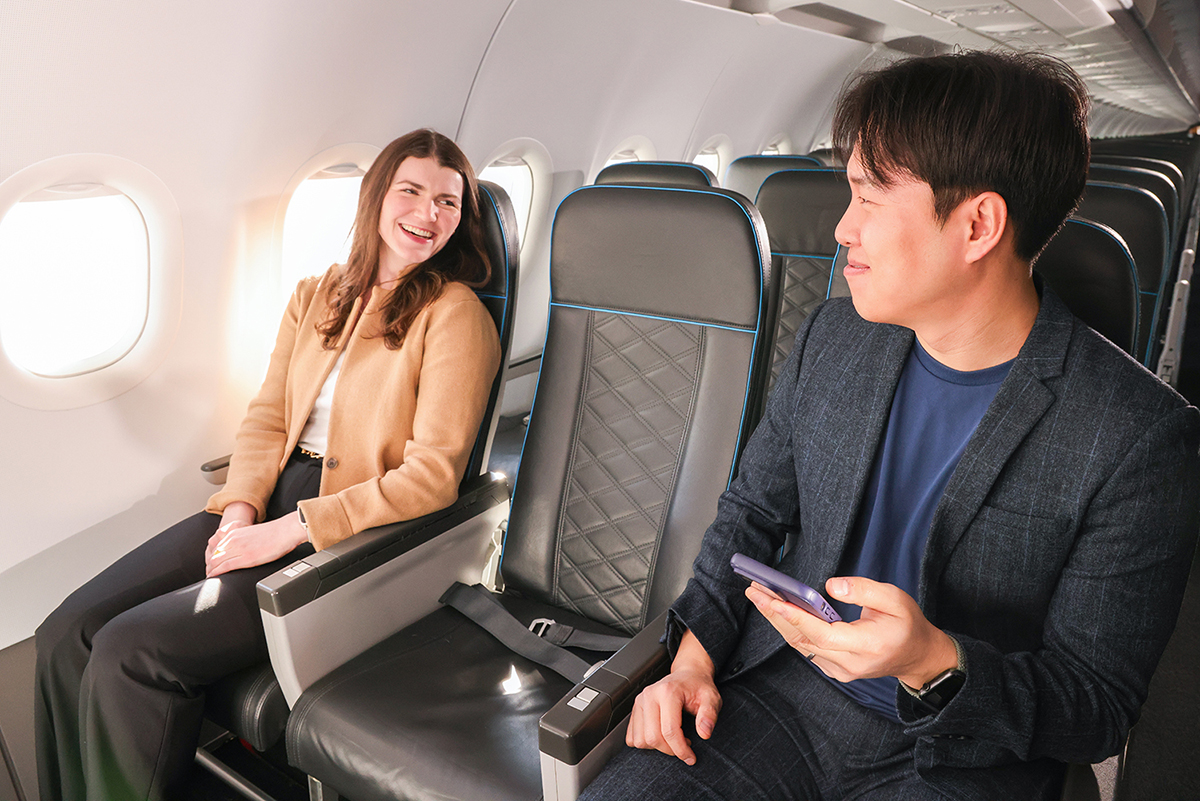
It is important to note the physical constraints of the new seating. While the seats are marketed as a premium upgrade, they remain "pre-reclined." This means that unlike traditional first-class seats on legacy carriers such as Delta, United, or American, passengers cannot adjust the backrest. This design choice is intended to maximize cabin density and ensure consistency in the passenger experience, though it remains a point of contention for those expecting a traditional "recline and relax" first-class experience.
Market Analysis and Strategic Implications
The decision to include food and beverage service in the first-class experience—a departure from the airline’s previous "purchase-only" model—is a calculated move to drive revenue through higher ticket price points. By bundling amenities into the base first-class fare, Frontier is attempting to capture travelers who previously bypassed the airline in favor of legacy carriers that offer inclusive service.
However, this transition comes with risks. The airline’s operational reliability remains a central concern for business travelers and frequent flyers. While the hardware—the seats and the Wi-Fi—may now compete with major carriers, the overall service experience will be judged against the backdrop of Frontier’s historical performance metrics, including flight cancellations and customer service responsiveness.
Additionally, the shift in elite status benefits represents a tightening of the airline’s loyalty ecosystem. Starting January 1, 2027, the privilege of a complimentary upgrade to first class is no longer an automatic benefit of high status. Instead, elite members must purchase specific bundles to qualify for an upgrade. This change effectively devalues the status tiers for those who previously enjoyed complimentary upgrades, potentially alienating long-term loyalists while favoring revenue-generating passengers. The tiered release of these upgrades—24 hours for Diamond, 18 for Platinum, 8 for Gold, and 4 for Silver—creates a hierarchy that prioritizes the highest-spending customers at the expense of general elite tier members.
Operational Challenges and Future Outlook
For Frontier to successfully execute this transition, it must align its cabin crew service standards with the new product. Currently, the airline’s frequently asked questions page still states that food and beverages are available for purchase, indicating that the specific, finalized service protocols are still in the final stages of internal development.
The airline’s move into a competitive premium space also invites direct comparison with established incumbents. By attempting to bridge the gap between an ultra-low-cost carrier and a full-service airline, Frontier is entering a difficult middle ground. If the price point for the new first-class product is significantly lower than that of legacy competitors, it may attract budget-conscious leisure travelers. However, if the airline prices this product too aggressively, it may struggle to convince corporate travelers—who value reliability and lounge access—to switch from established loyalty programs.
Furthermore, the introduction of the new cabin is only the first phase of the airline’s broader 2027 strategy. The successful implementation of Starlink across the entire fleet will be a litmus test for the airline’s operational capacity. If the rollout is delayed or if the connectivity proves inconsistent, the investment in the physical cabin could fail to deliver the expected return on investment.
Conclusion
As March 5, 2027, approaches, the aviation industry will be watching closely to see how Frontier Airlines manages this brand transition. The introduction of a "real" first-class service is an admission that the ultra-low-cost market has its limits and that customer retention requires more than just a low base fare. Whether this change is enough to elevate Frontier into a serious competitor for premium domestic travel remains to be seen. The combination of larger seats, in-seat power, and high-speed internet provides the necessary tools for competition, but the ultimate success of the initiative will depend on the airline’s ability to execute consistently on its new service standards and maintain operational stability in an increasingly demanding market.
For now, travelers looking to experience the new Frontier should be aware that the "first class" experience is still evolving. While the seats are a clear improvement over standard coach, the inability to recline and the reliance on specific bundle purchases for upgrades suggest that Frontier is carving out a unique, if somewhat constrained, niche in the premium travel market. The coming months will be critical as the airline navigates the final stages of this transformation and begins the process of proving its value to a new segment of the traveling public.