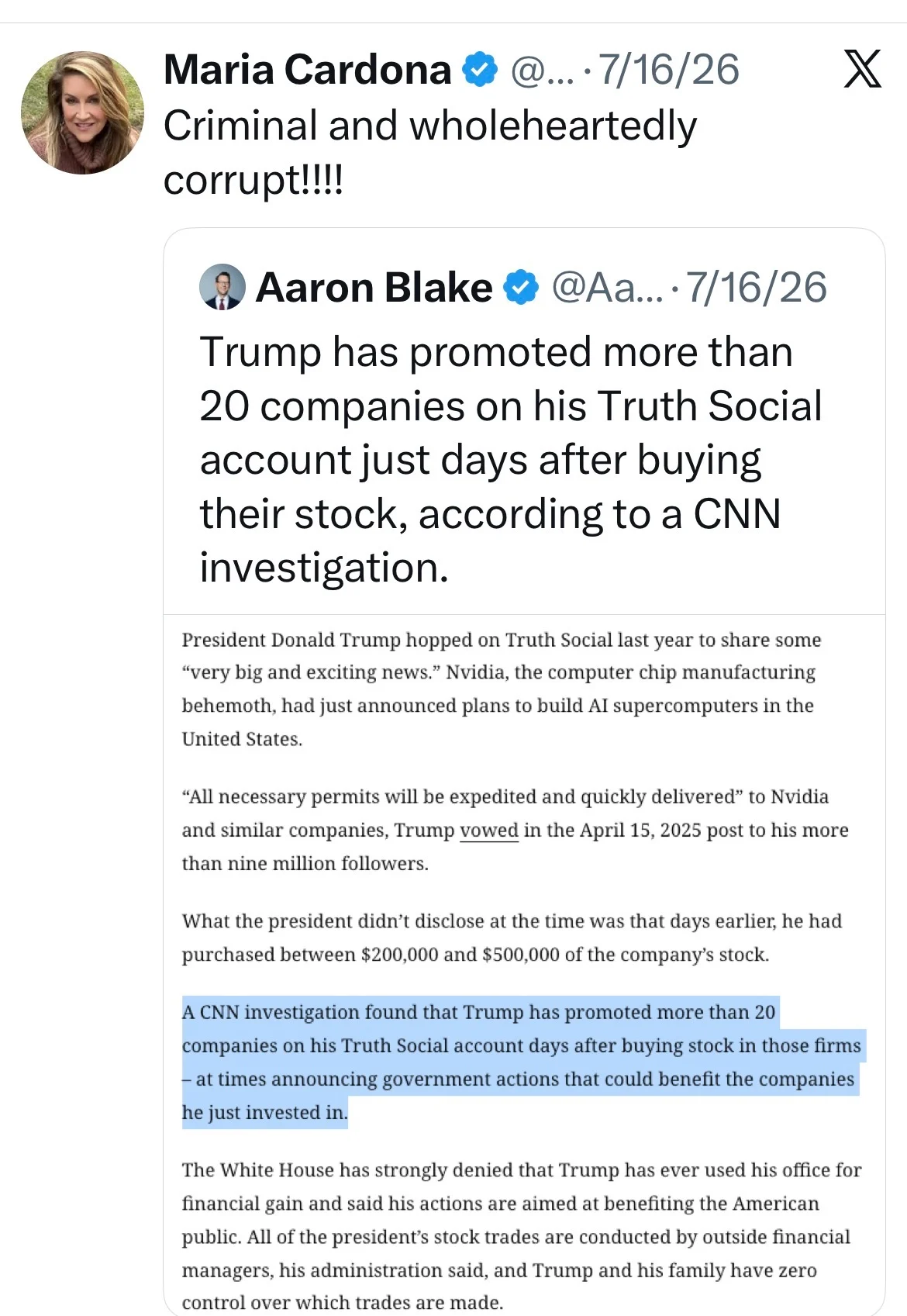
The recent midterm elections in the United States, characterized by a significant electoral shift often described by analysts as a "blue tsunami," have brought the issue of government integrity to the forefront of the national conversation. While economic concerns, including inflation and the fiscal impact of international conflicts, initially dominated the political discourse, subsequent polling data suggests that public frustration with alleged government corruption served as a primary catalyst for voter behavior. This shift highlights a profound disconnect between the electorate and the governing administration, raising questions about the institutional durability of American democratic norms in the face of what critics characterize as systemic malfeasance.

A Climate of Institutional Distrust
The discourse surrounding corruption in the current political landscape is distinct from historical precedents. Where previous administrations faced scrutiny over specific policy decisions or isolated ethics violations, the allegations leveled against the Trump administration are described by political scientists as more pervasive, affecting the fundamental operations of government departments and the impartiality of regulatory bodies. Voters cited a range of concerns, from the intersection of private business interests with public office to the unprecedented use of executive clemency.

Surveys conducted in the aftermath of the election indicate that for a large segment of the voting public, the perception of an "oligarchic" shift within the federal government was a decisive factor. This sentiment was not limited to traditional partisan lines; a measurable portion of the independent electorate, as well as segments of the moderate right, expressed alarm at the perceived erosion of checks and balances.

Chronology of Reported Concerns: April 2026 to Present
Since the spring of 2026, a steady stream of reports has surfaced regarding the conduct of the Trump family and associated political appointees. These reports encompass various sectors, including financial disclosures, real estate transactions, and the administration of federal contracts.

- April–May 2026: Initial reports began to emerge regarding potential conflicts of interest involving executive branch officials and their private investment portfolios. These reports focused on the lack of divestment from assets that could be influenced by federal policy decisions.
- June–July 2026: Attention shifted to the management of federal procurement processes, with investigative outlets highlighting instances where government contracts appeared to be awarded to entities with direct ties to political donors or family members of administration officials.
- August–October 2026: The focus moved to the intersection of technology and political influence, specifically regarding the financial activities surrounding Truth Social and the potential for regulatory capture in the tech and telecommunications sectors.
- November 2026: As the midterms approached, the debate intensified over the use of pardons and commutations, which critics argued were increasingly utilized as a political tool rather than a mechanism of justice.
The Intersection of Private Finance and Public Policy
One of the most persistent areas of concern involves the influence of personal financial interests on policy implementation. The integration of the Trump family’s business empire with the executive office has been a focal point for ethics watchdogs.

For example, observers have closely monitored the activities of family members in relation to international real estate deals and licensing agreements. When these business ventures overlap with foreign policy decisions—such as tariff structures or trade negotiations—it creates an appearance of a conflict of interest that many legal experts argue undermines the credibility of the U.S. government.

Furthermore, the "pay-to-play" allegations have resurfaced in various investigations. These claims suggest that access to executive decision-makers was effectively monetized, with individuals and corporate interests seeking favorable regulatory outcomes through substantial donations or business deals with entities affiliated with the administration. While the administration has consistently denied these claims, the sheer volume of anecdotal and documented evidence has fueled a significant loss of public confidence.

The Role of Regulatory and Tax Oversight
The relationship between the Trump administration and the Internal Revenue Service (IRS) has been another point of intense scrutiny. Reports suggesting that the administration sought to leverage the IRS for political objectives, or alternatively, to shield its own financial affairs from rigorous audit, have raised serious questions about the independence of the agency.

Financial transparency has been a consistent challenge. The refusal to release full tax returns or provide detailed disclosures about offshore holdings has prevented the public and the legislature from fully assessing the extent of potential conflicts. This lack of transparency, coupled with the aggressive use of executive privilege to withhold documents from congressional committees, has exacerbated tensions between the executive and legislative branches.

The "DOGE" Initiative and Government Efficiency
The administration’s efforts to reform government bureaucracy, often framed under the banner of increased efficiency, have been met with skepticism. Critics argue that these initiatives—such as the Department of Government Efficiency (DOGE) style programs—are being used to dismantle oversight bodies that are responsible for auditing federal spending. By characterizing oversight as "bureaucratic bloat," the administration has effectively shielded itself from accountability, making it difficult for independent watchdogs to track the flow of taxpayer funds to private contractors.

Comparative Analysis of Political Corruption
Historically, political corruption in the U.S. has been addressed through legislative reform, such as the Ethics in Government Act. However, the current era is defined by a reliance on the polarization of the electorate to deflect criticism. By framing allegations of corruption as "politically motivated attacks," the administration has managed to maintain a core base of support despite the mounting evidence.

This strategy, however, may have reached its limit during the recent midterms. When corruption reaches a point where it directly impacts the economic well-being of the average citizen—such as through tariffs that increase the cost of consumer goods or foreign policy decisions that affect energy prices—the narrative of "political bias" becomes less effective. The electoral results suggest that the public is increasingly capable of distinguishing between political theater and tangible, self-serving policy-making.

Broader Implications and Future Outlook
The implications of this period of intense scrutiny are profound. The erosion of institutional norms could have long-term consequences for the integrity of the federal government. If the public loses faith in the neutrality of agencies like the Justice Department, the IRS, and the intelligence community, the capacity of the government to function effectively is severely diminished.

Furthermore, the precedent set by the current administration regarding the use of executive power could be adopted by future leaders, leading to a "new normal" where the boundaries between public service and private gain are permanently blurred. This shift would represent a significant departure from the post-Watergate era, which was characterized by a concerted effort to strengthen ethics rules and increase transparency.

As the new Congress prepares to take office, the demand for legislative action to address these concerns is expected to be high. Potential reforms could include:

- Mandatory divestment requirements: Strengthening laws that force officials to place assets in blind trusts.
- Enhanced ethics oversight: Increasing the budget and investigative powers of the Office of Government Ethics.
- Congressional reform: Streamlining the subpoena process to ensure that executive branch agencies are more responsive to oversight committees.
Conclusion
The "blue tsunami" of the 2026 midterms serves as a critical indicator of the American public’s current sentiment regarding the health of its democracy. While the myriad examples of alleged corruption involving the Trump administration remain a subject of active debate, the electoral outcome suggests that the electorate is increasingly unwilling to tolerate the perceived normalization of self-interest in the halls of power. As the nation moves forward, the challenge will be to restore the balance of power and ensure that the integrity of the U.S. government remains beyond reproach, regardless of which party holds the executive branch. The events of the past several months have set the stage for a period of intense institutional self-reflection and, potentially, the most significant push for ethics reform in a generation.