
As lawmakers on Capitol Hill prepare to leave Washington for the final stretch of the midterm election campaign trail, a bipartisan group of senators has quietly hit a wall in negotiations over a high-stakes energy permitting reform bill. Billed by analysts and industry leaders as vital to satisfying the nation’s skyrocketing electricity needs, the long-sought legislation aims to overhaul a federal regulatory apparatus that many argue is increasingly unfit for the 21st century.
However, a volatile mix of public antipathy toward data centers, sharp partisan divisions over environmental protections, and the looming shadow of the November elections has stalled momentum. While the framework of a compromise has drawn rare alignment between Republicans and Democrats, the path forward remains fraught with political peril.
The Anatomy of a Broken Permitting System
At the heart of the legislative push is a shared consensus in Washington that the United States energy permitting process is fundamentally broken. Current federal frameworks require complex environmental impact studies, lengthy and overlapping reviews by multiple federal agencies, and open avenues for legal challenges from environmental organizations and local project opponents. According to industry leaders, these procedural roadblocks consistently delay energy infrastructure development, hobbling both clean energy deployments and traditional fossil fuel projects.
Lawmakers have spent years attempting to streamline the process. Most recently, the Energy Permitting Reform Act of 2024 managed to clear its respective committee but ultimately stalled before reaching a full floor vote in the Senate.
The urgency behind the current legislative cycle, however, is markedly different. Surging electricity demand has supercharged the debate. The highest-ranking members of both parties on the Senate’s two primary energy-related committees have spent weeks behind closed doors hammering out the language of a draft bill, hoping to create a clearer, faster pathway for energy infrastructure.
Surging Power Demand and the Data Center Dilemma
The modern spike in American electricity consumption is driven by a convergence of factors. For years, the steady proliferation of energy-efficient appliances and lighting helped keep national power demand relatively flat through the 2010s. Today, however, that trend has reversed.
Americans are rapidly electrifying their daily lives. The widespread adoption of heat pumps, residential and commercial electrical appliances, and electric vehicles is steadily reshaping the domestic energy landscape. Simultaneously, federal initiatives aimed at reshoring manufacturing have driven up industrial demand for reliable power.
Yet, the most intensive pressure on the grid comes from the exponential expansion of the tech industry’s data centers, which are required to power advanced artificial intelligence systems and massive cloud computing infrastructure. These facilities are heavy power consumers, straining local grids and accelerating national electricity demand spikes to unprecedented levels.
This dynamic has created a severe public relations dilemma for lawmakers. While legislators recognize the economic and technological necessity of upgrading electrical grids to support these facilities, public polling indicates that data centers are profoundly unpopular among voters.
Data compiled by public opinion research firms, including D.C.-based Redbud Consulting, reveals that voters across the political spectrum—Democrats, Republicans, and independents alike—strongly oppose the construction of data centers within their local communities. Alex Lundry, president of Redbud Consulting, noted that framing permitting reform as a direct subsidy or facilitator for data centers alienates the electorate. Consequently, legislators facing reelection in November find themselves walking a political tightrope: they must advocate for robust electrical infrastructure while attempting to disassociate the legislation from the very tech boom that necessitates it.
The Renewable and Fossil Fuel Compromise
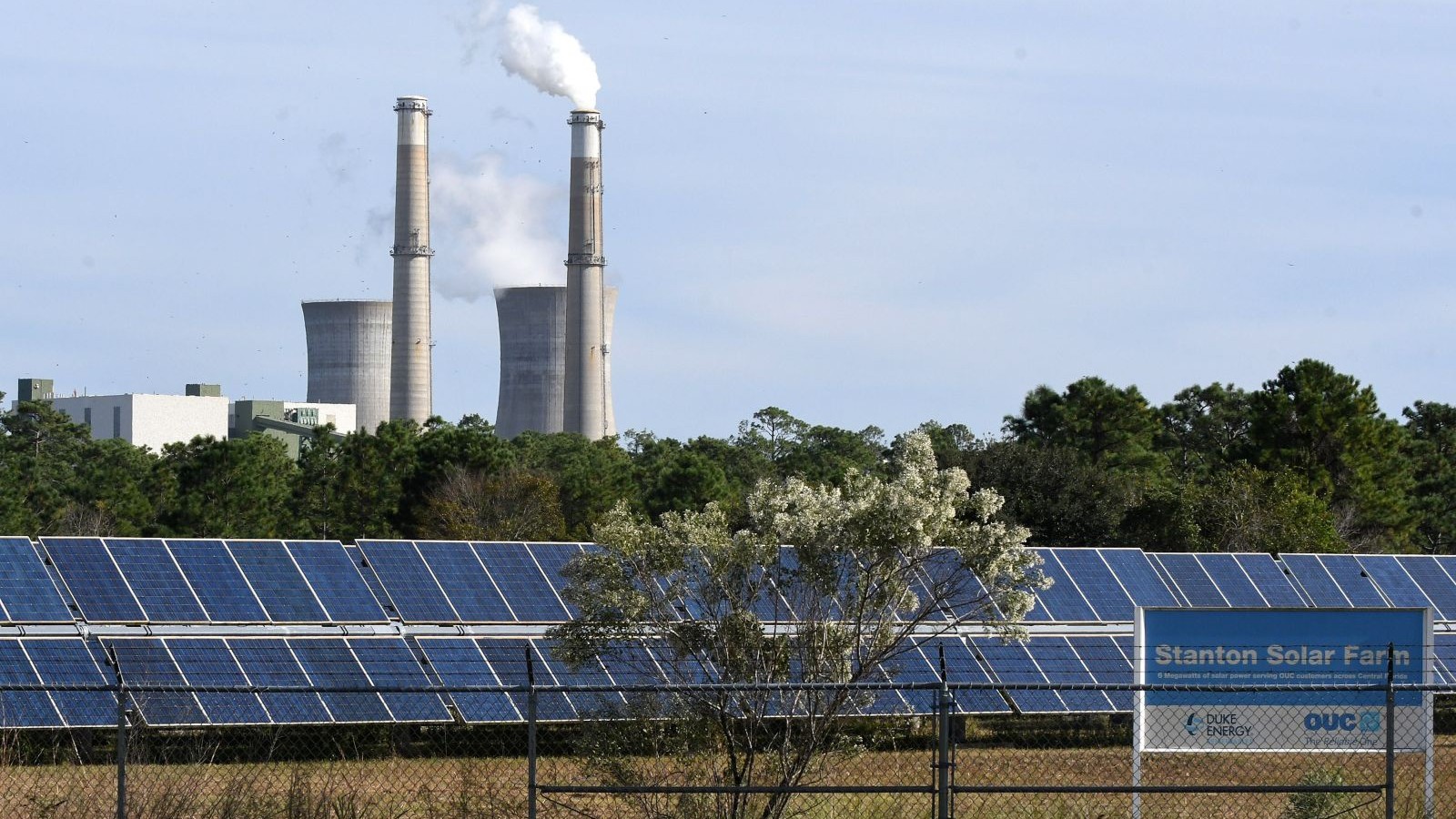
The draft bill under negotiation is structured to benefit a wide array of energy sources, appealing to both sides of the aisle by easing the construction path for solar, wind, and natural gas projects.
Market projections underscore the necessity of these provisions. Solar power and battery storage systems account for nearly 80 percent of all new power generation capacity expected to come online across the United States. Meanwhile, natural gas remains a dominant baseline power source, serving as the single largest source of electricity generation and functioning as the primary fuel source for the burgeoning fleet of data centers projected to come online over the next decade.
Industry stakeholders have been vocal advocates for reform. Tim Pawlenty, president of the Solar Energy Industry Association, recently warned that the nation’s energy deployment pipeline risks becoming severely constrained without legislative intervention.
To secure Democratic buy-in, the Trump administration has signaled a willingness to drop roadblocks against renewable energy projects, offering a potential compromise to entice lawmakers across the aisle. However, lingering distrust has slowed progress. Democratic negotiators have expressed concerns that even if statutory requirements are eased, executive agencies could continue to obstruct wind and solar deployments in practice.
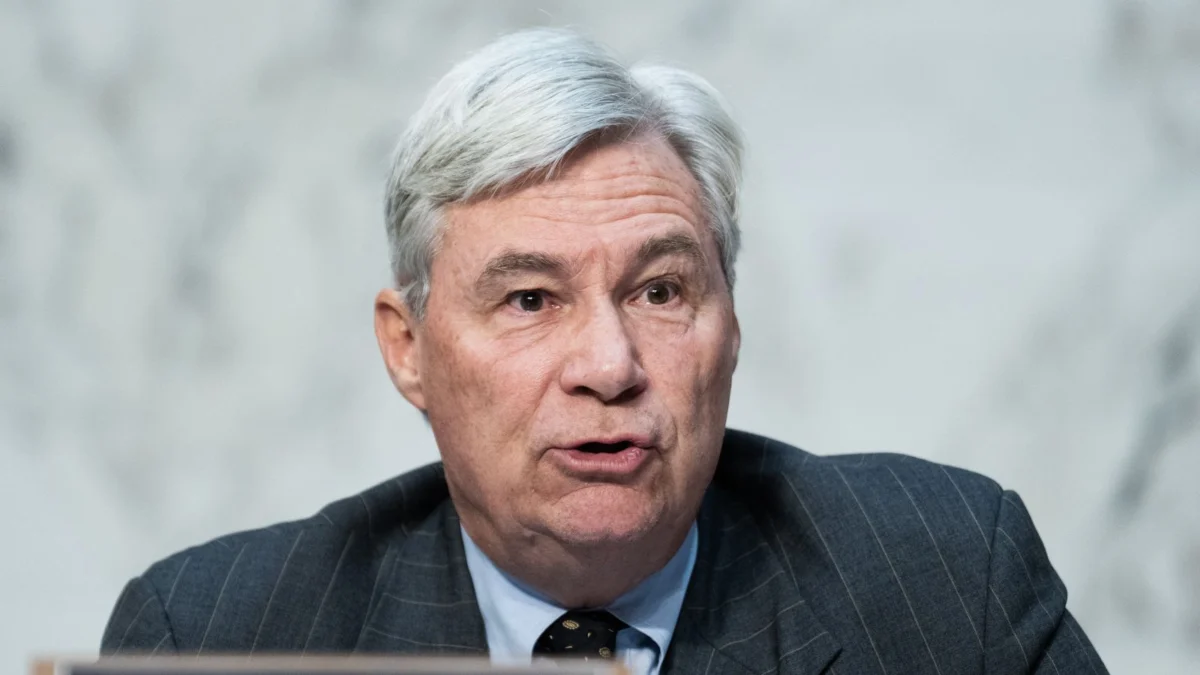
Senator Sheldon Whitehouse, a Rhode Island Democrat and a primary negotiator on the Senate Environment and Public Works Committee, told reporters that while the administration’s overtures are appreciated, lawmakers require concrete clarity regarding the implementation timeline for renewable energy approvals before moving forward.
Environmental Protections Versus Geopolitical Competition
The legislative debate also exposes deep philosophical divides over environmental regulations. Environmental organizations, such as the Natural Resources Defense Council (NRDC), have pushed for targeted land-use planning that accelerates clean energy development without dismantling bedrock statutes like the Clean Water Act and the Endangered Species Act.
Conversely, many Republican lawmakers and industry advocates argue that sweeping regulatory relief is essential to maintain economic growth and secure America’s geopolitical standing. A central argument advanced by proponents of the bill is that restrictive American permitting processes cede strategic advantages to foreign adversaries, particularly China. Lawmakers have repeatedly warned that hobbling domestic AI development and data center expansion through bureaucratic red tape risks letting Beijing surpass the United States in technological and military dominance.
Yet, public opinion polling suggests that traditional nationalist arguments regarding international competition are losing resonance with voters. Recent surveys by Redbud Consulting indicate that voters are far more responsive to messaging centered on reducing consumer energy costs and expanding renewable energy production. With roughly 70 percent of Americans reporting an increase in their utility bills over the past year, framing permitting reform as a mechanism to lower costs remains a potent electoral strategy.
Legislative Hurdles and Future Outlook
As the legislative window before the midterm elections closes, the path forward for the permitting bill remains uncertain. Reports from Capitol Hill indicate that key senators intend to resume negotiations after the November elections. Analysts note that post-election legislative dynamics could complicate the bill’s prospects further, particularly if shifting congressional majorities alter the balance of power in Washington.
Simultaneously, related legislative efforts in the House of Representatives highlight the acute political sensitivity surrounding utility costs and tech infrastructure. The House recently passed a bill designed to encourage states to require data center operators to finance their own dedicated electricity generation, shielding everyday ratepayers from absorbing the financial burden of the power surge. However, that measure has stalled in the Senate amid debate over whether its provisions are sufficiently robust.
Ultimately, the debate over energy permitting reform captures the central paradox of modern American infrastructure policy: an urgent, bipartisan recognition of systemic failure clashing directly with localized political resistance, public anxiety over rising living costs, and the complex realities of an evolving energy economy.








Leave a Reply