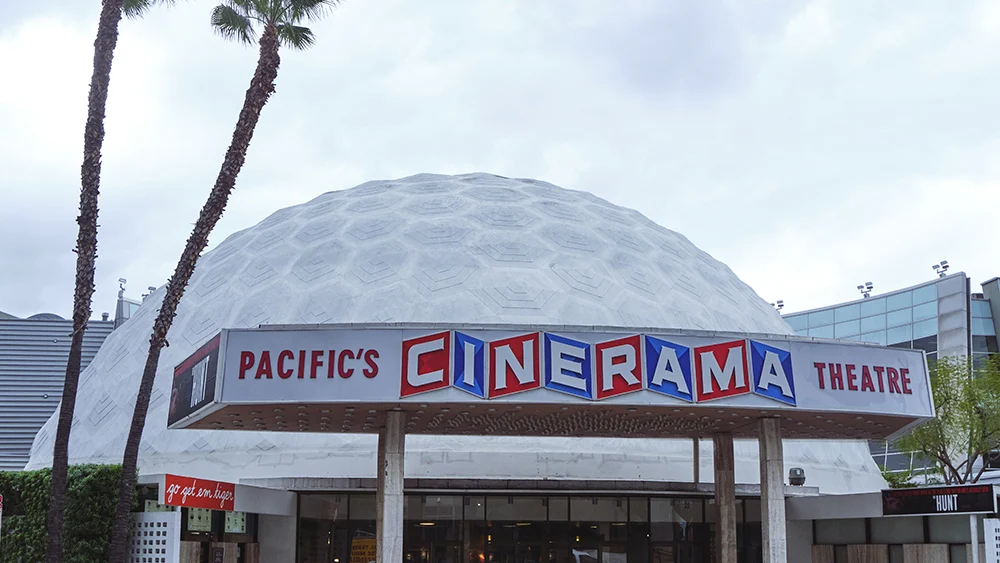
Sony Pictures is reportedly in the initial stages of discussions to lease and operate the legendary Cinerama Dome theater in Hollywood, a move that could signal a significant expansion of the studio’s footprint in the theatrical exhibition sector. This potential acquisition follows Sony’s recent strategic investments in the cinema landscape, including its landmark purchase of the Alamo Drafthouse chain earlier this year and a prior investment in Cosm, a company focused on shared-reality experiences. The Cinerama Dome, a beloved landmark with a rich history, has remained shuttered since the broader closure of ArcLight Cinemas and Pacific Theatres following the COVID-19 pandemic.
A Resurgence in Exhibition: Sony’s Strategic Pivot
Sony Pictures’ interest in the Cinerama Dome is not an isolated development but rather a continuation of a deliberate strategy to strengthen its presence in the film exhibition business. The acquisition of Alamo Drafthouse, a renowned dine-in cinema chain celebrated for its unique programming and fan-centric approach, marked a substantial commitment to operating movie theaters. This was further bolstered by an investment in Cosm, indicating Sony’s forward-thinking approach to immersive and technologically advanced viewing experiences. The potential lease of the Cinerama Dome would add a historic and iconic venue to this growing portfolio, offering a distinct platform for both traditional film releases and potentially specialized events.
The studio’s foray into exhibition is a notable departure from the traditional model of solely producing and distributing content. By integrating exhibition, Sony aims to gain deeper insights into audience behavior, explore new revenue streams, and potentially exert greater control over the theatrical release window and presentation of its films. This integrated approach is becoming increasingly important in an evolving media landscape where direct consumer engagement is paramount.
The Cinerama Dome: A Hollywood Icon’s Legacy
The Cinerama Dome, opened in 1963, is more than just a movie theater; it is a piece of Hollywood history. Originally designed to showcase the immersive, three-panel Cinerama process, its distinctive geodesic dome structure quickly became an architectural landmark on Sunset Boulevard. For decades, it served as a premier venue for blockbuster premieres, special screenings, and a consistent high-grossing multiplex. Its unique design and history have made it a cherished destination for film enthusiasts and industry professionals alike. The theater has hosted numerous high-profile events, including a special preview screening of Quentin Tarantino’s "Once Upon a Time in Hollywood," a testament to its enduring appeal and status.
The closure of the Dome and its adjacent ArcLight multiplex in 2020, amidst the global pandemic and the subsequent bankruptcy of parent company Pacific Theatres, left a significant void in Hollywood’s cinematic landscape. For six years, the iconic structure has sat dormant, a source of frustration and longing for many in the film community. The prolonged closure has been described as "painful" by industry insiders, who have questioned the lack of progress in reopening such a vital cultural institution.
Behind the Scenes: Lease Negotiations and Operational Details
Sources indicate that Sony Pictures would operate the Cinerama Dome under a lease agreement. Crucially, the use of the "ArcLight" name is precluded due to the ongoing Chapter 7 bankruptcy proceedings affecting the former operator. Deadline was the first to report on these nascent talks. It is also understood that Alamo Drafthouse would likely play a role in the operational management of the complex, leveraging their expertise in cinema operations and audience engagement.
The parent company of the Cinerama Dome and its associated property, Decurion Corp., through its subsidiary Robertson Property Group and the Forman family, has been engaged in intermittent renovations of the theater over the past several years. However, no concrete reopening date has been established. A significant step towards potential reopening occurred in May when a liquor license renewal was approved at a city hearing, clearing a regulatory hurdle that had been a prerequisite for resuming operations.
A Community’s Plea for Reopening
The prolonged closure of the Cinerama Dome and the ArcLight multiplex has been met with widespread disappointment and bewilderment. For residents and industry creatives in Los Angeles, the vacant theaters represent a lost cultural hub and a symbol of the challenges facing the traditional cinema industry. Many have expressed their frustration that a venue of such importance has remained inaccessible for so long. The sentiment was echoed by a prominent movie theater executive at CinemaCon earlier this year, who lamented the six years the theaters have sat "dormant," raising concerns about the potential state of the venue.
Adding a new dimension to the complex, the Blue Note Jazz Club recently inaugurated an L.A. location within the Dome complex, featuring two smaller theaters with capacities of 100 and 200 seats. This development underscores the potential of the site as a multi-faceted entertainment destination, even as the fate of the main Cinerama Dome theater remained uncertain.
A Shifting Exhibition Landscape: Broader Trends
The potential involvement of Sony Pictures in operating the Cinerama Dome is part of a larger narrative of transformation within the Los Angeles exhibition scene. The pandemic accelerated trends that had been simmering for years, leading to the closure of several beloved cinema venues. Landmark Theatres shuttered its Pico Boulevard location in 2022, and the historic Bruin and Fox theaters in Westwood Village closed their doors in 2024. The Fox theater, in a notable instance of preservation, was subsequently taken over by a consortium of filmmakers led by Jason Reitman. This group is undertaking a remodeling project and has already begun hosting screenings this summer under the banner of "Director’s Village," demonstrating a commitment to revitalizing classic venues.
These closures and subsequent efforts to revive them highlight the economic pressures and evolving consumer preferences impacting the movie theater industry. The rise of streaming services, coupled with the lingering effects of the pandemic, has forced exhibitors to innovate and find new ways to attract audiences. Sony’s strategic investments in exhibition, from acquiring a large chain to exploring iconic venues and advanced viewing technologies, position the company to navigate these changes proactively.
Analysis and Implications
Sony Pictures’ potential lease of the Cinerama Dome signifies more than just the reopening of a single theater; it represents a strategic investment in the future of cinematic presentation. By integrating exhibition operations, Sony can foster a more symbiotic relationship between content creation and distribution. This could lead to:
- Enhanced Brand Integration: Sony can curate programming that aligns with its film slate, potentially offering exclusive content, special events, and immersive experiences tied to its franchises.
- Data and Audience Insights: Operating theaters provides invaluable first-party data on audience preferences, viewing habits, and ticket purchasing behavior, which can inform future production and marketing decisions.
- New Revenue Streams: Beyond ticket sales, Sony can explore diversified revenue models, including premium food and beverage offerings, merchandise, and partnerships, especially if the Alamo Drafthouse model is implemented.
- Control over Presentation: The ability to dictate how its films are shown—from screen format to sound quality—can help preserve the intended artistic vision and enhance the theatrical experience, a crucial factor for blockbusters and auteur-driven films alike.
- Revitalization of a Landmark: For Hollywood, the reopening of the Cinerama Dome would be a welcome development, restoring a vital piece of its cultural heritage and providing a premier venue for film lovers.
The involvement of Alamo Drafthouse suggests a focus on a curated, community-oriented approach that has proven successful in differentiating from mainstream multiplexes. This could mean a return to the Dome’s roots as a venue for exceptional film experiences, blending classic moviegoing with modern amenities and programming.
While official comments from Sony Pictures and Decurion Corp. have been nil, the ongoing discussions and prior regulatory steps like the liquor license renewal indicate a serious pursuit. The revival of the Cinerama Dome under Sony’s stewardship could herald a new chapter for this iconic Hollywood landmark, potentially setting a precedent for how major studios engage with the exhibition sector in the years to come. The prolonged silence from the involved parties only fuels anticipation for a formal announcement that could breathe new life into one of cinema’s most celebrated venues. The coming months will be critical in determining if this promising chapter in Hollywood’s cinematic history will indeed unfold.