Southwest Airlines has officially announced a sweeping transformation of its Rapid Rewards loyalty program, set for implementation in 2027. The most significant structural change is the introduction of a new top-tier status, "Platinum," designed to compete directly with the premium offerings of legacy carriers. This overhaul comes as the airline moves away from its historic, low-cost "no-frills" model toward a more conventional industry structure, characterized by assigned seating, fare bundling, and a broader distribution strategy that places Southwest’s offerings directly alongside competitors on major booking platforms.
The 2027 update will unify the qualification metrics for both elite status and the coveted Companion Pass, creating a more streamlined, albeit rigorous, path for the airline’s most frequent flyers. While the airline has framed these changes as an evolution to meet modern traveler expectations, the shift marks a departure from the unique operating philosophy that defined Southwest for decades.
A Chronology of Change: From Open Seating to Elite Tiers
Southwest Airlines, founded in 1967, built its reputation on a disruptive business model: high-frequency, point-to-point service, an all-Boeing 737 fleet, and famously, an open-seating policy. For years, the lack of assigned seats and the absence of traditional "elite" tiers were features, not bugs, intended to keep boarding times short and operational costs low.

However, the post-pandemic landscape forced a pivot. In recent years, Southwest faced mounting pressure from shareholders to increase revenue per available seat mile (RASM). The airline’s decision to adopt assigned seating and "basic economy" fare structures—a move signaled throughout 2024 and 2025—necessitated a corresponding overhaul of the Rapid Rewards program to incentivize loyalty within a more restrictive cabin environment.
The introduction of the Platinum tier serves as the capstone to this transition. By establishing a clear hierarchy—Gold, A-List, and Platinum—Southwest is attempting to mirror the loyalty structures of Delta, United, and American, ensuring that high-value business travelers find the value proposition of Southwest comparable to the premium experiences found elsewhere.
Examining the Platinum Tier and Tiered Benefits
The introduction of the Platinum status has drawn mixed reviews from industry analysts who note the modest nature of the benefits compared to the effort required to achieve them. Current Rapid Rewards members who hold A-List Preferred status and the Companion Pass will find the transition to Platinum offers only marginal improvements. Key benefits for Platinum members include a third checked bag, priority boarding, and an advertised increase in earning potential.
However, a closer look at the fine print reveals that these earning gains may be offset by a reduction in base-earning rates on higher-fare tickets, effectively neutralizing the perceived value for many top-tier travelers. Furthermore, as the "Gold" tier effectively replaces the current A-List Preferred status, long-time loyalists have expressed concern that the airline is "repackaging" existing benefits rather than offering true, industry-leading enhancements.
The Expansion of Partner Redemptions
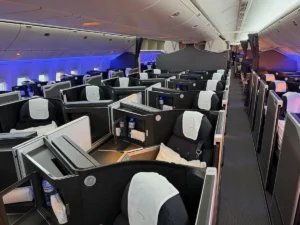
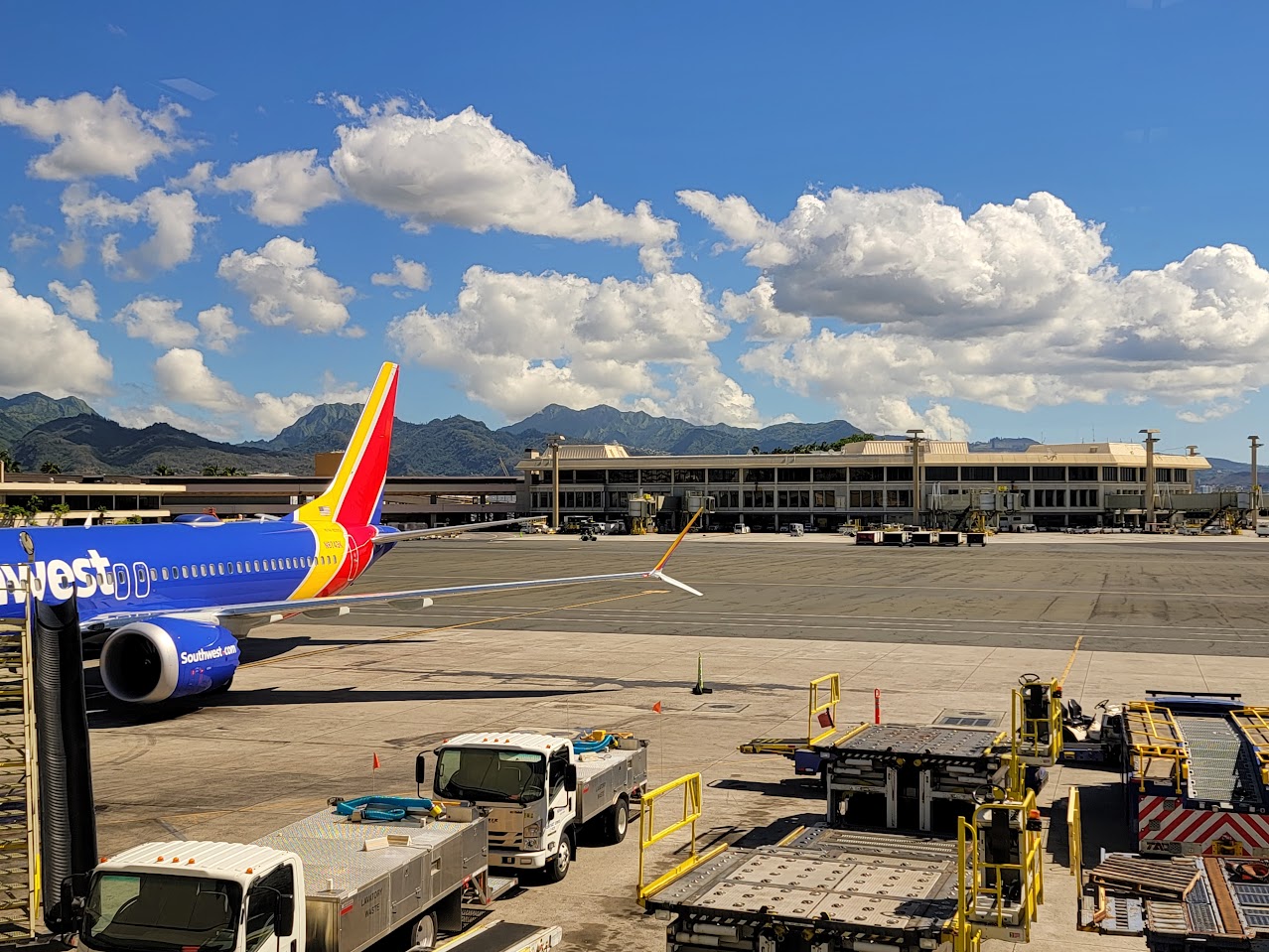
Perhaps the most significant value-add for the average member is the upcoming expansion of partner redemptions. Starting in the spring, Rapid Rewards members will be able to utilize their points for award travel on Icelandair, China Airlines, and Etihad Airways. This development is a strategic necessity for Southwest, which lacks an international network. By integrating these global carriers, Southwest can now compete for travelers who prioritize long-haul international connectivity.
While the exact redemption charts, surcharge structures, and cabin-class availability remain undisclosed, the inclusion of premium cabin redemptions is a major departure from Southwest’s traditional domestic-only focus. This integration suggests that the airline is attempting to capture a greater share of "wallet spend" from customers who might otherwise gravitate toward legacy airlines that offer global alliance partnerships.
Data and Competitive Analysis: The Cost of Convergence
The shift toward a traditional loyalty model is not without risk. For years, Southwest maintained a competitive advantage through its "friendlier" service culture and the simplicity of its operations. As the airline introduces more complexity—including premium seating, baggage fees, and multi-tier elite status—it risks diluting the very brand identity that once allowed it to command a loyal following despite its lack of international reach.
Industry data suggests that the "unbundling" of services is a primary driver for modern airline profitability. By moving to assigned seating and tiered elite benefits, Southwest is essentially playing catch-up with the rest of the industry. The challenge lies in the execution: can Southwest maintain its reputation for superior customer service while operating under the same restrictive fare structures as its competitors?
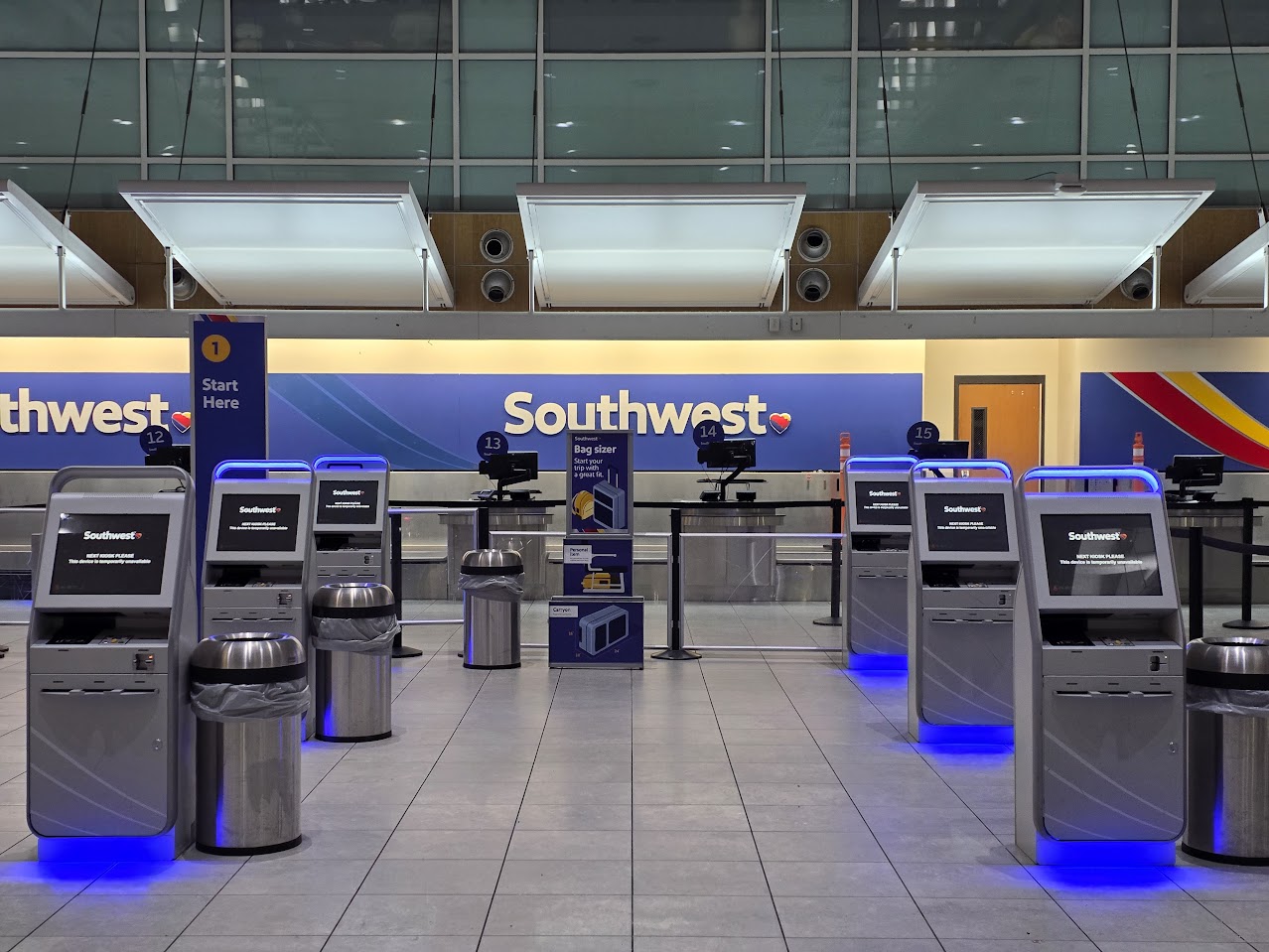
Market analysts suggest that the success of the 2027 overhaul will depend heavily on the "soft" benefits. If Southwest can offer better operational reliability and maintain its distinctive crew culture, it may successfully navigate the transition. However, if the loyalty tiers are perceived as "lite" versions of those offered by American or United, the airline may struggle to retain the high-margin business traveler.
Strategic Recommendations for Future Growth
In light of these changes, industry experts have proposed several avenues for further strengthening the Rapid Rewards program to ensure it remains competitive:
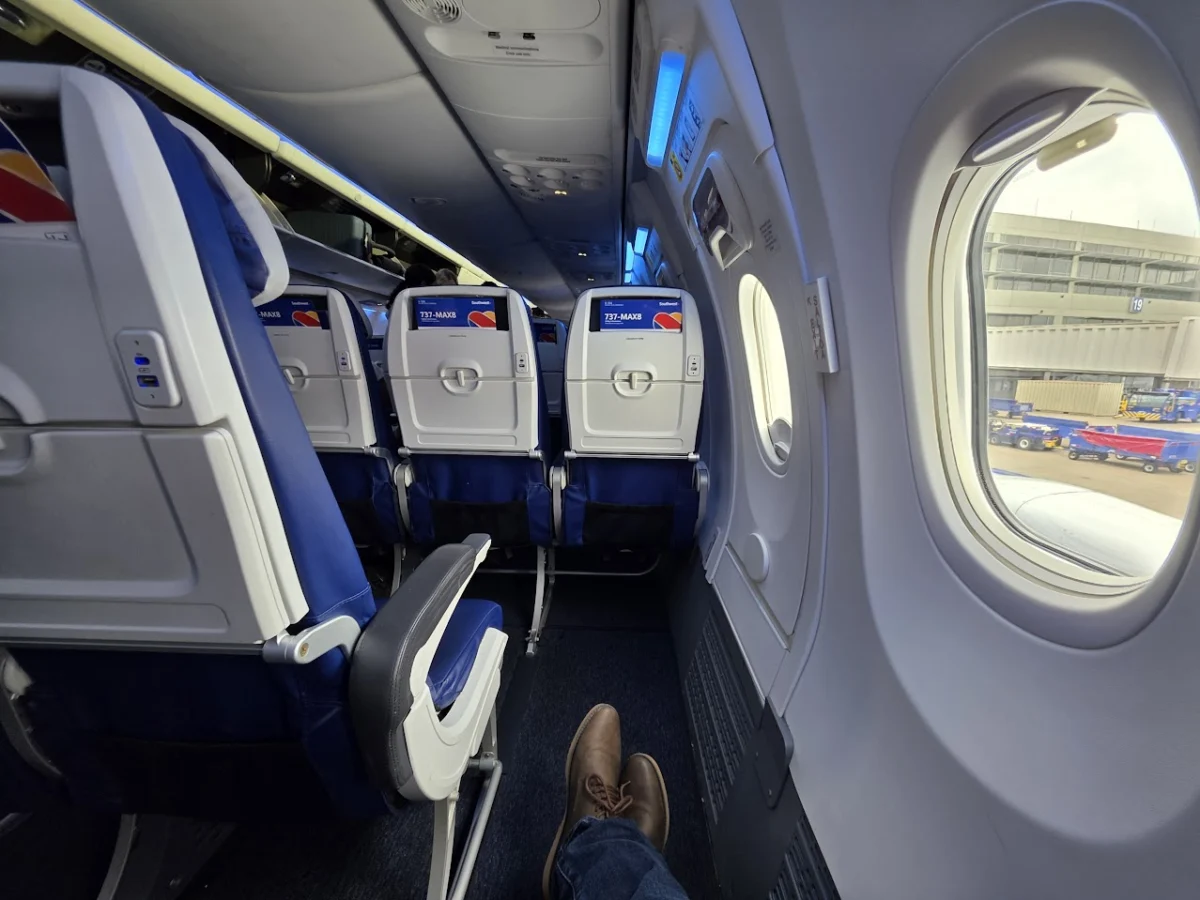
- Empty Seat Management: Implementing a policy where empty middle seats next to Platinum members are held during the boarding process could provide a high-value, low-cost perk that distinguishes Southwest from competitors who charge for "extra legroom" but provide no guarantee of space.
- Segment-Based Qualification: Transitioning toward a hybrid qualification model—based on either total miles flown or total flight segments—would accommodate Southwest’s short-haul, high-frequency network. This would allow frequent business commuters to achieve status through sheer volume of travel, regardless of distance.
- Points Pooling: Following the lead of carriers like JetBlue and United, Southwest could implement a family or group pooling feature. Allowing families to combine their points would significantly increase the utility of the program, encouraging more household-level loyalty.
- Confirmed Same-Day Changes: Offering Gold and Platinum members the ability to switch to any available flight on their travel day, regardless of their fare class, would provide a tangible service benefit that is highly valued by business travelers who often face schedule changes.
- Reciprocal Status Recognition: To make Platinum status truly valuable, Southwest must pursue deeper, reciprocal status recognition with its new international partners. Priority boarding, lounge access, and baggage benefits on partner airlines would significantly elevate the attractiveness of the top-tier status.
- Choice Benefits: By allowing top-tier members to select an annual "choice benefit"—such as lounge passes, companion upgrades, or travel credits—the airline could provide a more personalized experience, fostering deeper emotional investment from its most profitable customers.
Official Stance and Market Outlook
Southwest Airlines executives have consistently maintained that these changes are necessary to provide a more competitive product. By aligning with industry standards, the airline aims to offer a "more consistent" experience across the board. While the airline has not provided a specific counter-response to criticism regarding the difficulty of achieving the new status levels, they have indicated that the 2027 rollout will include a robust communications plan to guide existing members through the transition.
Ultimately, the transformation of Southwest is a case study in industry convergence. By adopting the mechanics of its peers, Southwest is betting that it can survive the transition without losing its core identity. Whether the new Rapid Rewards program succeeds will depend on whether these elite tiers provide enough tangible value to keep flyers from switching to the established legacy carriers. As the airline moves closer to its 2027 deadline, the industry will be watching closely to see if Southwest can remain "the friendly airline" while implementing the complex, fee-based systems that now define the modern aviation landscape.