
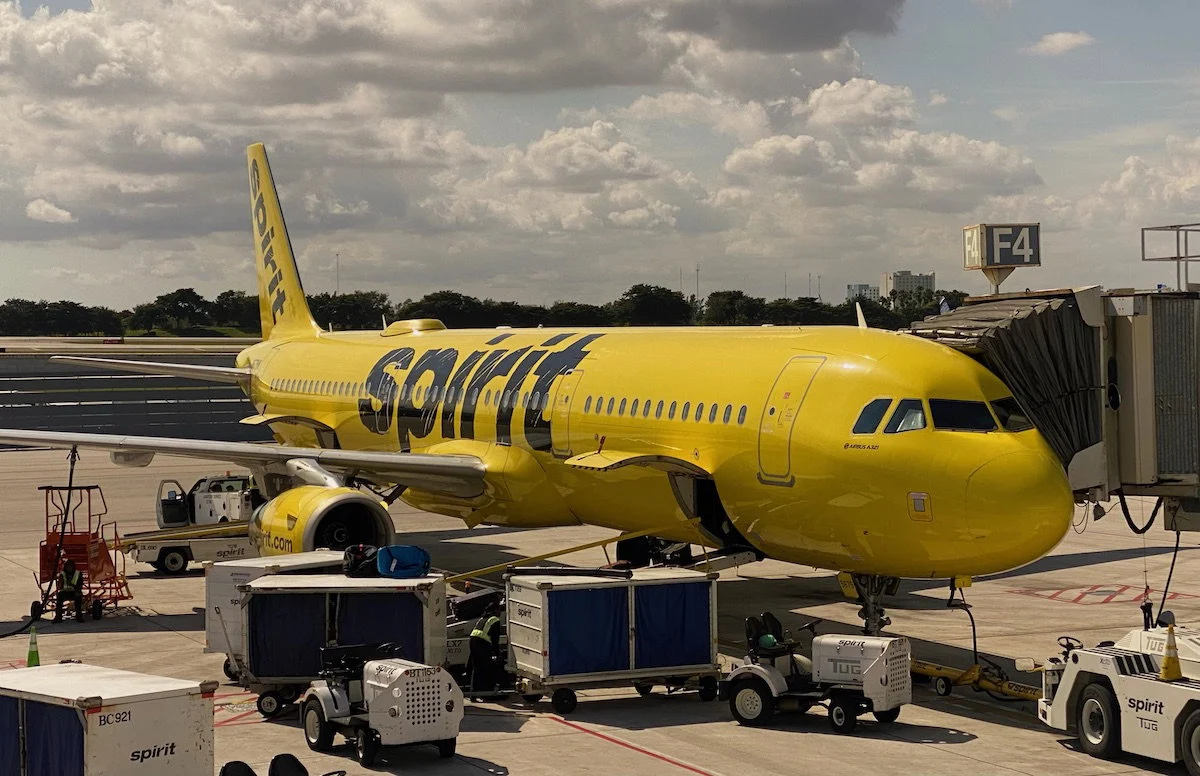
The future of Spirit Airlines, once the pioneer of ultra-low-cost travel in the United States, appears to have reached a critical and potentially terminal juncture. Reports emerged on April 15, 2026, suggesting that the Florida-based carrier could be forced into a total liquidation of its assets as early as this week. According to sources familiar with the matter who spoke to Bloomberg on the condition of anonymity, the airline’s ongoing struggle to navigate Chapter 11 bankruptcy has been exacerbated by a sudden and dramatic spike in global fuel prices, coupled with a restructuring plan that has failed to gain the necessary traction with creditors and the market at large.
The prospect of liquidation marks a stark departure from the narrative provided by Spirit’s management as recently as mid-March 2026. At that time, the company maintained that it was on a clear trajectory to emerge from Chapter 11 bankruptcy by the early summer of 2026. However, the convergence of geopolitical instability, specifically the escalating "Iran situation" which has sent crude oil prices to multi-year highs, and the airline’s inherent structural weaknesses have seemingly rendered its turnaround plan untenable. If the liquidation proceeds, it would signal the end of an era for the American aviation industry, potentially removing the nation’s largest discount carrier from the skies.
The Path to Insolvency: A Chronology of Decline
The current crisis is the culmination of several years of financial instability and strategic setbacks for Spirit Airlines. To understand the gravity of the potential liquidation, one must examine the timeline of events that led the carrier to its second bankruptcy filing in a two-year period.
The airline’s troubles began in earnest during the post-pandemic recovery. While legacy carriers like Delta, United, and American Airlines benefited from a surge in premium travel and international demand, Spirit’s business model—focused on domestic, budget-conscious leisure travelers—struggled with rising operational costs and a saturated market. In early 2022, Spirit became the subject of a high-profile bidding war between Frontier Airlines and JetBlue Airways. Ultimately, JetBlue emerged victorious with a $3.8 billion acquisition offer.
However, the merger faced immediate and intense scrutiny from the Department of Justice (DOJ). In early 2024, a federal judge blocked the merger on antitrust grounds, arguing that the elimination of Spirit would lead to higher fares for price-sensitive consumers. The collapse of the JetBlue deal was a catastrophic blow for Spirit, which had essentially tethered its survival to the merger. Following the court’s decision, Spirit’s stock price plummeted, and its debt obligations became increasingly difficult to manage.
By late 2024, Spirit entered its first round of Chapter 11 bankruptcy. While it managed to reach a temporary agreement with bondholders to restructure its debt, the relief was short-lived. A second filing followed in late 2025 as the airline continued to post massive quarterly losses. The "shrink to profitability" strategy, which involved cutting routes and reducing fleet size, failed to improve margins, as the airline’s unit costs rose faster than its revenues.
The Impact of Global Geopolitics and Fuel Volatility
The immediate catalyst for the current liquidation threat is the volatility of the global energy market. Aviation fuel typically accounts for 25% to 35% of an airline’s operating expenses. For ultra-low-cost carriers (ULCCs) like Spirit, which operate on razor-thin margins, even a marginal increase in fuel prices can negate any operational profits.

In the spring of 2026, geopolitical tensions involving Iran triggered a sharp increase in Brent Crude prices. For Spirit, which lacks the sophisticated fuel-hedging strategies or the cash reserves of its larger competitors, this spike proved devastating. Industry analysts note that Spirit’s restructuring plan, which was already described as "marginal at best" by market observers, did not account for oil prices exceeding $100 per barrel.
The airline’s fleet composition further complicated the situation. Spirit has been grappling with the grounding of dozens of its Airbus A320neo aircraft due to ongoing issues with Pratt & Whitney Geared Turbofan (GTF) engines. These groundings not only reduced the airline’s capacity during peak travel seasons but also forced it to lease older, less fuel-efficient aircraft to maintain its schedule, further inflating its fuel bill at the worst possible moment.
Financial Data and Market Realities
Spirit’s financial health has been in a state of precipitous decline for several years. Since the start of the decade, the carrier has lost billions of dollars in cumulative net income. Unlike the legacy "Big Three" airlines, Spirit does not possess a highly profitable loyalty program or a robust cargo division to offset losses in passenger service.
Data from the final quarter of 2025 showed that Spirit’s Cost per Available Seat Mile (CASM), excluding fuel, had risen significantly as the airline attempted to implement new labor contracts and deal with maintenance backlogs. Meanwhile, Revenue per Available Seat Mile (RASM) remained stagnant as competitors like United and Delta introduced "Basic Economy" fares, directly challenging Spirit’s core value proposition without the associated service limitations of a ULCC.
Furthermore, Spirit’s debt load remains a formidable barrier. The airline has hundreds of millions of dollars in loyalty-program-backed bonds and convertible notes maturing in the near term. With credit markets tightening and the airline’s business model under fire, the path to refinancing these obligations has essentially closed.
Reactions from Industry Stakeholders and Competitors
While Spirit Airlines has not yet issued a formal statement regarding the Bloomberg report of imminent liquidation, the industry reaction has been swift. Analysts at major financial institutions have begun downgrading the aviation sector’s outlook, citing the potential for a "domino effect" among other struggling low-cost carriers.
JetBlue Airways, which was once Spirit’s prospective parent company, stands to be one of the primary beneficiaries of a Spirit liquidation. A shutdown would remove a significant competitor from JetBlue’s primary hubs in Fort Lauderdale and Orlando, likely allowing for higher yields on those routes. Similarly, Frontier Airlines, which operates a nearly identical business model to Spirit, may see an influx of demand, though it too faces the same macroeconomic headwinds regarding fuel costs and engine maintenance.
Consumer advocacy groups have expressed concern over the potential loss of Spirit. The "Spirit Effect"—a term coined by the Department of Transportation to describe how Spirit’s entry into a market forces legacy carriers to lower their prices—has been a cornerstone of domestic airfare competition for two decades. If Spirit ceases operations, travelers in key markets like Florida, Las Vegas, and the Northeast could see a significant increase in ticket prices.
The Failure of the "Shrink to Profitability" Model
One of the most criticized aspects of Spirit’s recent strategy was its attempt to "shrink into profitability." In aviation, growth is often the primary driver of lower unit costs. By spreading fixed costs—such as corporate overhead, aircraft leases, and airport gate fees—across a larger number of flights, airlines can maintain low fares.
By cutting its capacity and exiting markets where it faced stiff competition, Spirit inadvertently drove its unit costs higher. This made it impossible to compete with the scale of Southwest or the network reach of the legacy carriers. The strategy was seen by many as a desperate measure to preserve cash rather than a viable long-term business plan. The current threat of liquidation suggests that creditors have finally lost patience with this approach, concluding that the airline is worth more in pieces than as a going concern.
Broader Implications for the U.S. Airline Industry
The potential liquidation of Spirit Airlines would represent the largest failure in the U.S. airline industry since the consolidation era of the early 2010s. It raises fundamental questions about the viability of the ultra-low-cost carrier model in an era of high labor costs, volatile energy prices, and shifting consumer preferences.
In recent years, there has been a notable shift toward "premiumization" in the travel industry. Travelers have shown a greater willingness to pay for bundled services, extra legroom, and reliable schedules—areas where Spirit has traditionally struggled. The failure of Spirit may suggest that the "bare bones" flying experience is no longer sustainable in a market where legacy carriers have successfully integrated low-fare options into their more robust service offerings.
Furthermore, the liquidation would result in the loss of thousands of jobs, including pilots, flight attendants, mechanics, and ground crew. While the current pilot shortage in the U.S. may allow many flight deck crews to find employment elsewhere, the sudden influx of thousands of workers into the labor market could create short-term disruptions.
Conclusion: An Imminent Turning Point
As the industry awaits an official announcement, the signs point toward a definitive conclusion for Spirit Airlines. The transition from a Chapter 11 reorganization to a Chapter 7 liquidation is a somber milestone, marking the end of a carrier that fundamentally changed how millions of Americans traveled.
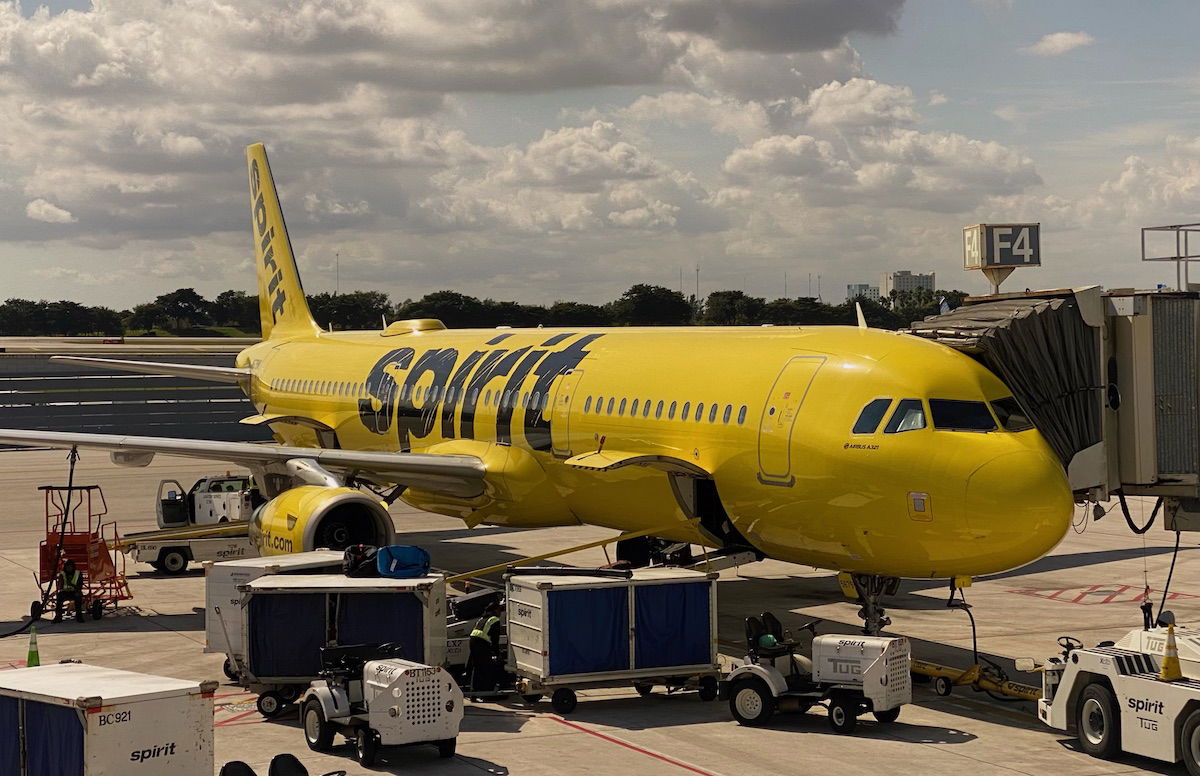
If Spirit liquidates in the coming days, the focus will shift to the redistribution of its assets, including its valuable takeoff and landing slots at constrained airports like New York-LaGuardia and Newark Liberty International. For now, the aviation world remains on high alert, watching as one of its most disruptive players faces the reality of a market that has become too expensive and too competitive for its survival. The "Yellow Plane" era, defined by its bright livery and controversial "unbundled" pricing, appears to be reaching its final descent.









Leave a Reply