
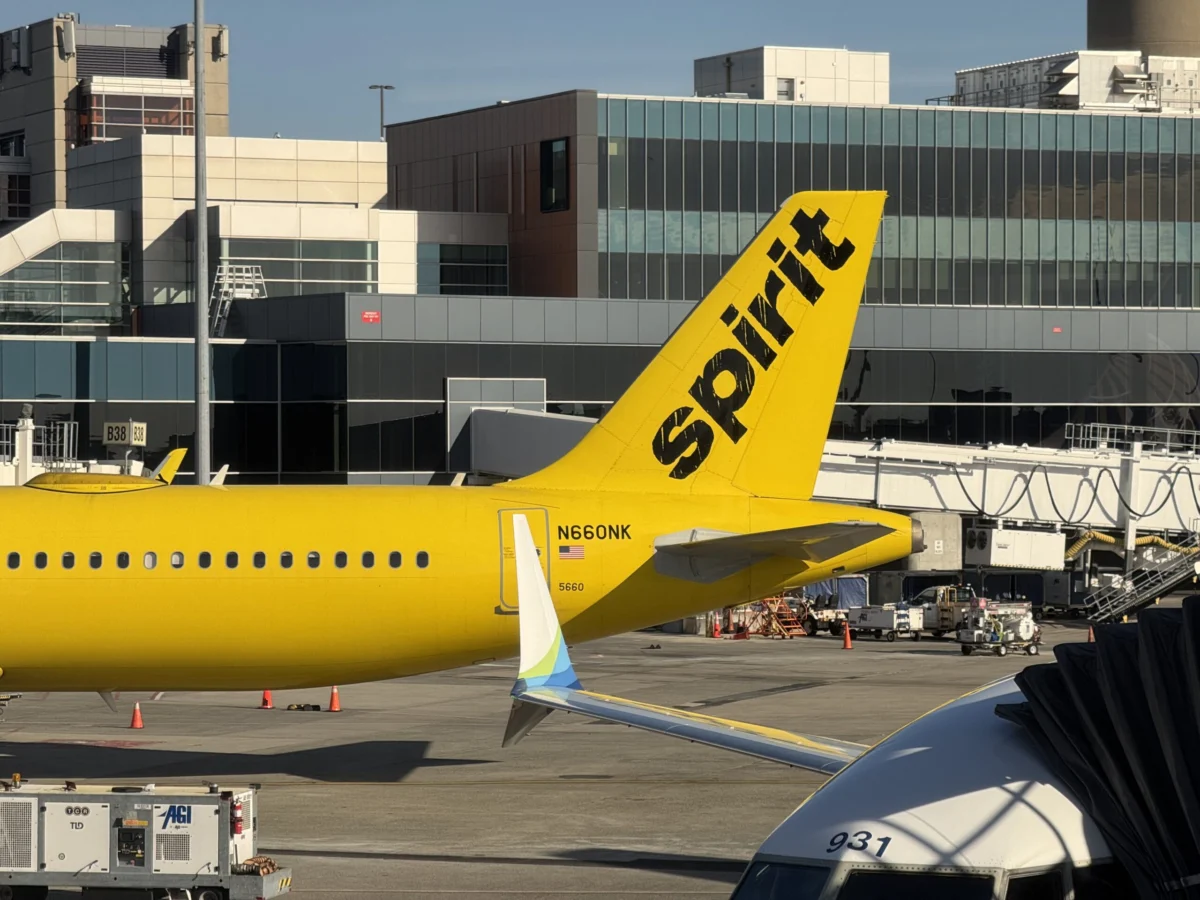
Spirit Airlines, the pioneer of the ultra-low-cost carrier model in the United States, is reportedly facing an existential crisis that could result in the total liquidation of its assets as early as this week. According to sources familiar with the matter, the Florida-based airline is struggling to navigate a perfect storm of soaring operational costs, geopolitical volatility in the Middle East, and a failed strategic pivot that has left its balance sheet in a state of terminal decline. While the carrier had previously signaled a path toward emerging from Chapter 11 bankruptcy protection by the summer of 2026, the rapid deterioration of the global economic environment has forced creditors and leadership to reconsider whether a viable path forward exists.
The threat of liquidation marks a dramatic escalation in the airline’s financial woes. Just months ago, Spirit had reached a tentative agreement on the core terms of a restructuring support agreement with its existing Debtor-in-Possession (DIP) lenders and secured noteholders. That plan was intended to provide a bridge toward a leaner, more competitive version of the airline, focused on reducing its massive $5 billion debt load. However, the volatility of the energy market and the increasing cost of capital appear to have eroded the confidence of these financial stakeholders, pushing the carrier toward a potential sell-off of its fleet, slots, and brand assets.
The Convergence of External Pressures: Fuel and Geopolitics
The primary catalyst for this immediate liquidity crisis is the sharp rise in jet fuel prices, which has been exacerbated by escalating tensions in the Middle East. For an airline already operating on razor-thin margins, fuel represent the second-largest operational expense after labor. Unlike legacy carriers such as Delta Air Lines or United Airlines, which have more robust hedging programs and diversified revenue streams from international and premium travel, Spirit’s business model is highly sensitive to fluctuations in the spot price of kerosene.
The broader aviation industry has felt the sting of these rising costs. In March, the "Big Three"—American, Delta, and United—reported a collective increase of approximately $1.2 billion in unanticipated fuel expenses. While these larger entities possess the cash reserves and credit facilities to absorb such shocks, Spirit lacks the financial cushion necessary to withstand prolonged price volatility. The crack spread—the difference between the price of crude oil and the refined products produced from it—has remained stubbornly high, placing an unsustainable burden on carriers that rely on high-volume, low-margin domestic operations.
Furthermore, the geopolitical instability in the Middle East has created a "risk premium" in global energy markets. As fears of regional escalation persist, oil futures have remained elevated, directly impacting the cost of operations for every flight Spirit operates. For a carrier in Chapter 11, every dollar spent on fuel is a dollar that cannot be used to satisfy creditors or fund the operational changes required to exit bankruptcy.
A Failed Strategy of Transformation
Spirit’s current predicament is not merely a result of external market forces; it is also the product of a business model that has struggled to adapt to changing consumer preferences. In February, the airline’s management team unveiled an ambitious strategy designed to move the company away from its "no-frills" roots. This plan included expanding premium seating options, improving the passenger experience to combat its historically poor brand reputation, and focusing on high-demand routes where it could command better pricing power.
The goal was to shave approximately $5 billion in debt and reposition Spirit as a "high-value" carrier rather than just a low-cost one. However, the execution of this pivot has been hampered by Spirit’s limited ability to capture consumer loyalty. For decades, the airline built its brand on being the cheapest option available, often at the expense of customer service and reliability. Attempting to move upmarket required a level of capital investment and brand rehabilitation that the airline simply could not afford while under the supervision of a bankruptcy court.
Market analysts note that the "premium" segment of the domestic market is already fiercely contested. Legacy carriers have successfully introduced "Basic Economy" tiers to compete with Spirit on price, while simultaneously offering superior loyalty programs and a more extensive network of lounges and amenities for high-paying travelers. Spirit’s attempt to enter this space was seen by many as too little, too late, especially as its core demographic—price-sensitive leisure travelers—began to feel the squeeze of broader inflation and reduced discretionary spending.
The Shadow of the Blocked JetBlue Merger
To understand Spirit’s current fragility, one must look back at the failed $3.8 billion acquisition attempt by JetBlue Airways. The merger, which Spirit’s leadership viewed as a necessary lifeline, was blocked by a federal judge in January 2024 following an antitrust lawsuit filed by the Biden administration’s Department of Justice. The court ruled that the merger would stifle competition and lead to higher fares for budget-conscious travelers by removing the nation’s largest ultra-low-cost carrier from the market.
While the ruling was hailed as a victory for consumer protection by the government, it left Spirit in a precarious "no-man’s land." The airline had already begun aligning its long-term planning with the expectation of a JetBlue integration. When the deal collapsed, Spirit was left with an aging fleet, a massive debt maturity wall, and no clear partner to provide the necessary capital infusion.
The aftermath of the blocked merger has seen a renewed interest in industry consolidation, albeit under different political and economic calculations. Recent reports suggest that JetBlue itself is exploring options to sell to a competitor to stabilize its own balance sheet. More surprisingly, chatter within the industry has pointed toward high-level discussions between United Airlines CEO Scott Kirby and political figures, including former President Donald Trump, regarding the potential for massive legacy-on-legacy mergers, such as a tie-up between United and American Airlines. While such rumors remain speculative, they underscore a growing sentiment that the current domestic aviation landscape is unsustainable in its current form.
Operational Hurdles and the Pratt & Whitney Engine Crisis
Beyond the financial and strategic failures, Spirit has been plagued by significant operational setbacks that have drained its cash reserves. One of the most critical issues involves the Pratt & Whitney Geared Turbofan (GTF) engines that power much of Spirit’s Airbus A320neo fleet. Due to manufacturing defects involving contaminated powdered metal, Spirit was forced to ground dozens of aircraft for intensive inspections and repairs.
At its peak, the engine issues resulted in nearly 20% of Spirit’s fleet being out of service. While Pratt & Whitney provided some financial compensation to the airline, it was not enough to offset the lost revenue from canceled flights and the increased cost of leasing older, less fuel-efficient aircraft to maintain its schedule. The grounding of these planes coincided exactly with the period when Spirit needed to maximize its capacity to take advantage of the post-pandemic travel surge.
The Path to Liquidation: What Happens Next?
If Spirit Airlines moves forward with liquidation, the process would likely involve a Chapter 7 filing or a "liquidating Chapter 11" plan. Unlike a standard restructuring, where the goal is to keep the company operating, a liquidation focuses on selling off assets to pay back creditors in a specific order of priority.
- The Fleet: Spirit’s most valuable assets are its Airbus aircraft. In a liquidation, these planes would likely be sold to other carriers or aircraft leasing companies. Given the current global shortage of narrow-body aircraft, there would likely be high demand for these assets.
- Airport Slots and Gates: Spirit holds valuable takeoff and landing slots at constrained airports like Newark Liberty, LaGuardia, and Orlando International. These would be auctioned off, potentially allowing larger carriers to expand their footprint in key markets.
- The Workforce: Spirit employs thousands of pilots, flight attendants, and ground crew. A liquidation would result in mass layoffs, although many of these professionals would likely be absorbed by other airlines currently facing labor shortages.
- The Brand and Intellectual Property: While the Spirit brand has faced challenges, its digital infrastructure and customer data could still hold value for a startup or a regional carrier looking to expand.
In response to the reports of imminent liquidation, Spirit Airlines has maintained a standard corporate stance, stating, “We don’t comment on market rumors and speculation.” However, the silence from the airline’s board regarding a specific counter-plan has only fueled concerns among investors and employees.
Broader Implications for the U.S. Aviation Market
The potential disappearance of Spirit Airlines would have profound implications for the U.S. travel market. As the primary "price floor" in many markets, Spirit’s presence forced larger carriers to keep their own fares competitive. If Spirit exits the market, industry analysts predict a noticeable increase in ticket prices on domestic routes, particularly those serving leisure destinations in Florida, the Caribbean, and Nevada.
The liquidation would also signal the end of an era for the ultra-low-cost model in the United States. While Frontier Airlines remains a major player in this space, the struggles of Spirit suggest that the model may need to evolve significantly to survive an era of high fuel costs and rising labor demands.
As the week progresses, the aviation industry will be watching closely for an official filing. Whether Spirit finds a last-minute savior or becomes a cautionary tale of over-leverage and strategic misalignment, its fate will define the next chapter of American commercial aviation. For now, the "Yellow Bird" of the skies faces its most turbulent flight to date, with the very real possibility that it may never take off again.









Leave a Reply