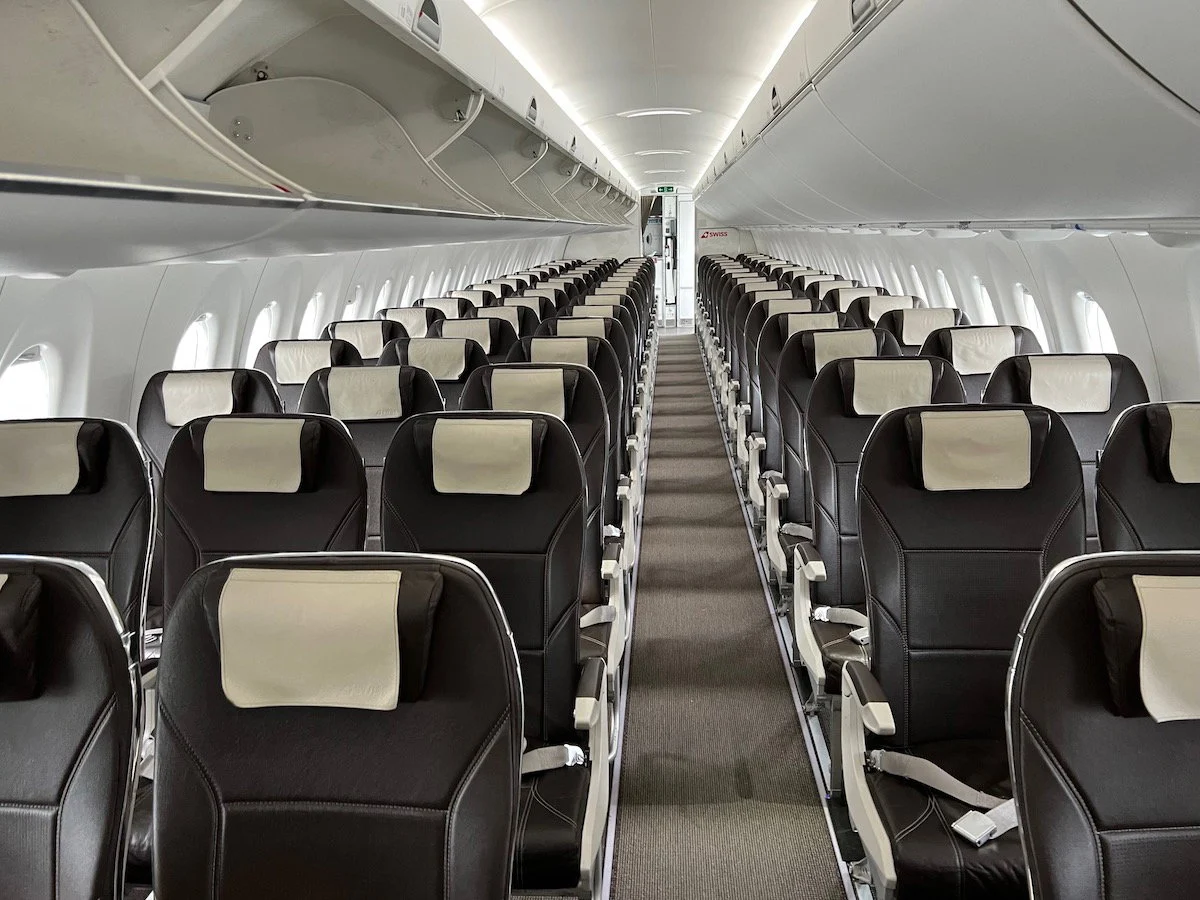
In an industry where safety protocols and crew cohesion are paramount, a recent breach of conduct by flight deck personnel at Swiss International Air Lines (SWISS) has highlighted the critical role of cabin crew in maintaining operational integrity. During a scheduled layover in Geneva, two pilots assigned to an Airbus A220 flight were reported by their own cabin crew for violating strict alcohol consumption regulations. The incident, which occurred in May, resulted in the immediate removal of the pilots from duty and has sparked an internal investigation into the breach of safety culture. While the violation itself is a matter of serious concern for the carrier, the subsequent actions taken by the flight attendants and the airline’s management have been cited as a successful application of modern aviation safety mechanisms.
Detailed Chronology of the Geneva Incident
The incident began during a standard layover for a SWISS crew operating out of Geneva. According to reports first surfaced by aeroTELEGRAPH and subsequently confirmed by the airline, the two pilots—a captain and a first officer—were observed consuming alcohol at their crew hotel. The observations made by the cabin crew indicated that the volume of alcohol consumed and the timing of the consumption were in direct violation of both international aviation laws and the airline’s internal "dry" periods.
Under standard operating procedures, pilots are required to adhere to a "bottle to throttle" rule, which dictates a minimum period of abstinence before reporting for duty. In this instance, the flight attendants noted that the pilots appeared "clearly intoxicated" during the evening. Despite their condition, both pilots attempted to report for their scheduled flight the following morning, failing to utilize the self-reporting mechanisms that allow crew members to declare themselves unfit for duty without immediate punitive prejudice.
Recognizing the potential risk to the flight, the passengers, and the aircraft, the flight attendants bypassed the traditional cockpit-cabin hierarchy to report their observations to a supervisor. SWISS management acted swiftly upon receiving the report. A spokesperson for the airline confirmed that the indications provided by the cabin crew were "so specific" that the fitness for duty of the flight deck crew had to be formally questioned. Before the pilots could board the aircraft or begin their pre-flight checks at the airport, they were intercepted at the crew hotel and replaced by standby personnel.
Regulatory Framework and Alcohol Standards in Aviation
The actions of the two SWISS pilots stand in stark contrast to the stringent regulations established by the European Union Aviation Safety Agency (EASA) and the Swiss Federal Office of Civil Aviation (FOCA). Alcohol consumption in commercial aviation is governed by two primary metrics: the blood alcohol concentration (BAC) at the time of duty and the mandatory abstinence period prior to flight operations.
EASA regulations generally stipulate a blood alcohol limit of 0.2 grams per liter (0.02%), which is significantly lower than the legal driving limit in most European countries. This "near-zero" tolerance policy accounts for the physiological effects of flight, such as hypoxia and cabin pressure changes, which can exacerbate the impairment caused by even small amounts of alcohol. Furthermore, most airlines, including SWISS, enforce a strict abstinence period—often 10 to 12 hours—during which no alcohol may be consumed prior to the commencement of a duty period.
The failure of the pilots to self-regulate is viewed as a systemic risk. Aviation safety relies heavily on the "fit to fly" declaration. When a pilot realizes they have inadvertently or intentionally crossed a regulatory line, they are expected to "call in sick" or declare themselves fatigued or unfit. By attempting to report for duty while intoxicated, the pilots not only violated alcohol policies but also breached the fundamental ethical requirement of the profession: the duty of care toward passengers and crew.
The Significance of the "Just Culture" and Reporting Mechanisms
The Geneva incident serves as a prominent case study in the efficacy of "Just Culture" within an airline. Historically, the aviation industry was characterized by a rigid hierarchy where the captain’s authority was rarely questioned by subordinates or cabin crew. This dynamic often led to "crew-caused" accidents where junior members were too intimidated to speak up about errors or misconduct.
In recent decades, the industry has shifted toward Crew Resource Management (CRM), which encourages all team members to voice safety concerns regardless of their rank. SWISS management has emphasized that the reporting of the pilots by the flight attendants is a testament to the health of their safety culture. A spokesperson stated that the incident demonstrates that employees take personal responsibility for safety and feel empowered to report observations that could compromise flight operations.
By reporting their colleagues, the flight attendants navigated a difficult social and professional landscape. In many corporate environments, there is a perceived stigma against reporting peers, often dismissed as "whistleblowing" or "snitching." However, in aviation, this reporting is categorized as a vital safety intervention. The fact that the flight attendants acted collectively to prevent an impaired crew from reaching the cockpit suggests that the airline’s training regarding safety priorities has been effectively internalized by its staff.
Comparative Analysis of Pilot Intoxication Incidents
While incidents of pilot intoxication are statistically rare given the hundreds of thousands of flights operated globally each month, they remain a high-priority concern for regulators. The SWISS incident follows a series of high-profile cases that have led to increased scrutiny and the implementation of random alcohol testing across Europe.
- Japan Airlines (2018): A co-pilot was arrested at London Heathrow after a bus driver noticed the smell of alcohol on his breath. He was found to be almost ten times over the legal limit. This led to a massive overhaul of alcohol testing protocols in Japan.
- United Airlines (2019): Two pilots were arrested at Glasgow Airport before a flight to Newark after failing a breathalyzer test. This incident prompted United to increase its "bottle to throttle" abstinence period from 8 hours to 12 hours.
- Delta Air Lines (2019): A pilot was removed from a cockpit in Minneapolis just before departure after being found with an open container of alcohol and smelling of liquor.
In most of these historical cases, the reporting came from external sources—airport security, bus drivers, or ground staff. The SWISS case is notable because the intervention happened internally, within the crew unit, before the pilots even reached the airport environment. This internal catch is considered the "gold standard" of safety management systems, as it prevents the risk from ever entering the operational sphere.
Operational Impact and the Airbus A220 Fleet
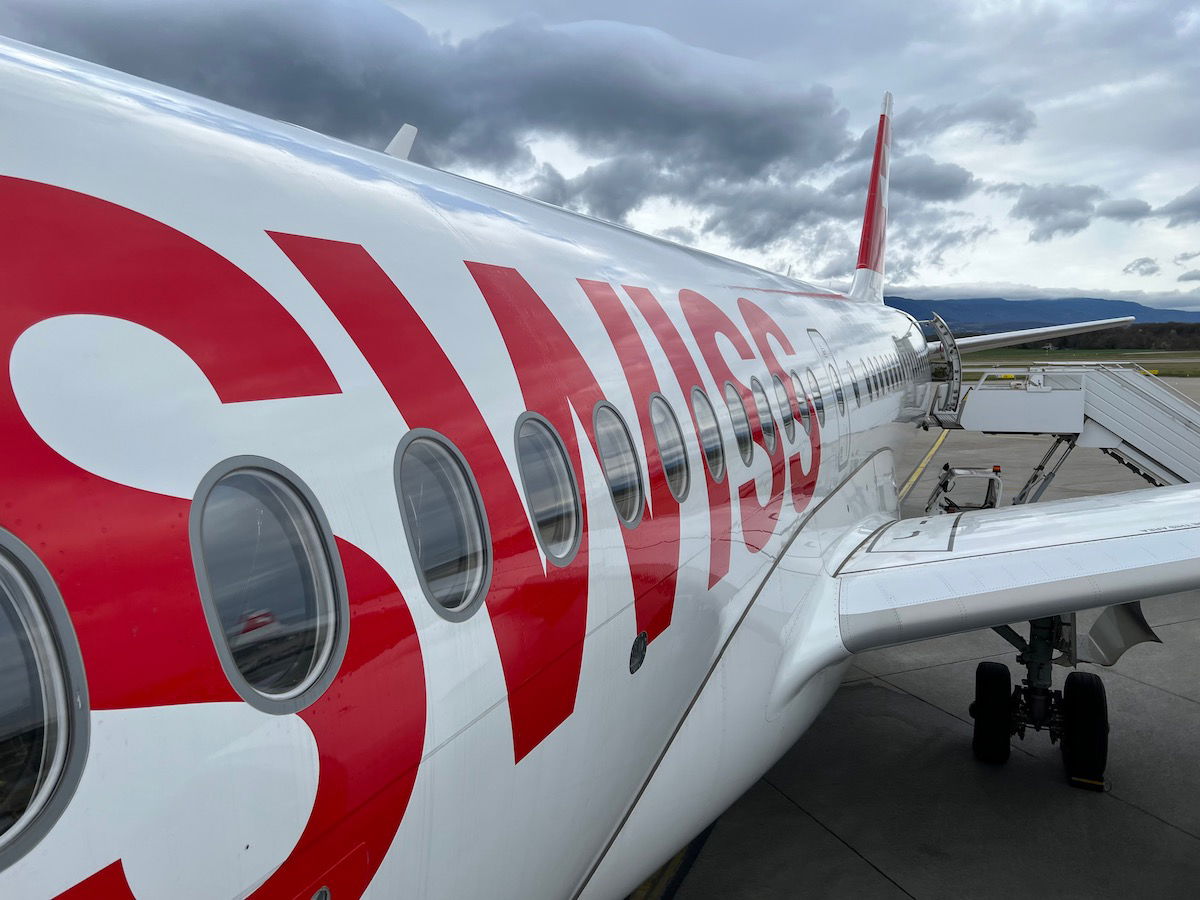
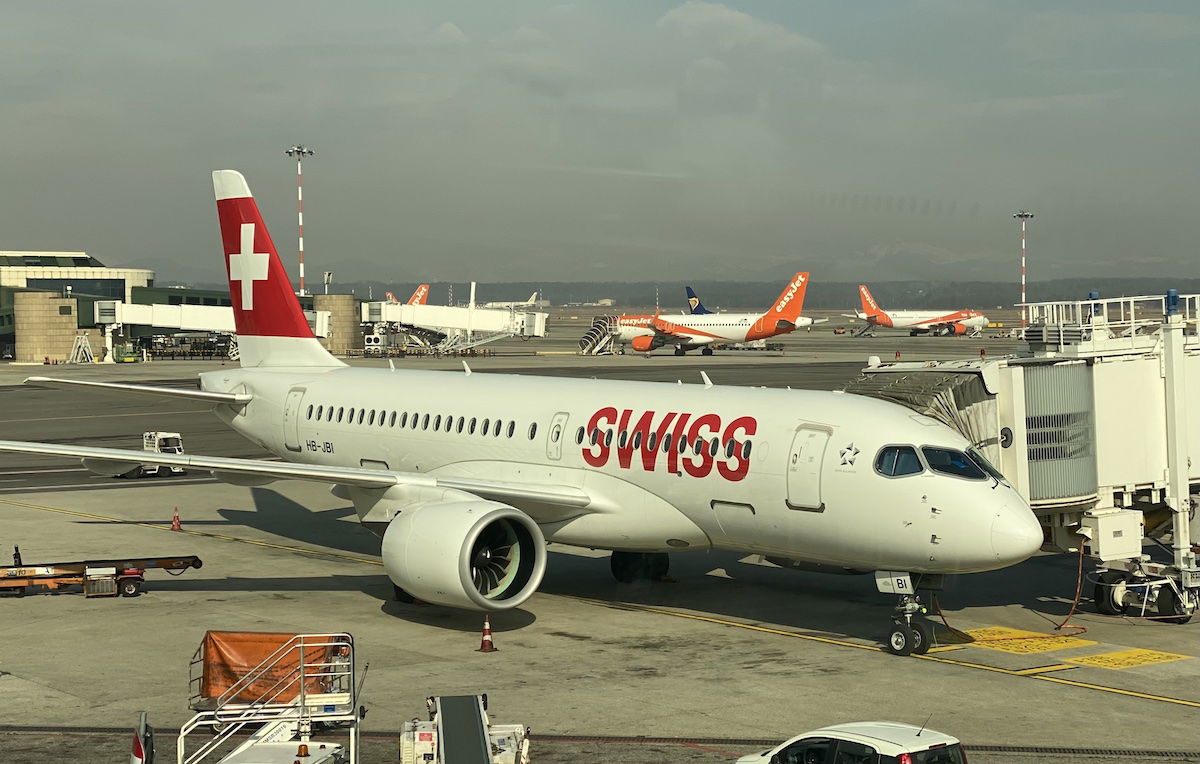
The disruption caused by the removal of the pilots had immediate logistical implications for SWISS’s Geneva operations. The Airbus A220, formerly known as the Bombardier CSeries, is the backbone of SWISS’s short-haul fleet in Geneva. The aircraft is known for its efficiency and advanced technology, but like any commercial jet, its safe operation is entirely dependent on the cognitive performance of the flight crew.
When a crew is taken off duty unexpectedly, the airline must source "Hot Standby" or "Reserve" pilots. In a hub like Zurich, this is relatively simple. In a secondary base like Geneva, it can lead to significant flight delays or cancellations if replacement crews are not immediately available. SWISS reported that they were able to replace the pilots at the crew hotel, suggesting that the intervention occurred early enough to minimize the impact on the morning’s flight schedule. However, the financial cost of such an incident—including standby crew utilization and the potential for passenger compensation—is substantial.
Official Responses and Investigative Procedures
Following the suspension of the two pilots, SWISS confirmed that its relevant departments, including Human Resources and Flight Operations Safety, are conducting a comprehensive investigation. The pilots remain grounded and will not be permitted to fly until the investigation is concluded.
"The indications were so specific that we had to question the pilots’ fitness for duty," the airline stated. "The two pilots were taken off duty and replaced at the crew hotel before their shift began."
The investigation will likely focus on several factors:
- The exact blood alcohol levels of the pilots at the time they were confronted.
- Whether this was an isolated incident or part of a recurring pattern of behavior.
- The psychological state of the crew members, including potential issues of stress or burnout.
- The adherence to the layover rest requirements.
Under Swiss law and airline policy, the pilots face severe disciplinary action, which almost certainly includes the termination of their employment and the potential revocation of their pilot licenses by FOCA. In Switzerland, operating or attempting to operate a public transport vehicle while intoxicated can also carry criminal penalties.
Broader Implications for the Aviation Industry
The SWISS incident reinforces the necessity of the EASA 2021 mandate, which requires airlines to perform random alcohol testing of flight and cabin crew and to provide support programs for crew members struggling with substance abuse. The "Peer Support" model is now a requirement for European carriers, aiming to provide a path for pilots to seek help before a violation occurs.
However, when a violation does occur and is caught by colleagues, it validates the industry’s move toward a more transparent, less hierarchical safety model. For SWISS, while the headlines regarding "drunk pilots" are damaging in the short term, the long-term narrative is one of a robust safety culture. The airline’s willingness to publicly acknowledge the incident and credit the flight attendants for their vigilance serves as a deterrent to other employees and a reassurance to the traveling public.
As the investigation continues, the aviation community will look to SWISS for a final report on how two pilots simultaneously decided to breach such a fundamental safety rule. For now, the takeaway remains clear: the final line of defense in aviation is often not a piece of technology or a regulatory document, but the willingness of a fellow crew member to speak up when something is not right. The flight attendants in Geneva have set a high bar for professional integrity, ensuring that safety remained the absolute priority over social or professional convenience.