The landscape of American higher education is undergoing a seismic shift as colleges and universities move away from the traditional, gatekeeping model of admissions to a more aggressive, service-oriented recruitment strategy. For families like the Zarets, who have been navigating the daunting terrain of campus tours and financial aid forms, the experience is no longer about begging for a seat at the table. Instead, it has become a competitive courtship, with institutions vying for the attention of a shrinking pool of high school graduates. As Skidmore College and other institutions nationwide adapt to this new reality, the once-impenetrable "ivory tower" is increasingly opening its gates, inviting faculty and staff to play a direct role in persuading prospective students to enroll.
The Demographic Cliff and the Shift in Admissions Strategy
The catalyst for this transformation is a looming demographic reality known as the "enrollment cliff." According to projections from the Western Interstate Commission for Higher Education, the number of high school graduates nationwide is expected to decline by 13 percent between 2024 and 2041. This contraction is further compounded by a decline in college-going rates; the Bureau of Labor Statistics notes that the percentage of high school graduates enrolling in college immediately after graduation has dropped from 70 percent in 2016 to 63 percent in 2024.
For many institutions, these figures represent an existential threat. When an enrollment target is missed, the financial repercussions are immediate, affecting everything from departmental budgets to faculty salaries. In a recent survey by the higher education ratings platform Niche, two-thirds of admissions leaders reported struggling to meet their enrollment goals over the past two years, with 97 percent anticipating that competition will only continue to intensify.
In response, the traditional admissions office—often characterized as an "office of rejection"—is being rebranded as an "office of engagement." This strategy includes waiving application fees, streamlining the Common App process, and, in some states, implementing direct admissions programs where high schoolers are admitted to public universities based on their academic records without having to submit a formal application.
The Human Element: Faculty Involvement as a Differentiator
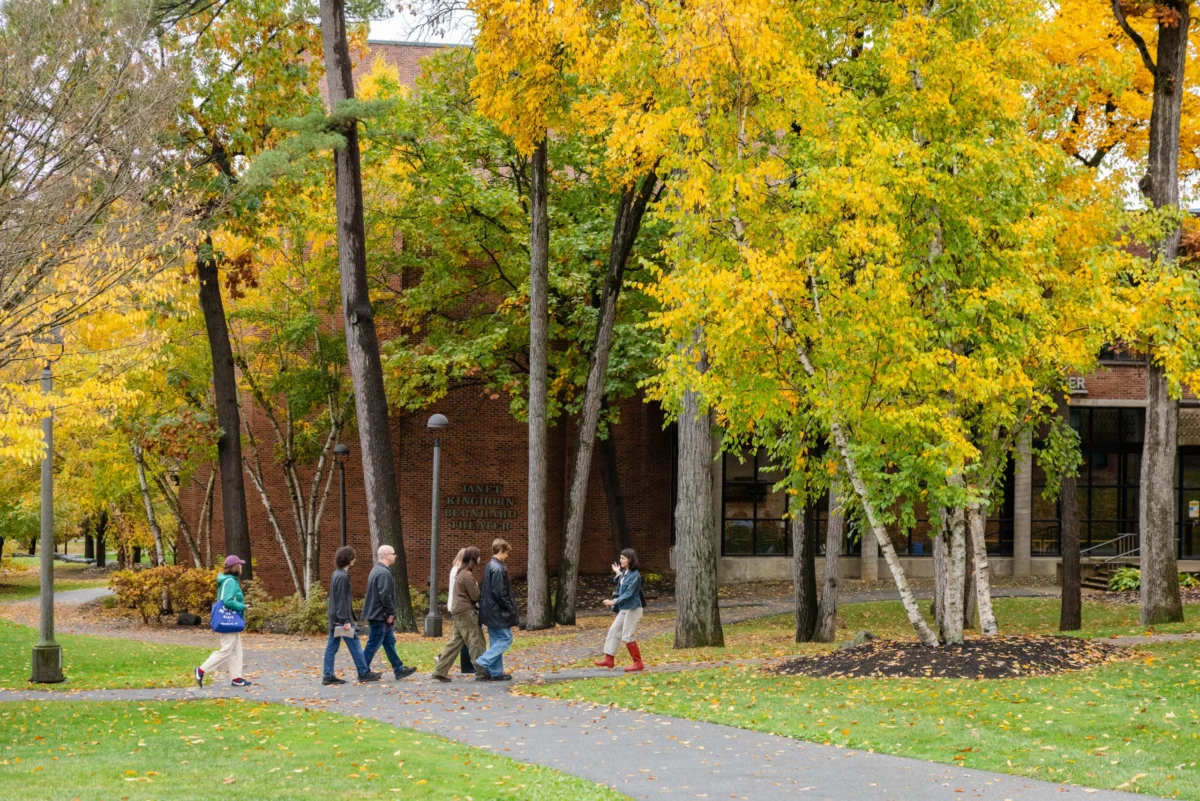
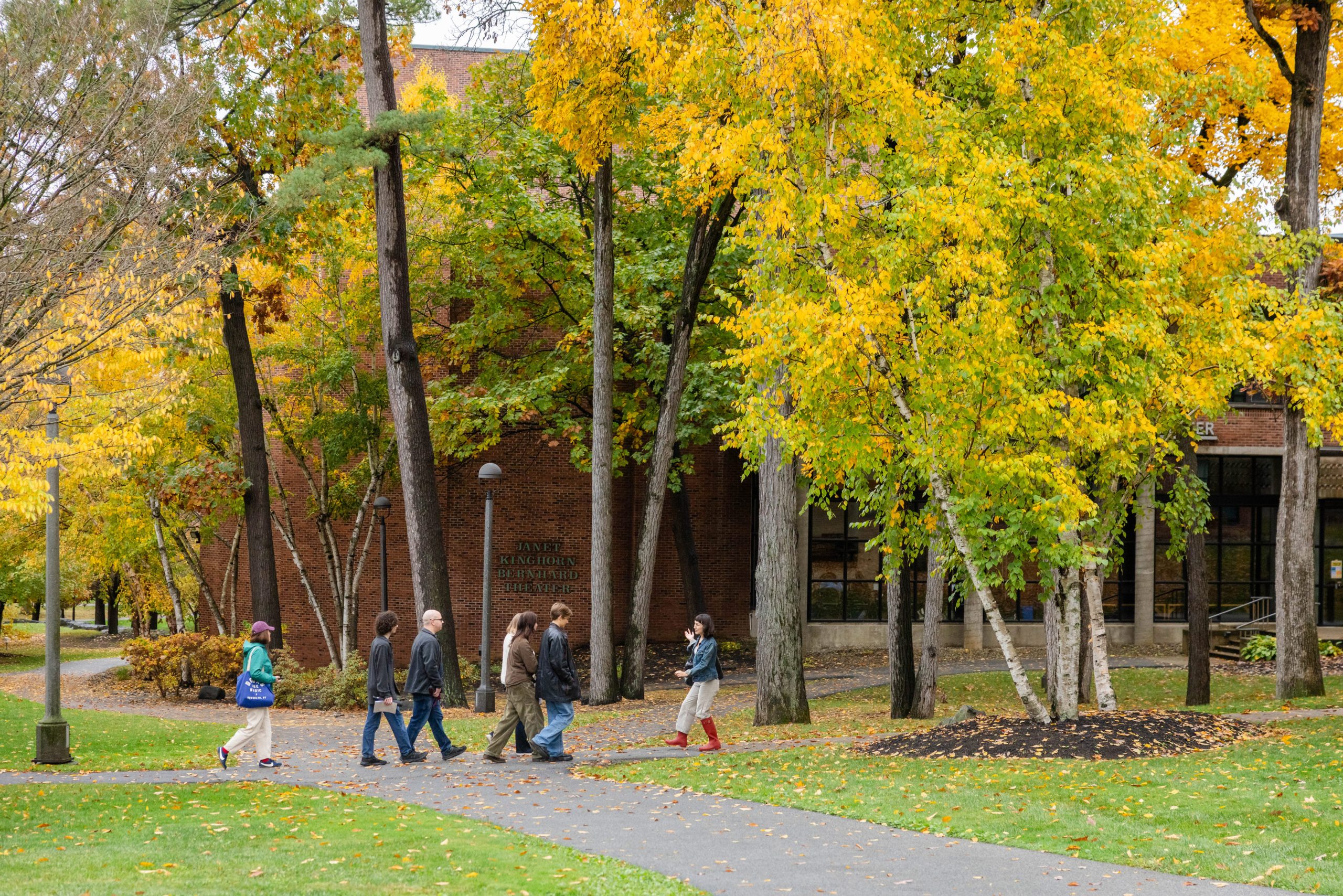
Perhaps the most significant change is the pivot toward personal, faculty-led engagement. At institutions like Skidmore College in Saratoga Springs, New York, the recruitment process now extends well beyond the admissions office. Faculty members are increasingly opening their classrooms and labs to prospective students, providing a tangible preview of the academic experience.

Jess Ricker, vice president for enrollment at Skidmore, describes this as a move toward fostering a sense of belonging long before a student decides to commit. By involving professors in the recruitment process, colleges can signal to prospective students that they are "seen and valued." This approach is catching on at institutions like Ohio Northern University, where faculty members meet with virtually every visiting applicant, and Washington College, where professors host regular, designated meetings for prospective students during the academic year.
This shift has not been without resistance. Initially, many faculty members were wary of taking on responsibilities that they felt fell outside their pedagogical scope. "Some faculty didn’t want to be part of it," noted Johnnie Johnson, vice president for enrollment management at Washington College. "They’d say, ‘You go recruit and I’ll teach.’" However, as colleges have faced the harsh reality of potential program closures and funding cuts, the narrative has changed. Faculty are now increasingly aware that their job security is tethered to the health of the institution’s enrollment numbers.
Debunking the Myth of Elite Scarcity
Despite the aggressive efforts by colleges to recruit, a major disconnect persists between the reality of the admissions market and public perception. A Pew Research Center survey found that over 40 percent of young adults believe it is harder to get into college today than it was for their parents, a sentiment largely driven by media coverage of elite institutions.

In reality, the college admissions market is far more accessible than the public realizes. Data from the National Association for College Admission Counseling (NACAC) shows that the average acceptance rate at public universities is nearly 80 percent, while private, nonprofit institutions hover around 70 percent. Only a tiny fraction of American colleges—roughly 33 institutions—admit 10 percent or fewer of their applicants.
Angel Pérez, CEO of NACAC, argues that the obsession with the "impossible" acceptance rates of schools like Harvard, Stanford, and Caltech has created a toxic culture of anxiety. "If you looked at mainstream media stories, you would automatically assume… ‘It’s so hard to get into college,’ or, ‘I’m never going to get in,’" Pérez stated. This misconception often prevents students from applying to a wider range of schools, inadvertently limiting their own options.
The Challenge of Yield and Strategic Enrollment
Even with broader access, the challenge for colleges has shifted from merely accepting students to ensuring they actually attend. This metric, known as "yield," has become increasingly difficult to predict. As students apply to more colleges—with the average Common App user now applying to more than seven schools—the unpredictability of student choice has spiked.

Federal data reveals a steady decline in yield rates over the last decade, falling from 32 percent to 22 percent at public institutions and from 24 percent to 18 percent at private nonprofits between 2014 and 2024. Consequently, colleges must now admit significantly more students than they have space for to ensure they hit their enrollment targets. This necessitates a "full-force" recruitment effort that continues well past the initial application deadline, requiring the entire campus community to act as ambassadors.
Implications for the Future of Higher Education
The long-term implications of this shift are profound. As colleges move toward a more "consumer-centric" model, the power dynamic between the institution and the applicant has inverted. Students, increasingly viewed as "savvy shoppers," are now empowered to demand more transparency and personal interaction from the schools they consider.
For institutions like Skidmore, which has seen its application numbers rise even as it tightens its acceptance rate (from 37 percent a decade ago to 24 percent today), the strategy is not just about survival, but about maintaining quality. "The challenges are real," said Skidmore President Marc Conner. "Even if the school is doing all right during these times, we’re still facing the same headwinds as everybody else. So you’d better pay attention to it, or you’re going to be in trouble pretty soon."

The success of these initiatives remains to be seen in long-term data, but the anecdotal evidence is compelling. Prospective students are responding positively to direct engagement, often noting that it is the first time an institution has treated them as an individual rather than a statistic. Dr. Becca Johnson, chair of psychology at Skidmore, frequently encounters families who are struck by the accessibility of the faculty. "You’re the first person from outside of an admissions office to contact us," one mother told her. That level of personal connection, she believes, is the new standard for effective recruitment.
As the higher education sector continues to navigate this era of demographic decline, the institutions that survive will likely be those that successfully bridge the gap between their historical identity as centers of academic rigor and their modern necessity as welcoming, community-oriented institutions. The days of the distant, inaccessible ivory tower are effectively over; in their place, a more open and competitive marketplace is emerging, one that ultimately rewards those who can best demonstrate the value of the student experience.