Jamila Chambers, executive director of the Hameetman Career Center at Occidental College, remembers a time when the path from graduation to the boardroom was clearly paved for students from underrepresented backgrounds. For years, recruiters from major finance and tech firms frequented the Los Angeles campus, explicitly seeking out Black, Latino, first-generation, and LGBTQIA+ students. These recruiters operated on the premise that a diverse workforce was a competitive advantage, and they utilized affinity information sessions and specialized internship programs to bridge the gap between academia and professional life. Today, those well-traveled pipelines have largely dried up.
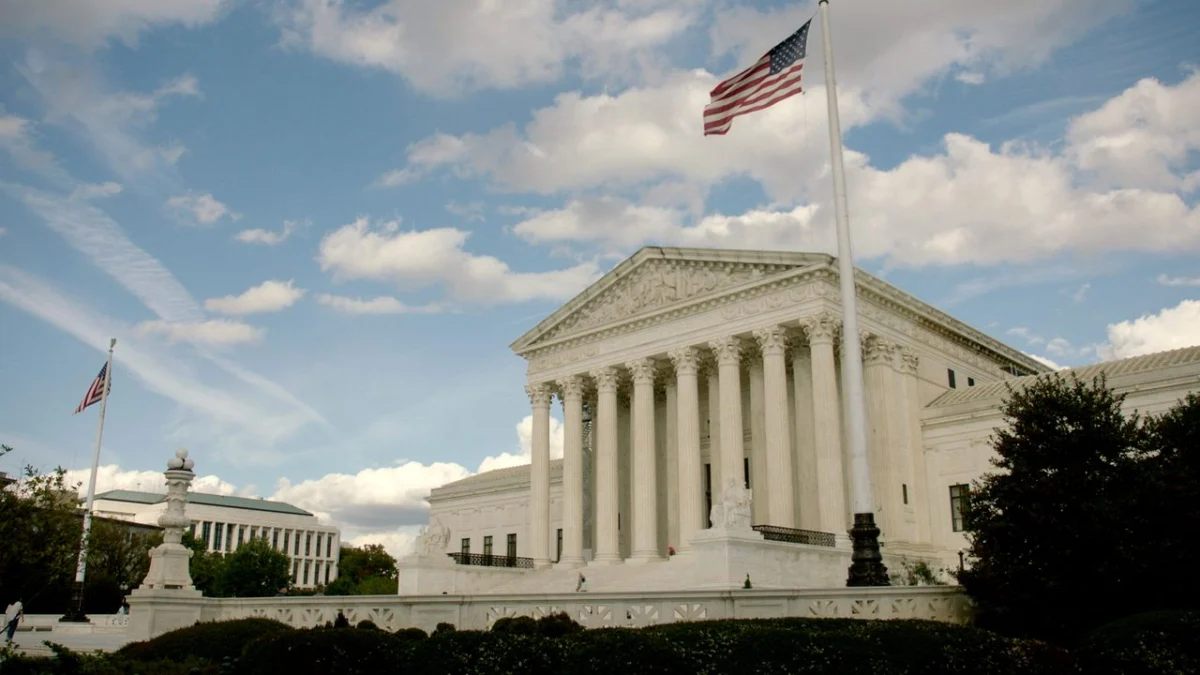
This shift is not the result of a single law, but rather the cumulative effect of a landmark Supreme Court ruling, a volatile political climate, and a pervasive, defensive posture adopted by corporate human resources departments. Following the Supreme Court’s 2023 decision to gut race-conscious admissions in higher education, a wave of caution has washed over corporate America, leading many firms to dismantle the very recruitment strategies that once fueled diversity initiatives.
A Chronology of Retrenchment
The erosion of these pipelines can be traced back to the summer of 2023. When the Supreme Court ruled in Students for Fair Admissions v. Harvard that race-conscious college admissions were unconstitutional, the decision strictly applied to higher education. However, the legal and psychological impact rippled immediately into the private sector.
By early 2025, the landscape shifted further. In one of the first acts of his second term, President Donald Trump issued an executive order targeting diversity, equity, and inclusion (DEI) programs within federal agencies and among federal contractors. The order characterized such programs as "discriminatory and illegal," effectively setting a federal tone that pressured private corporations to abandon race-conscious hiring goals.
This environment has been further shaped by activist litigation. Conservative legal groups, utilizing the Supreme Court’s college admissions ruling as a legal roadmap, began targeting corporate DEI initiatives. Influential think tanks like The Heritage Foundation have actively lobbied for the dissolution of corporate DEI departments, advising state and federal entities to boycott firms that maintain race-conscious hiring statements.
Data and Trends in Professional Recruiting
The impact of this shift is measurable. According to research from the Burning Glass Institute, which analyzed the career trajectories of 300,000 graduates between 2023 and 2025, the reliance on elite, less diverse universities for entry-level hiring has surged. The share of hires coming from the most prestigious colleges increased by nearly a third over that two-year period.

Recruitment patterns have mirrored this concentration. A survey by Veris Insights revealed that in 2022, nearly 60 percent of major employers identified diversity as a key factor in determining where to send campus recruiters. By 2025, that figure plummeted to 31 percent. Concurrently, the percentage of companies recruiting exclusively from a narrow "short list" of elite institutions rose from 17 percent to 26 percent.
The National Association of Colleges and Employers (NACE) has noted a similar trend in internship programs, which serve as the primary gateway to full-time employment. From 2021 to 2024, white students consistently occupied between 50 and 53 percent of corporate internship positions. In the 2024-2025 cohort, that share climbed to 59 percent. While industry experts acknowledge that inflation and the rise of artificial intelligence have complicated the job market, the correlation between the political backlash against DEI and the decline in minority representation in these pipelines remains statistically significant.
The Corporate Retreat and Legal Anxiety
The reaction from the private sector has been characterized by a profound, defensive silence. When contacted for comment regarding their current recruitment practices, major corporations including Meta, Google, Walmart, Target, and Goldman Sachs declined to speak on the record. This represents a stark departure from the post-2020 era, when these same companies issued high-profile commitments to racial equity following the murder of George Floyd.
A study by Columbia Business School confirms this widespread trepidation. The research found that half of the human resources professionals surveyed mistakenly believed the Supreme Court’s college admissions ruling applied directly to workplace hiring. Even among those who understood the legal nuance, the fear of becoming a target for litigation or political vitriol has led to a systematic scrubbing of "diversity" language from job postings and internal policy documents.
On university campuses, the effect is tangible. At San Jose State University, career counselors have been forced to rebrand programs to avoid political scrutiny. A former "diversity job fair" has been renamed "October Fest," a move designed to protect the institution from the fallout of the current administration’s anti-DEI stance. Similarly, at the University of California, Berkeley, and Pomona College, administrators report that federal agencies and private firms have ceased explicit diversity outreach, leaving career centers to scramble for ways to support students without triggering legal or political pushback.
Implications for Social Mobility
Sociologists and labor experts warn that these changes carry long-term consequences for social mobility. Natasha Warikoo, a professor at Tufts University, views the current trend as a backlash against the momentum for racial justice that peaked in 2020. She notes that the perception of diversity as a "moral imperative" has been replaced by a perception of diversity as a legal liability.
Matt Sigelman of the Burning Glass Institute emphasizes that the narrowing of recruitment pools to elite colleges creates a feedback loop that disadvantages first-generation and minority students. "What started as a decision about who gets admitted to college ultimately plays out in who gets a shot at the best employment," Sigelman stated. If employers only recruit from a handful of top-tier schools—which are themselves becoming less diverse due to the end of affirmative action—the potential for professional advancement for non-traditional candidates is severely curtailed.

Counter-Arguments and Diverse Perspectives
Not all observers view the decline of race-conscious hiring as a negative development. Frederick Hess, director of education policy studies at the American Enterprise Institute, argues that the historical focus on racial identity in hiring and admissions often obscured other forms of diversity.
"Businesses can’t pretend that selecting employees based on skin color is a good proxy for all of the rich differences that they say they want to attend to," Hess said. He advocates for a definition of diversity that includes socioeconomic status, geographic background, religious affiliation, and political ideology. From this perspective, the move away from race-conscious programs is an opportunity to focus on a broader, perhaps more meritocratic, definition of "difference."
Future Outlook
The full impact of these policy shifts will likely not be known until 2028, when the first cohort of students admitted to colleges without the benefit of affirmative action enters the labor market. Bryan J. Cook of the Urban Institute suggests that while the current data is concerning, the political landscape remains in flux. With the potential for legislative pushback from Congress regarding the Department of Justice’s investigations into school admissions, the trajectory of these anti-DEI efforts may face further challenges.
For those on the front lines of student career services, the mission has become more difficult. Jamila Chambers, standing in her office at Occidental, remains focused on the students despite the changing legal winds. She keeps a photograph of Ruby Bridges on her wall as a reminder of the historical struggle for access to education and opportunity. For Chambers and her colleagues, the work of ensuring that all students—regardless of background—have access to the professional world continues, even as the tools they once used are systematically dismantled.
As the 2026 academic year progresses, universities and corporations alike are left navigating a landscape where the promise of a diverse, inclusive workforce is clashing with an increasingly restrictive legal and political reality. The result is a generation of students who, despite their academic achievements, find themselves facing an employment market that is becoming less transparent, more selective, and increasingly indifferent to the goals of equity that defined the previous decade.