From roughly the mid-nineteen-fifties through the mid-nineteen-seventies, the rapid expansion of American television broadcasting outpaced the industry’s ability to generate original, high-quality programming. Stations found themselves grappling with vast blocks of empty airtime, particularly during the overnight hours when viewership dwindled to a fraction of daytime and primetime levels. To solve this logistical and financial challenge, network affiliates and independent stations turned to an inexpensive, highly malleable programming staple: the late-night movie show.
These graveyard-shift broadcasts specialized in lesser-known Hollywood productions, B movies, and the orphaned releases of defunct studios. Functioning as eccentric, localized home revival houses, these programs offered viewers an unexpected portal into cinematic history. Because the available inventory of B-movie cinema relied heavily on genre storytelling, horror emerged as the dominant favorite among overnight insomniacs. This genre preference paved the way for iconic, campy, and theatrical horror hosts—figures like Vampira, Ghoulardi, and, much later, Elvira, Mistress of the Dark—who transformed interstitial television segments into cultural phenomena.
While the golden era of the local late-night creature feature has long since faded from standard television grids, contemporary digital archiving has resurrected the format. Curated platforms like YouTube now host extensive historical playlists, such as a collection of approximately 150 vintage horror and suspense films that recreate the idiosyncratic viewing experiences of past generations.
The Genesis of the Late-Night Programming Void
The structural conditions that birthed late-night horror programming were rooted in the post-World War II economic and media landscape. As television sets permeated American households at an unprecedented rate during the 1950s, broadcasters transitioned from limited daily schedules to extended hours of operation. However, the financial models of the era could not sustainably support round-the-clock live variety shows, original dramas, or high-budget productions for overnight audiences.
To fill these dead hours economically, station managers acquired syndication rights to older film libraries, often purchasing massive backlogs of pre-1948 studio pictures from major Hollywood conglomerates for nominal fees. As major studio inventories dwindled, programmers dug deeper into independent productions, low-budget exploitation films, and forgotten international imports.
This operational necessity unintentionally democratized film access. In an era before home video, cable television, or streaming services, the late-night movie slot was the primary mechanism by which ordinary citizens encountered foreign cinema, avant-garde experiments, historical silents, and low-budget genre pictures that never played in mainstream neighborhood theaters.
Chronology and Evolution of Midnight Cinema
The evolution of late-night and horror programming on television followed a distinct trajectory across three decades:
- The Mid-1950s (The Emergence): Following Universal Pictures’ historic package deal of horror films to television in 1957, stations across the United States recognized the high engagement levels of genre programming. The late-night broadcast slot was officially solidified as a haven for thrillers, sci-fi, and monster movies.
- The 1960s (The Host Era): Local stations began introducing live-action hosts to frame the movies. Utilizing gothic aesthetics, dark humor, and horror-themed comedy, presenters like Maila Nurmi (Vampira) in Los Angeles and Ernie Anderson (Ghoulardi) in Cleveland established a blueprint for participatory viewing that bridged the gap between the film and the audience.
- The 1970s (The Independent Boom): Independent television stations proliferated, utilizing syndicated horror blocks to capture younger demographic groups. Shows like Chiller Theatre in New York became cultural touchstones for teenagers and young adults.
- The 1980s and Beyond (The Transition to Cable and Home Video): The rise of 24-hour cable networks and the widespread adoption of the VCR gradually dismantled the need for local station overnight movie blocks, though the format’s aesthetic legacy lived on through personalities like Cassandra Peterson (Elvira) and programs like Up All Night on USA Network.
From Exploitation to Art: The Dual Nature of the Playlist
Modern digital retrospectives of these late-night broadcasts reveal a fascinating dichotomy within the programming schedules of mid-century television. The curated online archives that replicate these eras demonstrate that viewers were subjected to an eclectic mix of raw commercial exploitation and foundational cinematic art.
On one end of the spectrum sat the sensationalized, hook-driven B-movies. Titles such as Revenge of the Zombies, The Monster Maker, Fangs of the Living Dead, The Brain That Wouldn’t Die, and Werewolf in a Girl’s Dormitory relied heavily on provocative naming conventions to retain drowsy viewers. These films, produced on tight schedules and meager budgets, prioritized immediate thrills, atmospheric sleaze, and imaginative creature effects over narrative discipline.
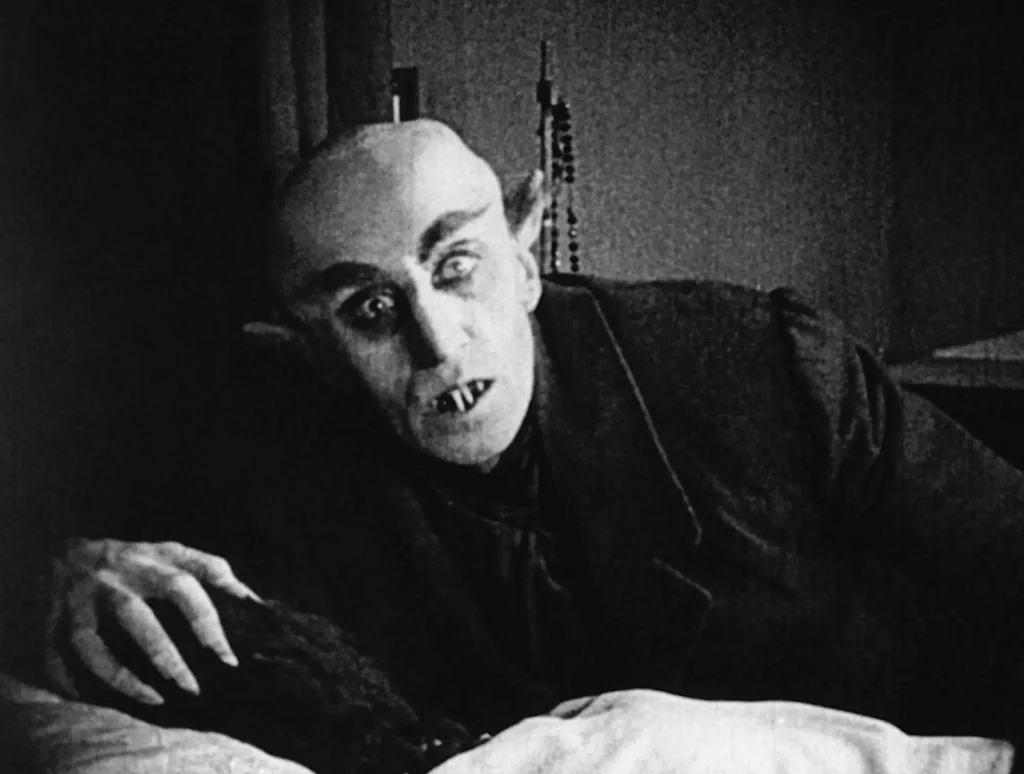
Yet, interspersed among these commercial potboilers were masterworks of international and silent cinema. Archival playlists frequently feature foundational German Expressionist works such as Robert Wiene’s The Cabinet of Dr. Caligari (1920), Paul Wegener’s The Golem (1920), and F.W. Murnau’s Nosferatu (1922), alongside Benjamin Christensen’s ethnographic horror study Häxan (1922). Film historians note that these silent features established the visual vocabulary of shadow, psychology, and dread that subsequent generations of filmmakers would draw upon.
Furthermore, low-budget independent features from the 1960s—such as Herk Harvey’s eerie Carnival of Souls (1962), George A. Romero’s genre-redefining Night of the Living Dead (1968), Jack Clayton’s psychological ghost story The Innocents, and Roger Corman’s Edgar Allan Poe adaptations like The Masque of the Red Death—demonstrated that budgetary constraints could foster intense artistic innovation.
Industry Analysis and Cultural Implications
Media scholars and cultural historians have increasingly reevaluated the impact of mid-century late-night television on modern creative industries. According to retrospective analyses by film institutions, the unrestricted curation of overnight programming served as an informal film school for baby-boomer artists, writers, and directors who grew up watching these broadcasts.
Directors such as Martin Scorsese, John Carpenter, and Joe Dante have frequently cited late-night television as their primary introduction to the mechanics of cinematic suspense, lighting, and genre subversion. The blending of disparate elements—mixing horror with science fiction, mystery, dark comedy, and psychological drama, as seen in films like The Little Shop of Horrors and The Earth Dies Screaming—trained audiences to appreciate hybrid genres long before postmodernism dominated mainstream media.
From an economic perspective, the monetization of aging studio assets through late-night television set a crucial precedent for media syndication. It proved that content with minimal initial market value could find profitable, highly dedicated secondary audiences through decentralized distribution.
Today, while physical broadcast slots have largely been supplanted by algorithmic recommendation queues on streaming platforms, the core ethos of the late-night movie show survives. Digital archives and curated playlists ensure that the unique alchemy of midnight dread, cinematic history, and low-budget ingenuity remains accessible to contemporary audiences seeking alternatives to mainstream entertainment.