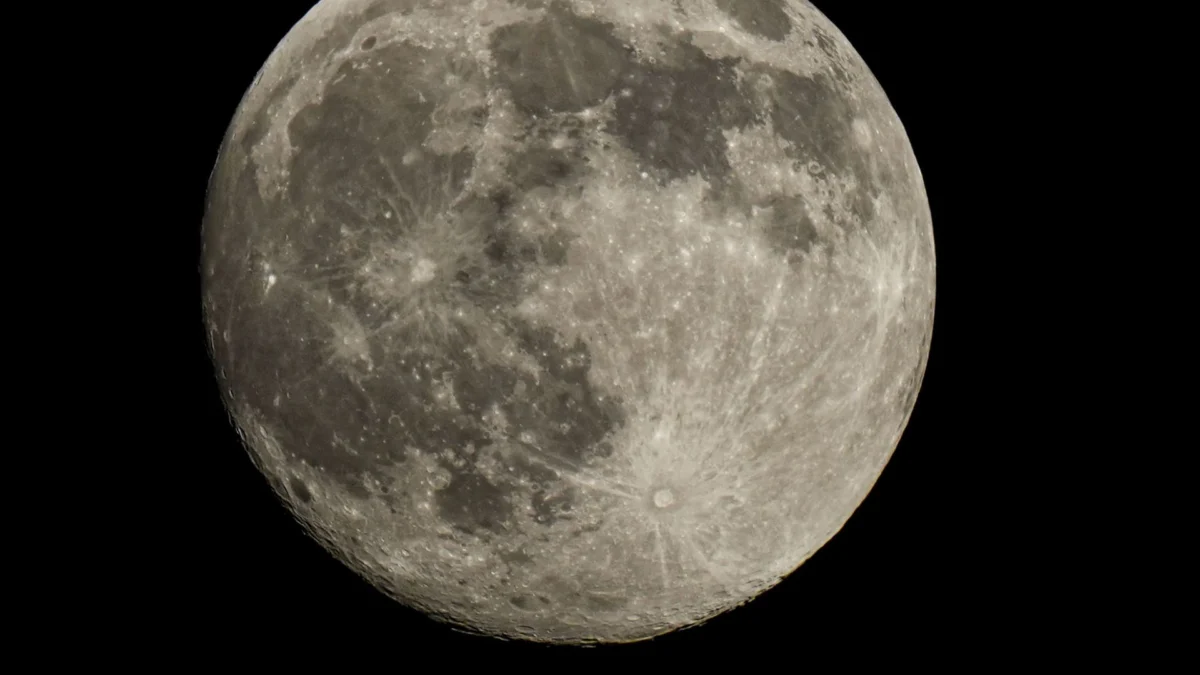
The November full moon, colloquially known as the Beaver Moon, reaches its peak illumination at 9:53 a.m. EST on November 24, 2026. This lunar event is particularly noteworthy as it serves as the first in a sequence of three consecutive supermoons, a celestial phenomenon that captivates amateur astronomers and professional researchers alike. As the lunar disk reaches its point of full illumination while positioned opposite the sun in Earth’s sky, the natural satellite will appear fully lit, offering a prime opportunity for observation across the globe.
Understanding the Supermoon Phenomenon
A supermoon occurs when a full moon coincides with the moon’s perigee—the point in its elliptical orbit when it is closest to Earth. Because the moon’s orbit is not a perfect circle, the distance between the Earth and the moon varies throughout the month. When the moon reaches this proximity, it can appear up to 14% larger and 30% brighter than a full moon occurring at apogee, the point farthest from Earth.
NASA defines the term "supermoon" as a full moon that occurs when the moon is within 90% of its perigee. This specific threshold is not merely a visual treat; it has gravitational implications. While the difference in size may seem subtle to the casual observer, the increased proximity intensifies the moon’s tidal forces on Earth’s oceans. Astronomers note that during a supermoon, high and low tides tend to be more extreme than average, a phenomenon sometimes referred to as "perigean spring tides."
Cultural and Historical Significance of the Beaver Moon
The nomenclature of full moons has deep historical roots, often tied to the seasonal cycles of the Northern Hemisphere. The "Beaver Moon" title is traditionally attributed to the Old Farmer’s Almanac and various Native American traditions. This period of the year—late November—marks the time when beavers actively prepare their lodges for the onset of winter. Having spent the preceding weeks gathering food and reinforcing their dams, these industrious mammals become less active, settling in for the long, cold months ahead.
In addition to its North American roots, the November moon carries diverse titles across different cultures. Among the Cree people, it is known as the "Frost Moon," reflecting the rapid drop in temperatures during the late autumn season. The Tlingit people of the Pacific Northwest refer to it as the "Digging Moon," a descriptive term acknowledging the behavior of animals foraging for fallen nuts and roots in the hardening earth.
The timing of this year’s full moon also aligns with several significant global observances. In the Hindu tradition, the November full moon coincides with the festival of Dev Diwali. This celebration involves the ritual lighting of "diyas" (earthen lamps) to commemorate the victory of Lord Shiva over the demon Tripurasura. Simultaneously, the date holds profound importance for the Sikh community, which celebrates the birth of Guru Nanak, the founder of Sikhism, through the festival of Gurpurab. The convergence of these cultural celebrations with a high-visibility astronomical event underscores the enduring connection between human history and the cycles of the night sky.
Viewing Guidelines and Optimal Observation Times
For observers in the United States, the exact moment of full illumination (9:53 a.m. EST) occurs while the moon is below the horizon. However, this does not diminish the spectacle. Stargazers are advised to look toward the western horizon in the predawn hours of November 23 and November 24 to catch the moon in its most striking state.
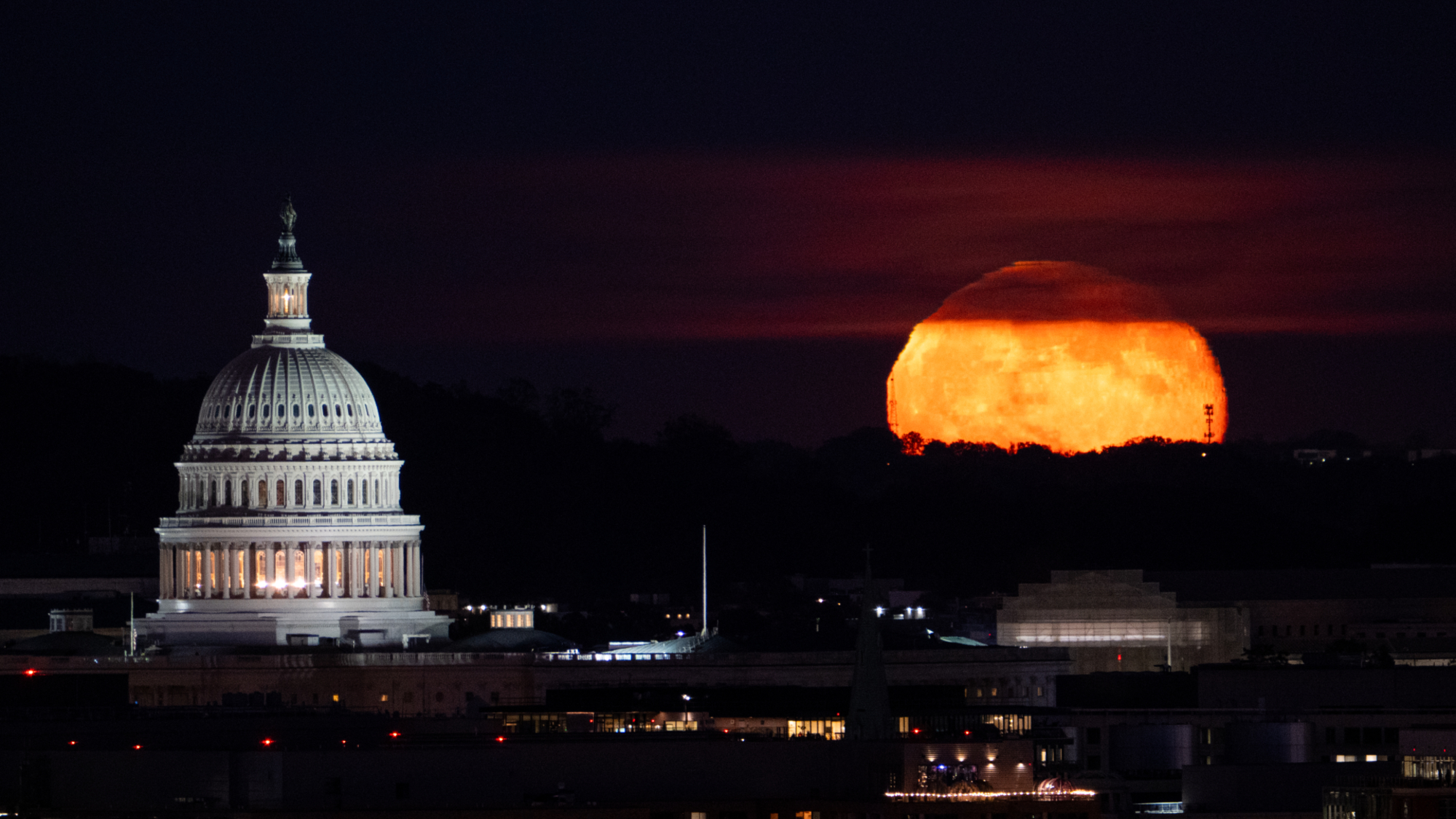
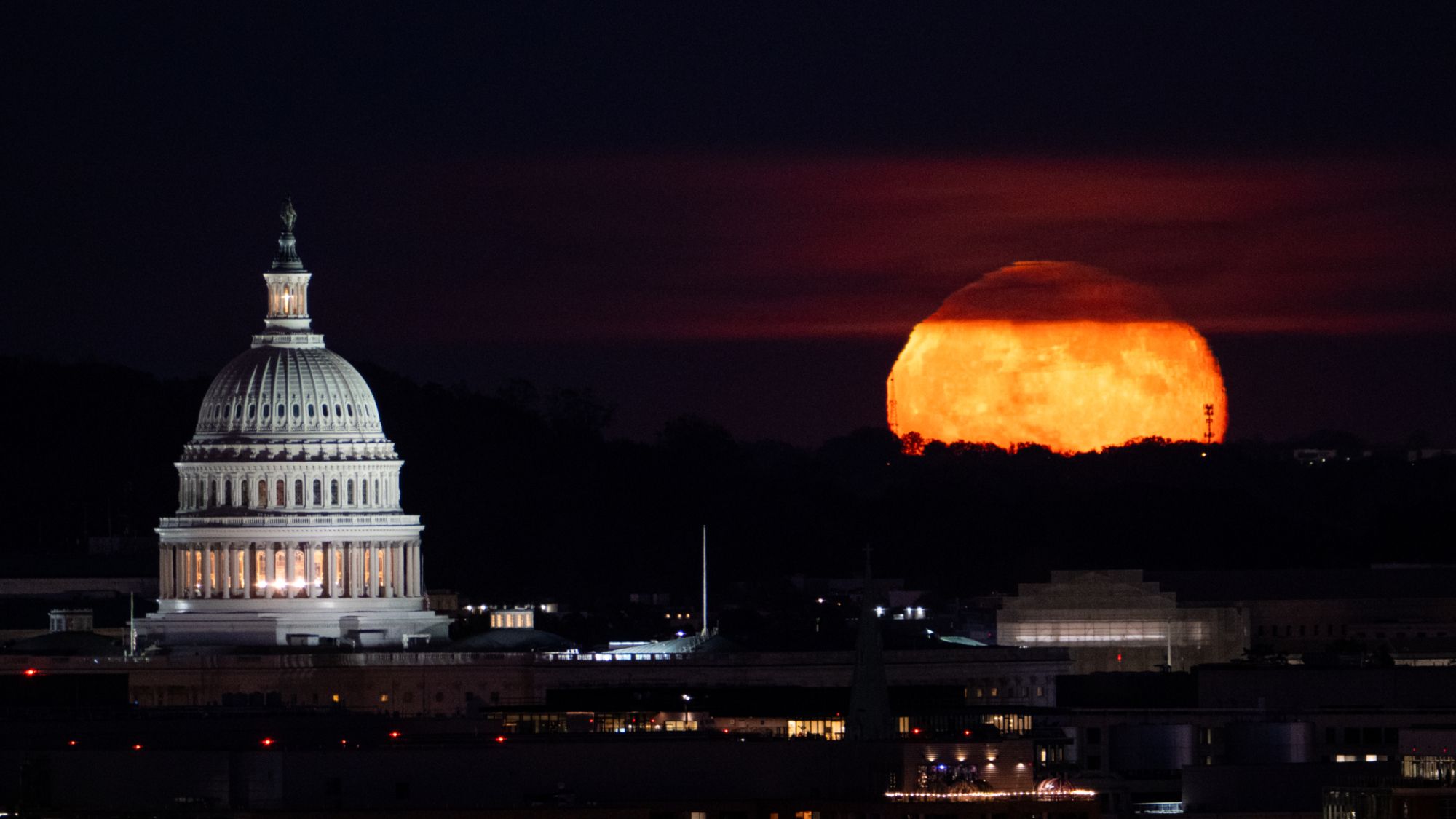
During the hour before moonset, the moon often takes on a warm, golden-orange hue. This is the result of Rayleigh scattering, the same physical process that paints the sky in shades of red and orange during a sunset. As the light from the moon passes through a greater thickness of Earth’s atmosphere, the shorter, bluer wavelengths are scattered away, leaving only the longer, warmer wavelengths to reach the observer’s eye.
Furthermore, observers should be mindful of the "Moon Illusion," a psychological phenomenon where the moon appears significantly larger when positioned near the horizon compared to when it is high overhead. While the moon’s actual angular size remains consistent, the proximity of foreground objects—such as trees, buildings, or mountain ranges—provides a frame of reference that tricks the human brain into perceiving the lunar disk as larger than it is.
Astronomical Context: A Triple Feature
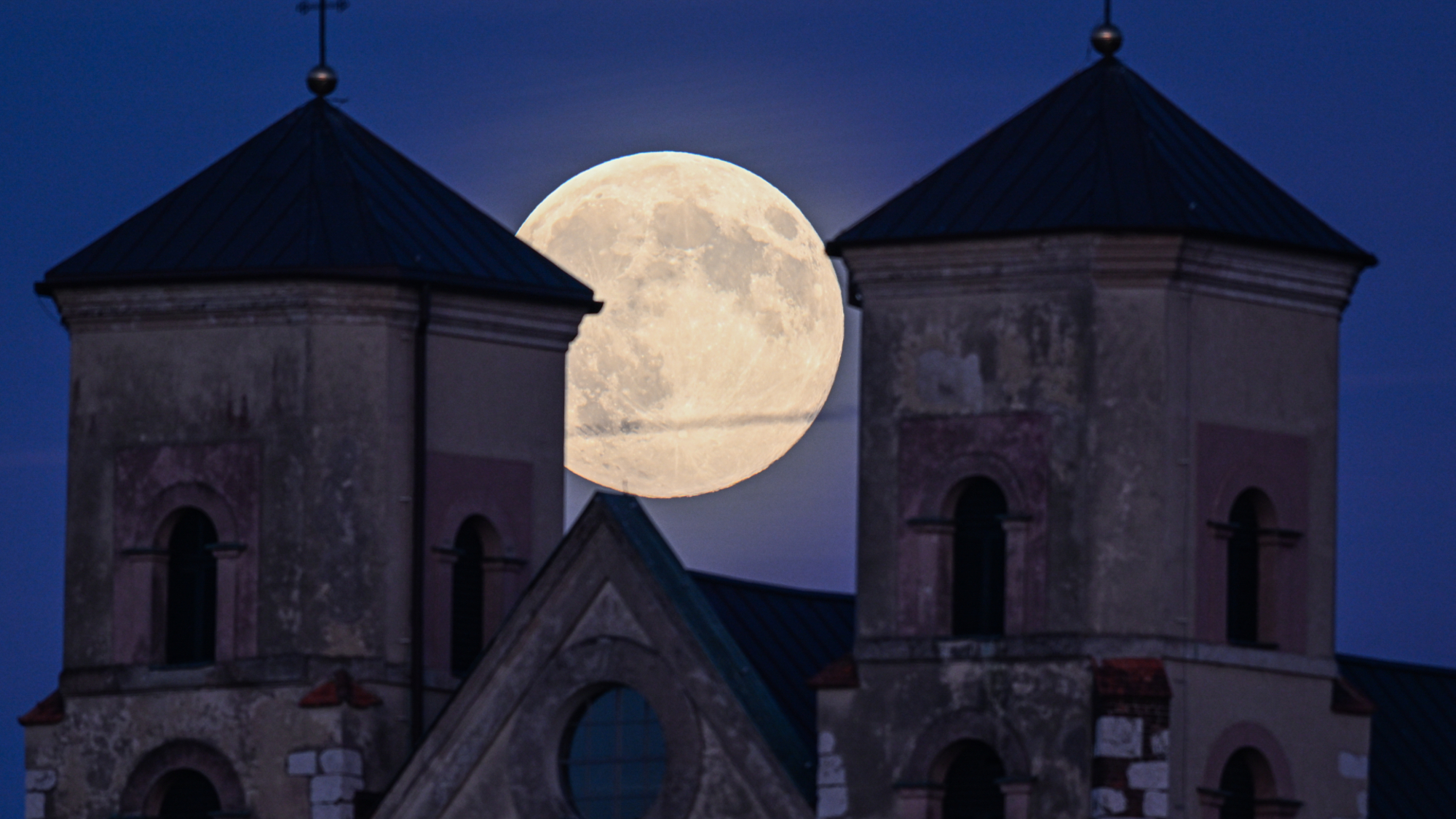
The November 24 event marks the commencement of a rare, three-part supermoon sequence. Following this Beaver Moon, the cycle will continue into December and early 2027, providing a sustained period of enhanced lunar visibility. This sequence is particularly beneficial for astrophotography enthusiasts. The full illumination of the lunar disk provides a unique opportunity to capture surface details, such as the dark lunar maria and bright, prominent craters, without the interference of shadows that typically define the moon’s landscape during its phases.
For those planning to observe the event with equipment, a standard telescope with a 4-inch aperture is often sufficient to resolve significant detail. Utilizing a 9mm or 12mm eyepiece can provide the necessary magnification to inspect the "terminator"—the line dividing the illuminated and shadowed sides of the moon—where the topography is most dramatic.
Accompanying Celestial Events
The predawn sky on November 24 offers more than just the moon. Near the western horizon, the Pleiades open star cluster will appear less than 5 degrees from the moon. Using a pair of 10×50 binoculars, observers can capture both the moon and the "Seven Sisters" in a single field of view, providing a stark contrast between the bright lunar surface and the delicate, blue-white light of the cluster.
Meanwhile, the southern sky will host a rare planetary alignment. A triangle formed by Mars, Regulus, and Jupiter will be visible to the naked eye. Mars, with its distinctive red hue, will shine steadily above Regulus, the heart of the constellation Leo, while the bright, yellow-white light of Jupiter anchors the right side of the formation. Venus, serving as the "Morning Star," will be visible on the eastern horizon, accompanied by Mercury, providing a comprehensive viewing experience for those willing to brave the predawn temperatures.
Impact and Research Implications
While the supermoon is a well-understood orbital coincidence, it remains a vital subject for public engagement in science. Organizations like NASA and various astronomical societies emphasize that events like the November supermoon serve as a gateway for the public to learn about orbital mechanics, light scattering, and the history of lunar observation.
There are no significant negative implications for Earth’s safety during a supermoon, despite common myths regarding natural disasters. Scientific consensus maintains that the tidal effects are well within the normal range of variation, contributing only slightly to the intensity of tides. Instead, the focus remains on the aesthetic and educational value of the event.

For those interested in contributing to the scientific record, amateur photography remains a significant tool. Clear, high-resolution images of the lunar surface help in documenting surface features, and many amateur photographers collaborate with educational institutions to share their findings. As we move into the final months of 2026, the series of supermoons serves as a reminder of the dynamic, ever-changing nature of our solar system.
Summary of Upcoming Full Moons
The celestial calendar for the coming months remains active:
- December 23, 2026: The Cold Moon, peaking at 8:28 p.m. EST.
- January 22, 2027: The Wolf Moon, reaching full illumination at 7:17 a.m. EST.
- February 20, 2027: The Snow Moon, peaking at 5:09 a.m. EST.
Observers are encouraged to utilize mobile applications such as Stellarium or SkySafari 7 Pro to calculate precise moonrise and moonset times for their specific geographic coordinates, as these vary significantly based on longitude and latitude. Whether through the lens of a telescope or simply the naked eye, the November 2026 Beaver Moon represents a spectacular opportunity to engage with the natural world and the rhythmic beauty of our nearest celestial neighbor.