
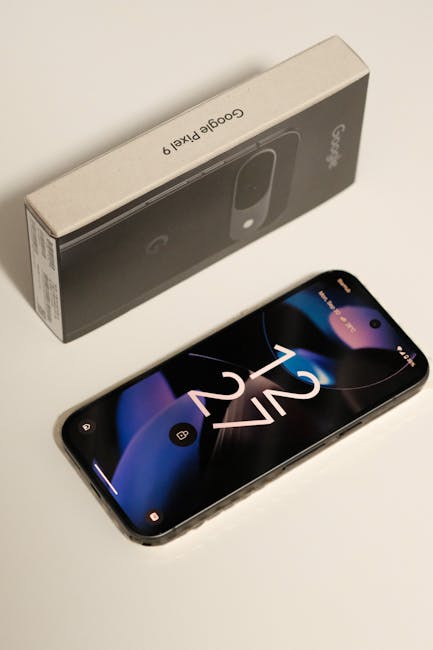
Pixel Fold Android DP2: A Deep Dive into Google’s Foldable Evolution
The Pixel Fold, a device long rumored and finally unveiled, represents Google’s ambitious foray into the foldable smartphone market. While the hardware itself is a significant engineering feat, its true potential is unlocked by the software that powers it. Android DP2, the second Developer Preview of Android 13 (and the version likely running on early Pixel Fold units or representative of its software experience), brings a suite of optimizations and features specifically tailored for the unique form factor of a foldable. This article will delve into the intricacies of Android DP2 on the Pixel Fold, exploring its impact on user experience, app compatibility, multitasking, and the underlying architectural changes that make this foldable experience truly "Pixel."
One of the most immediate and impactful aspects of Android DP2 on a foldable like the Pixel Fold is its refined handling of screen transitions and aspect ratios. Unlike traditional smartphones with a single, static display, the Pixel Fold transitions between a compact outer screen and a expansive inner display. DP2 introduces further enhancements to how apps and the system UI adapt to these changes. This includes more robust support for foldables to report their aspect ratio and screen state to applications, allowing them to dynamically adjust their layouts. This means that when you unfold the device, apps should seamlessly expand, often reconfiguring their UI elements to take advantage of the larger real estate. Conversely, folding the device should prompt apps to condense their interfaces to fit the smaller external display without losing critical functionality. Google has been actively working with developers to ensure their apps leverage these capabilities, and DP2 represents a significant step in solidifying this support within the Android framework. The goal is to eliminate the jarring experience of apps "shrinking" or "resizing" awkwardly, aiming for a fluid and intuitive transition that feels like a natural extension of the user’s interaction.
Multitasking is where foldables truly shine, and Android DP2 on the Pixel Fold aims to elevate this experience to new heights. The larger inner display naturally lends itself to running multiple applications side-by-side, and DP2 refines the tools available for this. Expect to see enhanced split-screen functionality, with improved drag-and-drop capabilities for launching apps into specific partitions of the screen. Furthermore, Google is investing in what they refer to as "task continuation." This means that if you start an activity on one screen (say, drafting an email on the outer display) and then unfold the device, the app should intelligently recognize the change and potentially offer to expand its interface or present more detailed options on the larger inner screen, allowing you to seamlessly pick up where you left off. The "taskbar" or "dock" for quick app switching, a feature that debuted on some foldable devices but has been iterated upon in Android DP2, is crucial here. This persistent element at the bottom of the inner display allows for rapid access to frequently used apps and recent applications, further streamlining the multitasking workflow. The ability to quickly launch into a split-screen configuration, perhaps by dragging an app icon from the taskbar to a desired side of the screen, is a key productivity enhancer that DP2 aims to perfect.
App compatibility remains a critical challenge for any new form factor, and foldables are no exception. While the Android ecosystem is vast, not all apps are built with dynamic screen sizes and aspect ratios in mind. Android DP2, building on previous efforts, provides developers with more comprehensive guidance and tools to optimize their applications for foldables. This includes updated guidelines for responsive UI design, encouraging developers to use constraint-based layouts and flexible components that can adapt to varying screen dimensions. For apps that haven’t been explicitly optimized, Android DP2 also offers fallback mechanisms. This might involve letterboxing or pillarboxing to maintain the app’s intended aspect ratio, or intelligently scaling the application to fit the available screen space. However, the ideal scenario, and what DP2 actively promotes, is for apps to embrace the foldable nature of the device. This means apps that offer a distinct experience on the outer and inner screens, or those that intelligently rearrange content and controls to best suit the current screen size. Expect to see Google progressively highlighting and potentially even prioritizing apps that demonstrate excellent foldable optimization in the Play Store, further incentivizing developers to invest in this area.
Beyond the user-facing features, Android DP2 on the Pixel Fold incorporates several architectural changes that underpin its foldable prowess. The system’s display management system has been further refined to handle the complexities of multiple screens with potentially different resolutions and refresh rates. This includes improved power management strategies to optimize battery life across both the external and internal displays, a significant consideration for foldable devices. Furthermore, DP2 continues to iterate on the Android graphics pipeline to ensure smooth animations and rendering, even when dealing with dynamically changing screen configurations. For developers, this translates to a more stable and predictable platform for building foldable-aware applications. The underlying security model also needs to be robust enough to handle the unique privacy considerations that arise with a device that can transition between different states of accessibility and visibility. While specific details are often technical, these architectural improvements are fundamental to delivering a polished and reliable foldable experience.
The Pixel Fold’s hardware itself, with its specific hinge mechanism and display proportions, will undoubtedly influence the ultimate software implementation. However, Android DP2 provides the foundational software layer that allows Google and third-party developers to harness the potential of this form factor. The emphasis on responsive design, enhanced multitasking, and seamless app transitions are all directly addressed by the ongoing development within Android DP2. The success of the Pixel Fold, and indeed any foldable device running on Android, will hinge on the continued collaboration between hardware manufacturers, Google, and app developers to create a cohesive and intuitive user experience. DP2 represents a crucial stage in this evolution, refining the tools and frameworks that make foldable devices more than just novelties, but genuinely productive and versatile computing platforms. The ongoing development in this space suggests a future where the lines between smartphones, tablets, and even laptops become increasingly blurred, with foldables at the forefront of this convergence. The specific optimizations within DP2 are not merely cosmetic; they are strategic steps towards making foldable devices a mainstream and compelling choice for a wider range of users. The focus on developer adoption and the provision of robust APIs for handling dynamic displays are key indicators of Google’s long-term commitment to the foldable market. As DP2 matures and eventually evolves into the stable release of Android 13 for foldable devices, users can anticipate a more refined, capable, and enjoyable experience on devices like the Pixel Fold.





Leave a Reply