
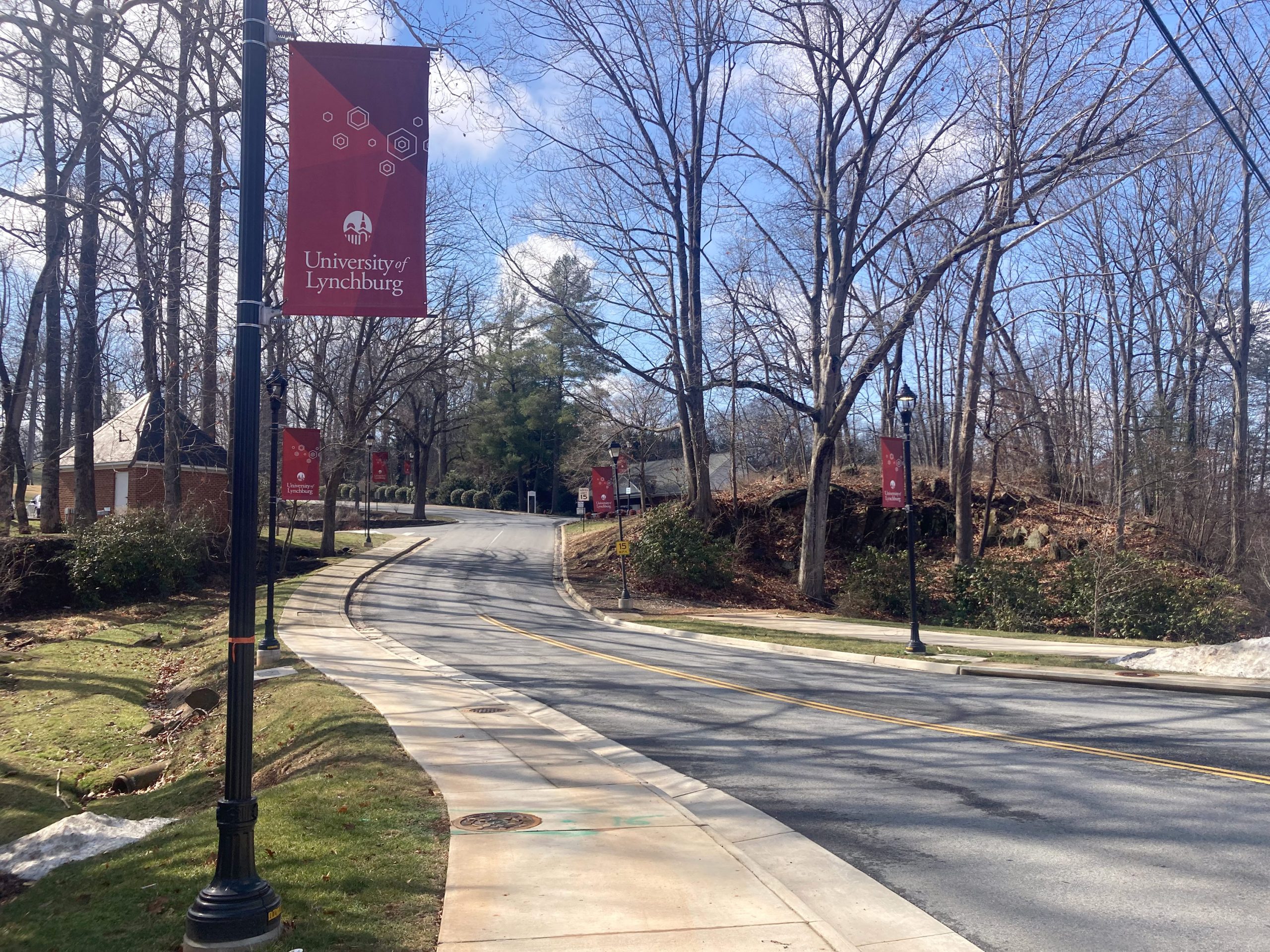
When Nalia Mutz enrolled at the University of Lynchburg in 2022, she arrived with a clear, ambitious roadmap: a four-year trajectory toward a biomedicine degree and, ultimately, a career in medicine. Two years later, that path—and the stability of her entire collegiate experience—disintegrated. As the university moved to eliminate a dozen majors and initiate widespread faculty layoffs in 2024 to combat persistent fiscal deficits, the science courses essential for her graduation disappeared from the catalog. Mutz, like many of her peers, was left facing the prospect of two additional years of tuition and stress to complete a degree that should have been within reach.
The crisis at Lynchburg is not an isolated incident but rather a microcosm of a deepening crisis in American higher education. As institutions confront a "perfect storm" of demographic shifts, declining enrollment, and a growing public skepticism regarding the return on investment of a bachelor’s degree, the fragility of the small, private nonprofit college model has been laid bare. For millions of students, the "belt-tightening" measures intended to save these institutions are fundamentally altering the nature of their education, creating a landscape where degree completion is no longer a guarantee, but a logistical hurdle.
A Decade of Decline and Fiscal Pressure
The financial strain currently plaguing institutions like the University of Lynchburg is the culmination of long-term economic trends. Federal data reveals that while total higher education enrollment has fluctuated, the number of colleges experiencing sustained enrollment drops has accelerated sharply. In 2019, approximately 53% of colleges—about 1,050 institutions—had experienced enrollment declines in at least three of the previous five years. By 2024, that figure had climbed to 58%, or 1,090 institutions.
Public universities have not been immune to this trend; one in three public institutions reported an enrollment decline of at least 10% between 2019 and 2024, a 50% increase compared to pre-pandemic figures. These declines are exacerbated by aggressive administrative efforts to cut costs, which often involve reducing faculty headcounts, shuttering dining services, and limiting campus amenities.
For private, tuition-dependent institutions, the reliance on enrollment numbers is absolute. When students leave, the revenue gap creates an immediate deficit. To bridge these gaps, many colleges have attempted to court international students who often pay full tuition rates. The University of Lynchburg, for example, invested at least $1.7 million in 2018 to rebrand itself from "Lynchburg College" to "University of Lynchburg" in a bid to increase its national and international stature. While the strategy saw international enrollment quadruple between 2014 and 2024, recent shifts in federal policy regarding international student visas and restricted access to federal research funding have created new, unpredictable obstacles for schools relying on this demographic.
The Human Cost of Downsizing
The academic literature is unequivocal: student-faculty ratios and the availability of robust advising are the primary predictors of student persistence and graduation. When an institution cuts faculty, it does not merely save on salary; it disrupts the continuity of mentorship and the availability of specialized coursework.
Justin Ortagus, a professor of higher education and public policy at the University of Texas at Austin, notes that there is a "straight line" between administrative austerity and student outcomes. "The academic literature draws a straight line from student-faculty ratios and advising supports to what that means for students’ likelihood to persist and complete their college degree," Ortagus said. "It has a real impact on their ability to graduate."

At the University of Lynchburg, the consequences have manifested in tangible ways. The advising office, previously staffed by seven professionals, has been reduced to just three, significantly increasing the caseload per advisor. For students like Willow Martin, a psychology major who expected to graduate in May, the result was a notification that she would not be able to finish on time. Martin, who requires 11 additional credits to graduate, expressed confusion and anxiety about the lack of available upper-level courses following the recent faculty buyouts.
Governance and Transparency Challenges
The financial distress at many private institutions is often shrouded in secrecy. Unlike public universities, which are subject to Freedom of Information Act (FOIA) requests and rigorous public oversight, private nonprofits are largely exempt from such requirements. This opacity makes it difficult for families to gauge the actual financial health of the institutions they are paying thousands of dollars to attend.
In the case of Lynchburg, the board of trustees has seen a significant contraction, dropping from 36 members in 2020 to 22. Former trustee Michael Gillette, who resigned in 2023, publicly cited a lack of transparency regarding budget documents as his reason for departure, alleging that major financial decisions were being made without adequate oversight. While the university maintains that it adheres to all established governance procedures, the disconnect between administration and the student body remains a point of contention.
A Pattern Across the Landscape
The "Lynchburg model" of crisis management—cutting programs, reducing staff, and shifting to digital platforms—is being replicated across the country.

- University of New Hampshire: Faced with significant state budget cuts, the university shuttered dining halls on weekends, closed campus pharmacies, and initiated rounds of layoffs. Students have held protests, arguing that these cuts directly violate the institution’s commitment to providing a comprehensive educational experience.
- Meredith College (North Carolina): Following a series of layoffs, students and alumni protested the loss of four dean positions and a noticeable reduction in course offerings, claiming that the quality of their education was being compromised.
- Johnson & Wales University (Rhode Island): After cutting 91 faculty and staff positions, the university faced student backlash over deteriorating dorm conditions and increased costs for basic services like laundry and mandatory meal plans.
Looking Toward an Uncertain Future
As the university prepares for the retirement of its president, Alison Morrison-Shetlar, at the end of June 2026, the administration remains focused on a "stabilization" strategy. This includes launching a $40 million fundraising campaign and pivoting toward high-demand certificate programs, such as those focused on cannabis careers and applied health sciences. Morrison-Shetlar emphasizes that the university’s priority is preparing students for the workforce.
However, the students themselves are increasingly skeptical. Data from 2024 shows that 30% of Lynchburg students transferred out, a sharp increase from the 18% transfer rate observed a decade ago. For Nalia Mutz, the decision to transfer to Radford University was a necessity born of frustration. Even after discovering that some of her credits would not transfer, she viewed leaving the institution as the only way to protect her long-term goal of becoming a doctor.
"All my friends that I know that went there transferred," Mutz said. "I don’t know anyone that graduated from there."
The implication for the broader higher education sector is profound. If small, private colleges cannot provide the stability, faculty support, and clear pathways to graduation that students demand, they risk a "death spiral" where declining enrollment leads to cuts, which leads to further declines. As the pool of traditional college-aged students continues to shrink, the battle for survival will force institutions to choose between fundamental institutional transformation or potential closure. For students, the era of relying on the prestige or longevity of a small college is over; in its place is a new, more precarious reality where the financial health of the institution is just as important as the curriculum it provides.









Leave a Reply