
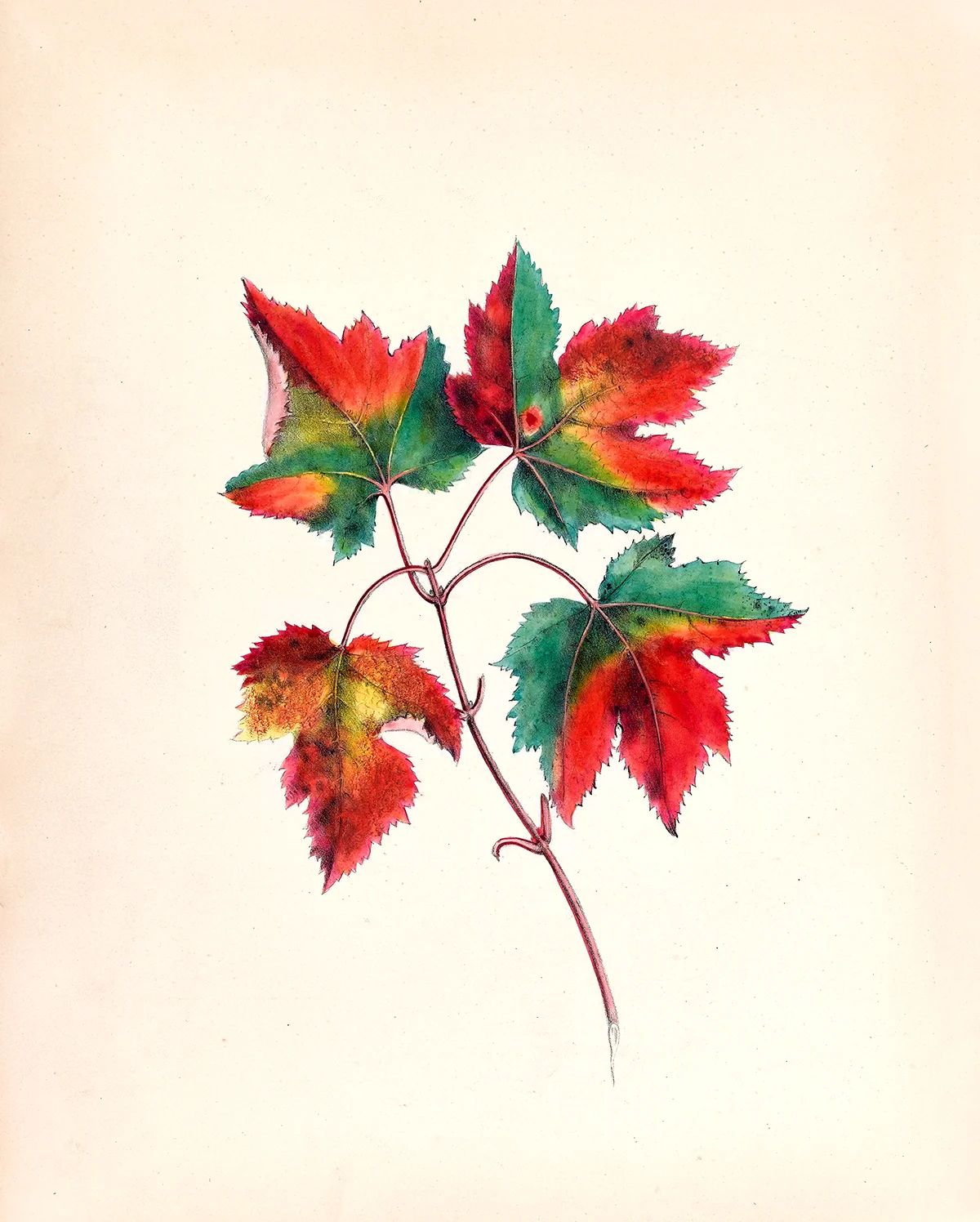
Autumn serves as a profound period of ecological recalibration, acting as a transitionary phase where deciduous vegetation undergoes complex physiological changes. While often viewed through a poetic lens, the seasonal shedding of foliage is a rigorous, metabolic process governed by the reduction of sunlight and the subsequent degradation of photosynthetic pigments. This transition reveals a spectrum of colors previously masked by the dominant green of chlorophyll, providing a window into the chemical complexity of plant life and the ongoing evolution of botanical science.
A Historical Chronology of Botanical Discovery
The inquiry into why leaves change color and eventually fall has occupied the human mind since the classical era, with early observations recorded by Aristotle. However, the mechanism behind this phenomenon remained opaque for centuries. It was not until 1817 that French chemists Joseph Bienaimé Caventou and Pierre Joseph Pelletier isolated the pigment responsible for the green coloration of plants, which they named "chlorophyll."
The nomenclature was derived from the Greek terms chloros (pale green) and phyllon (leaf). In their seminal publication, the duo exhibited a marked degree of scientific modesty, noting that they had merely identified a substance long-observed by others. This discovery was a watershed moment in plant physiology, providing the first concrete link between a specific chemical compound and the process of photosynthesis.
Throughout the 19th and early 20th centuries, further research identified that chlorophyll is not a singular entity but a group of pigments—predominantly chlorophyll a and b—that function as the primary receptors of light energy. By the mid-20th century, the role of accessory pigments—xanthophylls (yellow), carotenoids (orange), and anthocyanins (red/purple)—had been firmly established as integral components of the leaf’s chemical profile.
The Metabolic Mechanics of Photosynthesis
At the cellular level, photosynthesis is an energy-conversion process that transforms light into biochemical energy. Chlorophyll molecules are specialized to capture photons, which are then used to synthesize glucose from atmospheric carbon dioxide and water. This process is essential for the production of cellulose and other raw materials that constitute the structure of a tree.

The relationship between chlorophyll and the tree’s vitality is highly dependent on light availability. During the spring and summer months, high photon density allows for continuous production of chlorophyll, which effectively masks the accessory pigments. As the autumnal equinox approaches and the duration of daylight diminishes, the tree enters a state of dormancy. The metabolic cost of maintaining chlorophyll synthesis becomes unsustainable as sunlight wanes. Consequently, the tree initiates a "decommissioning" process: enzymes systematically break down the chlorophyll, effectively stripping the leaf of its primary light-harvesting cloak.
This metabolic withdrawal is not merely a sign of decay; it is a calculated survival strategy. By shedding its leaves, the tree minimizes water loss during the winter months when ground moisture may be frozen and unavailable. The visibility of xanthophylls and carotenoids is therefore a direct result of the removal of the green pigment, revealing the pre-existing chemical structure of the leaf.
Contemporary Research and the Discovery of Fluorescence
The scientific understanding of plant pigments underwent a significant advancement in the early 21st century. In 2008, researchers utilizing advanced imaging technology, specifically ultraviolet (UV) fluorescence, discovered that the process of chlorophyll degradation is more complex than previously documented.

When examining the ripening of bananas under UV light, scientists identified a blue-fluorescent compound known as a chlorophyll catabolite (specifically hmFCC). This compound is produced during the final stages of chlorophyll breakdown. Further studies have identified similar catabolites in a variety of other plant species, including Epipremnum aureum (devil’s ivy).
This discovery underscores a critical limitation in human biological observation: the human visual spectrum is restricted to wavelengths between approximately 380 and 750 nanometers. Many organisms, including insects and certain mammals, possess ocular structures capable of detecting ultraviolet light. Consequently, the "hidden" colors of the natural world—those that fluoresce under UV radiation—remain largely inaccessible to the unaided human eye. This realization has prompted a reassessment of how ecological interactions, such as fruit ripening and plant health signaling, might be perceived by other species.
Implications and Broader Scientific Context
The study of plant pigments has broad implications for fields ranging from agricultural science to climate change research. Understanding the timing of leaf senescence—the technical term for the biological aging and color change of leaves—is vital for modeling the global carbon cycle. As climate patterns shift, the timing of these seasonal events is also changing, which in turn affects the migration patterns of pollinators and the overall health of forest ecosystems.

Furthermore, the chemical kinship between chlorophyll and hemoglobin—the oxygen-carrying protein in human blood—remains a subject of fascination for biochemists. Both molecules share a porphyrin ring structure, though the central ion in chlorophyll is magnesium, whereas in hemoglobin, it is iron. This structural similarity serves as a reminder of the common evolutionary threads linking diverse forms of life.
Analysis of Scientific Methodology
The evolution of research into these phenomena reflects a broader shift in scientific methodology. Early 19th-century chemistry relied on isolation and identification, whereas modern research employs interdisciplinary tools—physics, molecular biology, and advanced imaging—to understand the function and systemic purpose of these substances.
The ongoing investigation into chlorophyll catabolites illustrates the iterative nature of scientific discovery. As stated by researchers in the field, each layer of reality revealed through new technology often uncovers further questions, confirming that nature’s mechanisms are not fully static but are instead deeply layered.

Conclusion: A Synthesis of Knowledge
The transformation of foliage during the autumn season is a complex orchestration of enzymatic activity, light-wavelength reception, and evolutionary adaptation. By examining the history of chlorophyll discovery, the metabolic processes of trees, and recent advancements in UV fluorescence, one gains a more comprehensive understanding of the natural world.
The synthesis of this data confirms that what is visually perceived as "loss" or "dissolution" in the autumnal season is, in reality, a sophisticated chemical transformation. As researchers continue to probe the limits of the visible spectrum and the nuances of molecular biology, the natural world continues to reveal its hidden complexities. The study of these processes remains a critical endeavor, bridging the gap between historical curiosity and contemporary scientific inquiry, and reinforcing the necessity of maintaining an open, rigorous approach to understanding the mechanics of life on Earth.










Leave a Reply