
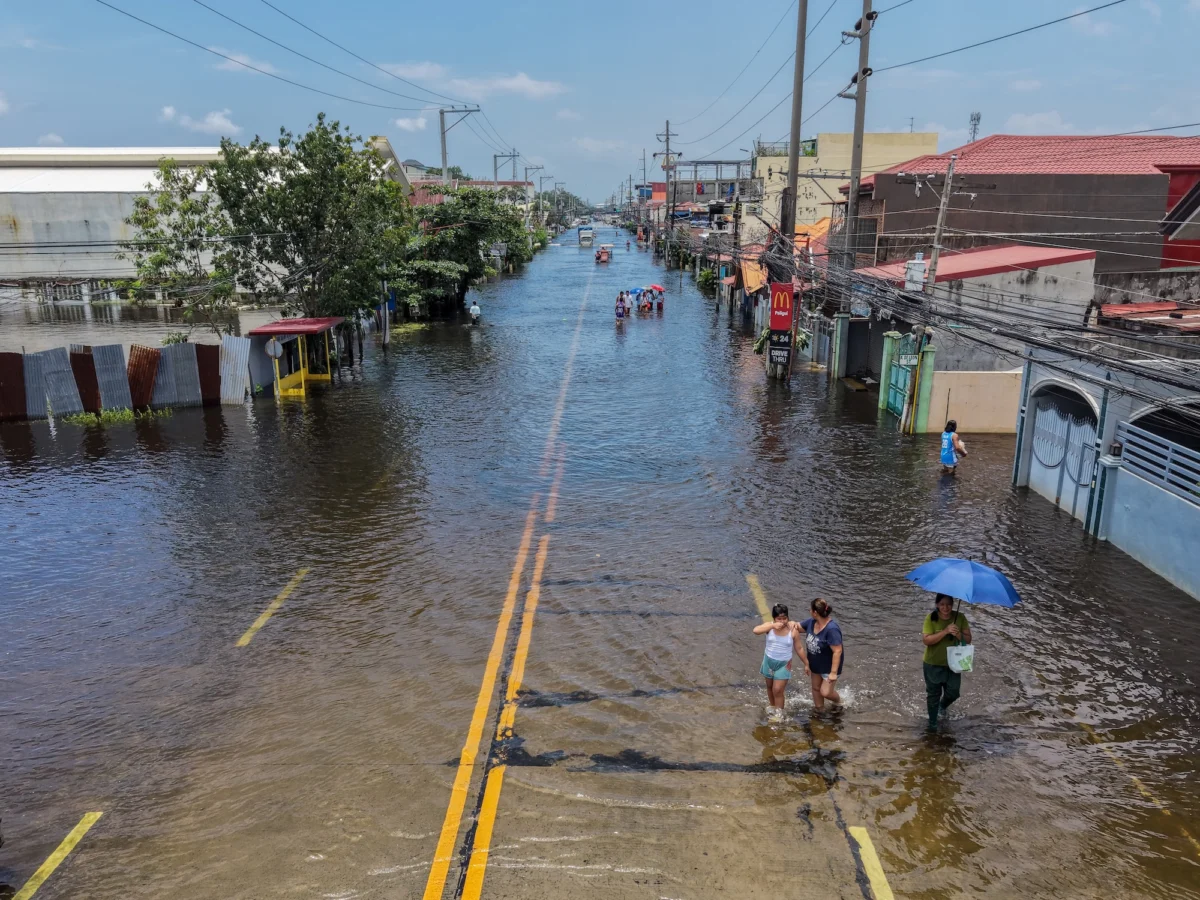
The headlines arriving from meteorological agencies and climate laboratories across the globe carry a uniform sense of alarm. Described alternately as jaw-dropping, unprecedented, and catastrophic, the current El Niño event has shattered historical observation records. With sea surface temperatures in the central and eastern Pacific Ocean climbing to staggering new heights, governments, scientists, and public health officials are bracing for a period of extreme meteorological volatility that could fundamentally alter global weather patterns, strain critical infrastructure, and accelerate short-term planetary warming.
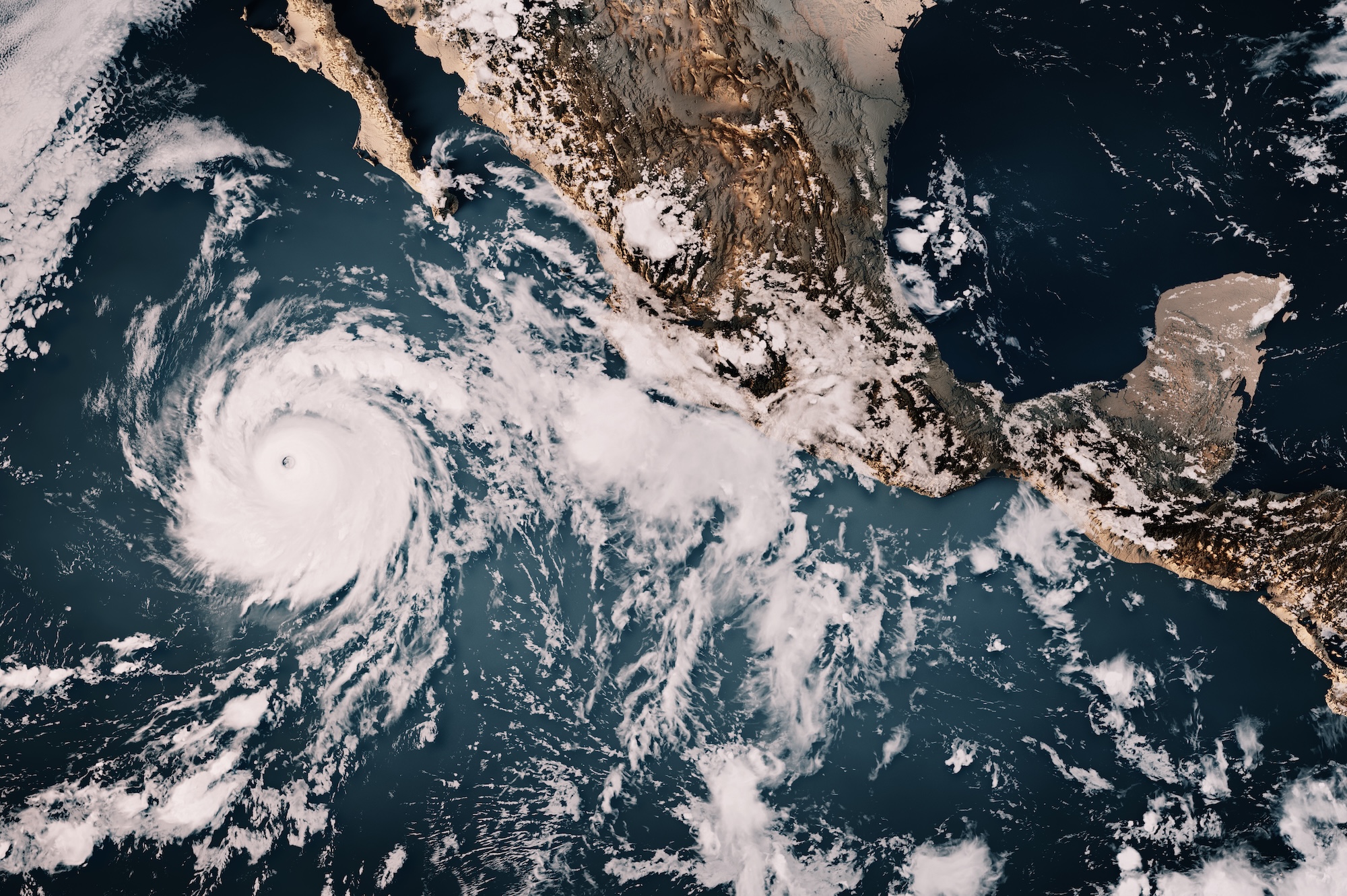
California has already responded to the escalating crisis by declaring a statewide state of emergency, deploying resources to bolster disaster preparedness against incoming coastal erosion, torrential rainfall, and severe flooding. Globally, researchers project that the compounding effects of this thermal anomaly could contribute to hundreds of thousands of heat-related fatalities by late winter, underscoring the lethal intersection of natural climate cycles and anthropogenic global warming.
To understand the gravity of the current situation, scientists and international observers are closely examining the mechanics of the phenomenon, its historical context, and the profound implications it holds for a world already grappling with unabated fossil fuel emissions.
Deconstructing the Phenomenon: What is El Niño?
El Niño is the warm phase of the El Niño-Southern Oscillation (ENSO), a naturally occurring climate pattern that originates in the tropical Pacific Ocean. Under normal conditions, trade winds blow predominantly from east to west along the equator, pushing warm surface water toward Asia and Australia while allowing cooler, nutrient-rich waters to well up off the coast of South America.
However, at irregular intervals ranging typically from two to seven years, these trade winds weaken or occasionally reverse direction. This atmospheric shift allows the vast pool of accumulated warm water in the western Pacific to slosh eastward, blanketing the central and eastern equatorial Pacific with abnormally high sea surface temperatures.
While the mechanics of ENSO are cyclical and natural, their interaction with human-induced climate change has intensified. Extensive climatological research indicates that global warming is increasing the frequency and intensity of extreme El Niño events. When a powerful El Niño occurs, it releases massive amounts of heat from the ocean into the atmosphere, frequently triggering spikes in global mean surface temperatures. Consequently, the combination of an exceptionally strong El Niño and background greenhouse gas warming creates a compounding hazard, effectively fast-forwarding the planet into temperature regimes previously projected for the middle of the century.
The Anatomy of a Record-Breaking Event
Scientists evaluate the strength of an El Niño by monitoring sea surface temperature anomalies in a specific sector of the Pacific known as the Niño 3.4 region. Under standard meteorological definitions established by agencies such as the National Oceanic and Atmospheric Administration (NOAA), an El Niño is officially declared when sea surface temperatures in this zone rise 0.5 degrees Celsius above the historical baseline. Departures of 1.0 degree denote a moderate event, 1.5 degrees indicate a strong event, and 2.0 degrees or higher are classified as very strong.
The current weather pattern, however, has rewritten the upper bounds of these classifications. Recent analyses of oceanic data indicate that warming in the Niño 3.4 region has surged to an extraordinary 3.11 degrees Celsius above normal. This figure comfortably eclipses the previous modern record set during the historic El Niño of November 2015.
Historically, El Niño events tend to reach their peak intensity between December and January—a timing that originally prompted South American fishers centuries ago to name the phenomenon after the Christ child. Forecast models from leading meteorological institutions currently assign a greater than 90 percent probability that these extreme conditions will persist through the end of the year, all but guaranteeing a generationally severe climate shock.
Chronology and Scientific Consensus
The trajectory of this weather pattern has forced researchers to rapidly adjust their risk assessments. Earlier in the year, many climatologists remained skeptical of extreme modeling projections, viewing some of the more apocalyptic forecasts with professional caution. However, as consecutive months of record-shattering ocean temperatures materialized through the summer, the empirical reality became undeniable.
The term "super El Niño," while originally appearing in academic literature as early as 2003 in studies examining the transitions between El Niño and its cooler counterpart, La Niña, has been widely adopted by both researchers and mainstream media to communicate the sheer magnitude of the ongoing event. Climatologists note that while the terminology is colloquial rather than strictly bureaucratic, it serves a vital communicative function. Finding precise language to convey existential environmental threats remains a persistent challenge for the scientific community, balancing the risk of public desensitization against sensationalism. As anomalies routinely surpass historical thresholds, experts acknowledge that standard institutional terminology may require modernization to accurately reflect the escalating severity of climate disruptions.
Global Repercussions: Agriculture, Health, and Infrastructure
The consequences of a super El Niño extend far beyond marine temperatures, triggering cascading effects across terrestrial ecosystems, agricultural supply chains, and human settlements.
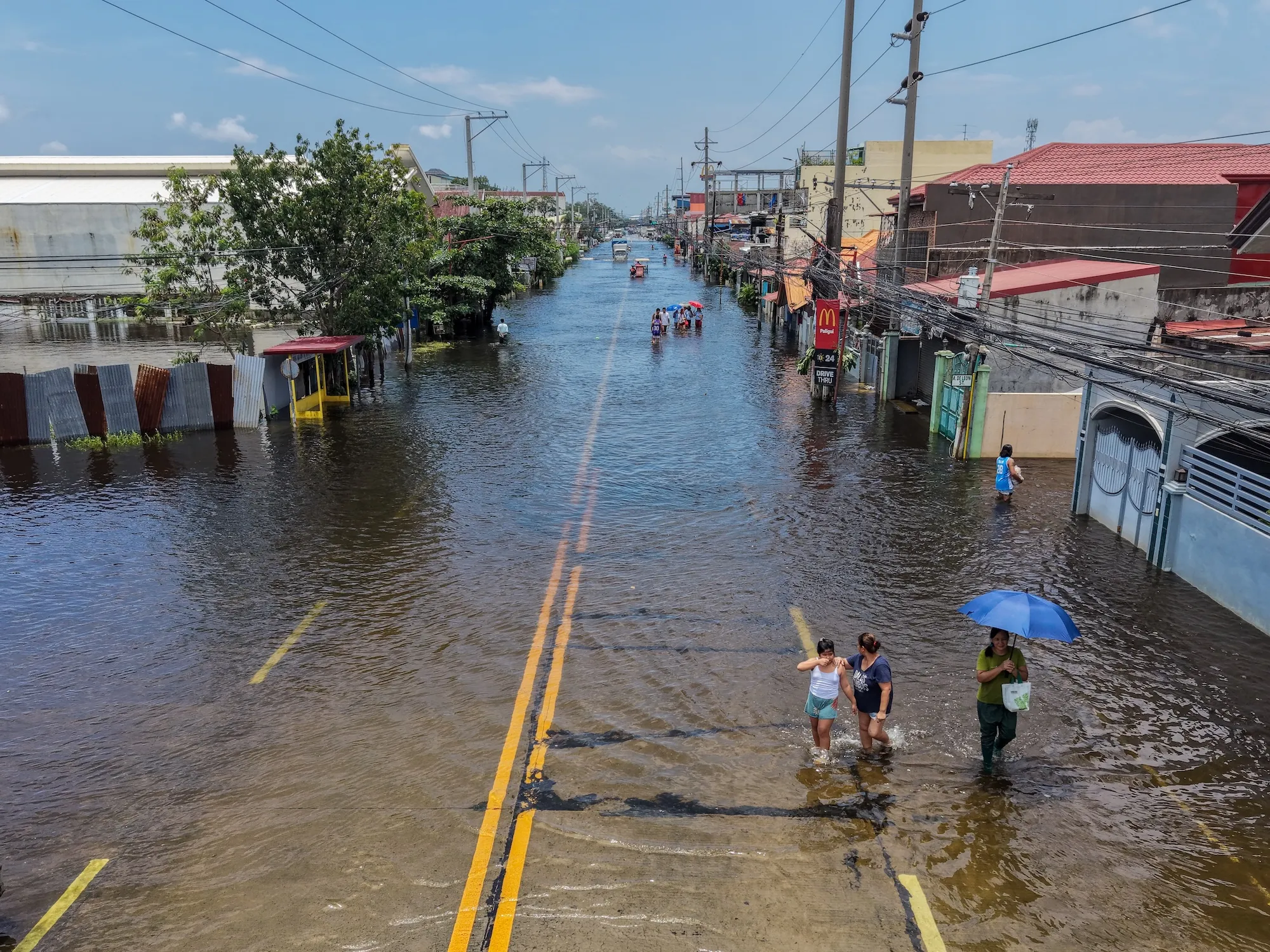
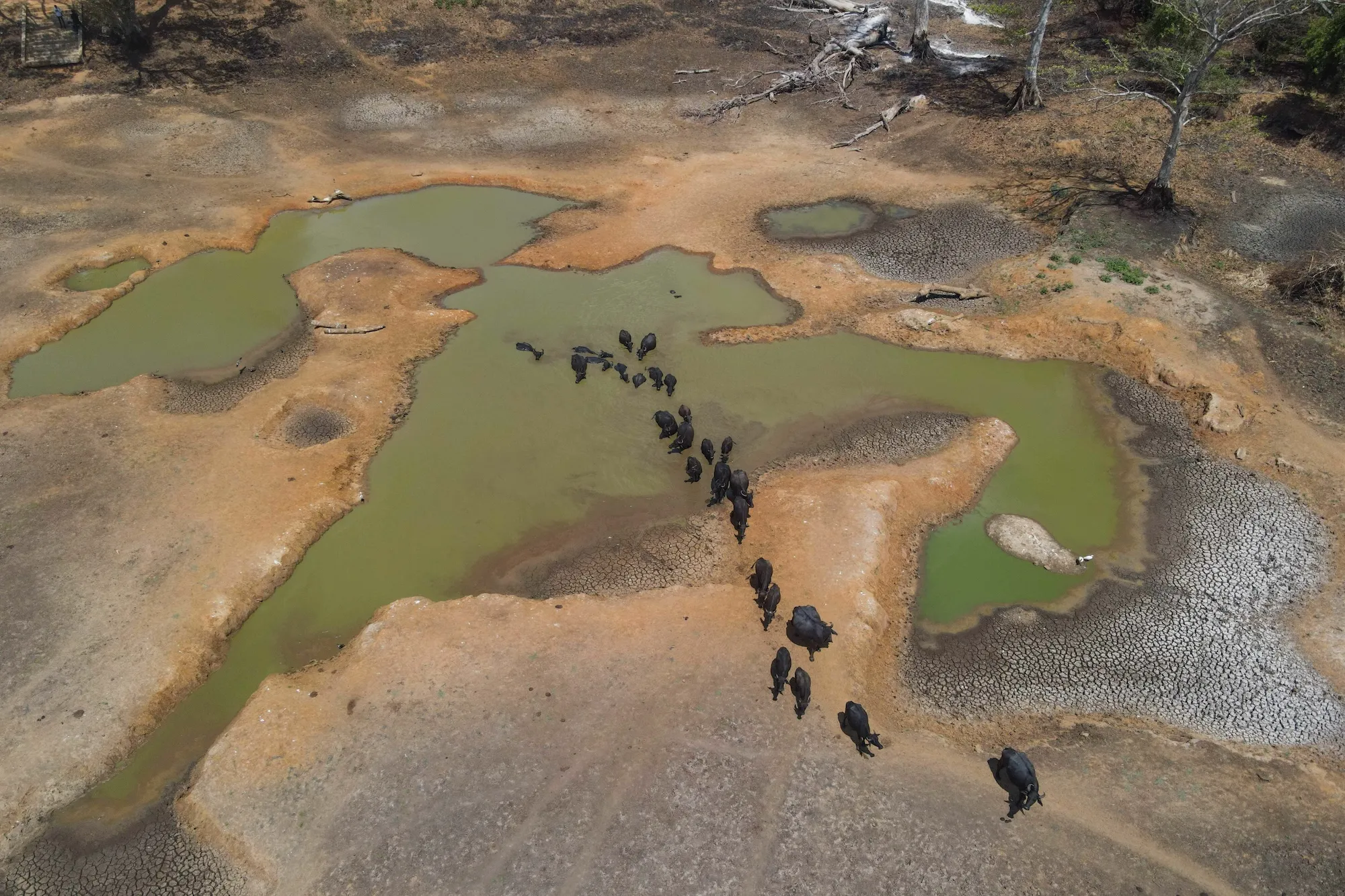
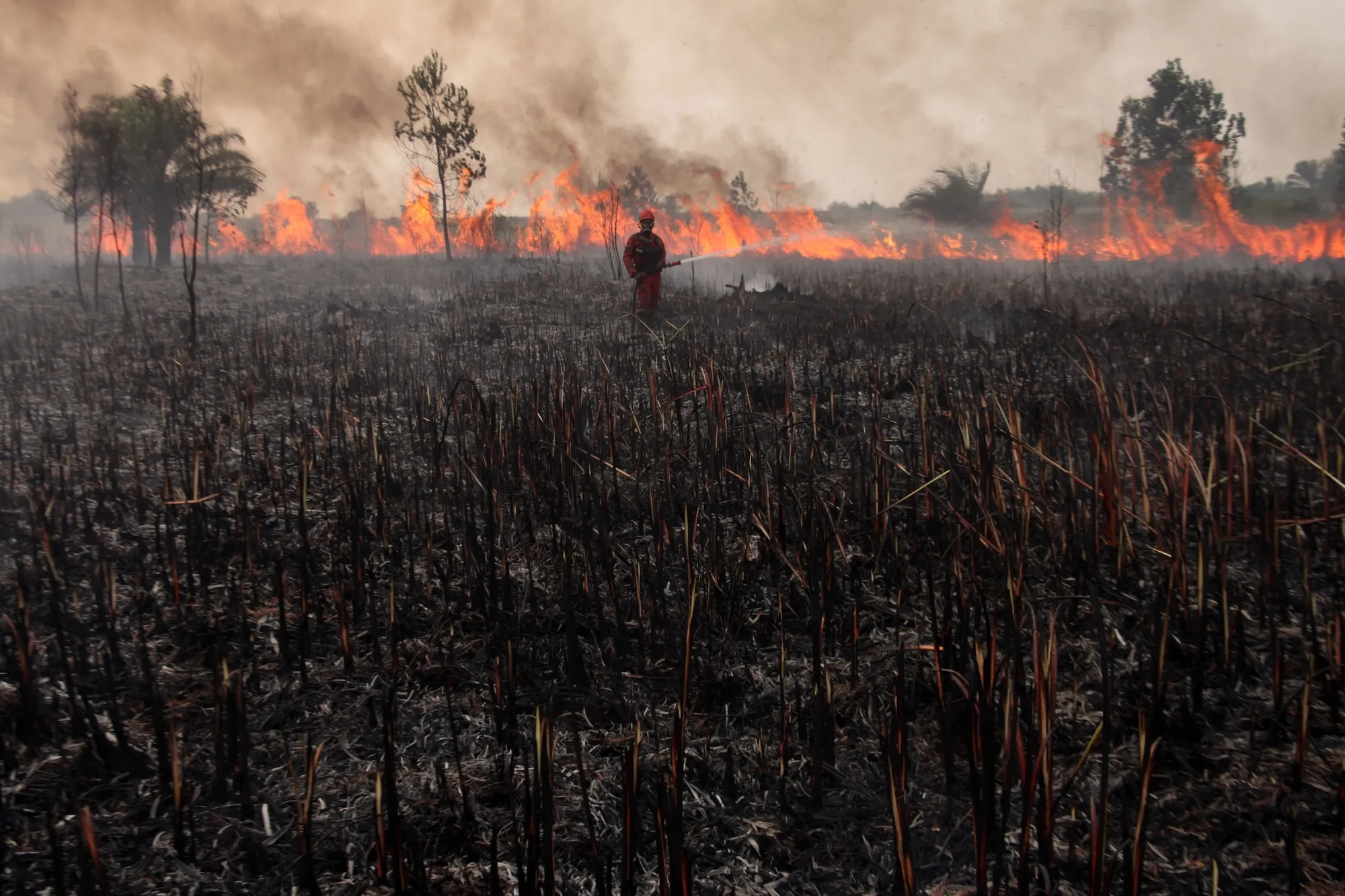
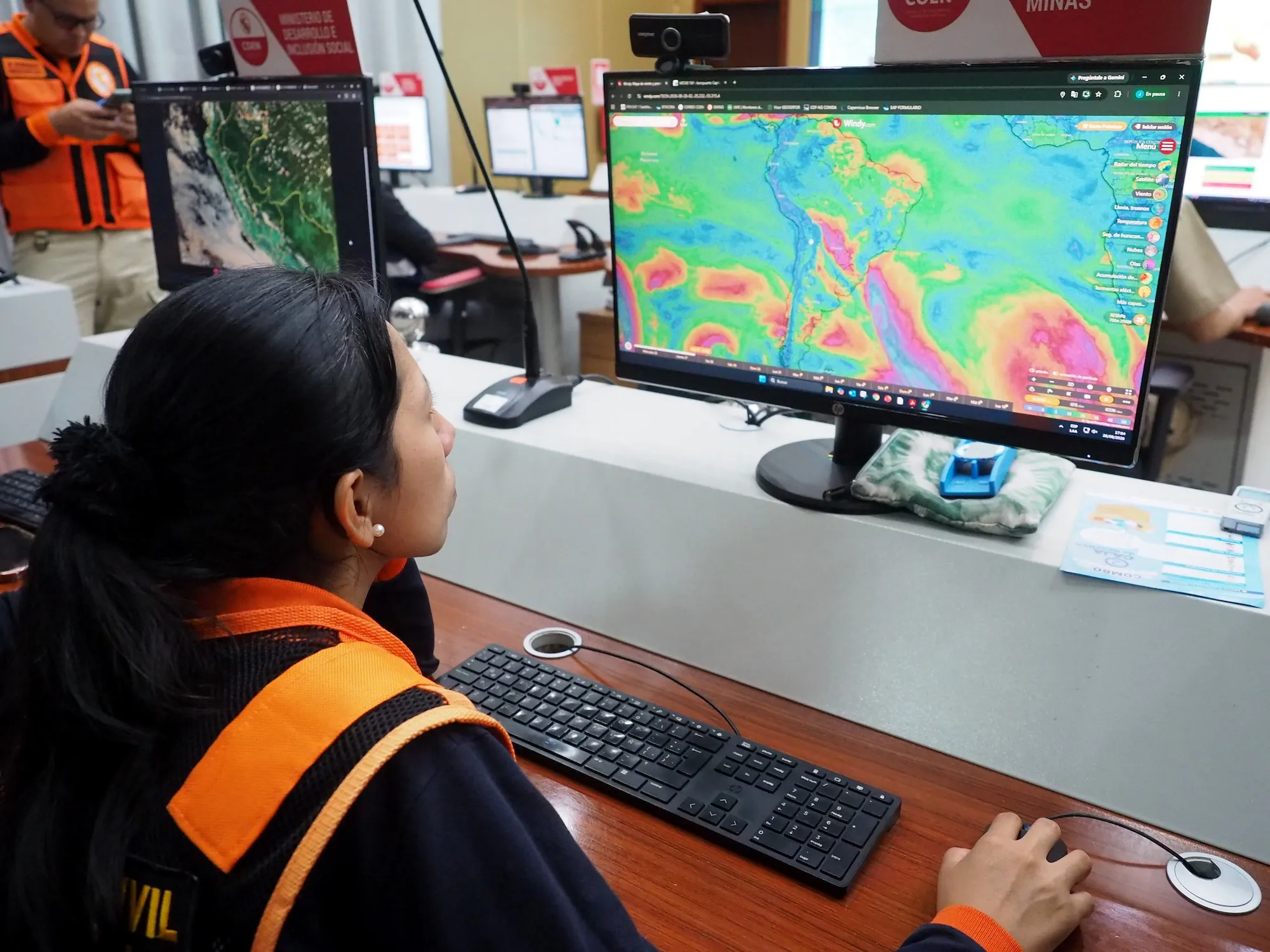
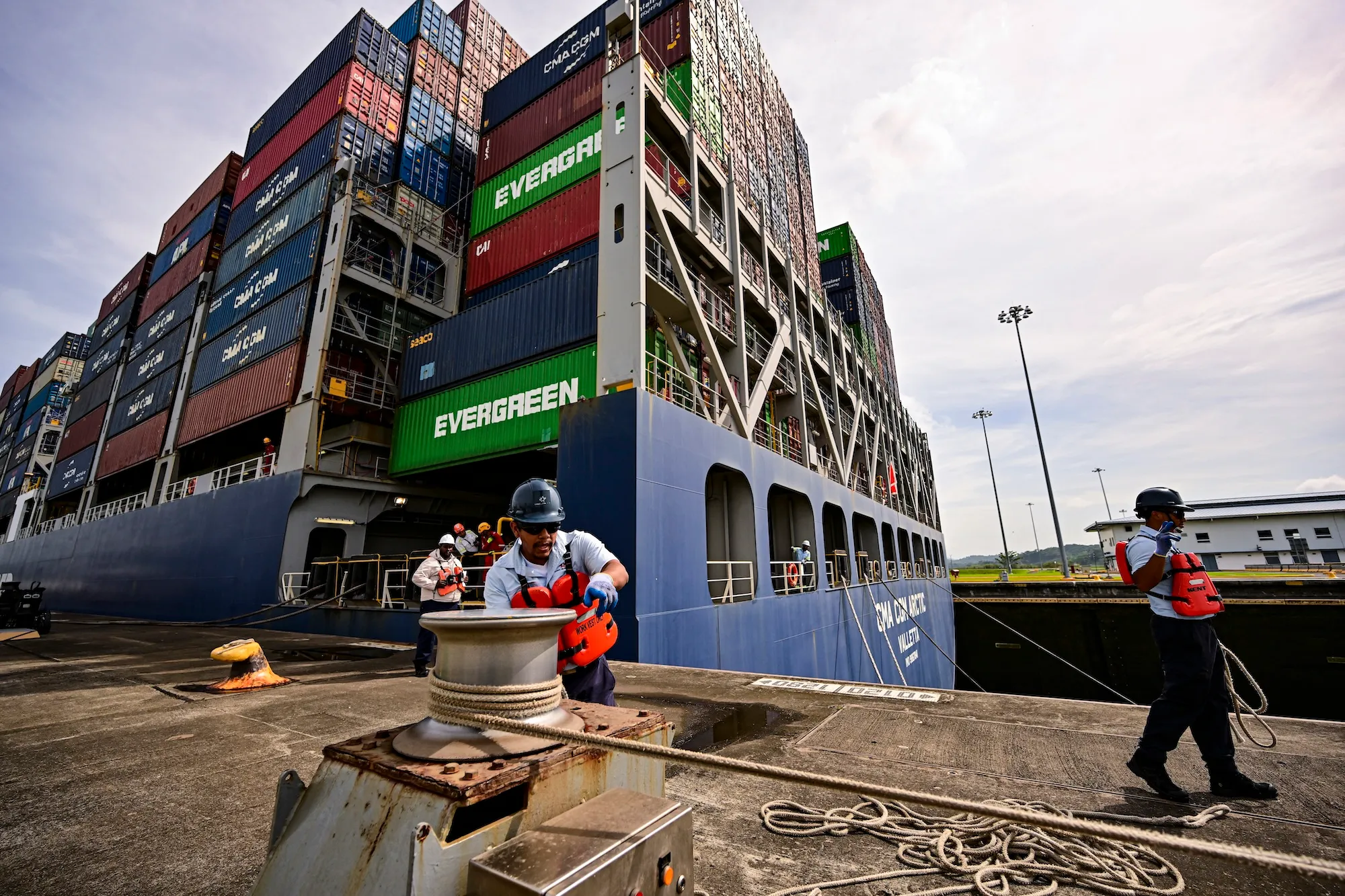
In Southeast Asia, prolonged dry spells driven by the weather pattern have severely compromised water levels, fueled aggressive wildfires in regions like Indonesia, and threatened regional crop yields. Conversely, parts of South America face severe flood risks, prompting multi-hazard emergency drills and infrastructural reinforcements, such as those implemented along the Panama Canal where transit restrictions have been enacted to manage lower water levels.
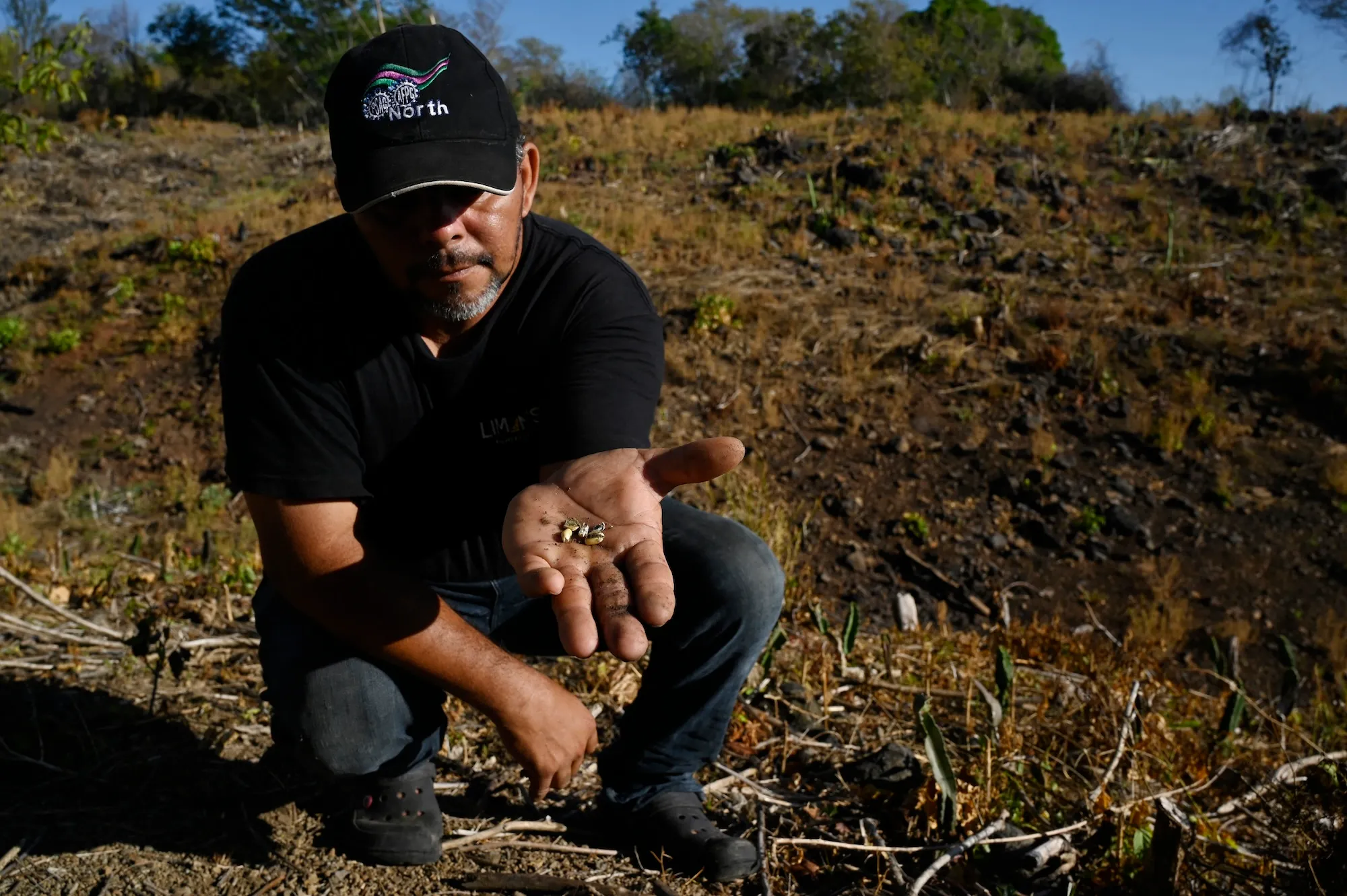
In Central America, agricultural communities report devastating crop failures, with staple grains like corn failing to germinate amid some of the worst documented droughts in local memory. Concurrently, North America is preparing for divergent impacts: while the southern tier of the United States and California anticipate heavy precipitation and heightened risks of mudslides and coastal erosion, other regions face heightened winter warmth and altered hydrological cycles.
Public health projections are similarly stark. Epidemiological models warning of hundreds of thousands of excess heat-related deaths by February highlight the acute vulnerability of urban populations, outdoor laborers, and marginalized communities to prolonged, extreme thermal stress. Furthermore, disruptions to global agricultural output threaten to induce food price volatility, impacting food security in import-dependent nations.

Implications for the Future of Climate Policy
As the international community confronts the immediate dangers posed by this meteorological anomaly, scientists emphasize that the event serves as a critical diagnostic preview of Earth’s near-future climate trajectory. If greenhouse gas emissions continue on their current trajectory, the baseline global temperatures experienced during this super El Niño may soon become the global norm within the next two decades.
The convergence of record-breaking ocean warmth, intensifying weather extremes, and institutional emergency declarations underscores the urgent need for robust climate adaptation frameworks. Whether categorized as a super El Niño, a Godzilla event, or through the increasingly colloquial language of exasperated researchers observing planetary shifts, the underlying reality remains unchanged. The event represents a profound stress test for global infrastructure, underscoring the critical necessity of accelerating decarbonization efforts before natural climate variability and anthropogenic warming converge to produce consequences beyond human adaptation.








Leave a Reply