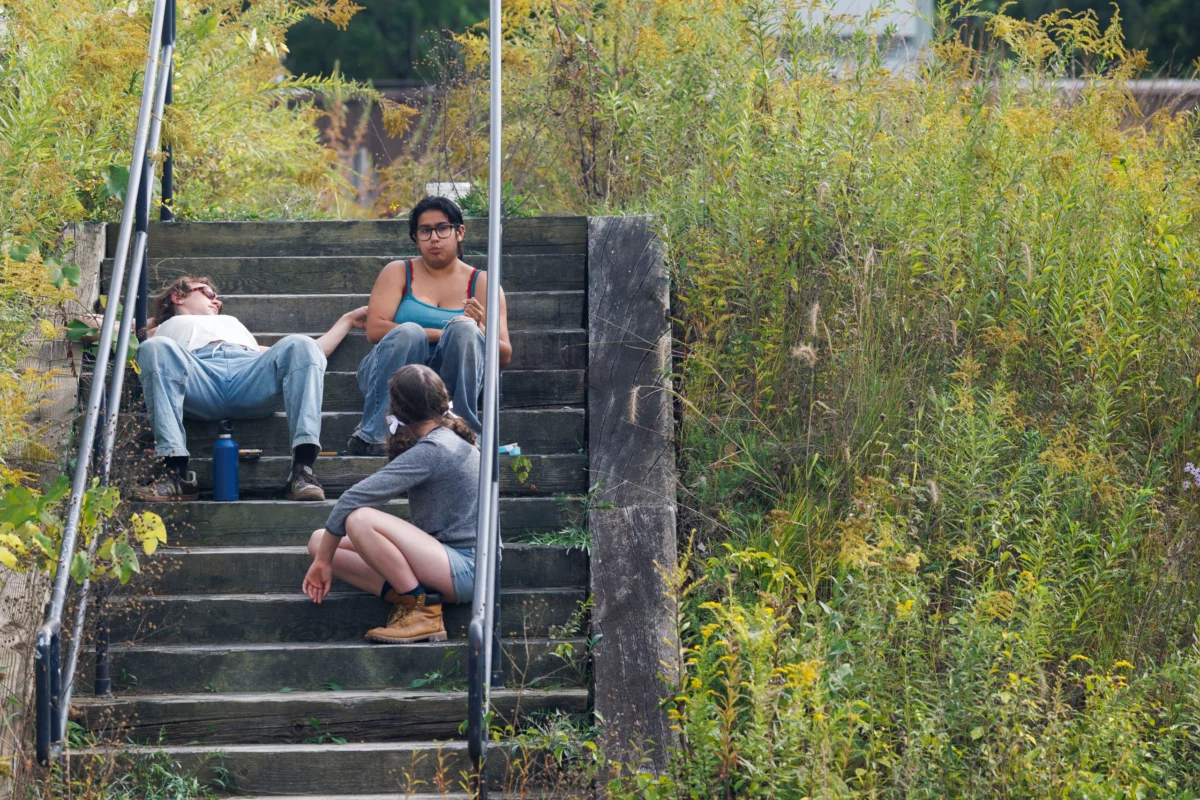
The parking lots are largely vacant, save for the occasional lone vehicle, and the once-vibrant walkways of Hampshire College are now eerily quiet. Buildings that previously buzzed with the intellectual energy of seminars and student discourse are now locked and dark, their interiors populated only by wilting plants and the dust of a chapter nearing its end. This scene, playing out in Amherst, Massachusetts, is not an isolated industrial relic of a bygone era; it is a preview of the future for hundreds of institutions across the United States. As Hampshire prepares to shutter its doors permanently this December, it stands as a poignant symbol of an industry in the throes of a profound, systemic transformation.
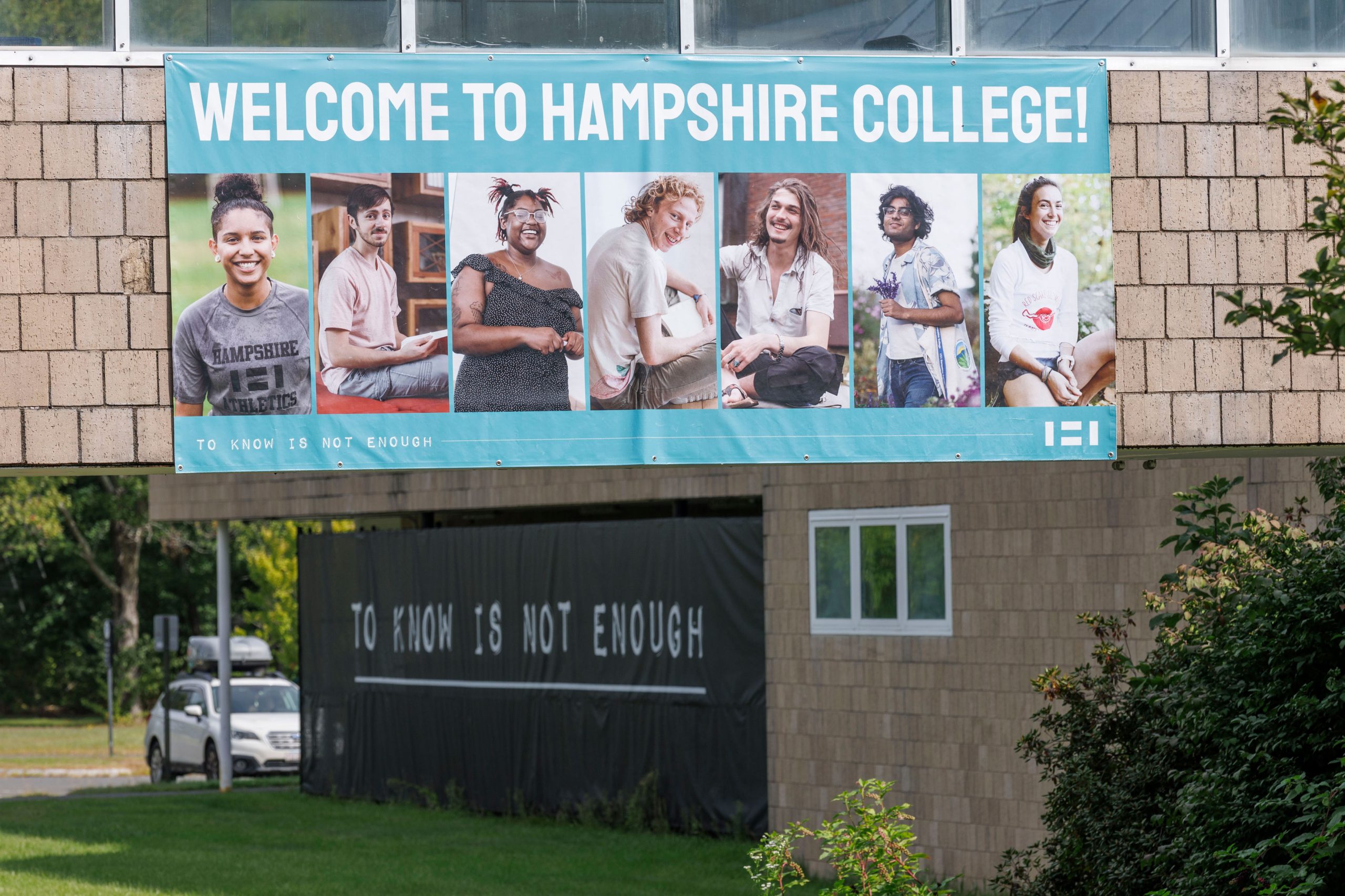
The closure of Hampshire College is the latest in a relentless sequence of institutional failures. Last year alone, the rate of college closures and mergers accelerated to the equivalent of one institution every three weeks. This trend marks a radical departure from the mid-20th century, a period characterized by sixty years of aggressive expansion in higher education, fueled by a seemingly bottomless supply of prospective students. Experts now suggest that the industry has entered a thirty-year cycle of significant contraction, a phenomenon that began around 2011 and is projected, according to demographic forecasts, to continue through at least 2041.
A Chronology of Decline: From Expansion to Consolidation
The historical roots of this crisis are embedded in the American tradition of community-building. For generations, the founding of a college was the ultimate symbol of a town’s legitimacy and regional stature, often prioritized even over basic infrastructure like public water or sanitation. John Thelin, an emeritus professor at the University of Kentucky and author of A History of American Higher Education, notes that this proliferation led to a dense network of private, nonprofit colleges. Today, however, that density has become a liability.

The decline has been exacerbated by a "demographic cliff"—a sharp reduction in the number of 18-year-olds in the U.S. population. Compounding this, the percentage of high school graduates choosing to enroll in higher education has dropped from 70 percent in 2016 to 63 percent by 2024. These enrollment gaps are most severe in the Northeast and Midwest, regions that currently possess a surplus of colleges relative to the shrinking pool of students.
Since 2016, nearly 150 private, nonprofit colleges and universities have closed their doors. The fallout is not limited to the private sector; public university systems in states like Wisconsin and Pennsylvania have also been forced to consolidate or shutter branch campuses to remain fiscally viable.

The Financial Anatomy of a Shutdown
The typical profile of a closing institution is a small, regional liberal arts college with limited endowment, a heavy reliance on tuition revenue, and a mounting debt load. Many of these schools attempted to stave off the inevitable by engaging in "tuition discounting"—offering deep financial aid packages to attract students, which ultimately cannibalized the net revenue needed to maintain aging infrastructure.
Hampshire College, which rose to prominence in the 1970s for its unconventional, self-directed model and "narrative evaluations" rather than traditional grading, eventually succumbed to this fiscal pressure. By the time it announced its closure, the college had accumulated $21 million in debt that it could no longer refinance. Its enrollment, which peaked at over 1,500 students in 2010, dwindled to fewer than 170 by its final semester.

"We are in a sink-or-swim environment," explains Kevin McElrath, director of the College Crisis Initiative at Davidson College. "The top-tier schools—the highly selective private universities and the massive state flagships—have the endowments and the prestige to weather the storm. But for the small, lesser-known institutions, the market has become unforgiving."
The Collateral Damage: Students and Local Economies
When a college closes, the impact on students is often devastating. A 2022 study by the State Higher Education Executive Officers Association revealed that fewer than half of students displaced by a college closure successfully transfer to another institution and continue their education. Of those who do manage to transfer, a significant portion never complete their degrees.

Chloe De Lisle, one of the final cohort of students at Hampshire, describes the surreal experience of attending a school that is actively ceasing to exist. "It feels like we are still waiting for the student body to arrive," she says, noting that the closure of the dining hall, student-run cafes, and most dormitories has stripped the campus of its social fabric.
Beyond the student body, the regional economic impact is severe. Small colleges are often the primary economic engines of their respective towns. When they disappear, the town loses its largest employer, the steady influx of consumer spending from students, and the pipeline of graduates who might otherwise have settled in the area. The "ghost town" effect described by Professor Thelin is already visible in communities where the departure of a college has left behind massive, unmarketable tracts of land and derelict historic buildings.

The Search for Institutional Survival
In response to the crisis, many struggling colleges are seeking a "lifeboat" strategy: mergers or acquisitions. Brian Weinblatt, founder of the advisory firm HCS Strategy, reports that he is frequently approached by desperate institutional leaders asking for help to find a partner. "The more troubled institutions are going to the relatively stable ones and asking, ‘Would you consider taking us in?’" Weinblatt says. However, he warns that for many, these inquiries come too late.
The erosion of public trust is a significant underlying driver of this instability. Gallup polling indicates that public confidence in higher education has plummeted from 57 percent in 2015 to just 38 percent in recent years. This skepticism is fueled by rising costs and a growing perception that a liberal arts degree does not provide a reliable path to employment. Musbah Shaheen, a professor at the University of Massachusetts, notes that institutions are currently in "crisis mode," fighting to balance their books while simultaneously struggling to articulate their value proposition in a skeptical marketplace.

The Path Forward: Transformation or Extinction?
The closure of an institution like Hampshire College serves as a stark warning to the higher education sector. It is not merely a loss of physical assets, but a loss of an educational philosophy and a community hub. As President Jen Chrisler observed while surveying the near-empty campus, the tragedy of these closures lies in the broken promise to the students who sought out these smaller, more personalized environments because they felt alienated by the bureaucracy of massive, traditional universities.
For students like Madeline Keating, who is currently working toward her final project at Hampshire, the closure represents the end of an era. She has turned to social media to maintain connections with her peers, recognizing that the physical locus of their shared experience will soon cease to exist.

The broader implications for the American economy are equally concerning. As the nation faces a looming shortage of skilled workers to replace retiring baby boomers, the loss of small, accessible colleges could exacerbate inequality and reduce educational attainment in rural and underserved regions.
The "crisis of the small college" is, at its core, a signal that the 20th-century model of higher education is no longer sustainable in a 21st-century landscape defined by demographic shifts and a loss of public faith. Whether the sector can pivot to a more efficient, inclusive, and fiscally responsible model remains the central challenge for administrators, policymakers, and the next generation of students. For now, the "Goodbye, Hamp" graffiti on the walls of the campus serves as a quiet, stubborn epitaph for a dream that could no longer keep pace with the realities of the modern economy.