
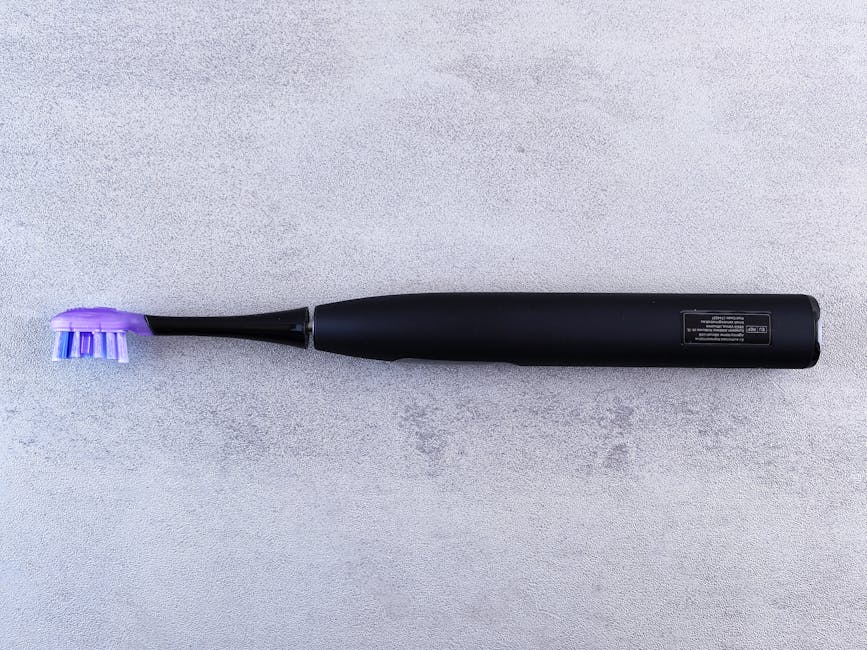
Sonic Electric Toothbrush Costs: A Comprehensive Analysis of Investment and Value
Understanding the cost of a sonic electric toothbrush extends far beyond the initial purchase price. It encompasses a multifaceted evaluation of long-term affordability, the value proposition offered by advanced technology, and the potential savings in dental care. While the upfront investment for a sonic electric toothbrush can range from under $50 for entry-level models to over $200 for premium, feature-rich devices, this figure is merely the tip of the iceberg. To truly grasp the financial implications, one must consider the lifespan of the toothbrush, the ongoing costs of replacement brush heads, charging accessories, and the potential reduction in expenditure on professional dental treatments due to improved oral hygiene. This article delves into these various cost components, providing a detailed breakdown to empower consumers in making an informed decision about the financial wisdom of adopting sonic electric toothbrush technology.
The initial acquisition cost of a sonic electric toothbrush is the most immediately apparent financial outlay. Basic models from reputable brands can often be found in the $30-$70 price bracket. These typically offer core sonic cleaning technology, multiple brushing modes, and a basic charging base. Moving up the price spectrum, mid-range options, usually between $80 and $150, incorporate more advanced features. These might include pressure sensors to prevent gum damage, app connectivity for personalized coaching and tracking, longer battery life, and a wider array of brush head options tailored to specific needs like whitening or sensitive gums. At the apex of the market, premium sonic electric toothbrushes can exceed $200, and sometimes even approach $300 for the most sophisticated models. These high-end devices often boast features such as AI-powered brushing analysis, UV sanitizing charging cases, advanced material construction for durability and aesthetics, and extensive customization possibilities through companion apps. The choice of initial purchase price is directly influenced by the desired level of technology and the perceived need for specialized oral care features. For instance, individuals with a history of gum recession or sensitivity might find the investment in a model with a pressure sensor and specialized brush heads justifiable, even at a higher initial cost. Conversely, those seeking a significant upgrade from a manual toothbrush without requiring the most cutting-edge features might opt for a more budget-friendly yet still effective sonic model. It’s crucial to research specific brands and models within these price tiers, as features and build quality can vary significantly, impacting the overall value proposition. Online reviews, consumer reports, and product comparisons are invaluable resources for discerning the true worth of an initial investment within a particular price bracket.
Beyond the upfront purchase, the recurring cost of replacement brush heads represents a significant, albeit often underestimated, ongoing expense associated with sonic electric toothbrushes. Most manufacturers recommend replacing brush heads every three months, mirroring the dentist’s recommendation for manual toothbrushes, to maintain optimal cleaning efficacy. The price of replacement brush head packs varies considerably depending on the brand, the type of brush head, and the quantity purchased. A pack of two to four generic or compatible brush heads can range from $10 to $25. Branded or specialized brush heads, such as those designed for whitening, deep cleaning, or orthodontics, typically fall in the $15 to $40 range for a similar quantity. Over a typical lifespan of a sonic electric toothbrush (which can range from three to five years or even longer with proper care), this recurring cost can accumulate substantially. For a five-year period, a user might purchase approximately 20 brush heads. If each pack of two costs an average of $20, this amounts to $200 in brush head replacements alone. This cumulative expense highlights the importance of factoring in the ongoing affordability when selecting a toothbrush. Consumers can mitigate this cost by purchasing multi-packs, subscribing to automated brush head replacement services offered by some manufacturers (which often come with a discount), or exploring reputable third-party compatible brush heads, provided their quality and effectiveness are verified. However, it’s essential to balance cost savings with the assurance of effective cleaning and gum safety. Using low-quality or poorly fitting brush heads can negate the benefits of the sonic technology and potentially lead to suboptimal oral hygiene or even gum damage.
The battery life and charging mechanism of a sonic electric toothbrush also contribute to its overall cost of ownership, albeit in less direct ways. The initial purchase price usually includes a charging base, but the longevity and efficiency of the battery, as well as the charging method, have indirect financial implications. A toothbrush with a longer battery life means less frequent charging, which translates to minor savings in electricity consumption over its lifespan. While the energy draw of a toothbrush charger is generally minimal, over years of use, it’s a factor to consider, especially in terms of environmental consciousness. More importantly, a robust battery that holds its charge for an extended period (e.g., several weeks on a single charge) reduces the inconvenience and potential need for a replacement charger if the original malfunctions. Some premium models come with travel cases that incorporate charging capabilities, adding an initial cost but offering convenience and potentially protecting the device during transit, thus extending its usable life. The durability of the charging base itself is also a consideration. A well-built charging base is less likely to require replacement than a flimsy one. While not a primary cost driver, the consideration of battery efficiency and charging convenience can contribute to the overall user experience and the perceived long-term value of the device.
The most significant, yet often overlooked, financial benefit of investing in a high-quality sonic electric toothbrush lies in its potential to reduce long-term dental care expenses. By promoting superior oral hygiene, sonic toothbrushes can significantly decrease the incidence of common dental problems such as cavities, gingivitis, and periodontitis. These issues, if left untreated, can escalate into more severe and costly conditions requiring extensive dental work, including fillings, root canals, extractions, and even dental implants. The cost of these procedures can run into hundreds or even thousands of dollars, far exceeding the initial investment in a sonic electric toothbrush. For instance, a single filling can cost anywhere from $75 to $300, while a root canal can range from $700 to $2,000. More complex procedures like crowns or implants can cost several thousand dollars per tooth. By effectively removing plaque and bacteria, sonic toothbrushes help prevent the bacterial infections that lead to these problems. The advanced cleaning action of sonic technology, with its high-frequency vibrations, can reach areas that are often missed by manual brushing, thereby offering a more thorough and preventative clean. This proactive approach to oral health can lead to fewer dental visits for restorative work and a reduction in the associated costs. Regular dental check-ups and professional cleanings, while still necessary, may become less frequent or less intensive if a person maintains excellent oral hygiene at home. Furthermore, the prevention of gum disease can safeguard against tooth loss, a consequence that can lead to significant expenses for dentures or implants. Therefore, the initial and ongoing costs of a sonic electric toothbrush can be viewed as an investment that yields substantial financial returns in the form of saved dental bills over the individual’s lifetime.
The technology and features integrated into sonic electric toothbrushes directly influence their cost and perceived value. Models equipped with pressure sensors, for example, are designed to alert users when they are brushing too hard, preventing gum damage and enamel erosion. While this feature adds to the initial price, it can prevent costly treatments for receding gums or hypersensitive teeth down the line. Smart features, such as Bluetooth connectivity to companion apps, offer personalized brushing guidance, real-time feedback on coverage, and tracking of brushing habits. These advanced functionalities can cost more upfront but may lead to improved brushing technique and ultimately better oral health, thus contributing to long-term savings. Some high-end models offer multiple cleaning modes (e.g., clean, white, gum care, sensitive) and adjustable intensity settings, catering to a wider range of user needs and preferences. While these add to the price, they provide versatility and can be particularly beneficial for individuals with specific oral health concerns. The quality of materials used in the construction of the toothbrush, such as durable plastics, rubberized grips for comfort, and high-quality bristles, also contributes to the overall cost and the lifespan of the device. A well-constructed toothbrush is more likely to withstand daily use and last longer, reducing the need for premature replacement and thus amortizing the initial cost over a greater period. The integration of advanced battery technology, such as lithium-ion, contributes to longer battery life and faster charging times, enhancing user convenience and potentially reducing energy consumption.
Warranty and customer support are also factors that indirectly influence the cost-effectiveness of a sonic electric toothbrush. Most reputable manufacturers offer a warranty on their products, typically ranging from one to two years. A longer warranty period provides peace of mind and protection against manufacturing defects, potentially saving the consumer from out-of-pocket expenses for repairs or replacements within the warranty period. The quality of customer support also plays a role. Responsive and helpful customer service can expedite the resolution of any issues, minimizing downtime and frustration. While not a direct monetary cost, the time and effort saved through good customer support contribute to the overall positive ownership experience and perceived value. When comparing the costs of different sonic electric toothbrushes, it’s advisable to consider the warranty terms and the reputation of the brand for customer service.
In conclusion, evaluating the cost of a sonic electric toothbrush requires a holistic approach that considers the initial purchase price, the ongoing expense of replacement brush heads, the indirect costs associated with battery life and charging, and the significant potential for long-term savings on dental care. While the upfront investment can vary widely, the preventative benefits of superior oral hygiene facilitated by sonic technology can translate into substantial financial returns by reducing the need for expensive dental treatments. By carefully weighing these factors and researching specific models, consumers can make an informed decision that aligns with their budget and prioritizes their long-term oral health and financial well-being. The sonic electric toothbrush, when viewed through the lens of its long-term value proposition, often represents a prudent investment in personal health that pays dividends far beyond its initial purchase price.




Leave a Reply